 Garage Door Repair Built Around How Salinas Houses Were Actually Built
Salinas garage door repair for houses built 1946-2002, mostly 1960s-70s stock, in a mild temperate climate.
What That Sound Coming From Your Garage Actually Means
Grinding, popping, or slapping sounds mean different things depending on your door's age. Here's what the noise tells you about houses built in Salinas between 1946 and 2002.
Local detail
What Most People Get Wrong
Most homeowners treat every garage door noise the same way: a squirt of WD-40 and hope. That works on a hinge. It doesn't work on a spring, and it doesn't work on hardware that's original to a house built decades ago.
Salinas housing runs from 1946 through 2002, with the median landing around 1976 - a lot of it concentrated in that 1960s-70s wave across the roughly twenty named areas that make up the service area. A door installed when a house went up in 1968 is not the same door, on the same track, with the same spring tension as one from a 1995 build. The noise coming off a 1970s torsion setup (a dry, rhythmic groan on the way up) is a different problem than the sharp bang you get from a newer extension-spring system losing tension.
The mistake is diagnosing by sound alone without knowing roughly when the house - and the door - went in. A grinding noise on original 1960s hardware is often a bearing plate that's outlived its lubrication entirely. The same grinding on a door installed in the last fifteen years is more likely an opener gear. Same sound, different repair, different bill.
The area
The Situation
Across the service area there are about 84,673 households and roughly 31,775 owner-occupied houses, and a wide share of those sit on hardware installed when the home was built in that 1946-2002 window. That's a lot of original torsion springs, original rollers, and original track still doing daily work decades past when anyone expected them to.
Median household income here runs $105,568, which matters for one reason: it's enough that most owners can choose between a $40 roller job now and a full spring replacement before it snaps, instead of waiting until the door won't move at all. The noise is the cheap warning. Ignoring it is what turns a $150 repair into a $450 one.
We hear the same handful of sounds on repeat jobs across these older neighborhoods: a popping snap on the way up (a cable strand going), a rhythmic thump every few feet (a roller flat-spotted from age), and a low groan right at the top of the travel (a spring losing its temper). None of these fix themselves, and none of them get quieter with time.
What we find
What the Weather Here Does to It
This area sits in a mild temperate band - no hard freeze-thaw cycles, no triple-digit summer stretches that bake lubricant out of hardware overnight. That's the honest limitation here: we can't tell you the weather is wrecking your door, because for the most part, it isn't. Salinas doesn't put the kind of thermal stress on steel track or spring coils that you'd see in a harsher climate.
What that means practically: if your door is making noise, weather is rarely the cause. It's almost always age, mileage, or a lack of lubrication catching up with hardware that's been running quietly for years before it starts complaining. On a house from the 1960s-70s stock, that's often original rollers that were never swapped and a spring that's done its calculated number of cycles.
So don't wait for a heat wave or a cold snap to
How we work
When It Stops Being a DIY Job
A squeak you can fix with lubricant on the rollers and hinges - that's real DIY territory, and it's worth doing on a schedule rather than waiting for noise. Past that, the line moves fast.
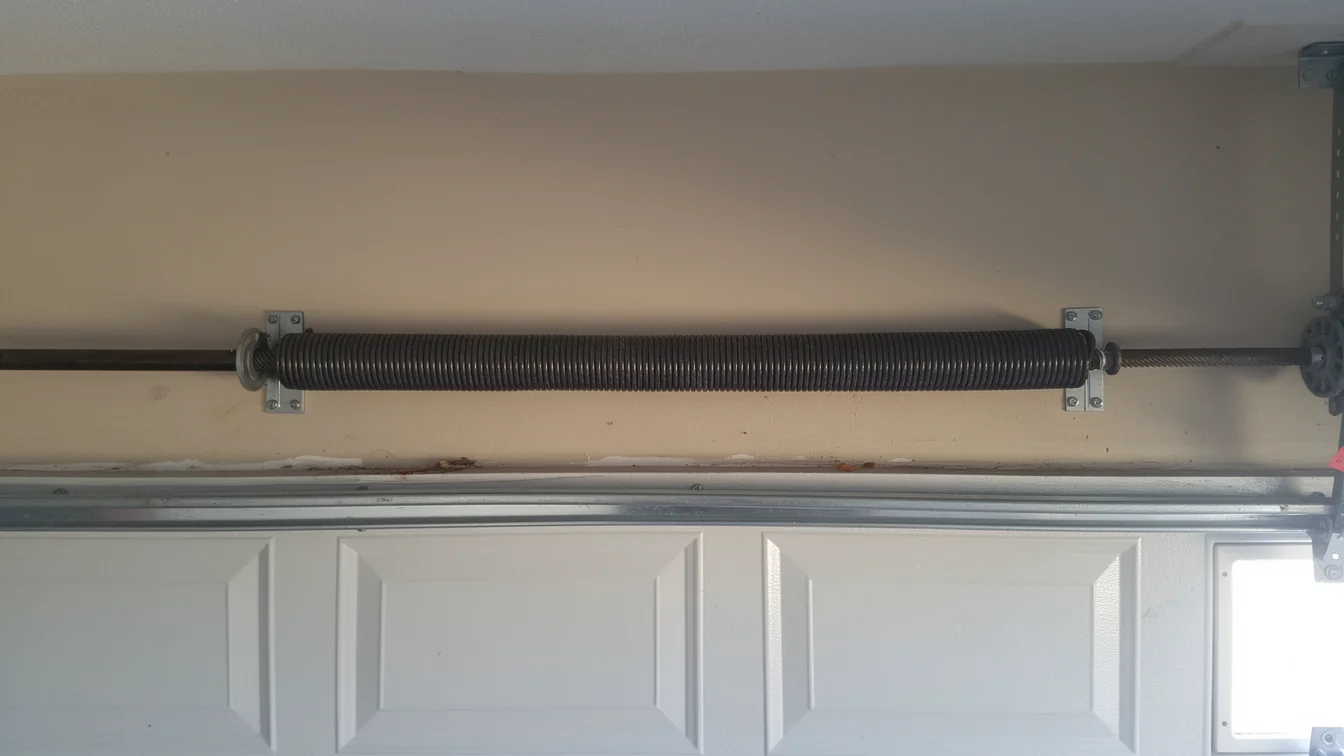
Any noise tied to the spring - a groan, a pop, a sudden loss of balance where the door drops instead of easing down - is not a tightening job. Torsion springs on a 1960s-70s door are wound under enough tension to break bones if the wrong tool slips, and a lot of the original hardware on these older houses was never designed with today's safety cables in mind. That's where we draw the line and tell people to call rather than reach for a ladder.
Track noise is a judgment call. A dry squeal is lubrication. A grinding clang, especially paired with the door binding or jumping the track, means the track is out of alignment or the rollers have failed - and on original 1970s-era hardware, that's often a sign the whole roller set needs replacing rather than one spot repair. If your door is original to a house built in that 1946-2002 window and it's making a new sound, that's the call to make before the old sound becomes no sound at all.
Questions
Common questions
My garage door makes a loud bang once in a while but still works fine. Is that urgent?
Yes. A single loud bang, especially from the side of the door near the top, is usually a cable strand breaking or a spring shifting on its winding cone. It still works because the second cable or the opener is compensating. That compensation doesn't last. Get it looked at before it fails all the way, usually without warning and sometimes while the door is open overhead.
Is the grinding noise from my old rollers something I can fix myself?
If it's a dry squeal, lubricant on the roller stems and track can quiet it for a while. If it's a grinding clang or the door hesitates at certain points, the rollers on original 1960s-70s hardware have likely worn down to metal-on-metal and need replacing, which means pulling the door off track briefly. That part's better left to a call.
Does Salinas weather cause garage door problems the way heat or freezing does elsewhere?
Not really. This area sits in a mild temperate band without the hard freeze-thaw cycles or extreme summer heat that stress steel springs and track elsewhere. Most noise here traces back to age and mileage on hardware original to houses built between 1946 and 2002, not weather.
Recommendation
You Might Also Like
More garage door guides for Salinas homeowners.
Garage Door Repair Built Around How Salinas Houses Were Actually Built
Salinas garage door repair for houses built 1946-2002, mostly 1960s-70s stock, in a mild temperate climate.
 What Salinas's Housing Stock Means for Your Garage Door
Most Salinas homes were built between 1946 and 2002, in a mild coastal climate that still wears out torsion springs, openers, and rollers over the decades.
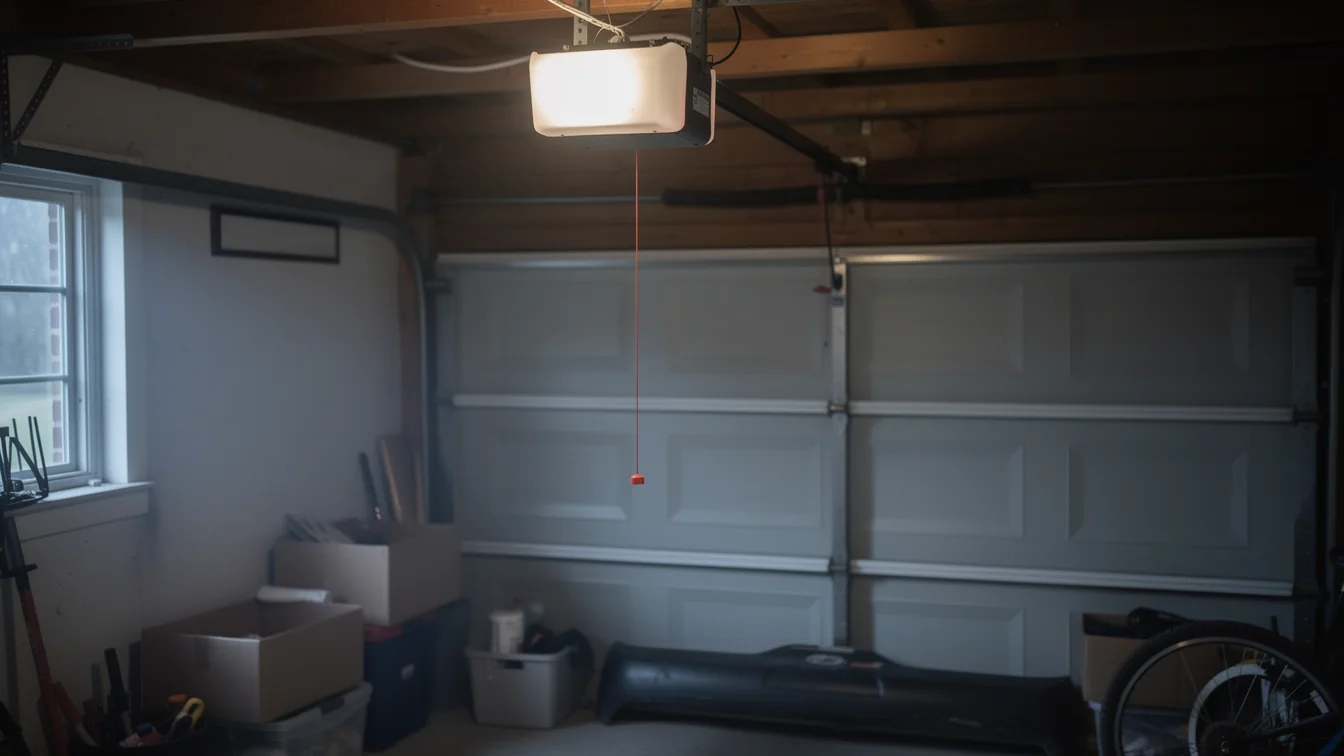 Openers and Power Cuts in Salinas Homes
Most Salinas garage doors date to the 1960s-70s building boom.
Ready when you are
Need a garage door sorted in Salinas?
Salinas Garage Door Pros repairs and installs garage doors, springs and openers in Salinas, CA and the surrounding area.