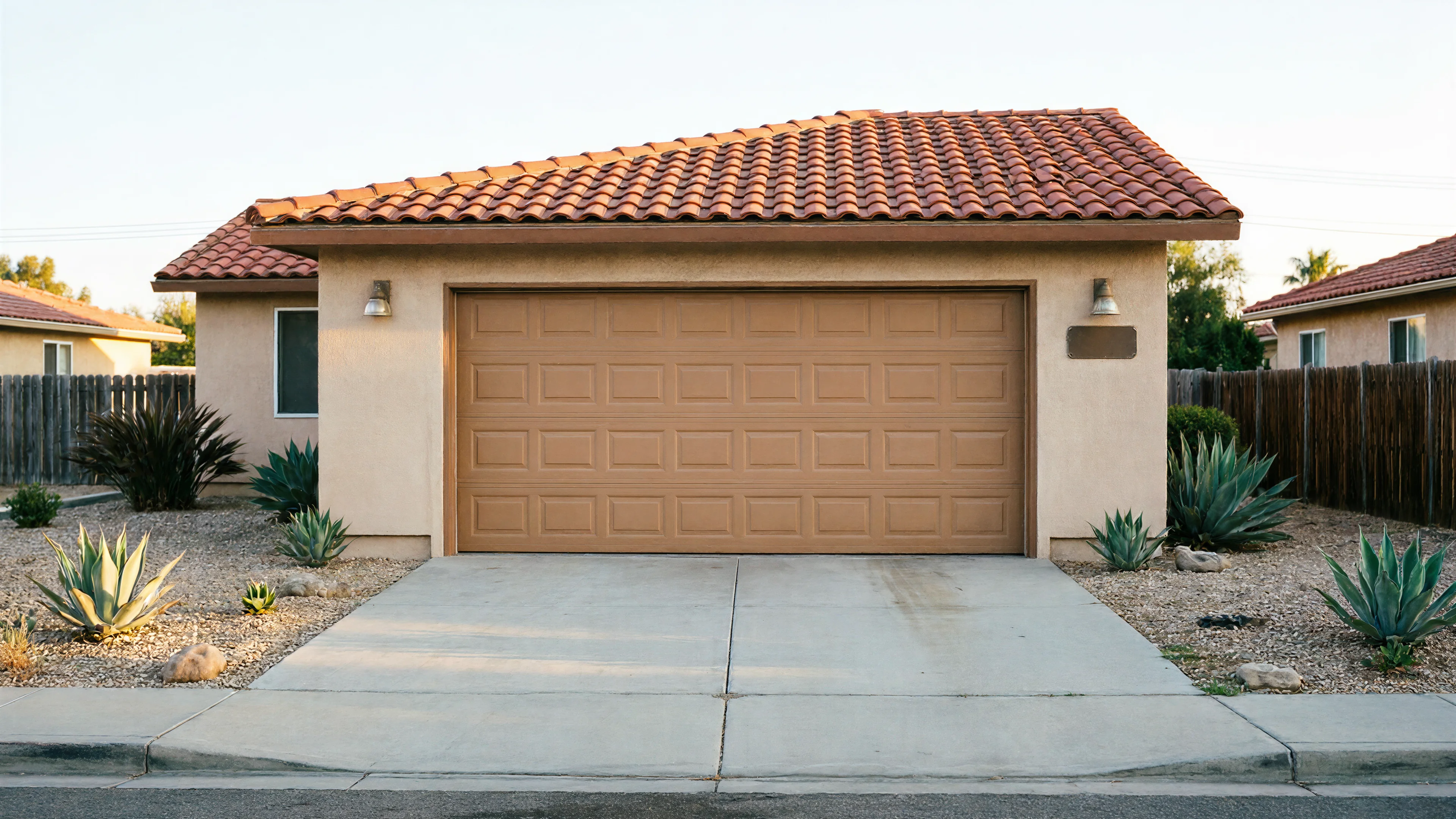
The Symptom
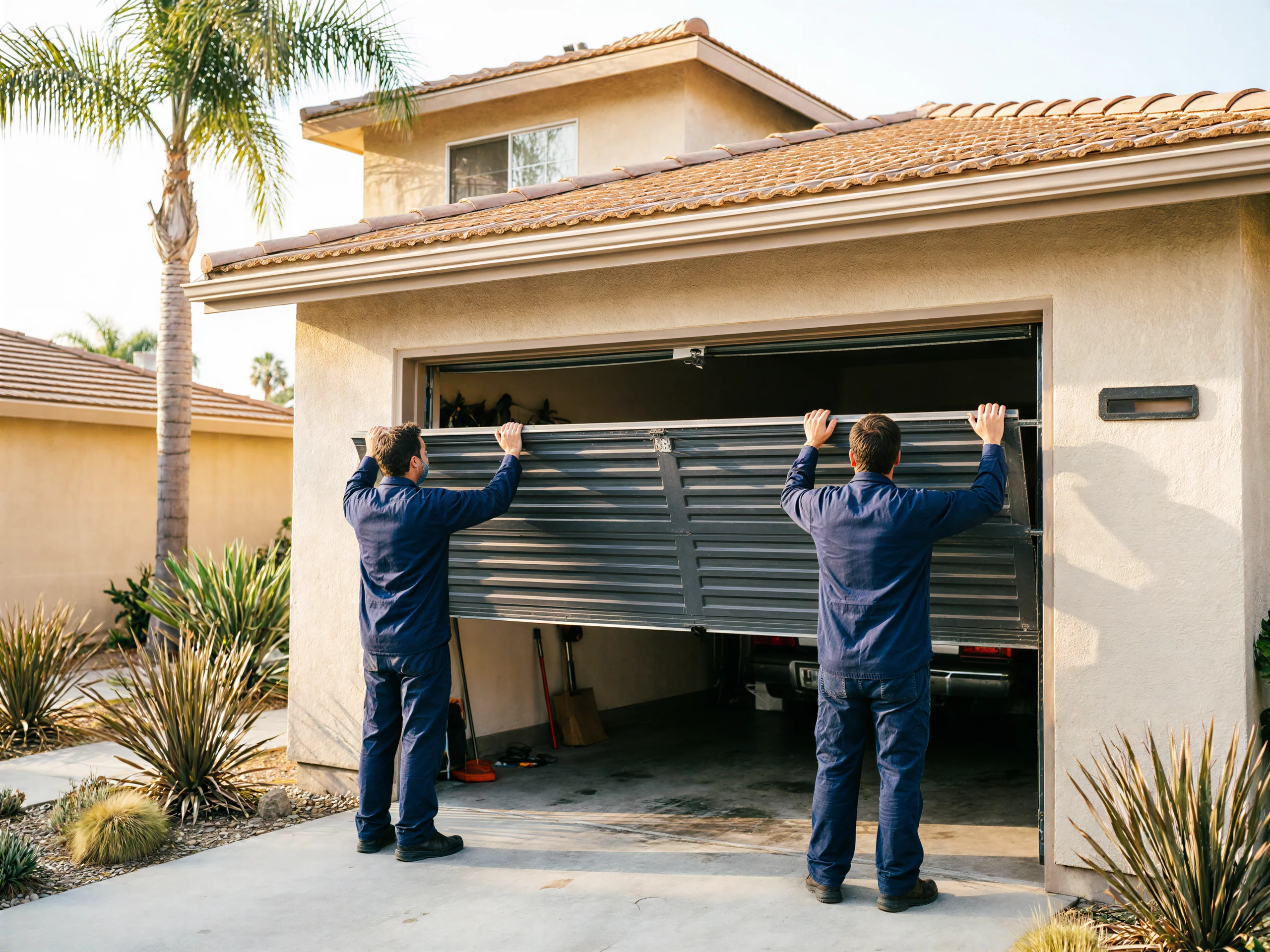
The most common sign you're due for a replacement rather than another repair isn't dramatic. It's a door that's gotten noticeably heavier to lift by hand, or an opener that strains and pauses partway up.
Fatigued panel seams
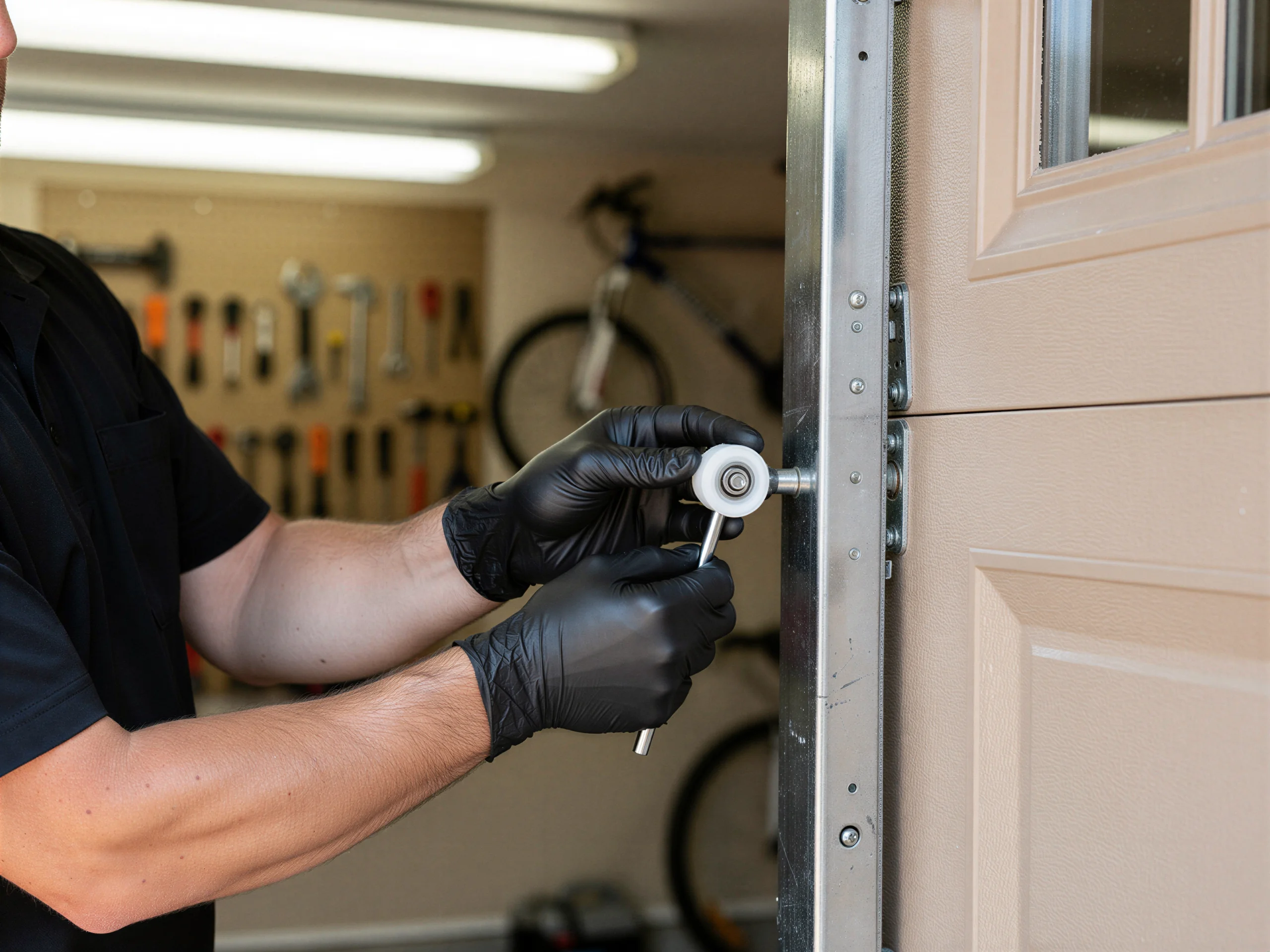
On original 1960s and '70s doors, that's usually the steel fatiguing at the panel seams, not just a spring needing adjustment. If you've already replaced the spring once and the door still labors, the door itself is telling you it's done.
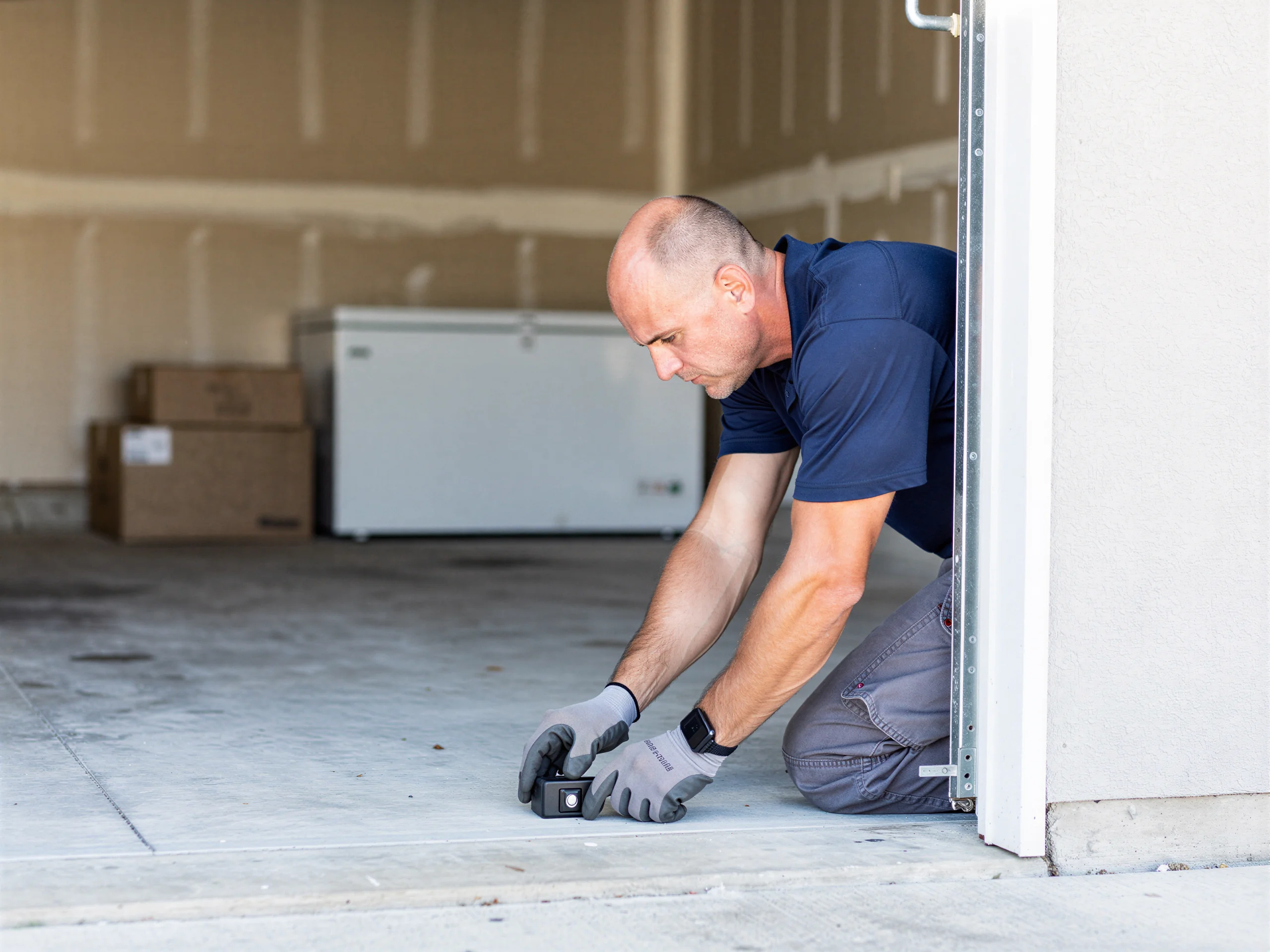
Bottom seal lost to shift
We'll also hear from owners whose door looks fine but won't seal flush at the bottom anymore. On a house this age, that's often the slab or the opening that's shifted slightly over the decades, not a defect in the door.
Chart sizing mistakes
That's a measuring problem, and it's exactly the kind of thing that gets missed when a door gets ordered off a size chart instead of off the actual opening.
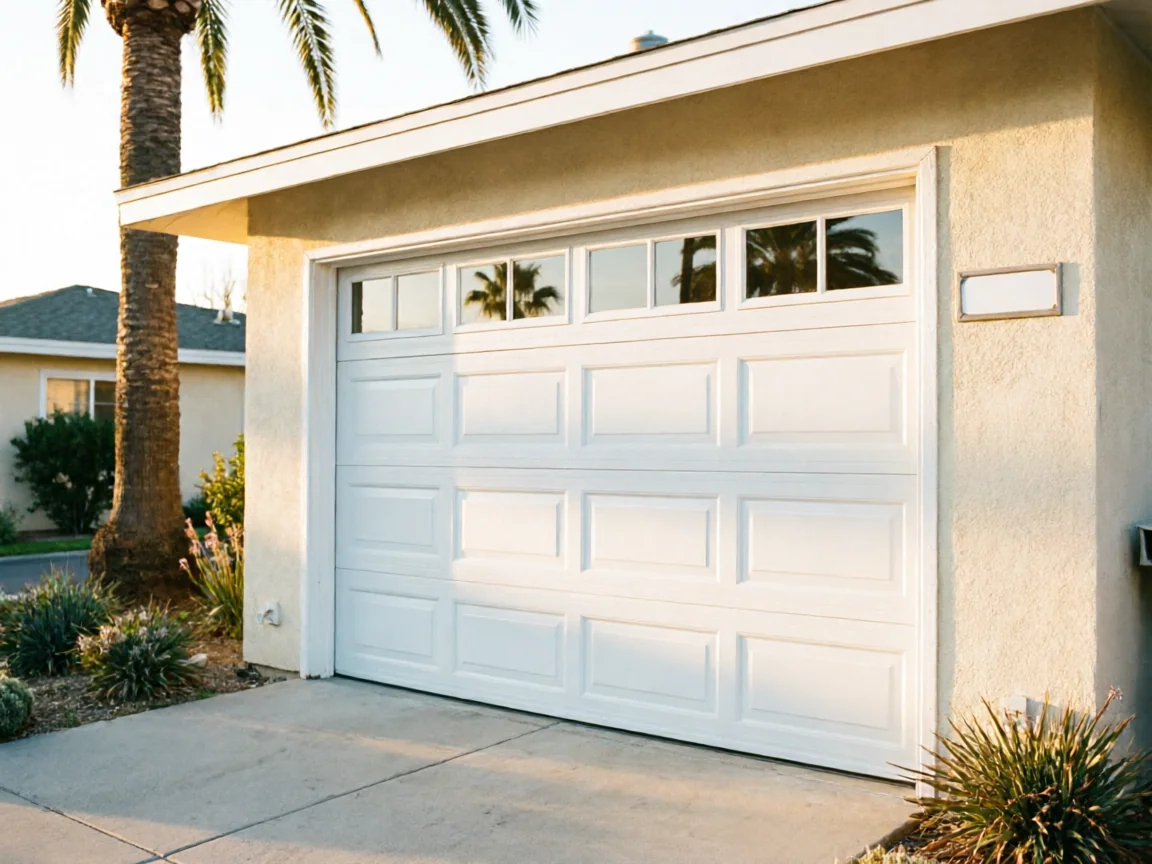
Getting It Booked In
If your door is original to a house built before the 1980s, or you've had more than one spring repair on the same door, it's worth a measurement visit before you buy anything. We'll tell you plainly if a repair still makes sense or if you're past that point. One limitation worth saying up front: some wider double-door openings on older framing need custom sizing, and those aren't a same-week order the way a standard single door is, so we'll give you a realistic timeline rather than a guess.
We serve the Salinas area and the surrounding communities out to about 20 miles, covering Castroville, Prunedale, Marina, and points further out toward Hollister and Watsonville. Reach out through our site to get a measurement scheduled.
Why It Happens Here
Most houses in this service area went up between 1946 and 1976, with the bulk of the stock still dating to the 1960s and '70s across the twenty or so named neighborhoods we cover. That matters for installation because those original openings were framed for doors and track hardware that nobody makes anymore. A lot of garage openings here are slightly out of square after fifty-plus years of settling, and the old single-layer steel or wood doors that came with the house were never built for the insulation standards or spring cycle counts expected today.
The mild temperate climate along this part of the coast is actually kind to garage doors compared to places with hard freezes or extreme heat swings, so you don't see the same warping and seal failure you'd get inland. But that also means a lot of owners ride out a tired door for decades past when they'd replace it elsewhere, right up until a panel finally buckles or a spring gives out mid-cycle. When that door goes, the opening underneath it is often not a standard size anymore, which is the detail that actually drives the install, not the door itself.
How We Fix It
We start at the opening, not the catalog. On a house from the 1960s or '70s, we measure actual framing before quoting a door, because trim and jamb depth on these older builds often don't match what a new door expects out of the box.
Side-mount conversion choice
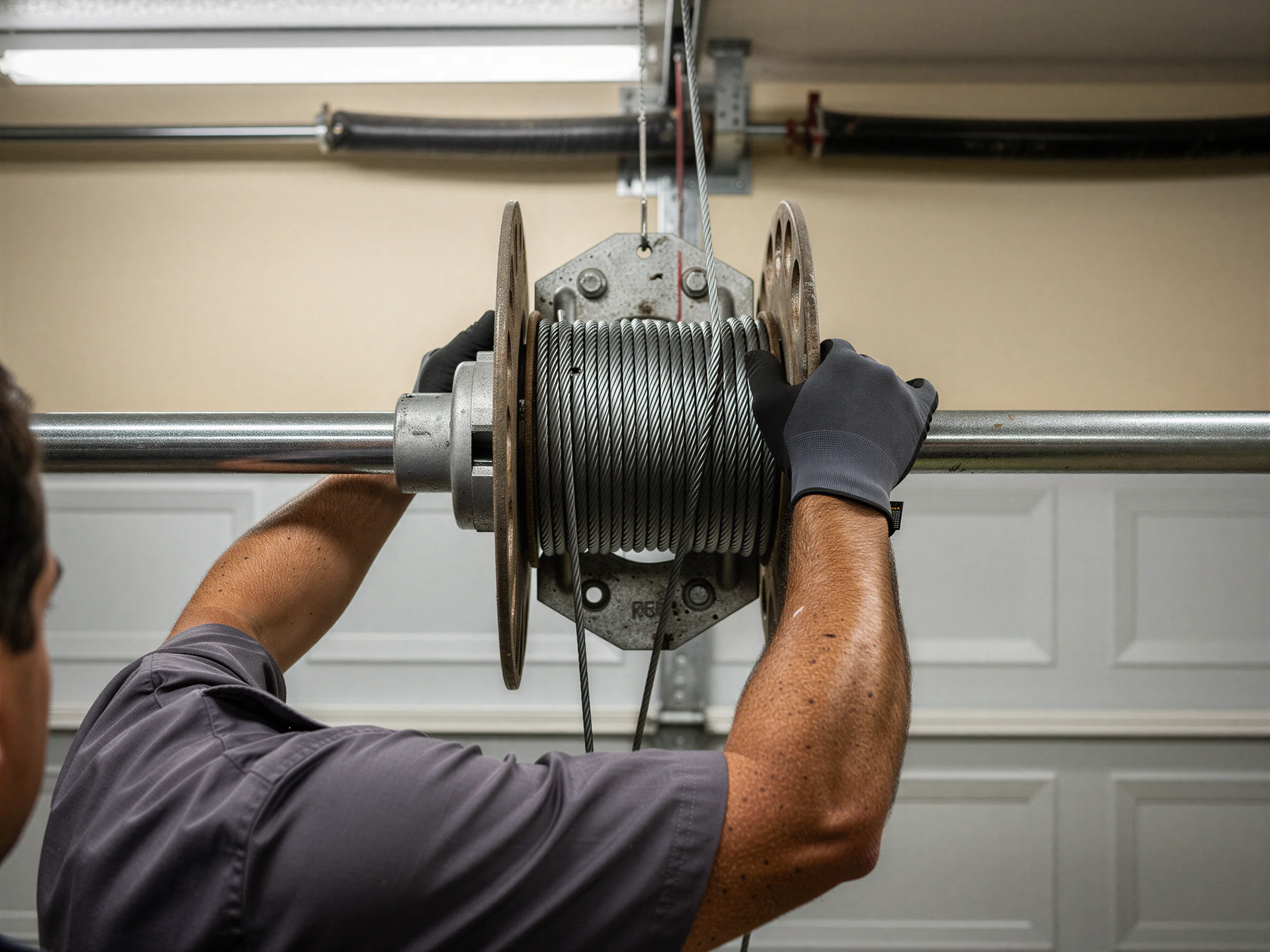
If the track hardware is the original side-mounted torsion setup, we tell you straight whether it's worth adapting or whether a standard extension spring conversion makes more sense for the opening you have. We size the new door and opener to the actual household, not a generic recommendation.
Mid-range door recommendations
With median income in this area around $105,568, most of the installs we do land in the mid-range insulated steel category rather than the premium end, and we're upfront about that instead of pushing an upgrade nobody asked for.
Coastal weatherseal and force
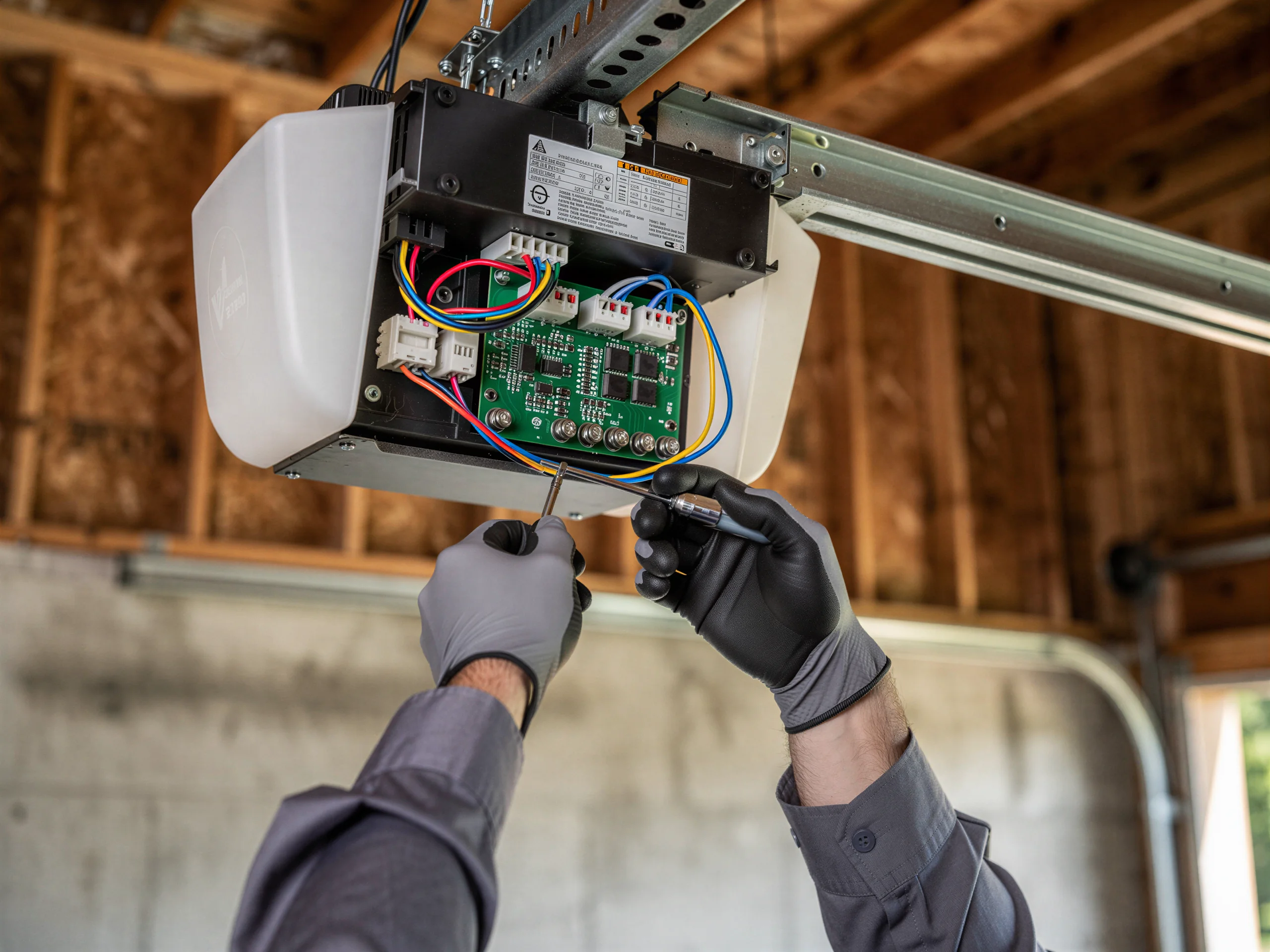
Install includes weatherseal set for a mild coastal climate, not a snow-belt kit you'd never need here. We set the opener's travel limits and force settings to the actual door weight once it's hung, not a factory default, because that's where most new-install problems start.
Talk to a local pro
Garage door service in Salinas?
Same-day service with honest, upfront quotes.