The Symptom
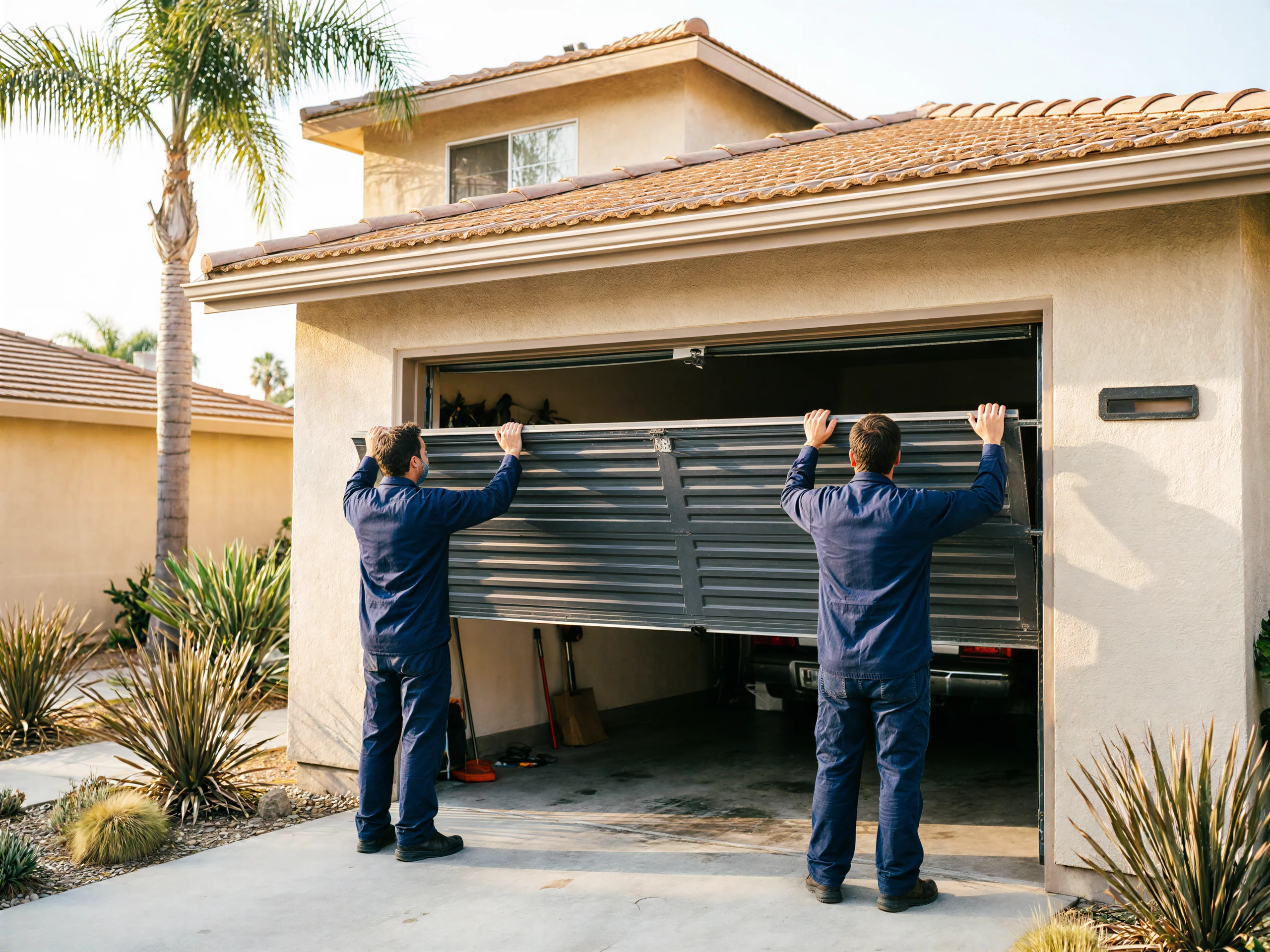
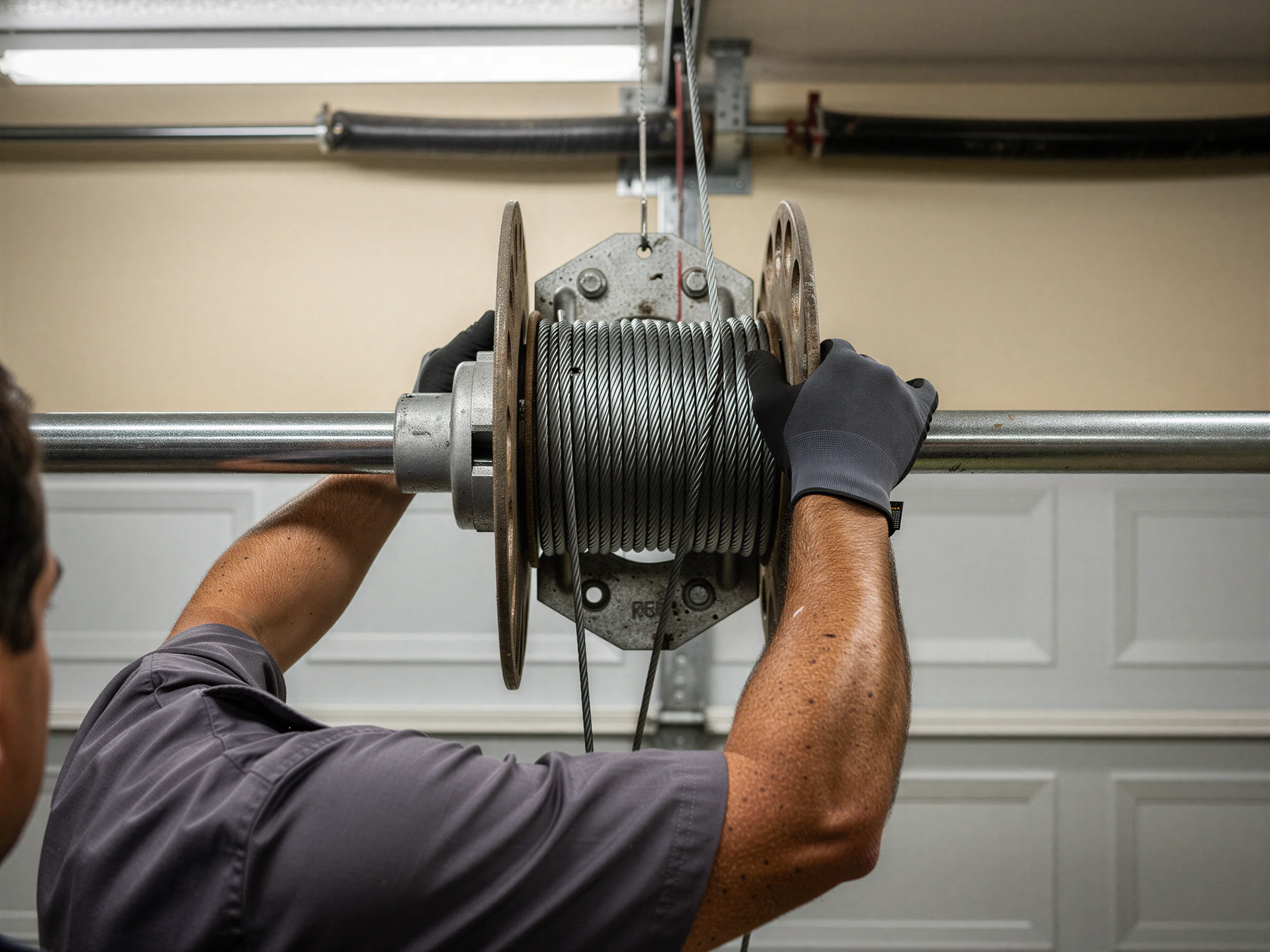
A garage door cable rarely fails without warning. The most common sign is a door that goes crooked on the way up or down - one side drops faster than the other because one cable has slipped off its drum or snapped. You might also hear a loud bang from the garage, which is usually the cable letting go under spring tension rather than the spring itself.
Other signs show up earlier if you know to look: frayed strands near the bottom bracket, a thin coat of rust dust on the floor under the drum, or a door that's suddenly harder to lift by hand. If your opener strains and reverses partway through a cycle, that can also point to a cable starting to bind rather than a motor problem. The thing we'd tell you not to do is keep running the opener once a door is visibly crooked - that puts the second cable and the track under load they weren't built for, and turns a cable repair into a track and bracket repair too.
Getting It Booked In
We run cable repair calls across the Salinas service area, out to Castroville and Prunedale at about 8 miles, Marina at 9, Elkhorn at 10, and as far as Hollister, Gonzales, and Watsonville in the 17 to 18 mile range. If you're closer in, around Springtown just 4 miles SSW, we're usually there faster.
One limitation worth saying plainly: if your door is old enough that the drums or track are worn beyond what a cable swap can fix, replacing just the cable isn't worth doing - we'll tell you that instead of billing you twice. Call and describe what the door's doing: crooked lift, a bang, visible fraying. That's usually enough for us to bring the right cable stock on the first trip instead of a second visit.
Why It Happens Here
Most houses across the Salinas service area went up between 1946 and 2002, with the median landing around 1976. That means a lot of garage doors out here are still running cables that are decades past the 20-year mark most cable makers rate for before the strands start to fray. Across the 20 named areas that make up this market, the housing stock skews mostly 1960s and 70s, and those are the years we see the most cable calls - not because anyone did anything wrong, but because the hardware is just old.
Salinas sits in a mild temperate band, so we're not chasing the ice-and-thaw snap that techs in colder regions deal with every winter. Out here it's a slower process: coastal damp works into the galvanized coating over the years, rust takes hold at the drum end where the cable wraps, and one day under normal spring tension the strand gives out. With 31,775 owner-occupied houses across the area still carrying original or near-original door hardware, a frayed or snapped lifting cable is one of the most common reasons a door won't open the morning someone calls us.
How We Fix It
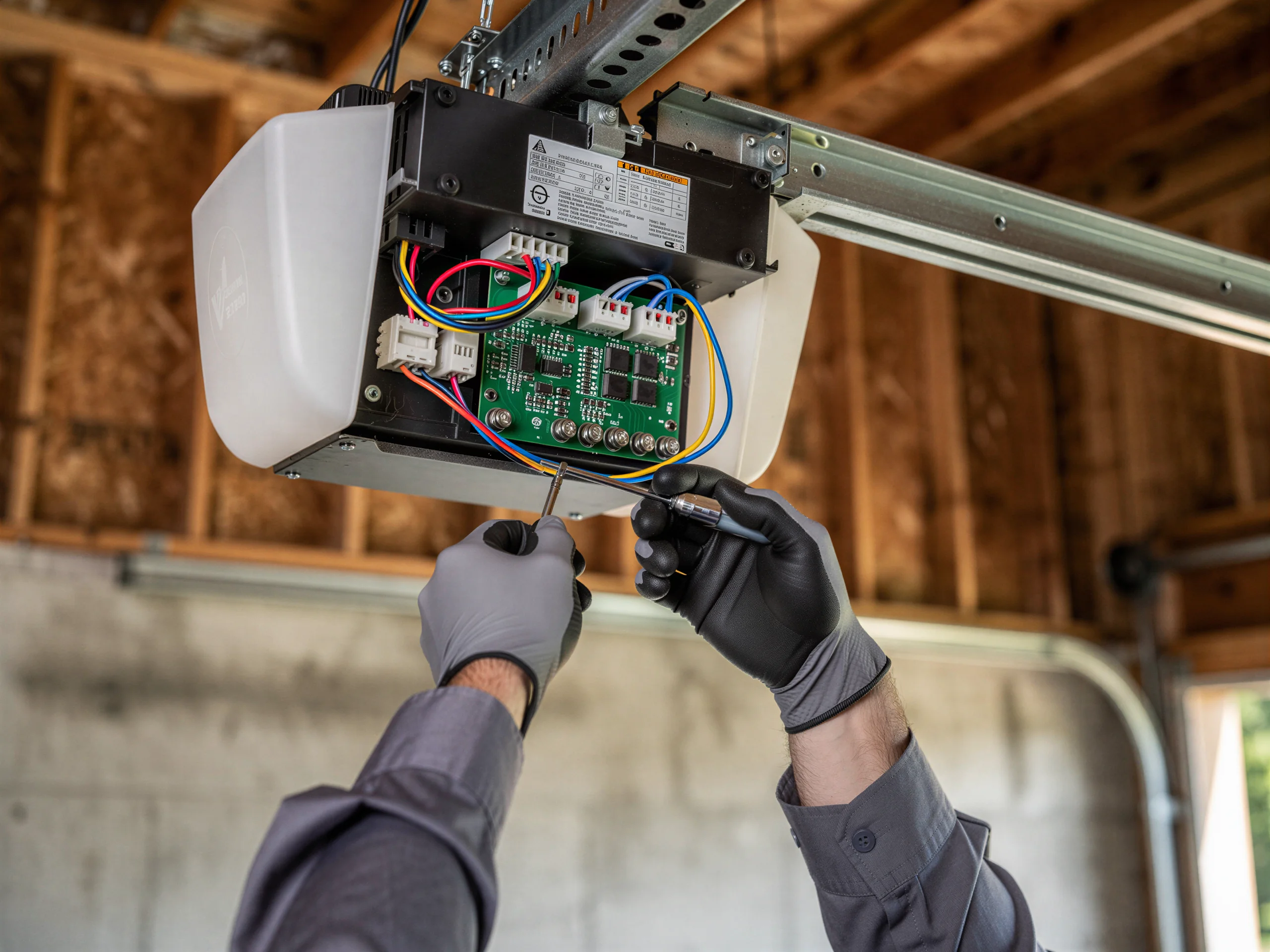
A broken cable on a torsion spring door is not a job where you crank the opener harder and hope. The first thing we do is release spring tension safely - a cable failure often means the drum end is unwound and the door is sitting on one side, which puts the whole assembly under uneven load.
Replace cables as pair
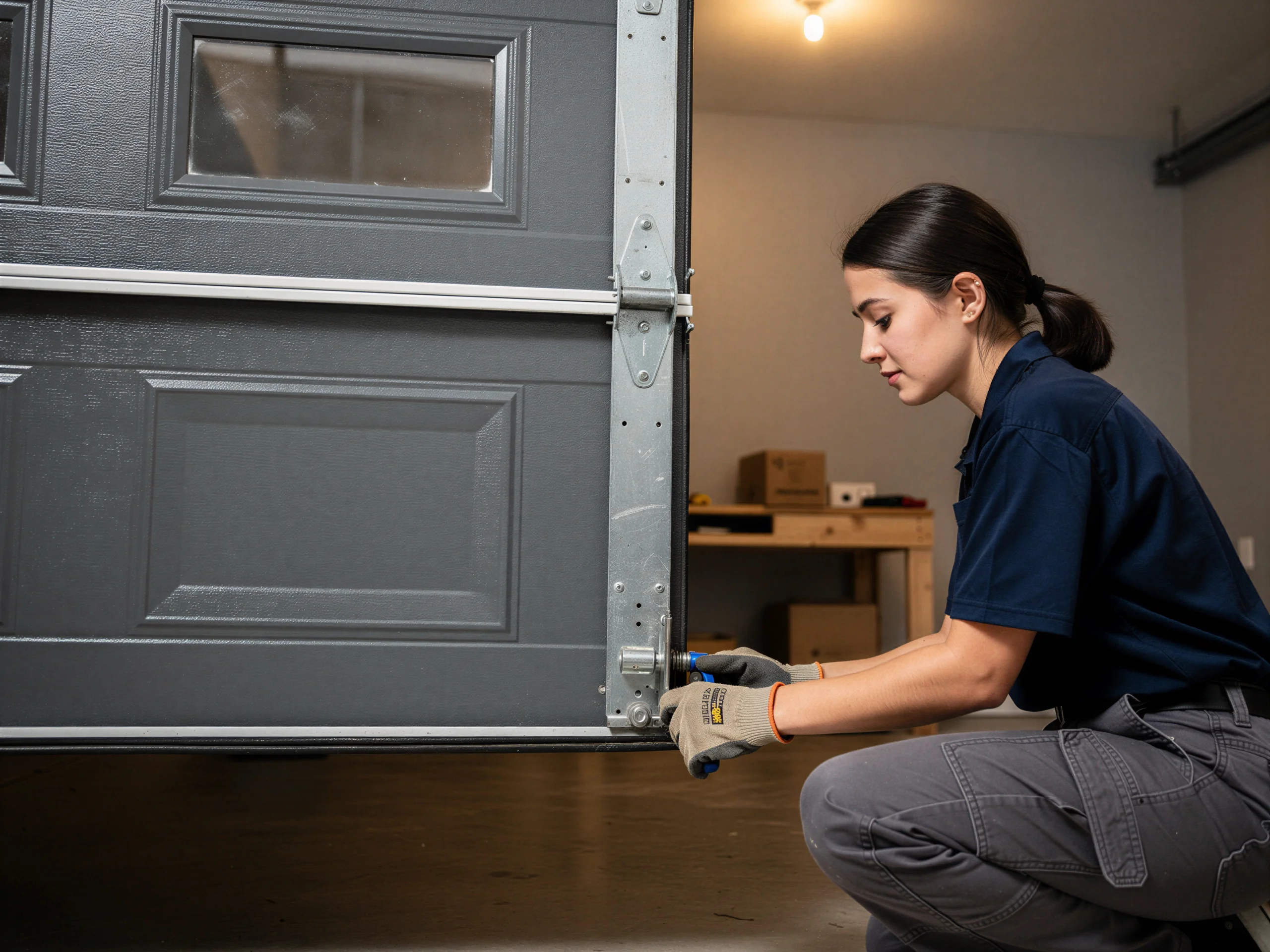
We pull both cables as a pair, even if only one snapped, because the other one has usually been carrying the same decades of wear and will go next.
Inspect drums and rollers
We check the drums, the bottom brackets, and the rollers on the track while we're in there, since a cable rarely fails in isolation - a worn roller or a bent track can be the real reason the cable frayed at that spot in the first place.
Re-cable then full cycle test
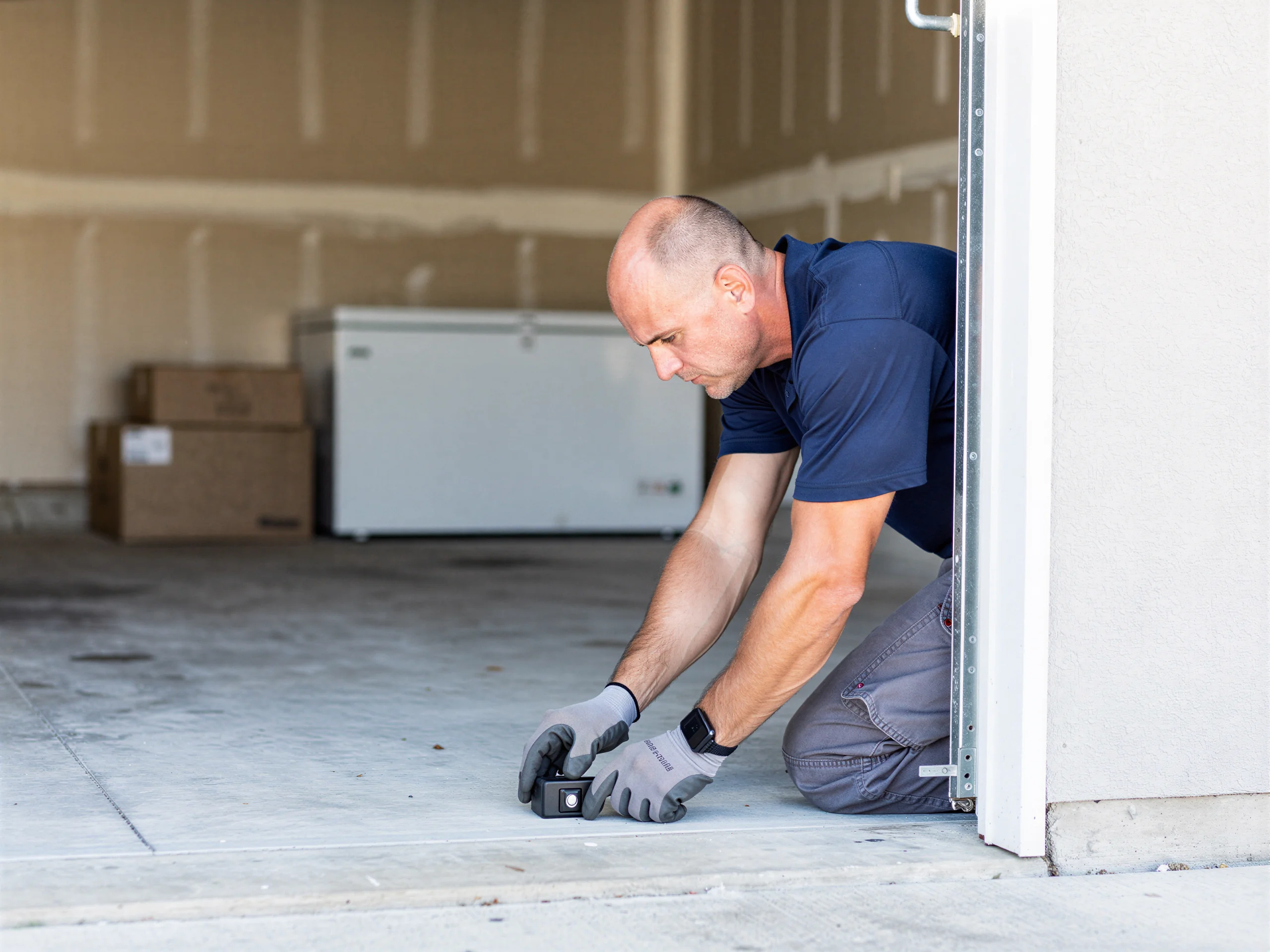
We re-cable with the correct gauge for your door's weight and spring setup, re-tension the springs, and run the door through a full cycle before we call it done. On older torsion setups we sometimes find side-mount hardware that doesn't match current cable sizing, and we tell you that up front rather than forcing a fit that won't hold.
Talk to a local pro
Garage door service in Salinas?
Same-day service with honest, upfront quotes.