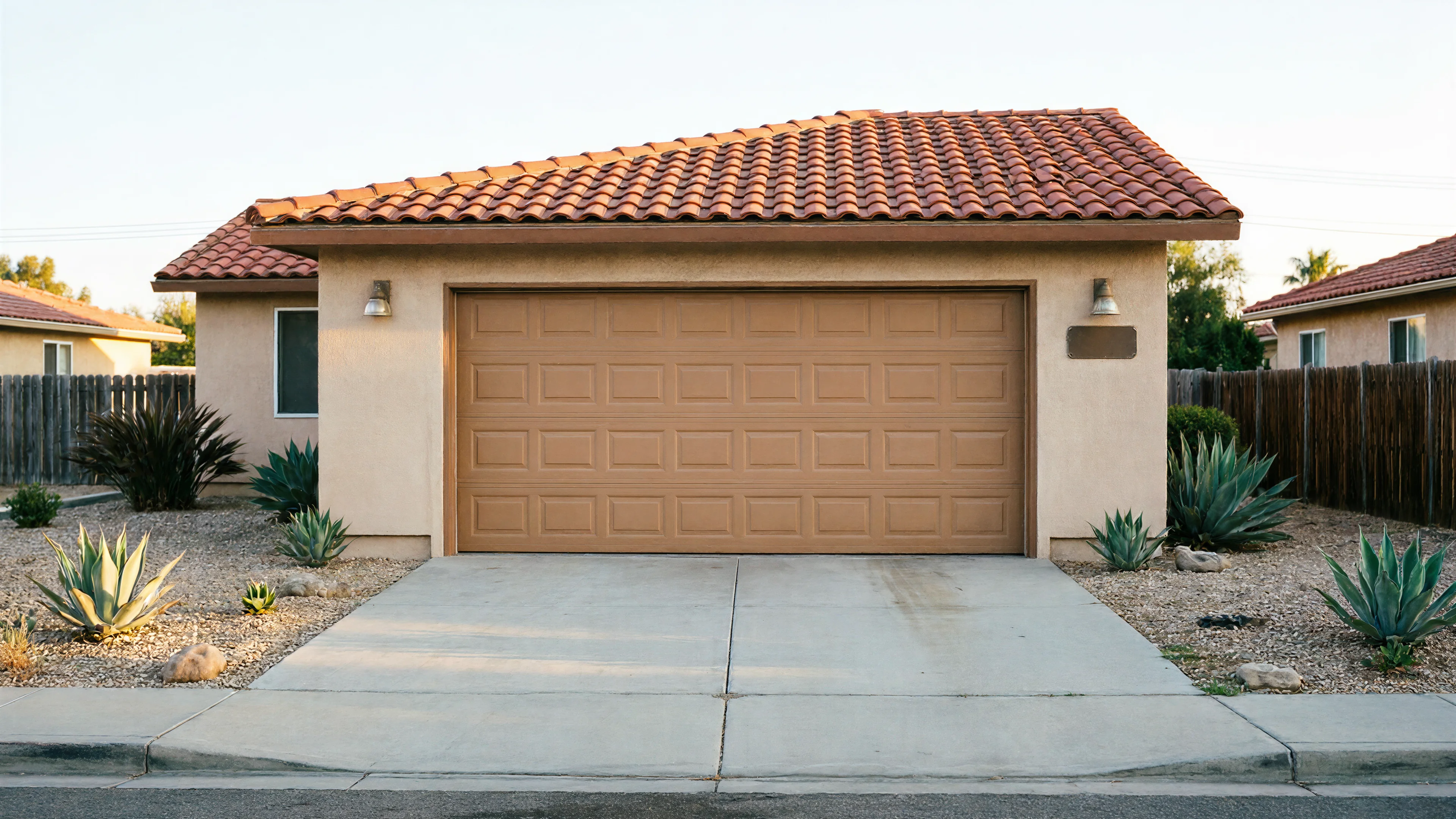
The Symptom
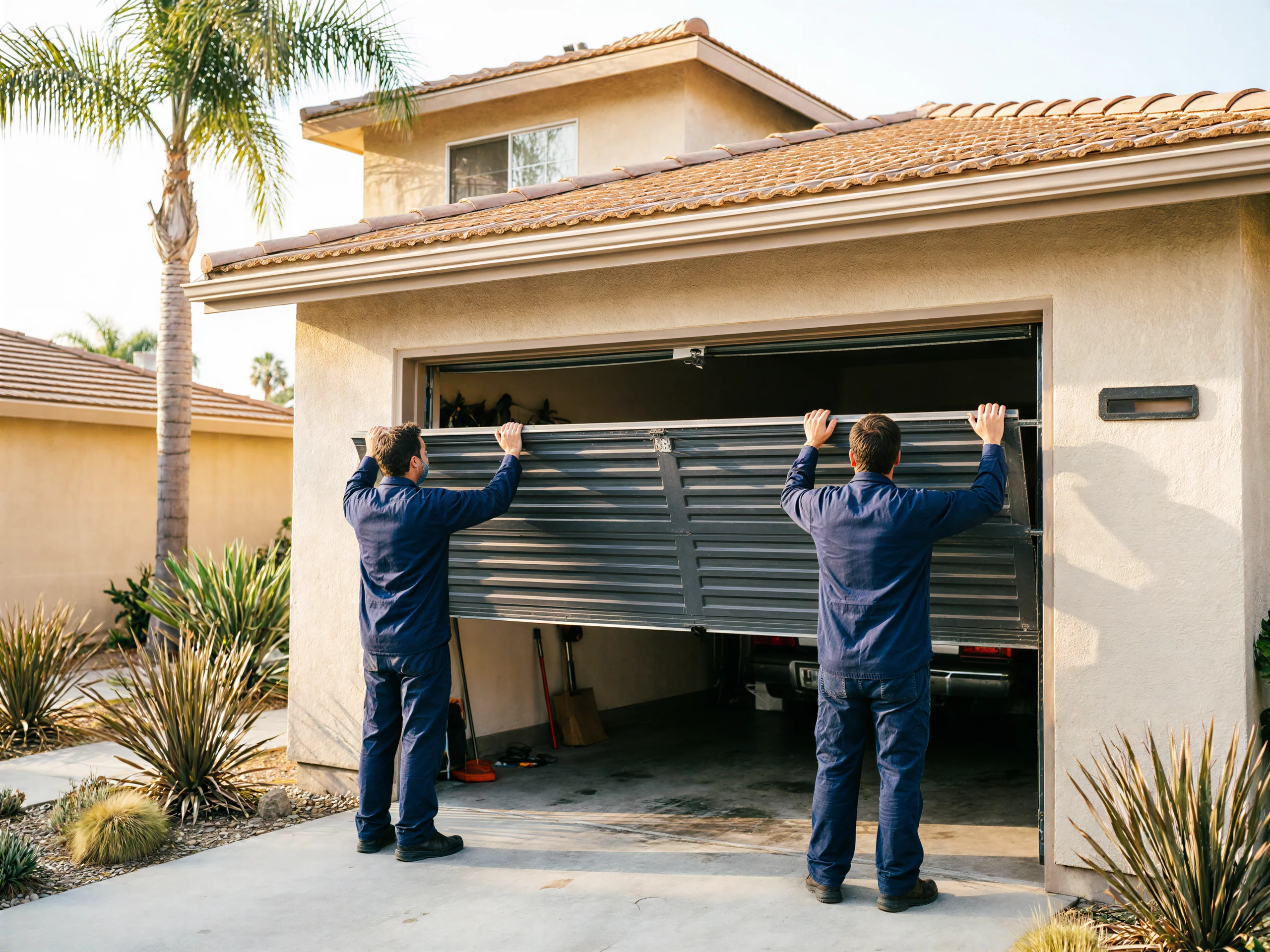
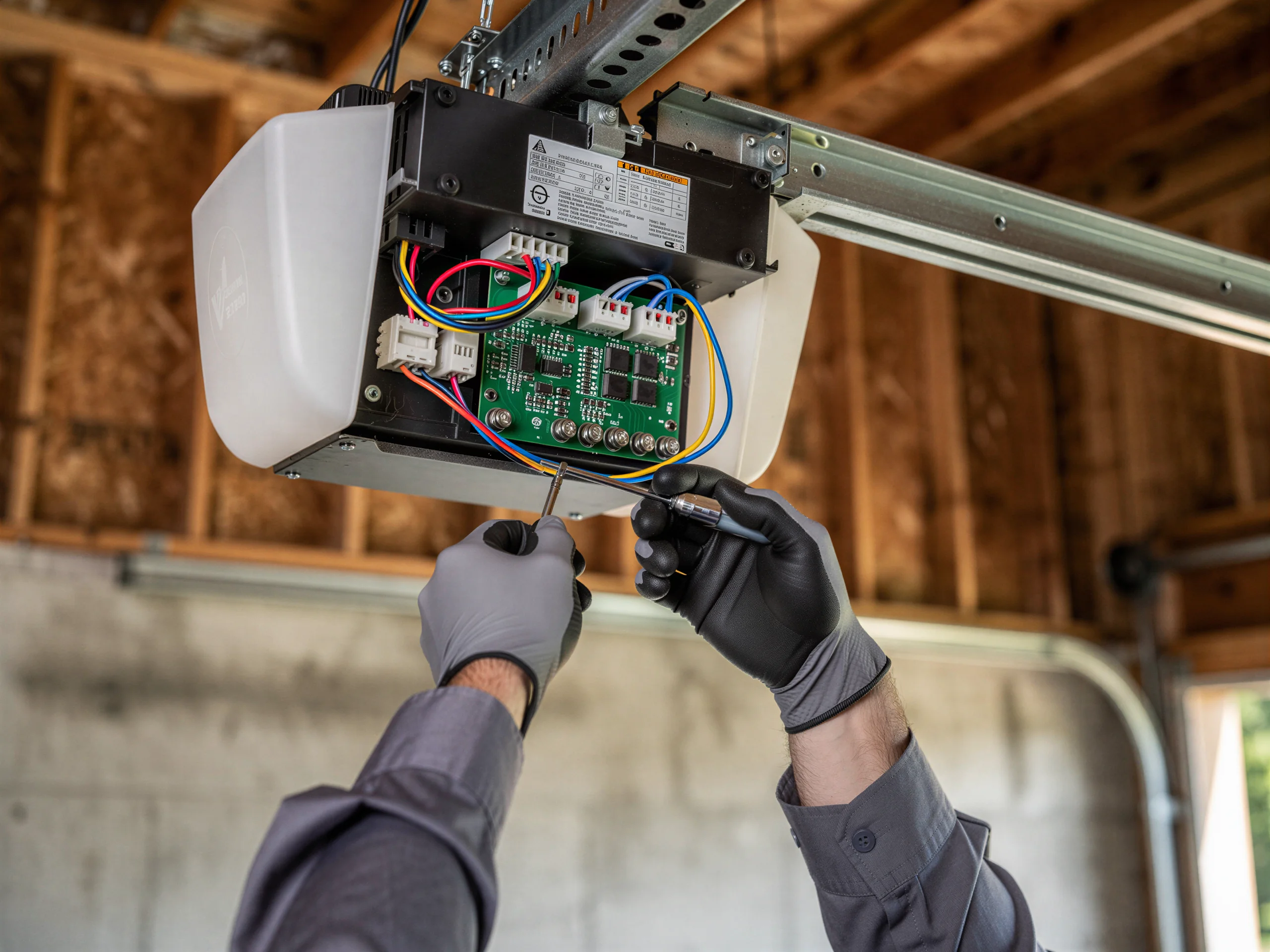
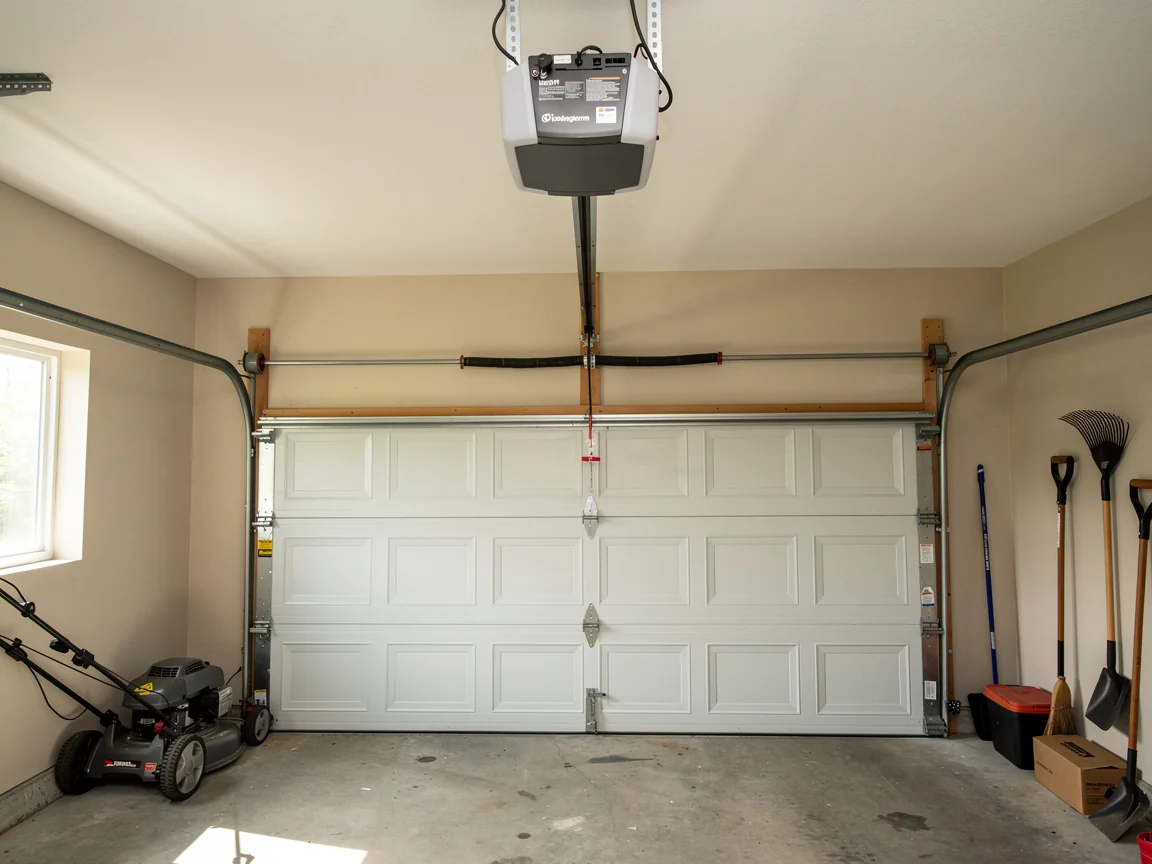
The most common call we get from these older Salinas houses starts the same way: the door feels heavier than it used to, then one side starts to sag or hang crooked, then it stops opening past a few inches. That's a torsion spring going - not a broken opener, even though the opener usually gets blamed first since that's the part people can see straining.
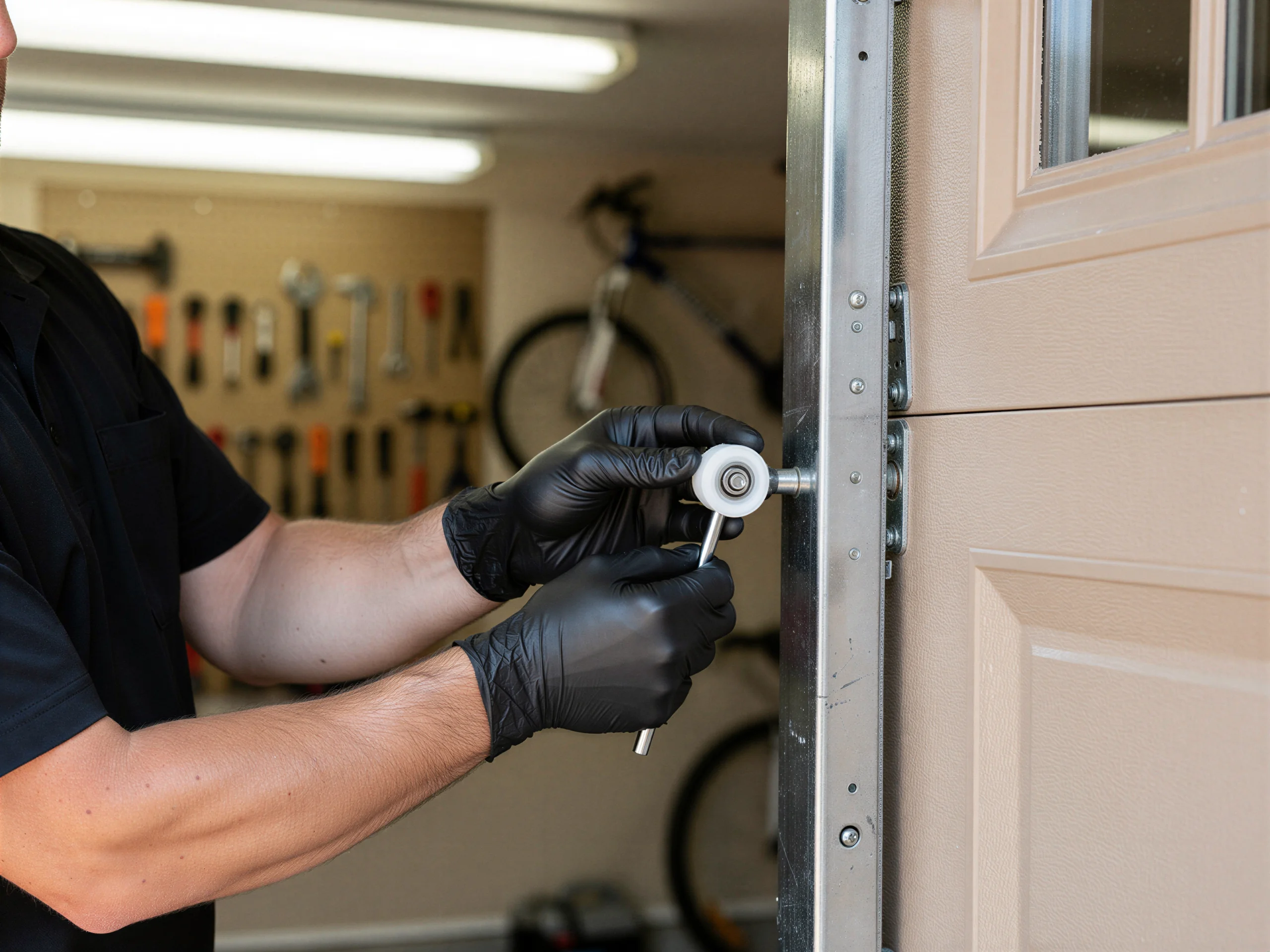
A second common pattern is a door that shudders or bangs partway through the cycle. On original hardware from this era, that's usually a worn roller or a track bracket that's worked loose from the framing over the years. Neither of these is weather-driven here, given the mild climate - it's just age and cycle count catching up with hardware that was never meant to last this many decades.
Getting It Booked In
If your door is sagging, heavy, or stuck, that's not a wait-and-see repair - a spring under tension that's about to fail is a safety issue, not just an inconvenience. We cover Salinas and the surrounding area, including places like Castroville, Prunedale, Marina, Springtown, and the other communities within a short drive, so if you're calling from one of the nearby towns rather than Salinas proper, we still take the job.
Give us a call and describe what the door is doing - heavy to lift, crooked, banging, or just dead. That tells us what to bring on the truck instead of making two trips. You can find more on who we are and what else we handle on our home page.
Why It Happens Here
Most of Salinas went up between 1946 and 2002, with the median house dating to 1976, and the bulk of that falls into a run of 1960s and 70s tract construction spread across the area's named neighborhoods. That means a lot of garages here still carry the torsion springs, lift cables, and track hardware that came with the house - sometimes the original units, sometimes a straight swap done decades ago with parts sized for that era's doors. Those springs have a rated cycle life, and once a house passes the 40 or 50 year mark, the spring is well past it whether anyone's touched it or not.
Salinas sits in a mild temperate band, so we don't see the freeze-thaw cracking or the summer expansion swings that wreck doors in harsher climates. That's actually part of why people are caught off guard - there's no storm, no cold snap, nothing dramatic that explains a spring letting go. It's just metal fatigue on hardware that's been doing the same lift, every day, since the Johnson administration or close to it. The failure is quiet: a door that gets heavier to lift by hand, then one day doesn't move at all.
How We Fix It
On a 1960s or 70s build we start by checking whether the spring size and the track width match the door currently hanging on them - plenty of these garages have had a replacement door installed at some point without anyone re-checking the spring rating, which leaves the opener straining and the cables wearing unevenly.
Cycle-rated torsion replacement
If it's a straight torsion spring failure, we replace the spring to the correct cycle rating for the door's actual weight, not just whatever was there. We also check the track alignment and the roller condition while we're in there.
Loose track brackets
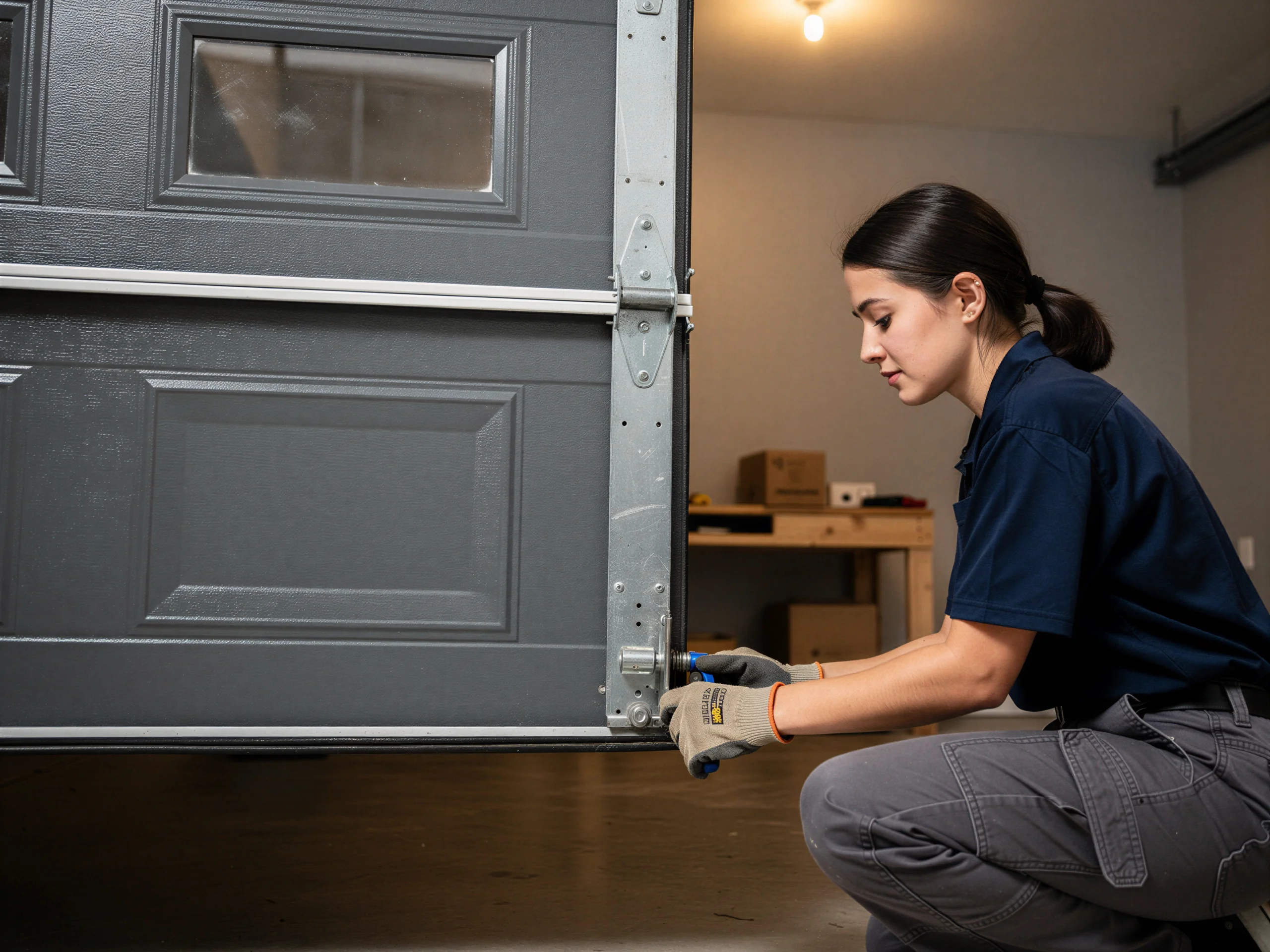
On houses from that build era the track brackets were often fastened straight to original framing, and decades of use loosens those fasteners even without any weather damage to blame. Tightening and realigning the track is part of the job, not a separate call.
Non-standard parts sourcing
One limit worth being upfront about: if your garage has a non-standard door size from a past remodel, or an opener model that's been out of production a long time, parts can take longer to source than a same-day fix. We'll tell you that up front rather than promise a timeline we can't hit.
Talk to a local pro
Garage door service in Salinas?
Same-day service with honest, upfront quotes.