 Garage Door Repair Built Around How Salinas Houses Were Actually Built
Salinas garage door repair for houses built 1946-2002, mostly 1960s-70s stock, in a mild temperate climate.
What Salinas's Housing Stock Means for Your Garage Door
Most Salinas homes were built between 1946 and 2002, in a mild coastal climate that still wears out torsion springs, openers, and rollers over the decades.
Local detail
What Most People Get Wrong
Most homeowners treat a sticking door or a slow opener as a generic problem - tighten something, spray some oil, move on. That works for a few years, then it doesn't. The reason it stops working has to do with what's actually on the door, and that's tied to when the house went up.
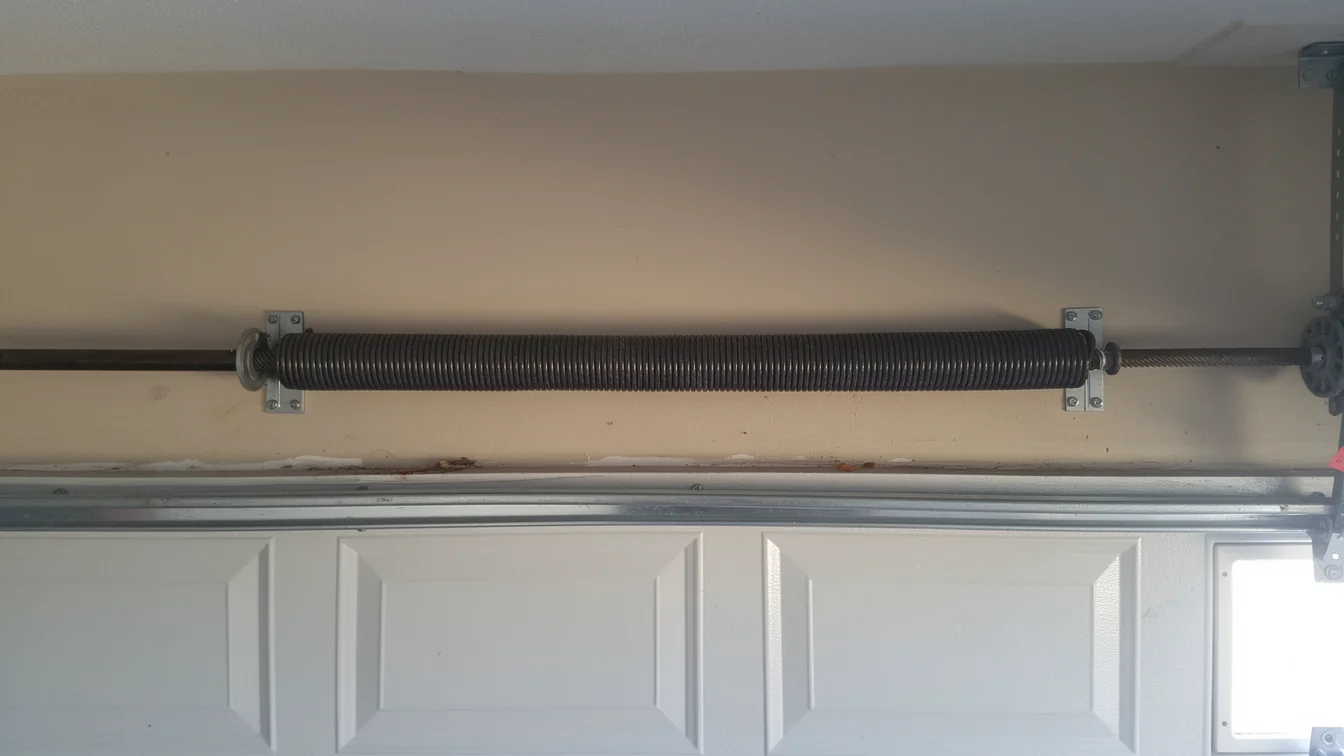
Most houses in the Salinas service area were built between 1946 and 2002, with the typical home dating to 1976. Across the 20 named areas that make up this market, the bulk of the stock is 1960s and 70s construction. That means a lot of doors out there are still on original torsion or extension spring setups sized for hardware that isn't what's sold today. A universal spring off a shelf doesn't always match a cable drum or a track width from that period, and forcing a fit is how a door comes off plumb or a cable jumps the drum.
The fix people reach for - a new remote, a tube of grease, tightening the track bolts - treats the symptom. The actual issue is usually a 40-to-60-year-old spring system nearing the end of its cycle count, not a lubrication problem. Knowing the difference matters more than knowing another trick for a squeaky roller.
The area
The Situation
This isn't a single-neighborhood market. The service area stretches from Springtown 4 miles to the southwest out past Castroville, Prunedale, and Marina at 8 and 9 miles, through Chualar, Seaside, and Moss Landing in the 10-to-12-mile range, and as far as Hollister, Carmel-by-the-Sea, and Paicines at 17 to 20 miles. That spread means the housing mix varies a lot from one stop to the next, even on the same day's schedule.
What holds the area together is who's in these houses. There are 84,673 households across the area and 31,775 owner-occupied houses among them. That's a meaningful share of people who own the place and plan to stay, which changes what kind of call this usually is - not a landlord doing the cheapest patch before a tenant moves out, but someone deciding whether a 1970s door is worth saving or worth replacing.
Median household income here runs $105,568, which is part of why a full replacement with a better-insulated door and a new opener is often the real conversation, not just a spring swap on a door that's already outlived its hardware.
What we find
What the Weather Here Does to It
This area sits in a mild temperate band - no hard freezes locking up grease in the opener, no summer heat warping panels. That sounds like good news for a garage door, and in some ways it is. You're not dealing with the thermal expansion and contraction that cracks seals and throws off track alignment in places with real winters and real summers.
But mild and dry are not the same thing, and steady, moderate conditions over 40 to 60 years still take a toll - mostly on the galvanizing and the spring coating. Houses from the 1960s and 70s predate a lot of the rust-resistant hardware standard now, so springs and tracks on original installs tend to show surface corrosion well before they show any obvious failure. That corrosion eats into the spring's wire gauge slowly, and a spring that looks fine from the ground can be closer to snapping than its coil count would suggest.
The honest limitation here: we can't tell you a spring's exact remaining life by looking at it from outside, and we won't pretend otherwise. If it's original to a house built in that 1946-2002 window, age alone is reason enough to have it checked before it breaks.
How we work
When It Stops Being a DIY Job
A torsion spring under tension is not a weekend project, full stop, regardless of how old the house is. But age adds a wrinkle specific to this area's housing stock: a door original to a 1960s or 70s build often runs non-standard spring sizes, wind cable lengths, or drum configurations that don't match what's stocked for current door models. Ordering the wrong part because it looked close enough is a common way a simple job turns into two trips.
If your door is original to a house from that 1946-2002 era and you're hearing a loud bang, seeing a cable fraying at the drum, or noticing the door hangs crooked when it's open, that's past the point of a tutorial video. Mismatched hardware under tension is how people get hurt.
We'll also say plainly: not every old door is worth saving. Once the track is bent, the panels are rusted through, or the spring system is obsolete enough that parts take weeks to source, replacement is usually the better call than chasing a repair on something built for a different era of garage door.
Questions
Common questions
My house was built in the 1970s - is the garage door original?
It's possible. A lot of the housing stock across this area dates to the 1960s and 70s, and original doors and spring systems from that period are still out there. If you've never replaced the spring or opener, it's worth having it looked at rather than assuming it still has years left.
Does the mild climate here mean less wear on garage door parts?
Less thermal stress, yes - no hard freeze-thaw cycling. But decades of steady moderate conditions still corrode springs and tracks over time, especially on older, less rust-resistant hardware. Mild doesn't mean maintenance-free, it just wears things down on a slower, quieter schedule.
Should I repair my old door or replace it?
Depends on what's actually wrong. A worn spring or opener on an otherwise sound door is often worth fixing. A bent track, rusted-through panels, or spring hardware that's hard to source parts for usually isn't. We'll tell you honestly which situation you're in rather than defaulting to either answer.
Recommendation
You Might Also Like
More garage door guides for Salinas homeowners.
Garage Door Repair Built Around How Salinas Houses Were Actually Built
Salinas garage door repair for houses built 1946-2002, mostly 1960s-70s stock, in a mild temperate climate.
 Openers and Power Cuts in Salinas Homes
Most Salinas garage doors date to the 1960s-70s building boom.
 What a Salinas Service Call Actually Covers
A look at what a garage door service call actually involves in Salinas, where most houses date to the 1960s-70s and the mild coastal climate changes what fails first.
Ready when you are
Need a garage door sorted in Salinas?
Salinas Garage Door Pros repairs and installs garage doors, springs and openers in Salinas, CA and the surrounding area.