How We Fix It
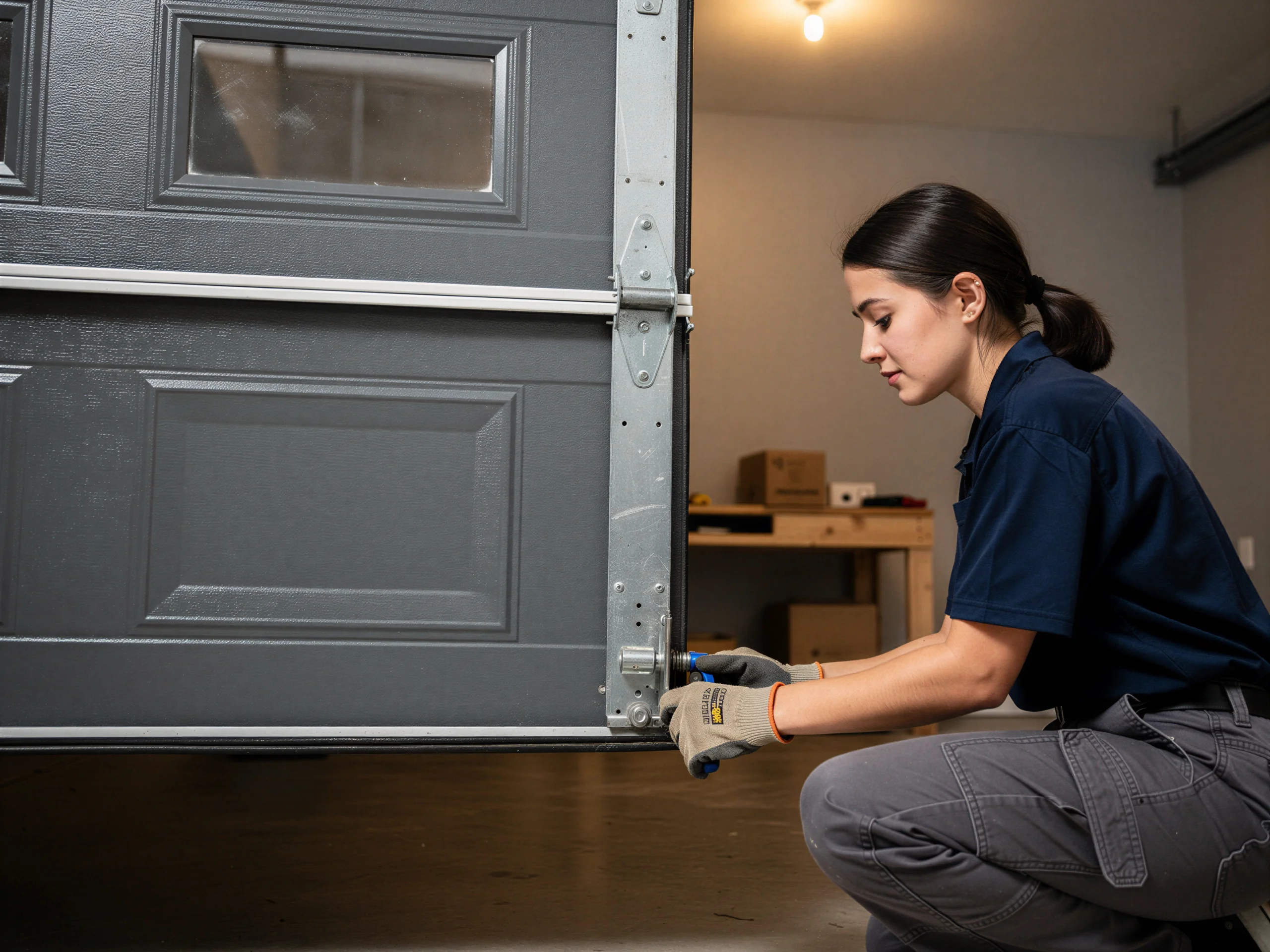
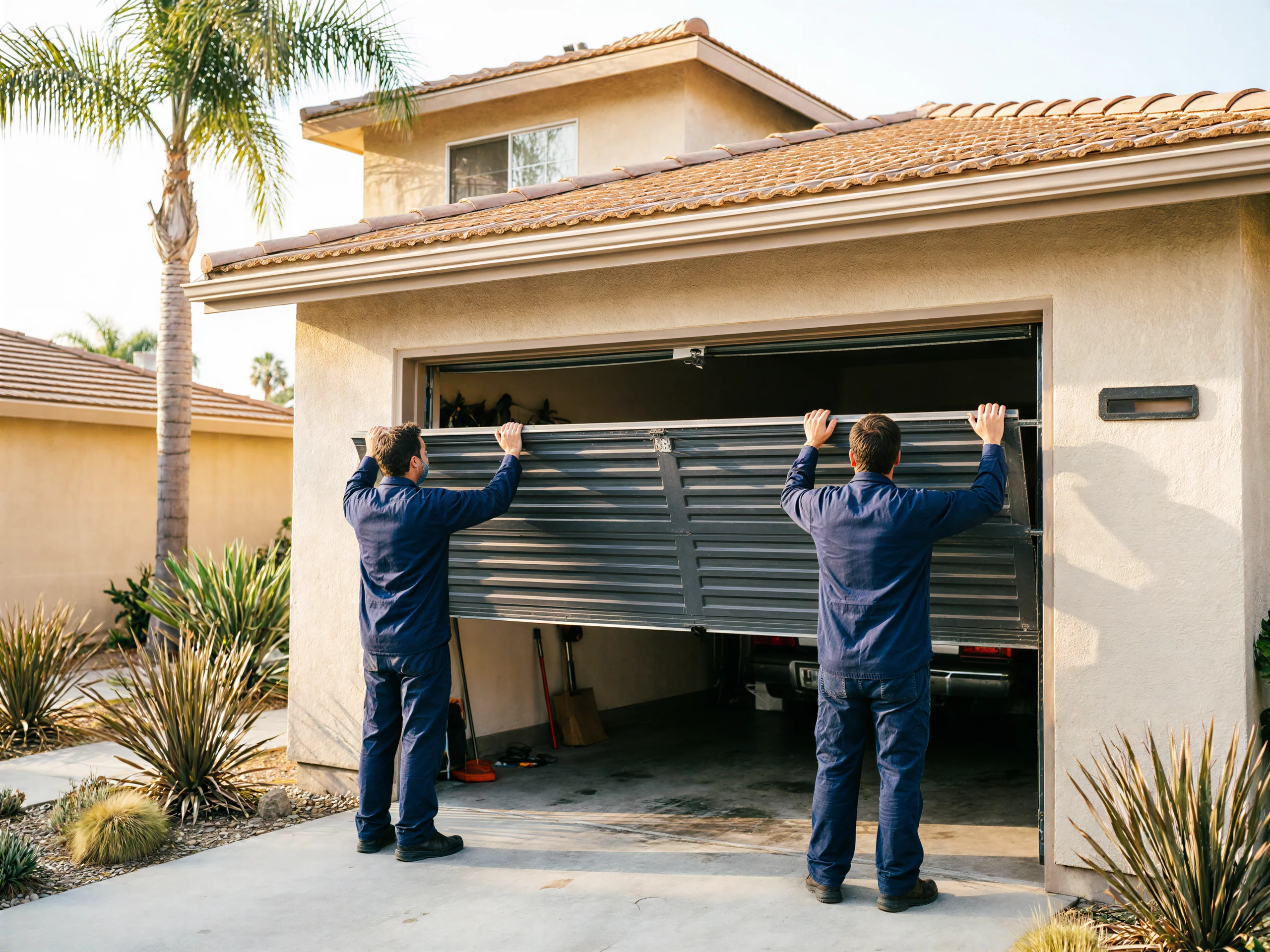
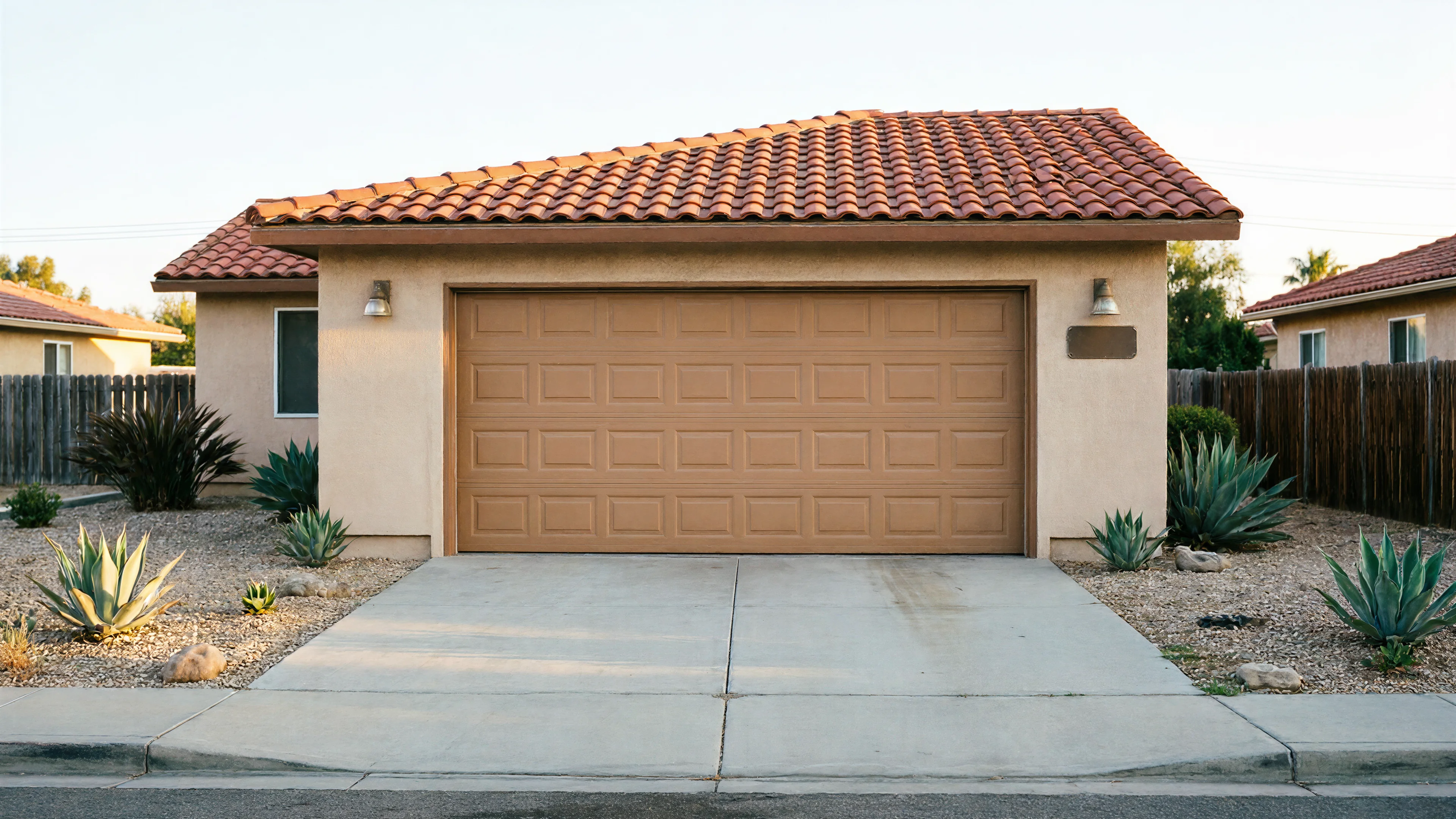
For a straight installation, we pull the old door and track, check the opening for square, and set new jamb brackets if the old ones are rusted or out of plumb - common on a door this age near the coast.
Size to actual opening
We size the new door to the existing opening rather than assuming a standard width, because additions and remodels over 40-plus years of a house's life change openings more than people expect.
Spring sized to weight
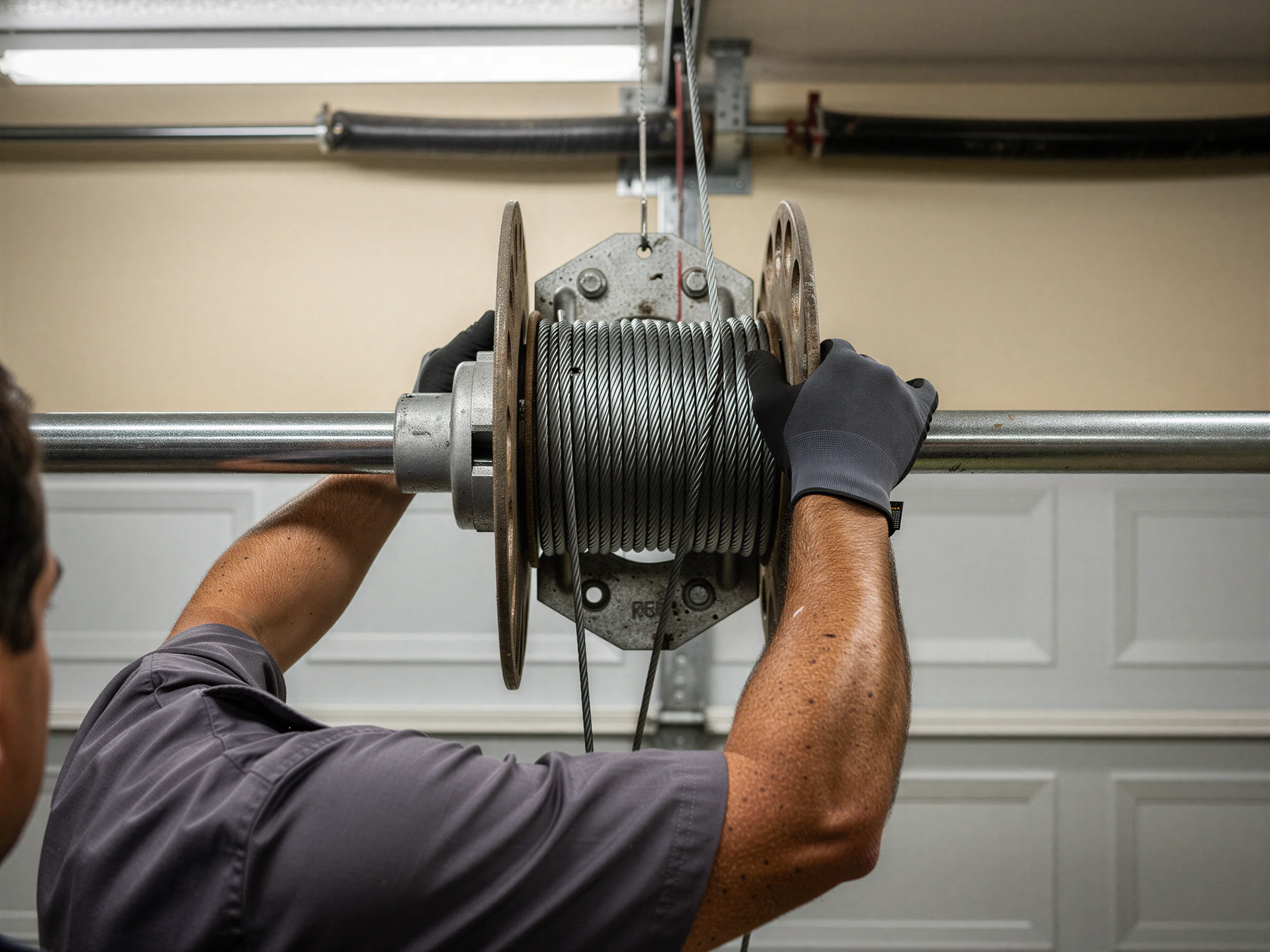
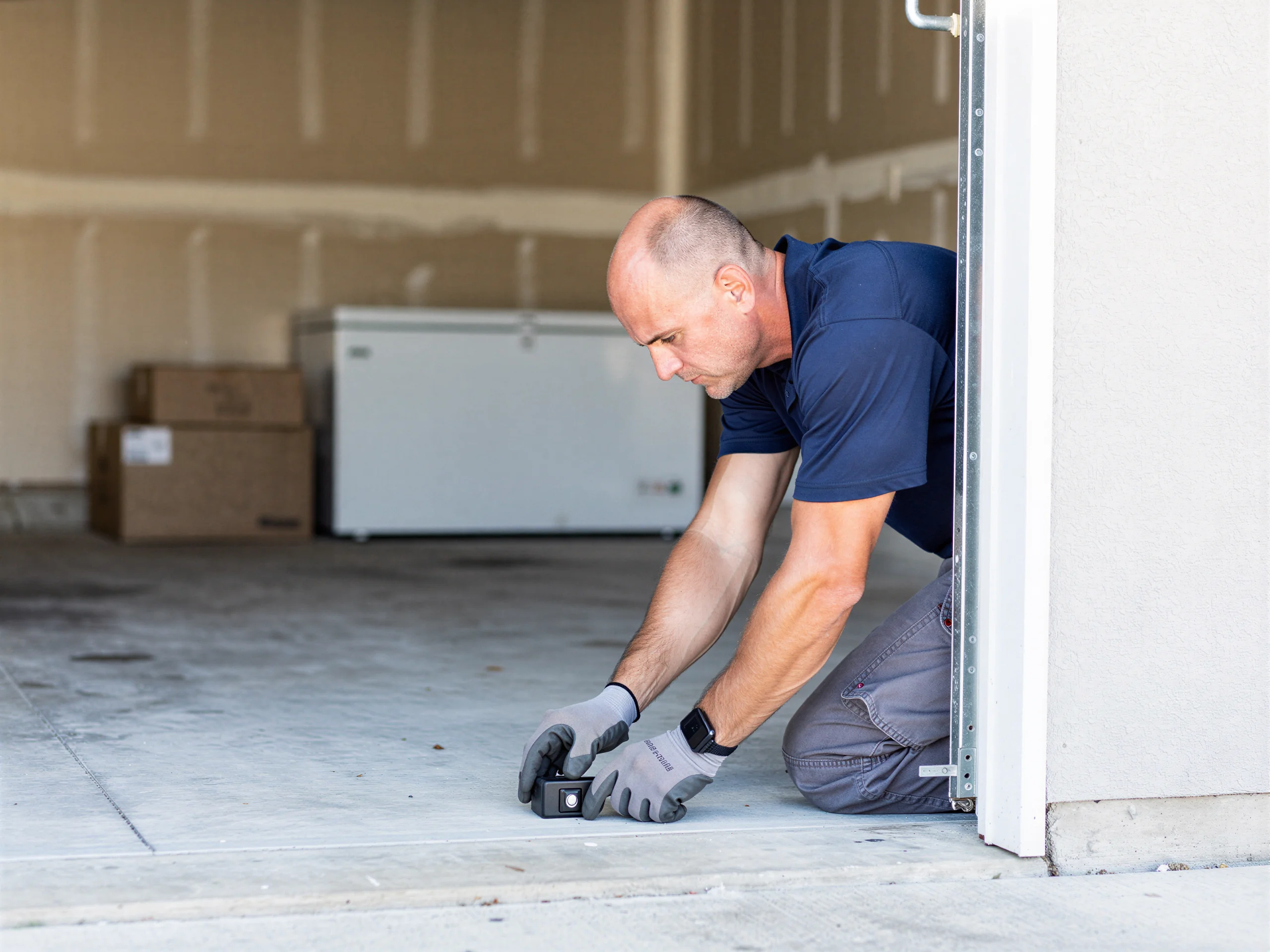
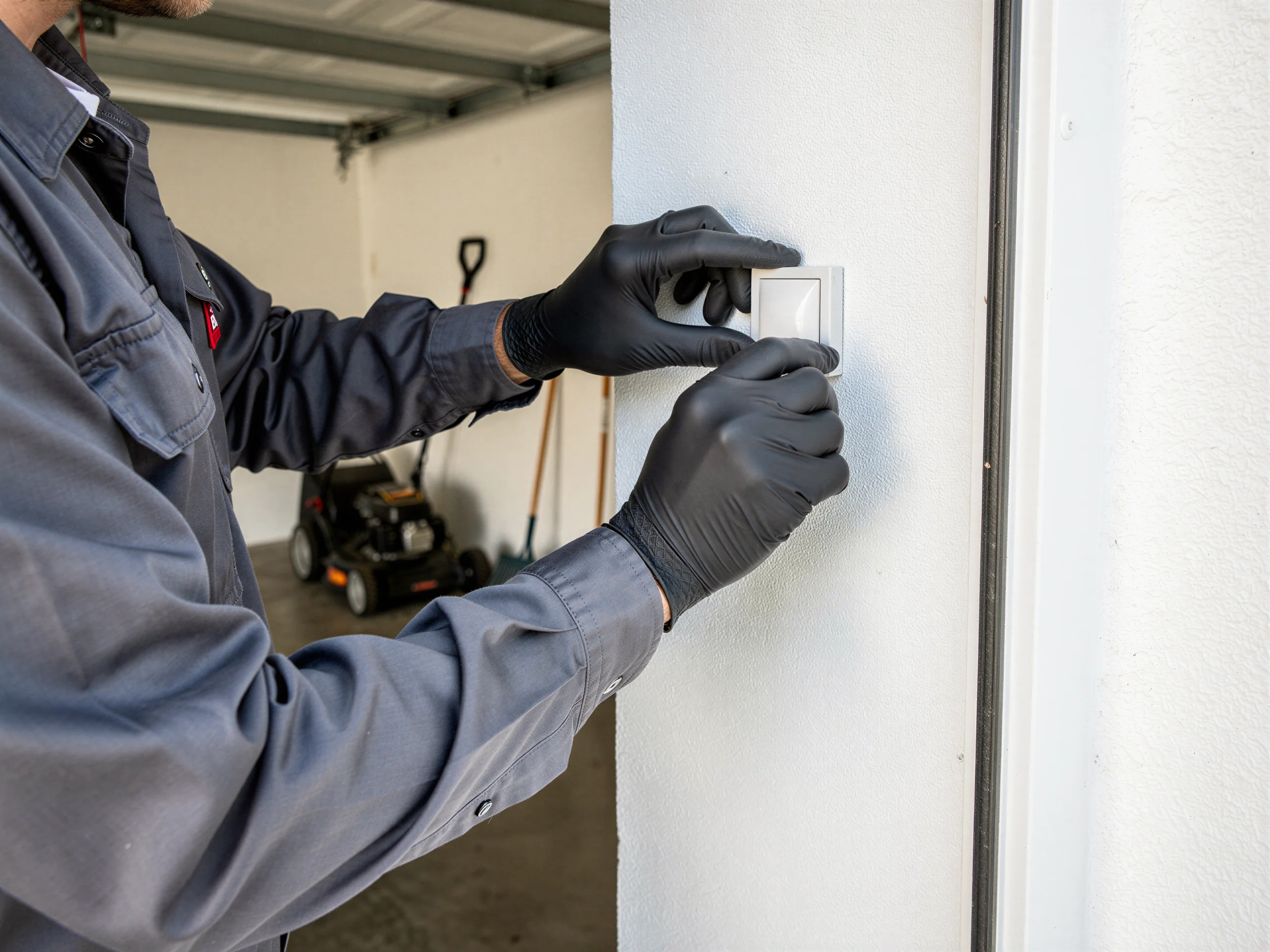
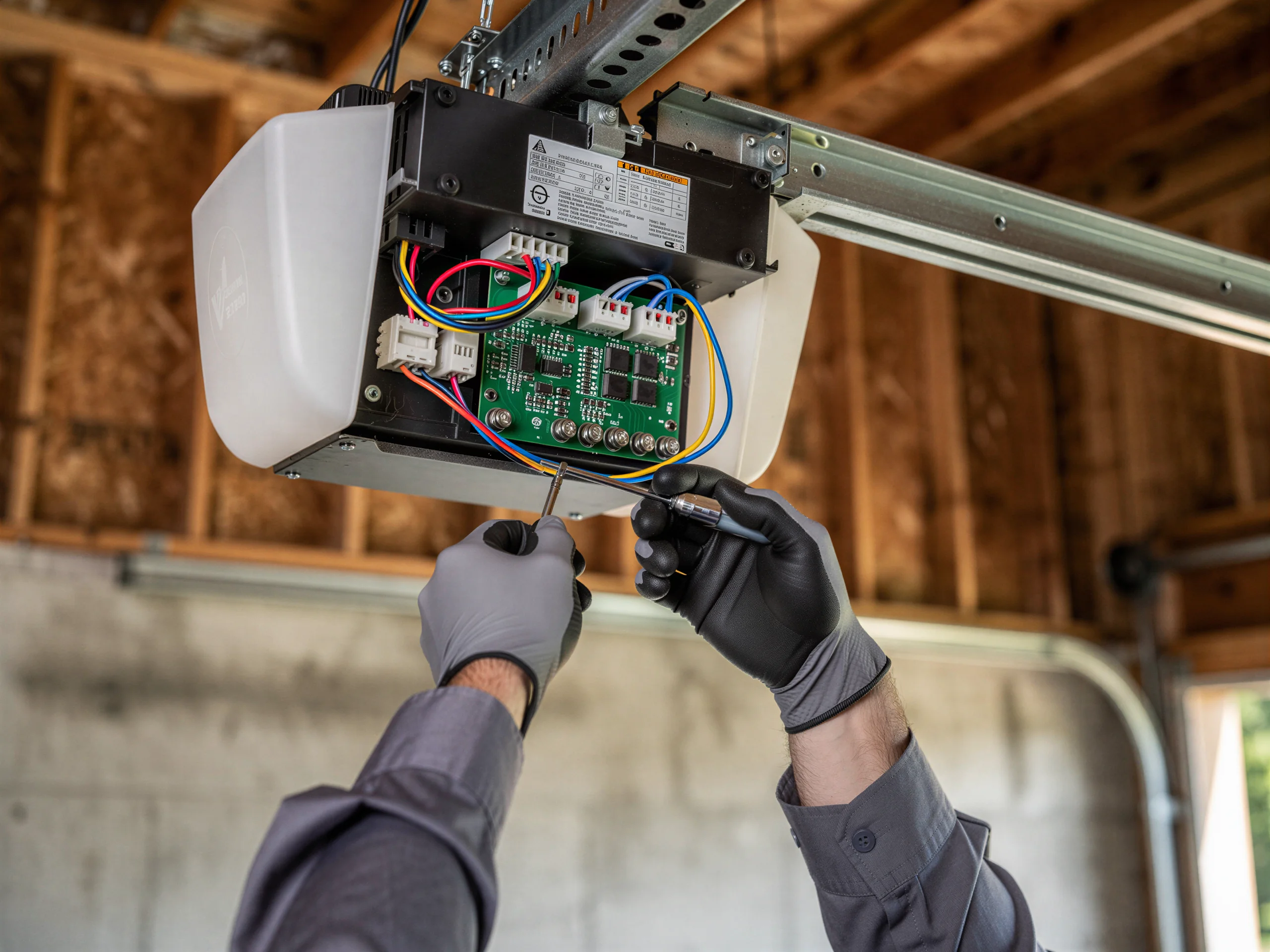
Spring sizing is calculated to the actual door weight, not guessed from a chart, since insulated doors and steel-and-wood composite doors carry very different loads. We set the opener's travel limits and force settings on install, not left at factory default, and we test the auto-reverse safety feature before we leave.
Out-of-square header limits
One limitation worth saying plainly: if the opening itself is out of square or the header's compromised, that's carpentry work beyond a door swap, and we'll tell you that up front rather than force a door into a bad frame.
What Is on the Truck
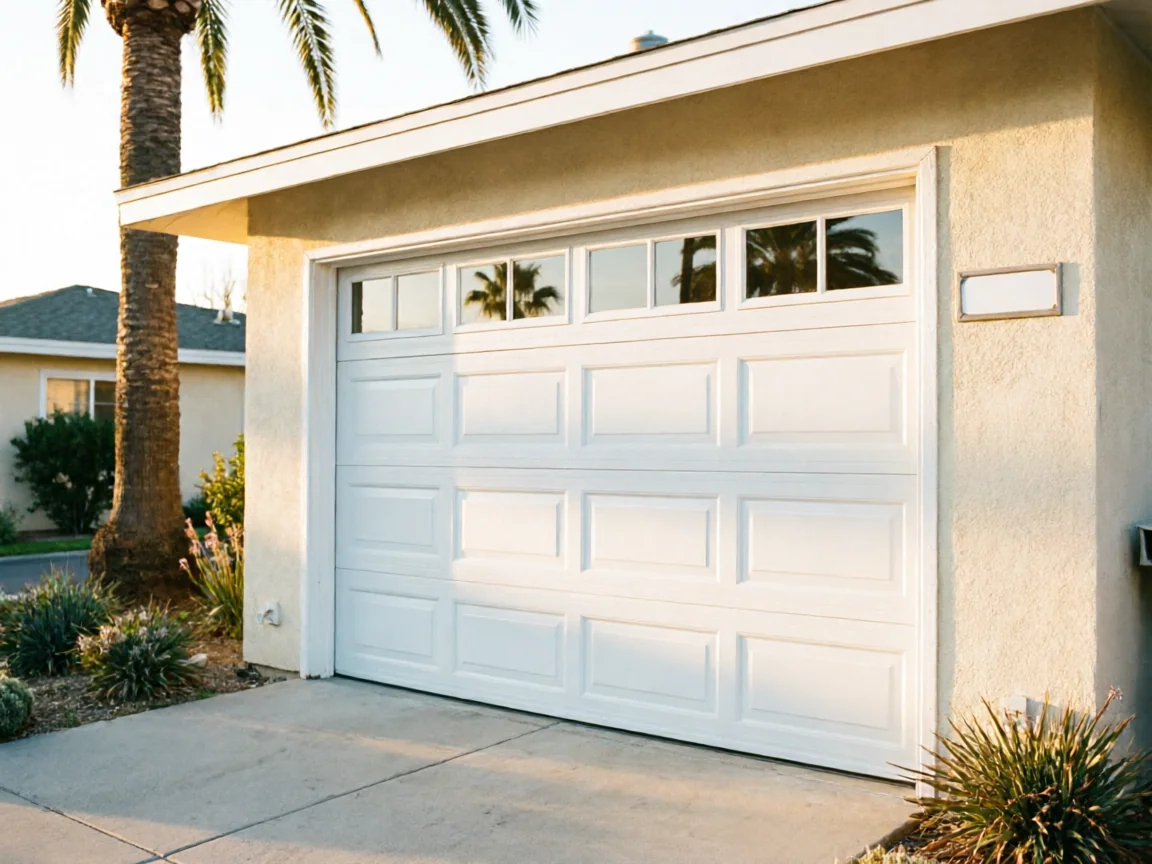
For a Marina installation we bring steel sectional doors in standard widths, insulated and non-insulated options, galvanized torsion and extension springs sized to common residential door weights, and openers with modern safety reversal built in. We carry weatherstrip and bottom seals rated for coastal moisture exposure, since the area's climate pushes more humidity into garage framing than homes further inland get. Track, rollers, and standard hardware kits come standard on the truck for the swap itself. What we don't carry as standard stock: custom wood doors, oversized commercial-grade openers, or anything requiring special-order glazing - those get ordered ahead once we've confirmed the spec at your home, which means a short lead time on anything outside the standard residential range.
The Complications
The most common complication on a Marina install isn't the door, it's the opening. A house built around 1980 has usually had at least one remodel by now, and we sometimes find the header isn't sized for the spring force a modern insulated door needs, or the slab has settled enough that the opening's out of square by more than standard shims can fix. Salt air corrosion on steel jamb brackets is the other recurring issue - brackets that look fine from three feet away sometimes crumble when we put a wrench to them. Either of those adds time and sometimes a materials cost we didn't quote on the phone, which is why we look at the opening in person before locking in a final number rather than pricing blind over a photo.
The Cost of This Job
Marina's median household income sits at $88,518, lower than Salinas and most of the surrounding service area. That number matters more than it sounds like it should, because it's where the repair-or-replace math tips.
Third-of-cost replacement rule
On a door with a cracked panel or a worn-out opener, if the repair bill climbs past roughly a third of what a new standard steel door costs installed, we're usually telling Marina homeowners to replace rather than keep feeding an old unit.
Tight math at income
At this income level, that math runs tighter than it does in wealthier pockets of the service area - a $600 repair on a door that's going to need another $600 repair in two years isn't a good trade.
Quote both options
We quote both options every time so you can see the number yourself instead of taking our word for it. We don't install pulling permits out of the air or quote a price before we've looked at the opening; what we can tell you now is that the comparison is the first thing we run, not an afterthought.
Why It Happens Here
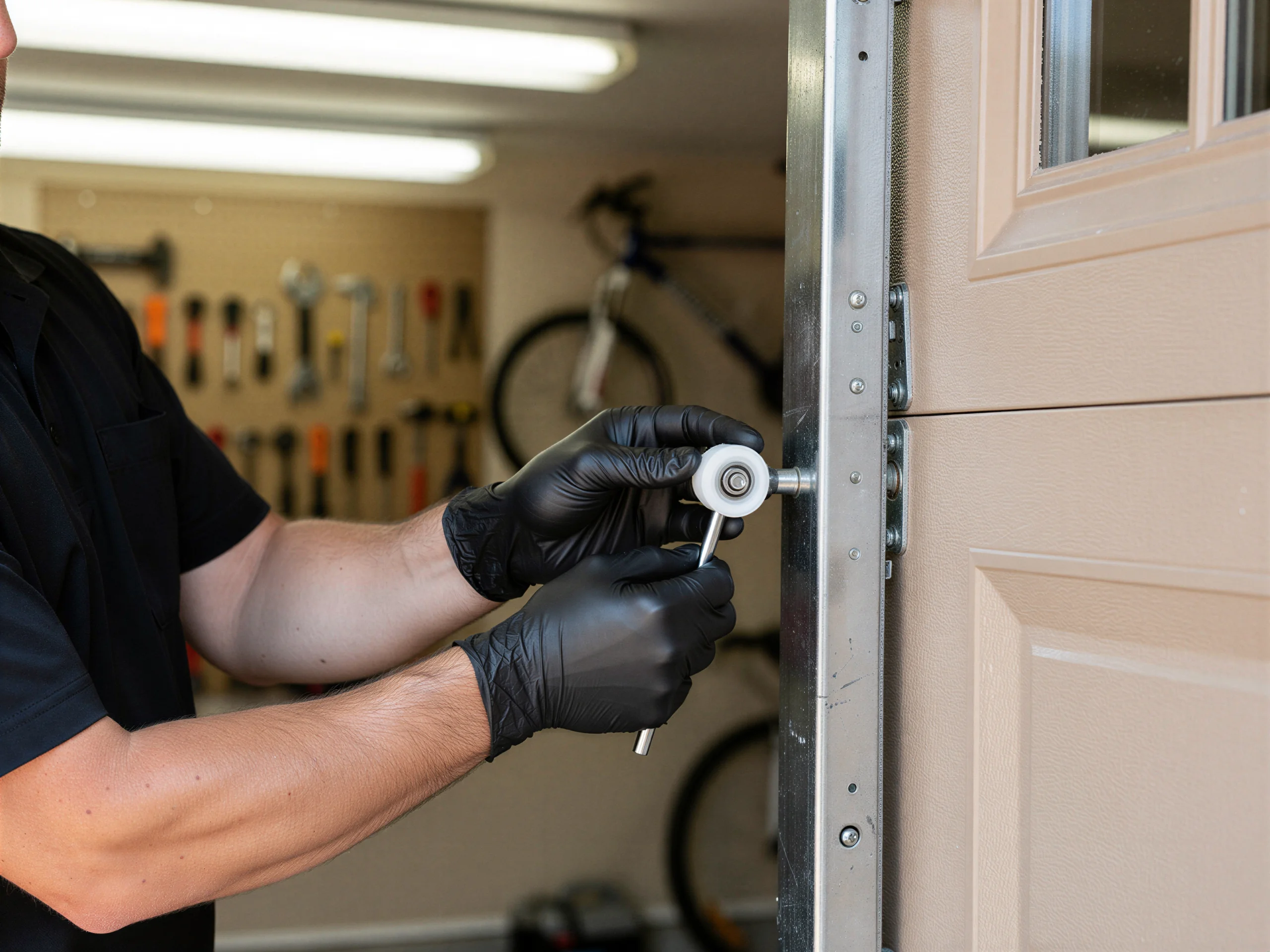
Marina's housing stock runs younger than a lot of the Salinas-area suburbs - median year built here is around 1980, compared to the wider service area's 1946 to 2002 spread with a 1976 median. That means most Marina garage doors are late-model steel sectional doors on standard extension or torsion spring setups, not the older one-piece doors or oddball side hardware you find in the pre-1960s pockets closer to the coast. The failures we see here are what you'd expect from a 40-plus-year-old door: worn rollers, a spring that's outlived its cycle count, an opener from the era before modern safety reversal. It's not exotic hardware trouble, it's just age catching up with a door that was built for a different climate expectation. With the area's mild temperate climate, salt air off the bay does more damage to unprotected steel and hardware here than inland heat would, so corrosion on tracks and bottom brackets shows up before you'd expect it on a door this age.
Talk to a local pro
Garage door service in Salinas?
Same-day service with honest, upfront quotes.