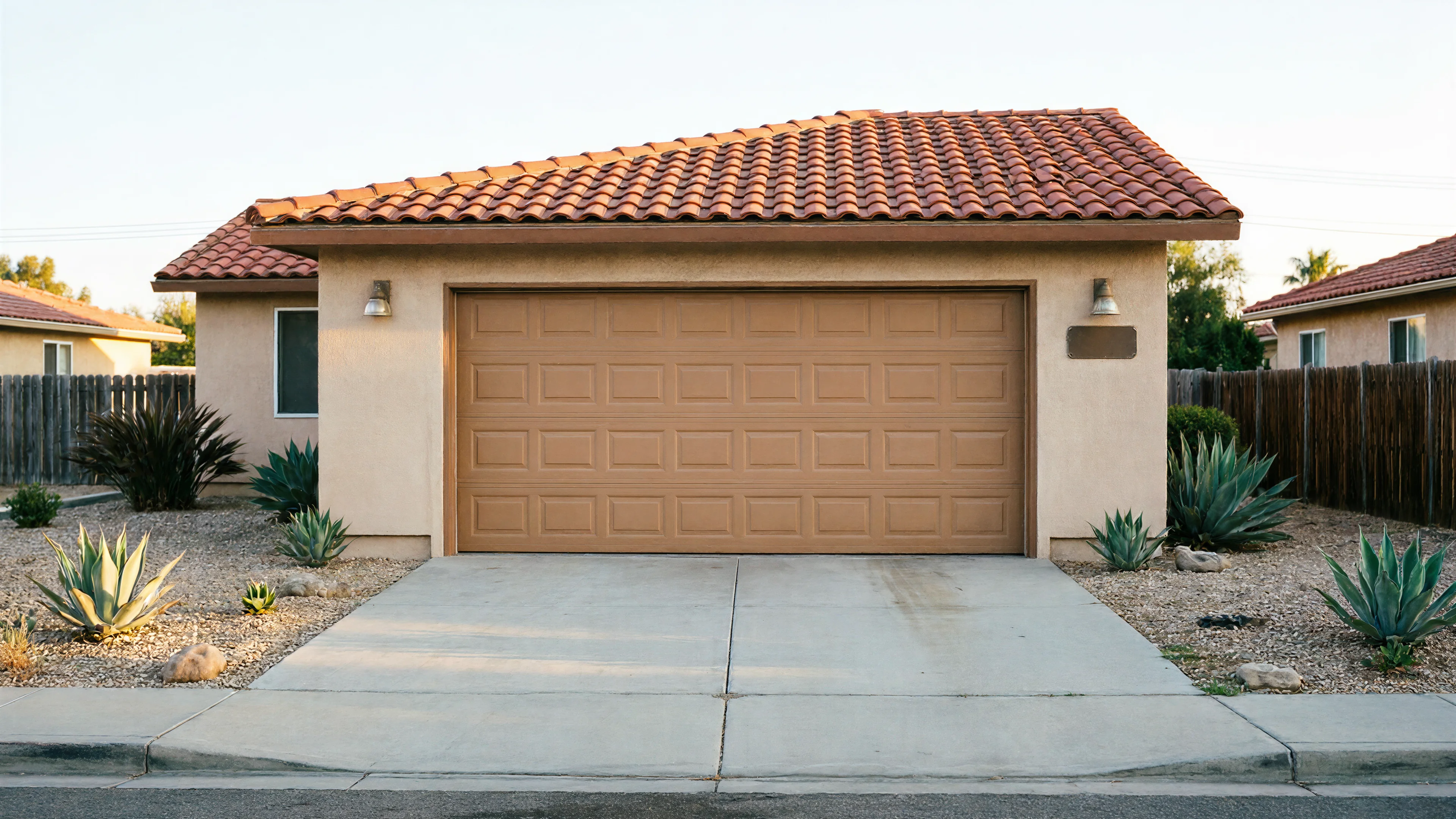
How We Fix It
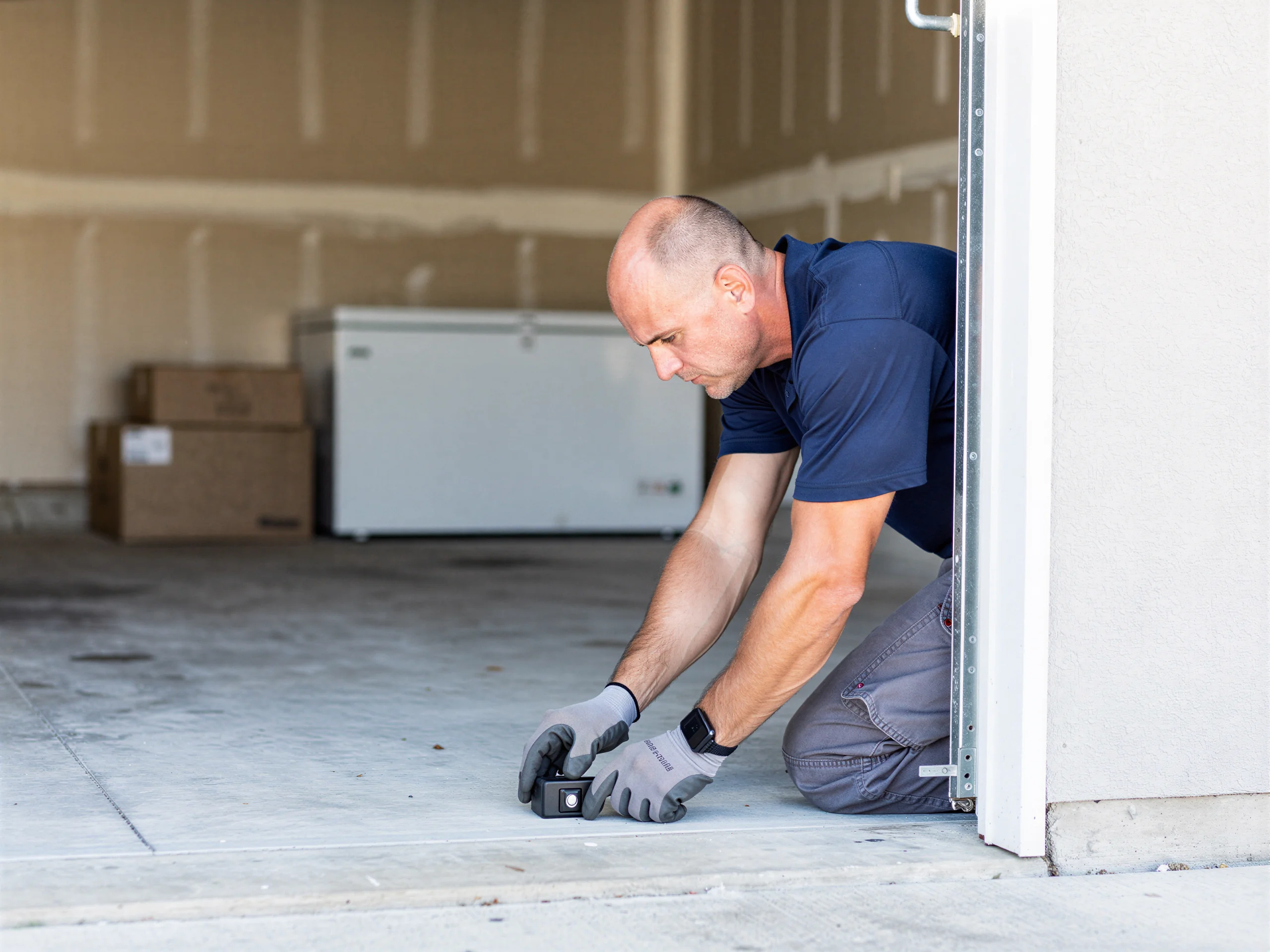
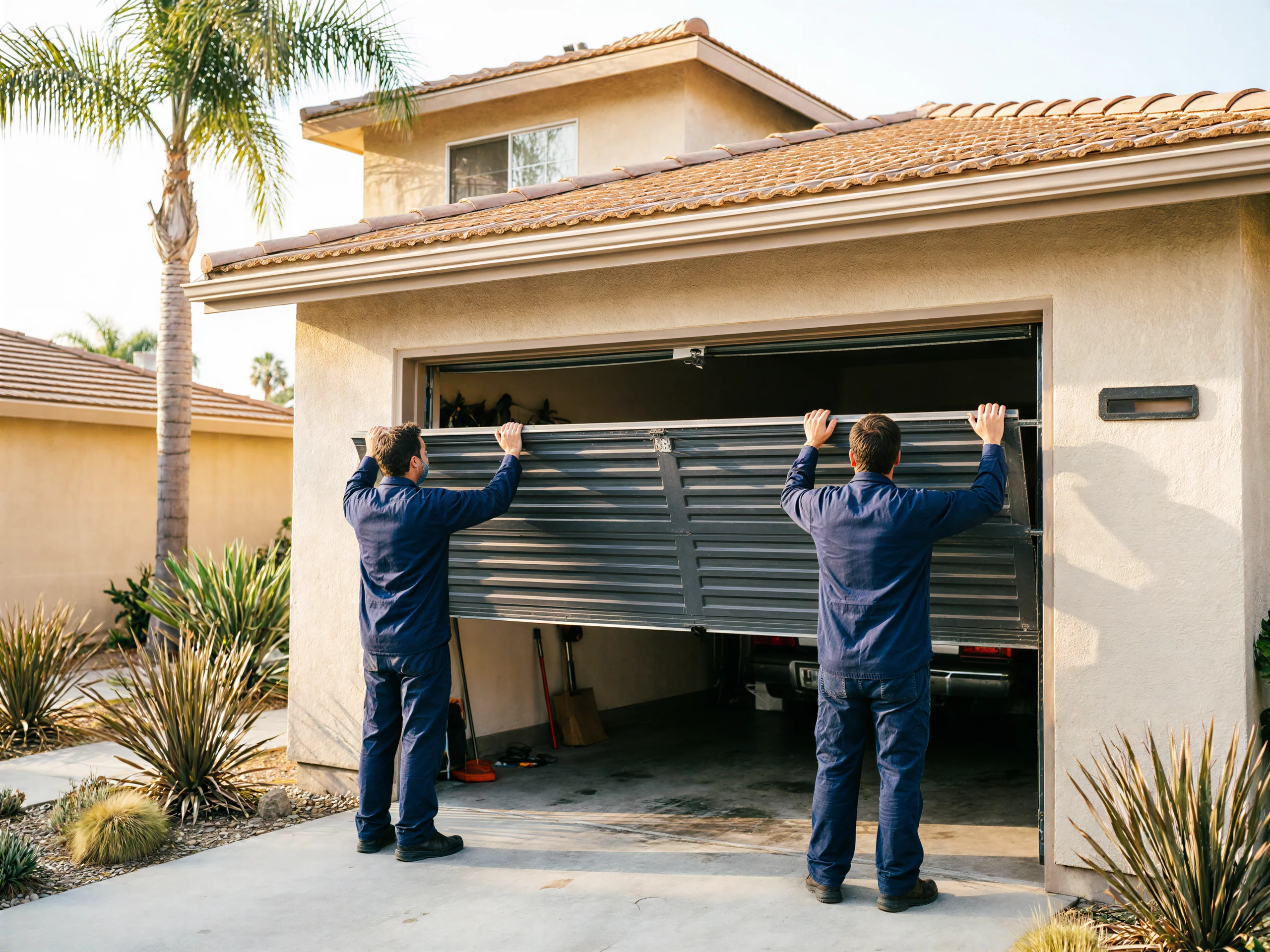
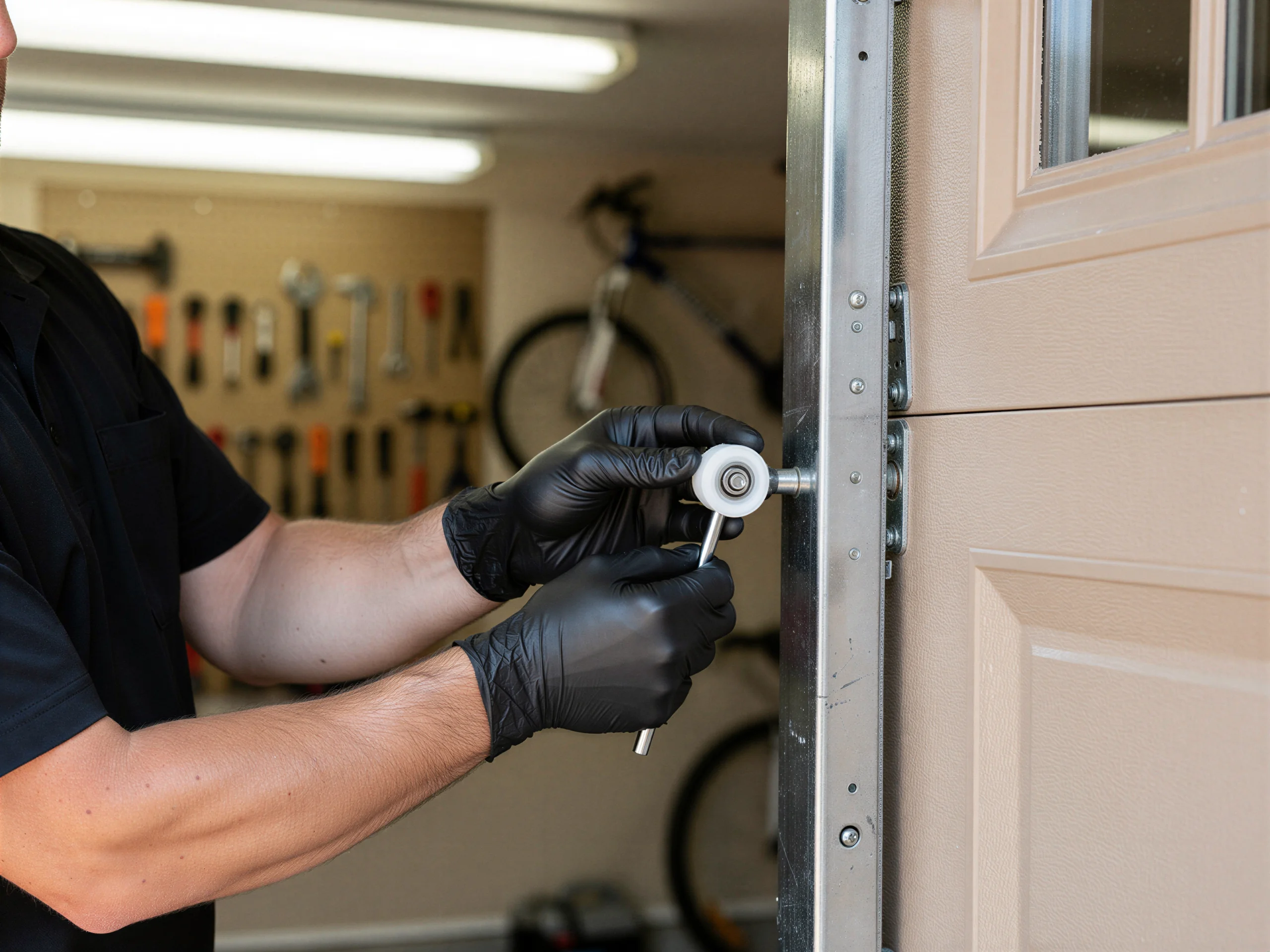
First we run the door manually to confirm the opener, not the spring or track, is the actual problem - no point replacing a motor if a seized roller is doing the real damage.
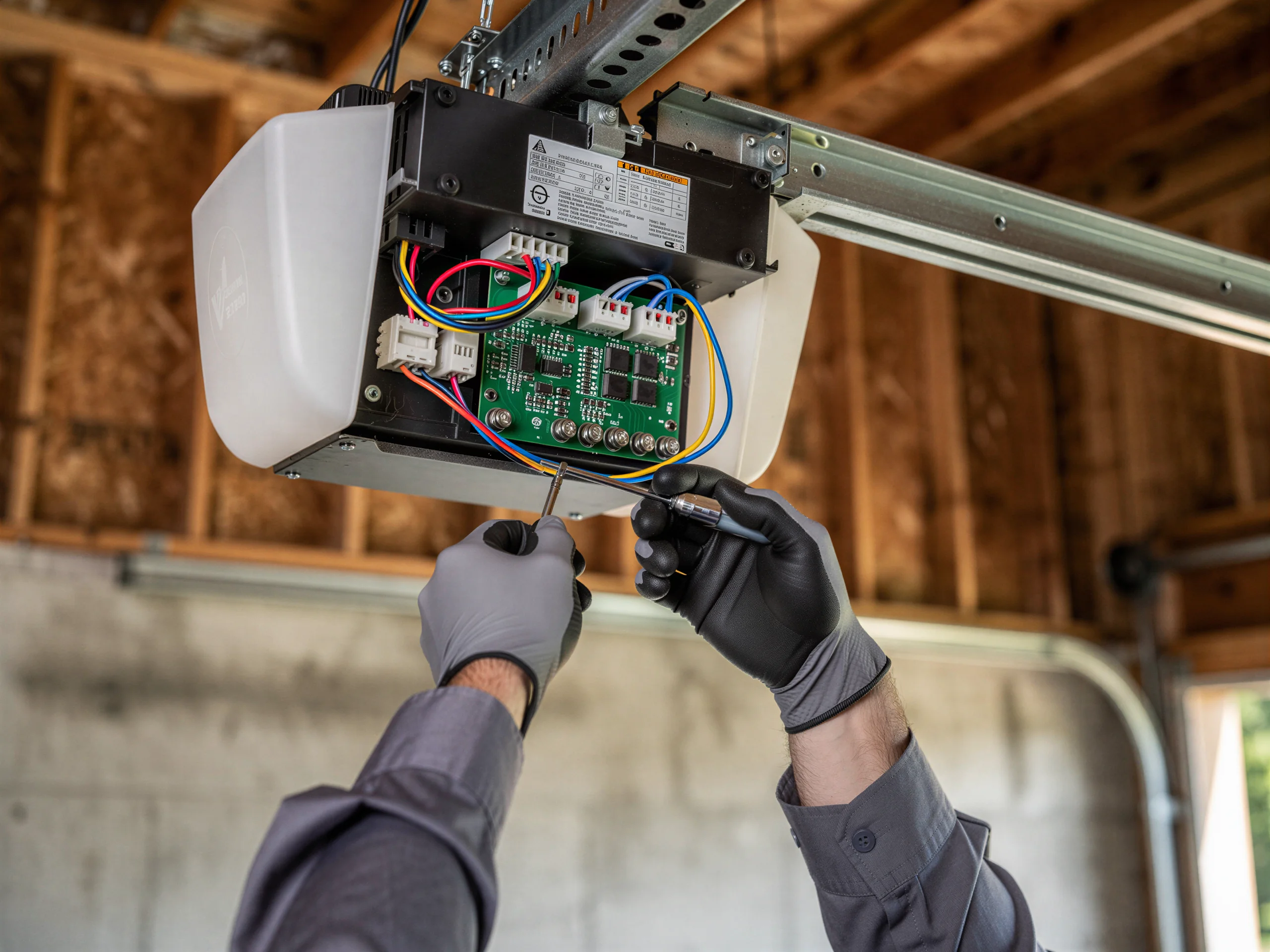
Testing capacitor and logic board
From there it's diagnostic, not guesswork: test the capacitor, check the logic board for dry solder joints, pull the chain cover and look at sprocket wear. If the unit's original to a 1980-built house, we'll be upfront that some parts simply aren't made anymore, and a same-era kit swap can only go so far.
Common fixes stocked on truck
For most Marina jobs the fix is a drive gear kit, a new capacitor, or a limit switch adjustment - all things we carry. When the motor housing itself is cracked or the board is fried past a reasonable fix, we'll talk replacement instead of chasing parts for a unit older than the warranty on most cars.
What Is on the Truck
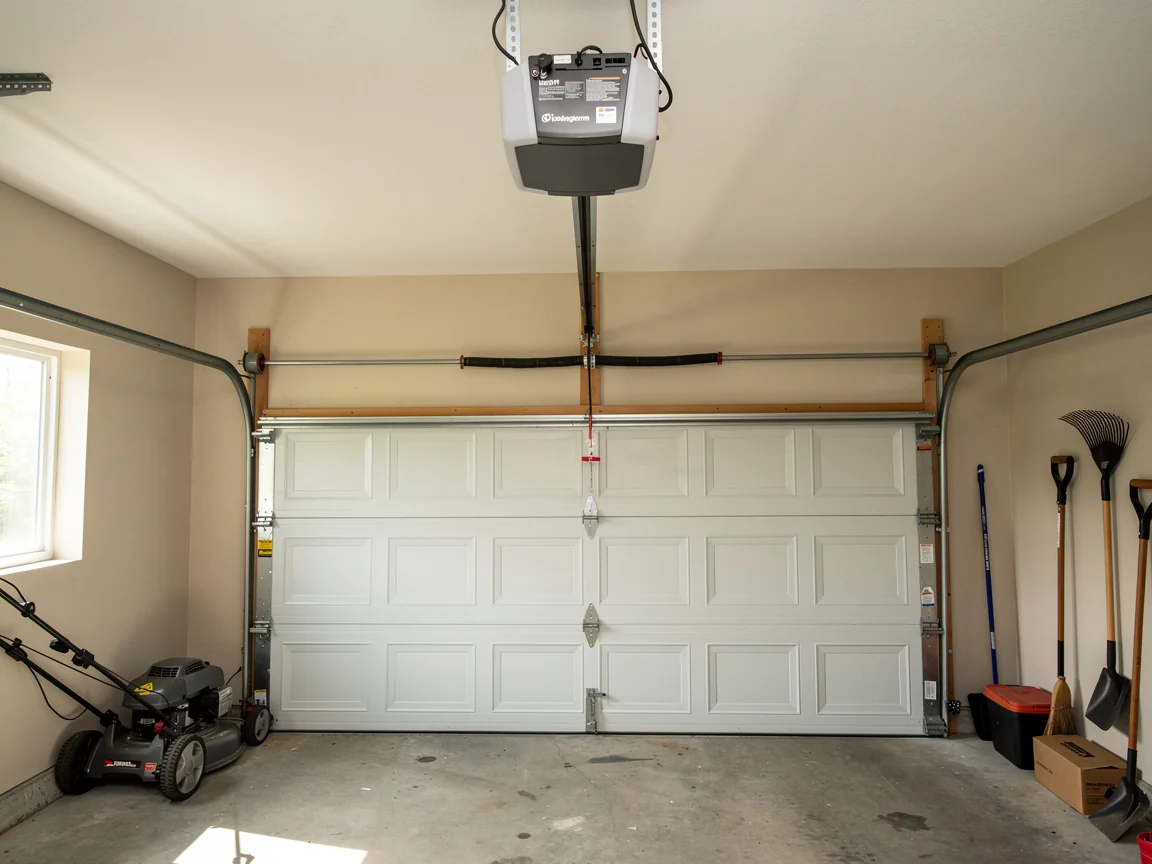
Because so much of Marina's opener stock dates to the same build window, we carry what that era actually needs: chain-drive gear and sprocket kits, standard run capacitors, limit switches, and the wiring harnesses that tend to crack at the connector after decades of sun and salt air. We also stock current belt-drive and screw-drive openers for anyone ready to retire a 1980s chain unit outright - quieter, less maintenance, and no more stretched chain to adjust every spring. What we don't carry is a replacement logic board for every obsolete motor model; some of those simply aren't manufactured anymore, and we'll say so rather than quote a part we can't get.
The Complications
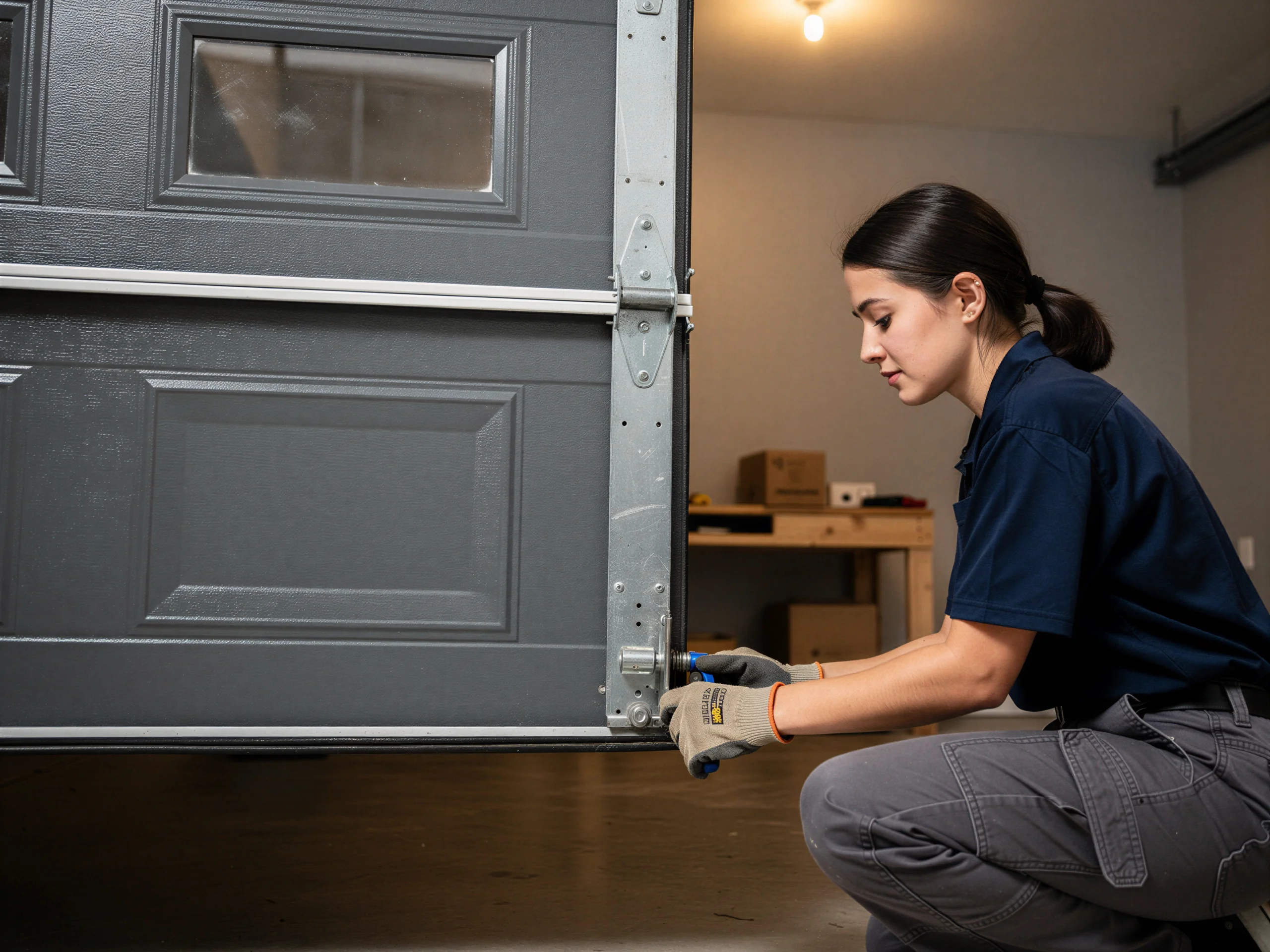
The complication in Marina is less about damage and more about age: a 7,953-household town with a median income of $88,518 has a lot of homeowners weighing a $150 repair against a $400-plus replacement, and that math changes once you know the unit is original to the house. If the opener is from the same 1980 wave as the house itself, repairing it keeps a nearly 45-year-old motor running on borrowed time - fine for some, not worth it for others. We'll also flag if the rail or mounting bracket has sagged with the ceiling framing over the years, because a new opener bolted to a tired bracket just inherits the same problem. What we won't do is sell you a board swap for a motor that's circling the end of its service life anyway.
The Cost of This Job
What you pay depends mostly on what's actually dead: a logic board, a drive gear, or the whole unit. Marina's housing stock has a median build year of 1980, which means a lot of these homes are still running their second or even first opener - units that were already old when newer suburbs were tearing theirs out. A gear-and-sprocket kit on a chain-drive unit from that era is a cheaper fix than it sounds. A dead control board on a unit that old usually isn't worth sourcing a part for, because the board itself is out of production and a universal replacement rarely plays nice with the original motor housing. We'll tell you straight when a $40 part makes sense and when it doesn't. We travel to Marina from Salinas, about 9 miles out, so the visit itself doesn't carry extra weight in the bill - what costs money is the part, not the drive.
Why It Happens Here
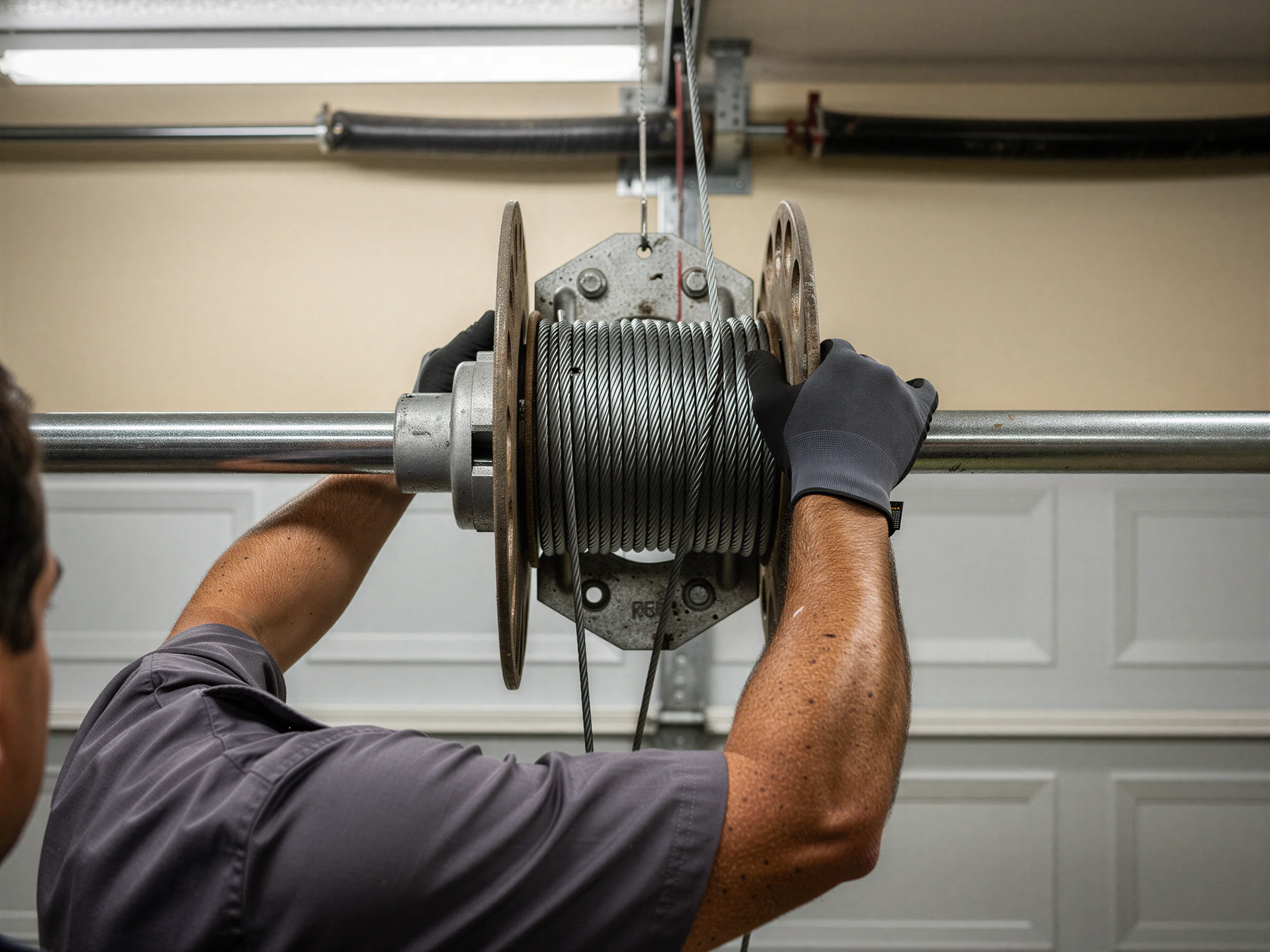
A door built around 1980 was almost always paired with a chain-drive opener on a steel I-beam rail, mounted to wood framing that's now over four decades old. Those motors ran standard-duty gear sets designed for maybe 10,000 cycles a year - fine for the original owner, rough on whoever inherited the house. Marina sits in the same mild temperate band as the rest of this coastal service area, so you're not fighting the attic heat that cooks openers in inland towns, but damp salt air still works on steel gears, limit switch contacts, and drive chains at a slow, steady pace. The failure you see most isn't burnout, it's wear: a sprocket that's lost its teeth, a chain that's stretched past adjustment, or a capacitor that finally gives up after thirty-plus years of cycling.
Talk to a local pro
Garage door service in Salinas?
Same-day service with honest, upfront quotes.