How We Fix It
We start by figuring out which era of hardware we're actually looking at - extension springs original to an early-80s build, or a torsion conversion added later.
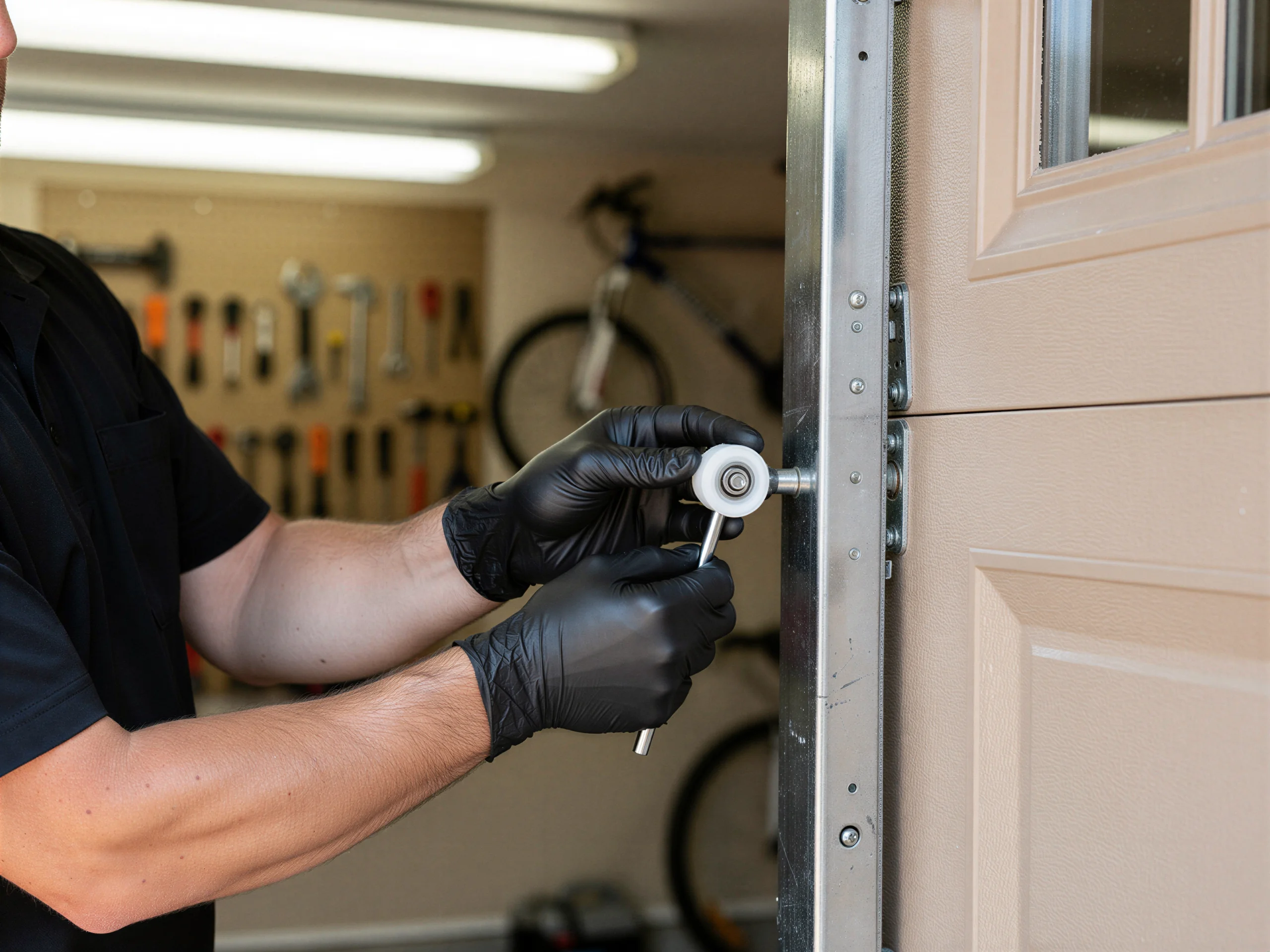
Matched spring pairs
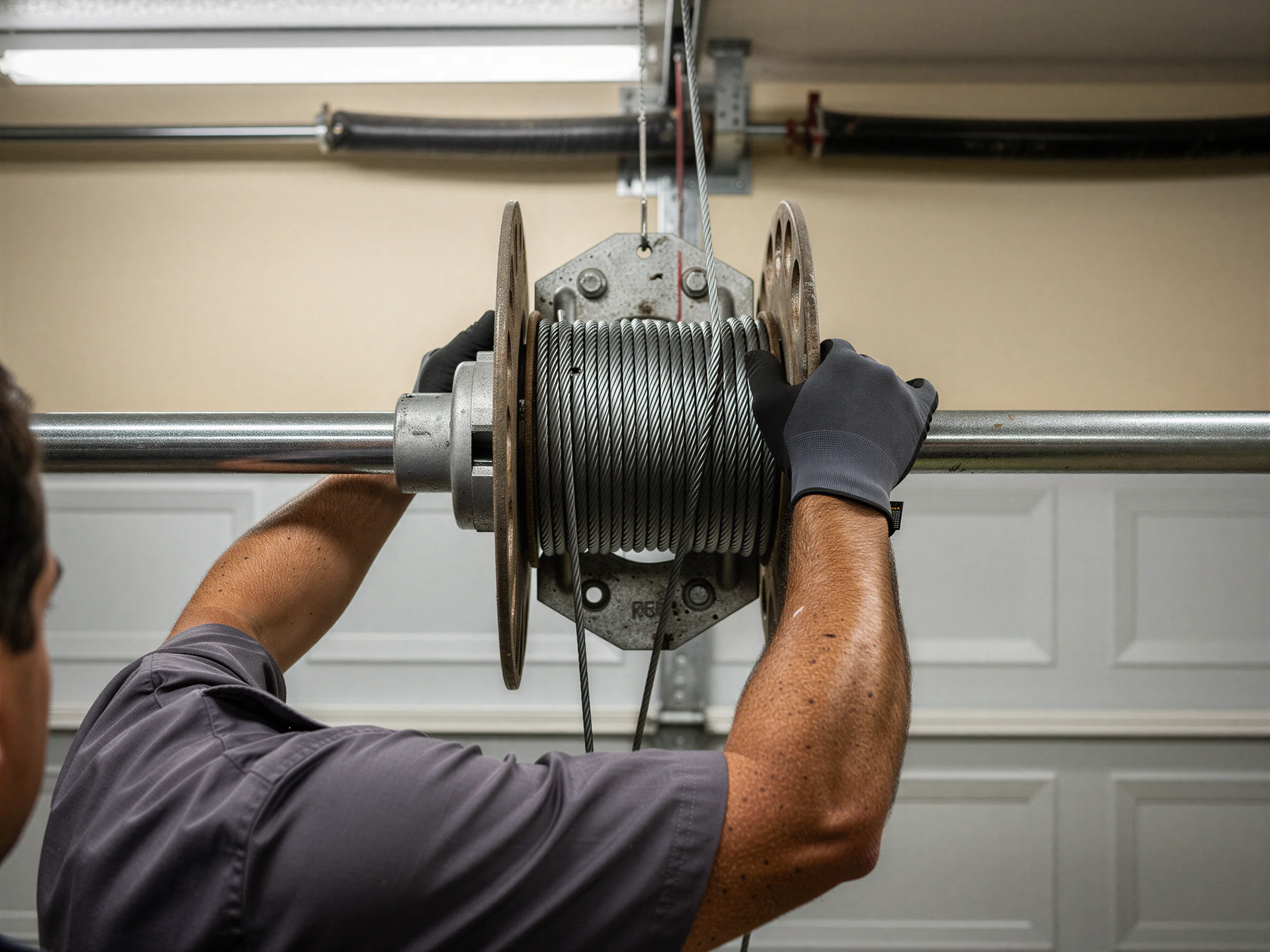
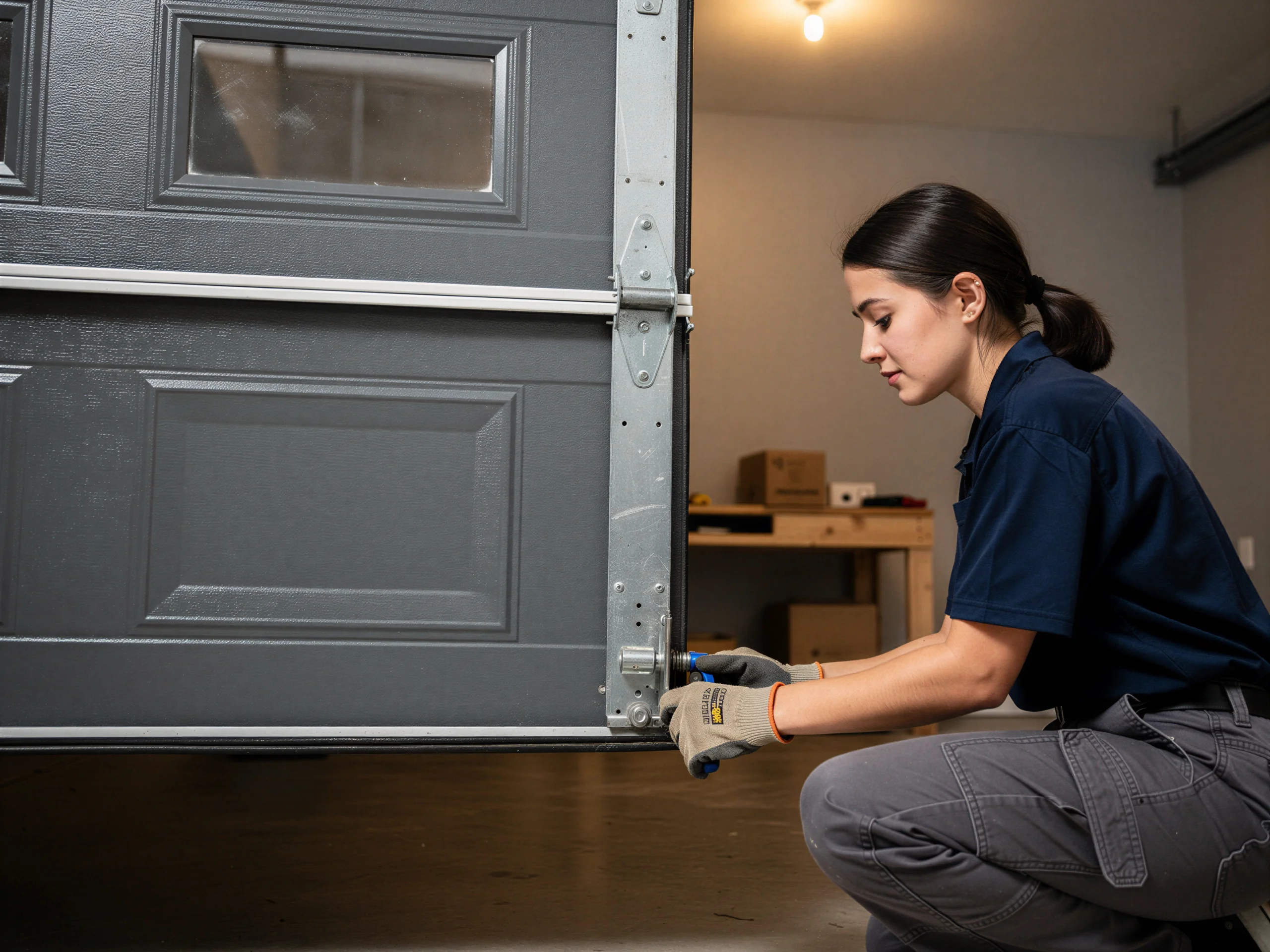
Those two setups get fixed differently, and guessing wrong wastes a trip. Once we know what's on the door, the repair is straightforward: matched spring replacement (never just the broken one - the other side is on the same clock), cable swap if the drums or cable ends show wear, and a full track and roller check since a door that's been limping along on bad springs often beats up its rollers in the process.
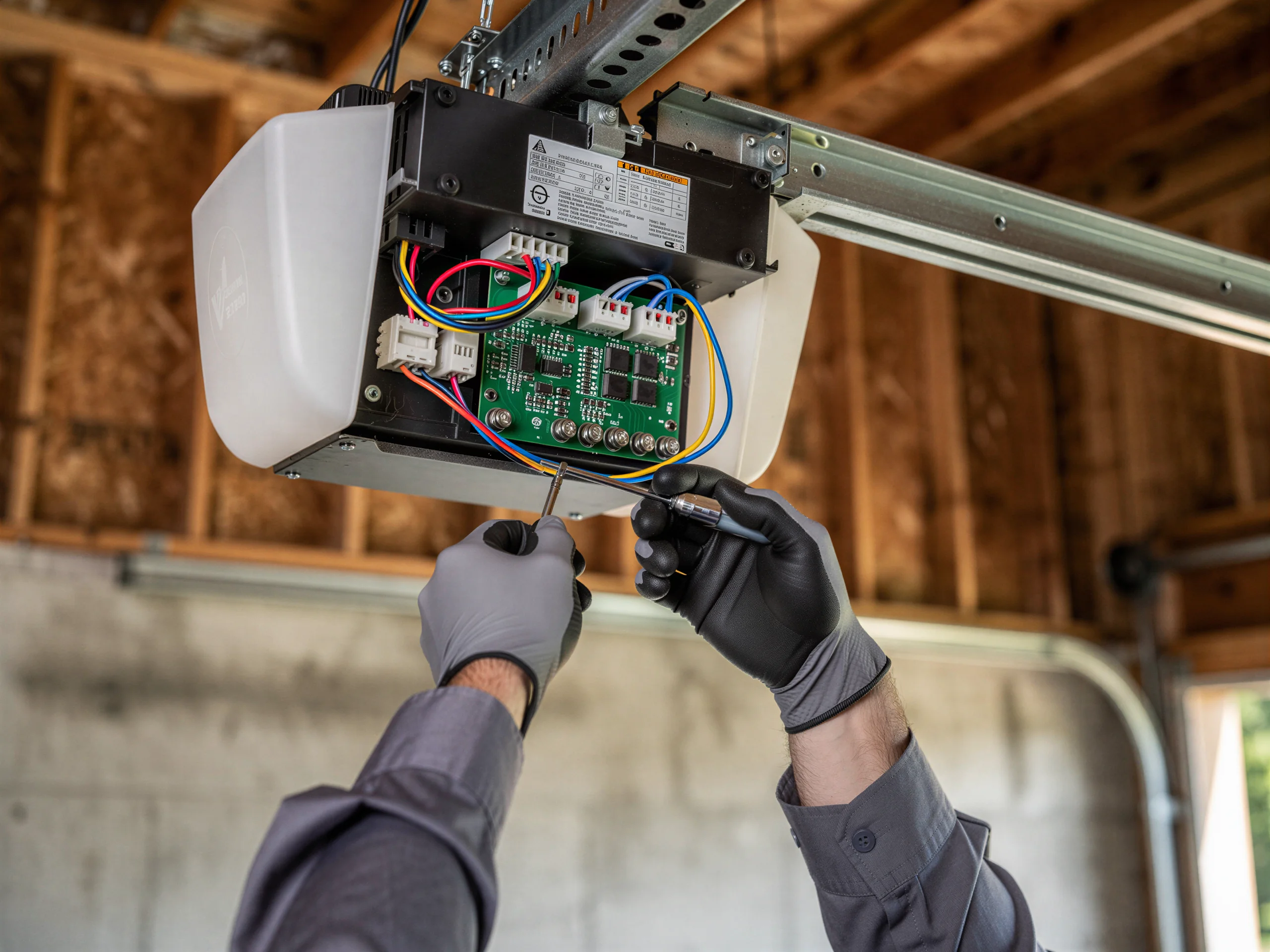
Opener checked with hardware
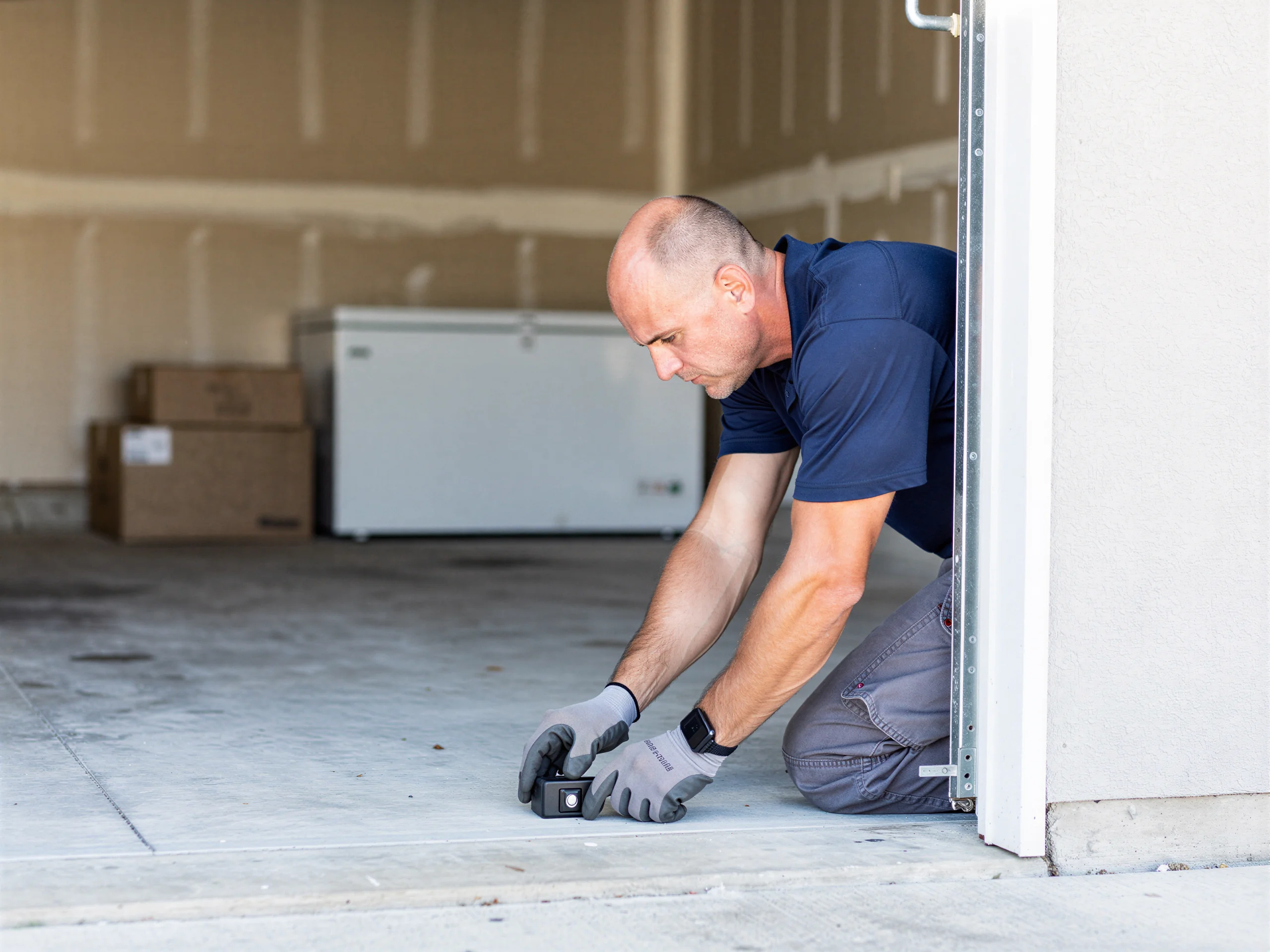
If the opener is original to the house, it's pushing forty-plus years old at this point, and we'll check it alongside the door hardware rather than treat them as separate problems. A door that's hard to lift by hand will burn out a motor fast if nobody addresses the springs first.
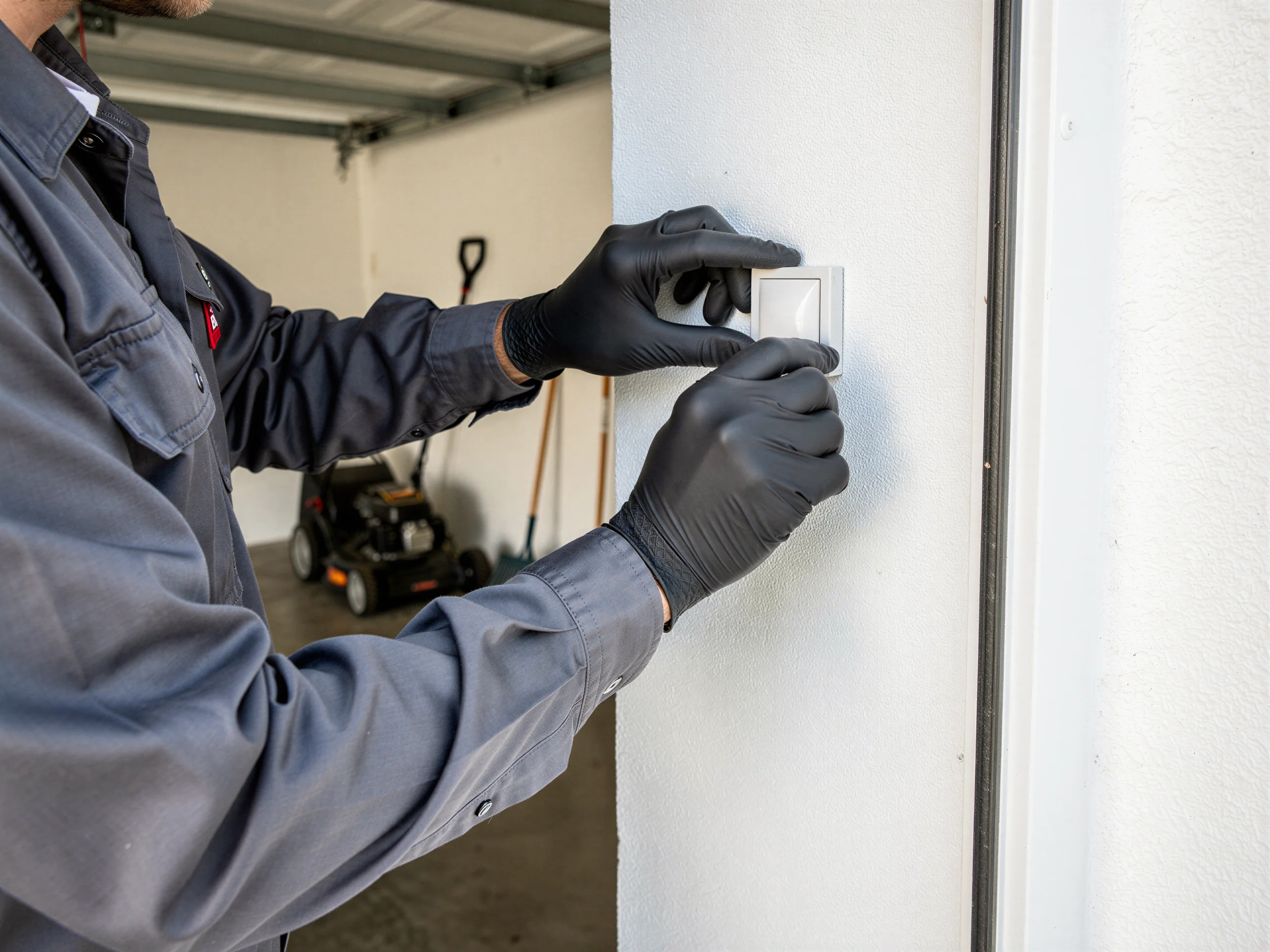
Waist height balance test
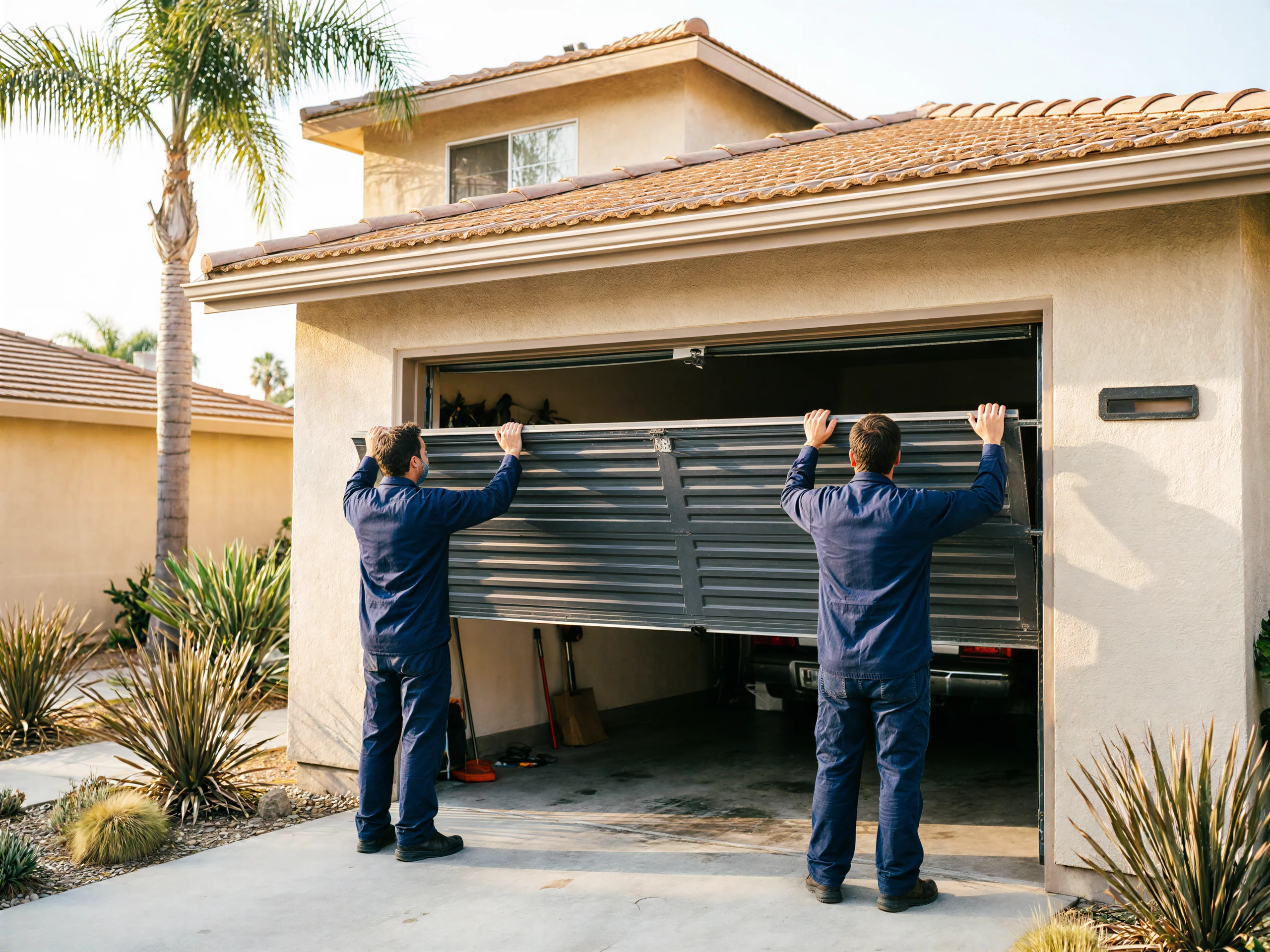
We test the balance by hand before we call the job done - a properly sprung door should hold position at waist height with the opener disconnected. If it doesn't, the job isn't finished yet, regardless of what the work order says.
What Is on the Truck
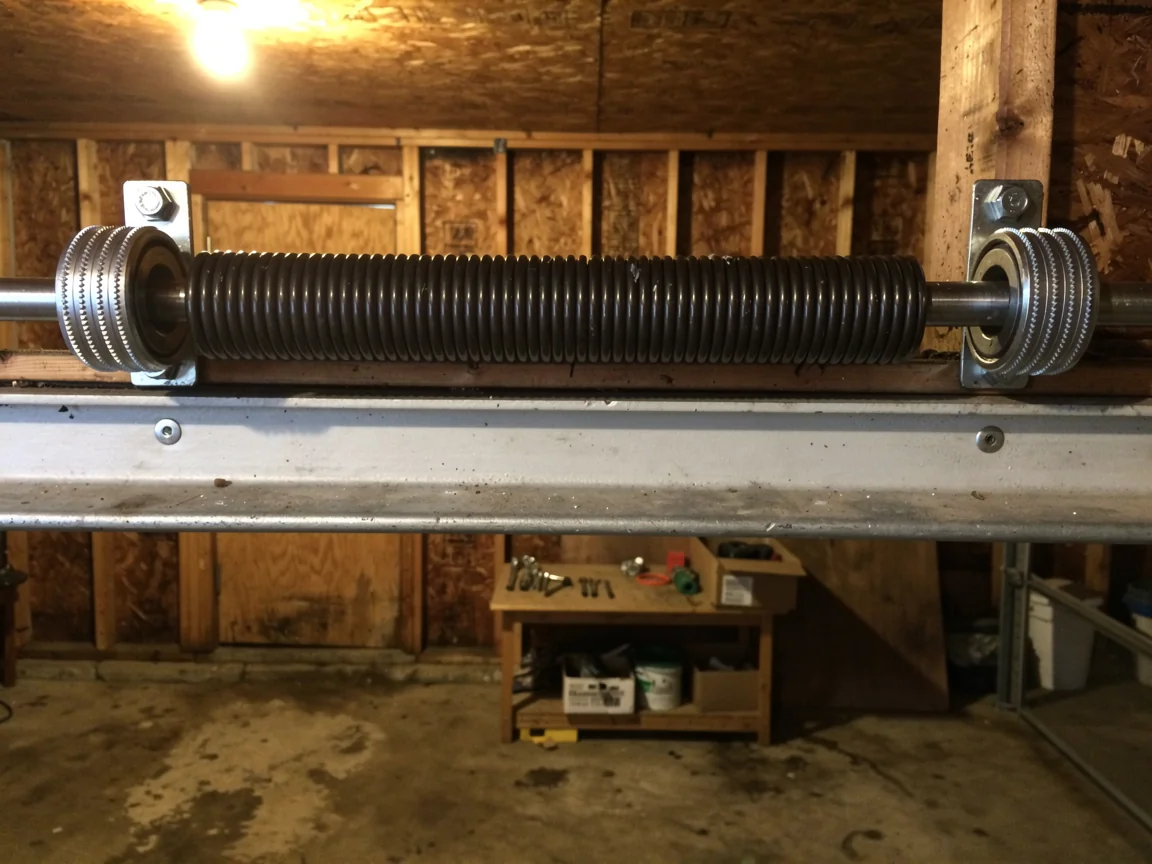
Given the age of Marina's housing stock, we carry extension spring sets in the common sizes for 1970s-80s sectional doors, not just torsion springs, because guessing a torsion-only truck is wrong here more often than it's right. We stock standard cable, drums, and the rollers that match that era's track width, along with the hinges and end bearings that wear out on a door that's been running twenty, thirty, or forty years on the original hardware.
What we don't carry is a wide stock of specialty or custom panel sizes - if a door needs a full panel replacement rather than a spring or cable job, that's often a special order with a lead time, and we'll tell you that up front rather than promise a same-visit fix we can't deliver. For a straightforward spring, cable, or roller repair, the truck's built for exactly the kind of door that's common in Marina.
The Complications
The biggest wrinkle on a Marina call is figuring out, before we arrive, whether we're dealing with original extension-spring hardware or a torsion conversion, since the fix and the parts differ.
Header hidden until onsite
We ask what we can over the phone, but the honest answer is we often don't know for certain until we're looking at the header above the door.
Spring repair masks failure
The other complication ties back to the income and age of the housing stock together: on a door old enough and worn enough, a spring repair sometimes just delays a bigger failure - a bent track or a cracked panel - by a few months.
Plain talk over callback
We'd rather say that plainly than replace a spring and have you call us back in the fall for something bigger. If a door is past the point where parts repair makes sense, we'll say so instead of running the meter on a fix that won't hold.
The Cost of This Job
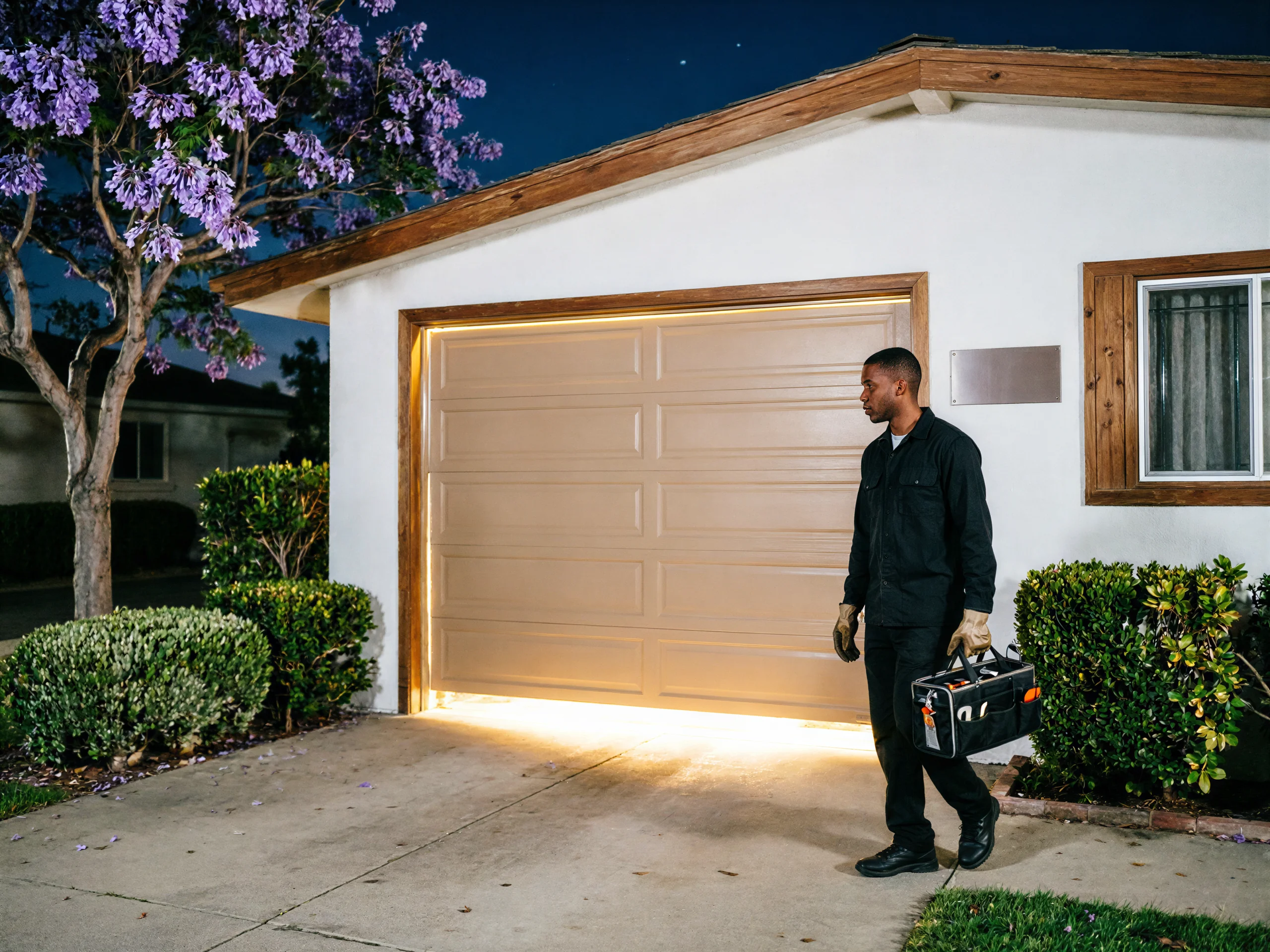
Marina sits nine miles from our Salinas shop, which is close enough that a same-day call still gets a full truck of parts rather than a stripped-down kit.
Travel priced into quote
The travel doesn't change the labor rate, but it does mean we build the drive into the quote before anyone loads a spring or a cable onto the truck. We're not quoting a Salinas job and hoping the math works out once we're on the road.
Income shifts repair math
Marina's median household income is $88,518, noticeably lower than the $105,568 average across our wider service area. That gap matters on this specific job because it changes the math between repair and replacement.
Repair buys years only
A lot of these doors are old enough that a repair buys a few more years, not a few more decades, and we'll tell you straight when that's the case instead of running up a bill on a door that's circling the drain. The job itself - spring, cable, roller, or opener - costs what it costs anywhere we work. What differs here is how often that honest conversation about repair-versus-replace actually needs to happen.
Why It Happens Here
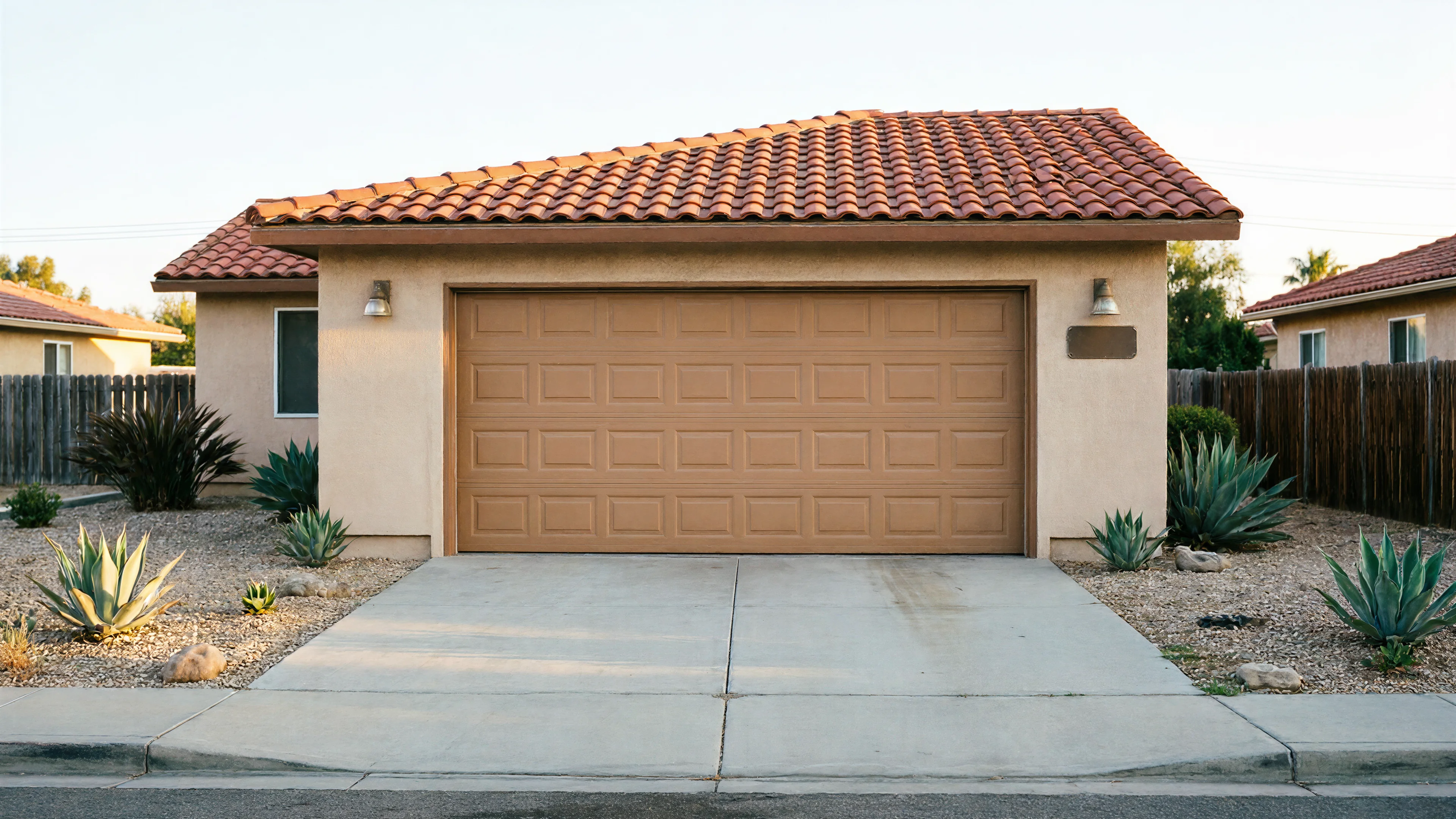
Most houses in Marina went up around 1980, which puts the town's garage doors squarely in the era when builders moved off heavy one-piece slab doors and onto sectional panel doors riding on extension springs instead of torsion bars. That hardware has a particular failure pattern: the extension springs stretch and sag years before they snap outright, and by the time a homeowner notices the door sticking halfway up, one spring is usually already gone and the other is close behind.
Across the broader service area, housing runs from 1946 to 2002 with a median build year of 1976, and most of the stock is 1960s-70s construction. Marina's 1980 median sits right at the tail end of that run, so you get a mix: some doors are original extension-spring setups from the build, others were swapped for torsion conversions somewhere along the way by a previous owner or a past repair. We don't assume which one's behind your door until we're standing in front of it.
The mild temperate climate here doesn't put the kind of thermal stress on steel tracks and springs that you'd see in a place with real freeze-thaw cycles, so when something fails in Marina, it's almost always age and cycle count catching up with the hardware, not weather damage.
Talk to a local pro
Garage door service in Salinas?
Same-day service with honest, upfront quotes.