How We Fix It
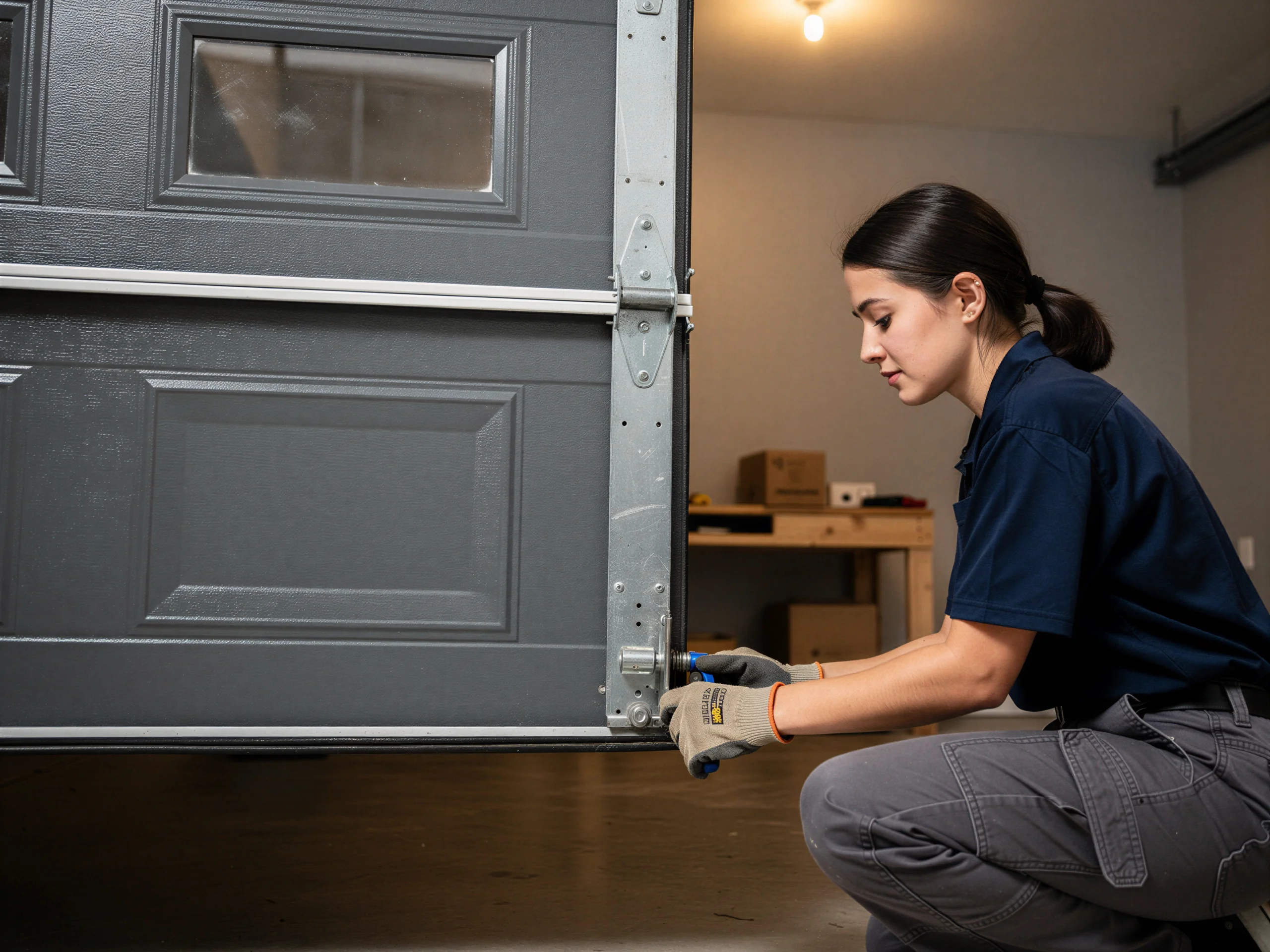
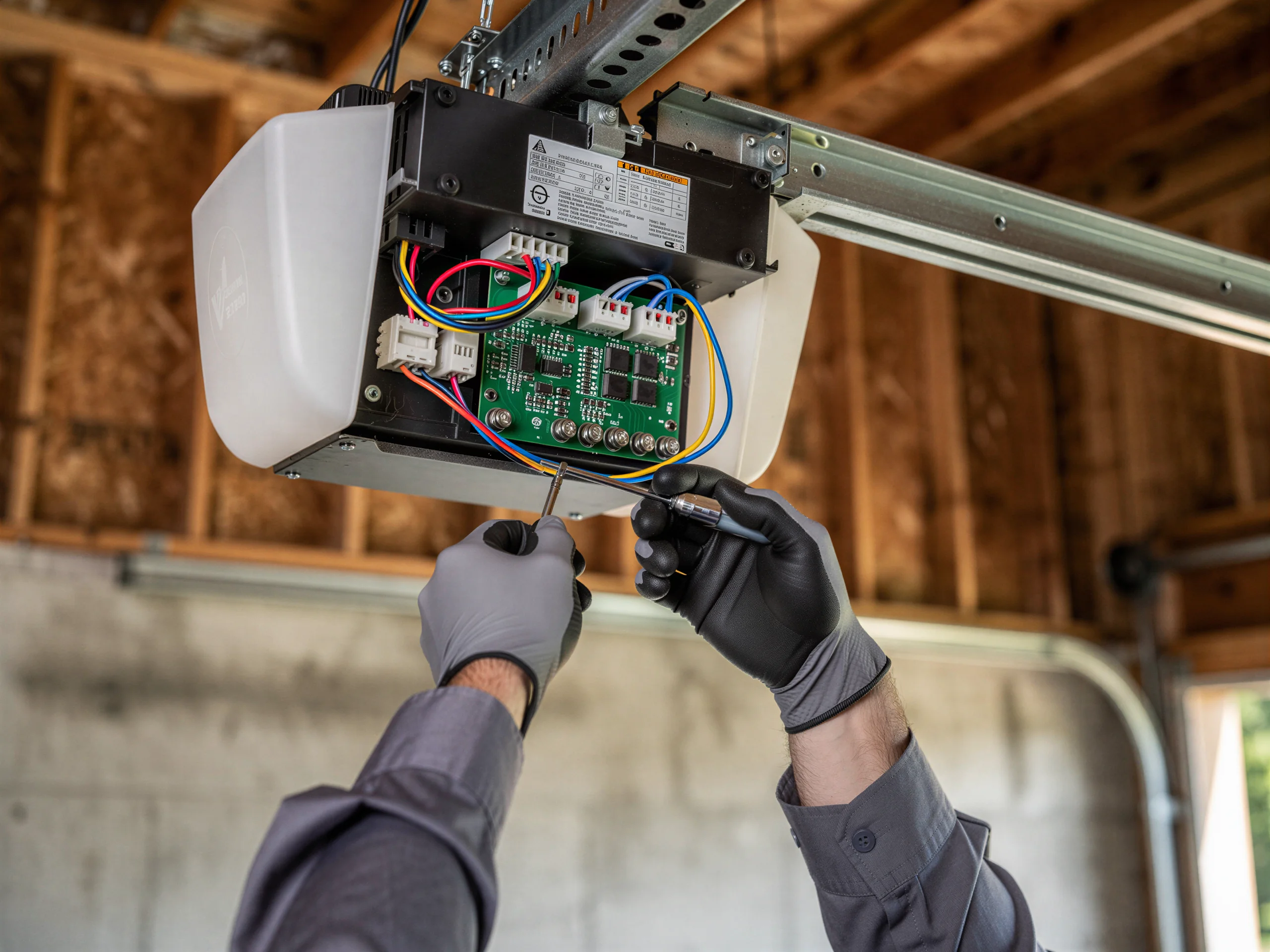
We release tension on the spring system first - on these later-model Marina doors that's usually extension springs, which means a different safety process than the torsion-bar releases common on older Salinas stock.
Inspect drum and pulley
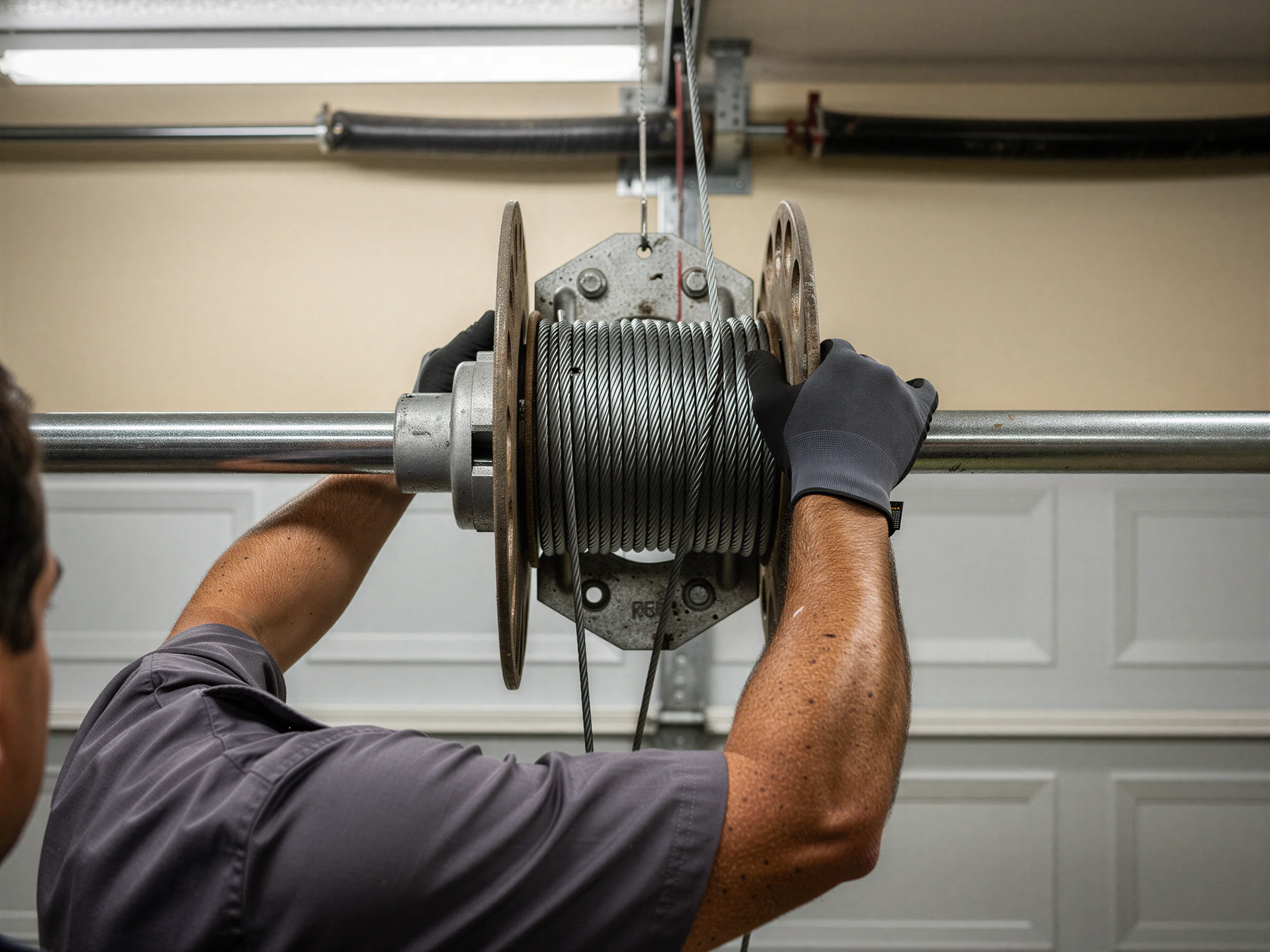
Once tension is off, we pull the old cable, check the drum or pulley it rode on for grooving or cracking, and replace whichever one is worn rather than just swapping the cable alone. Putting new cable on a damaged pulley just means a second visit in a few months.
Checking even tension both sides
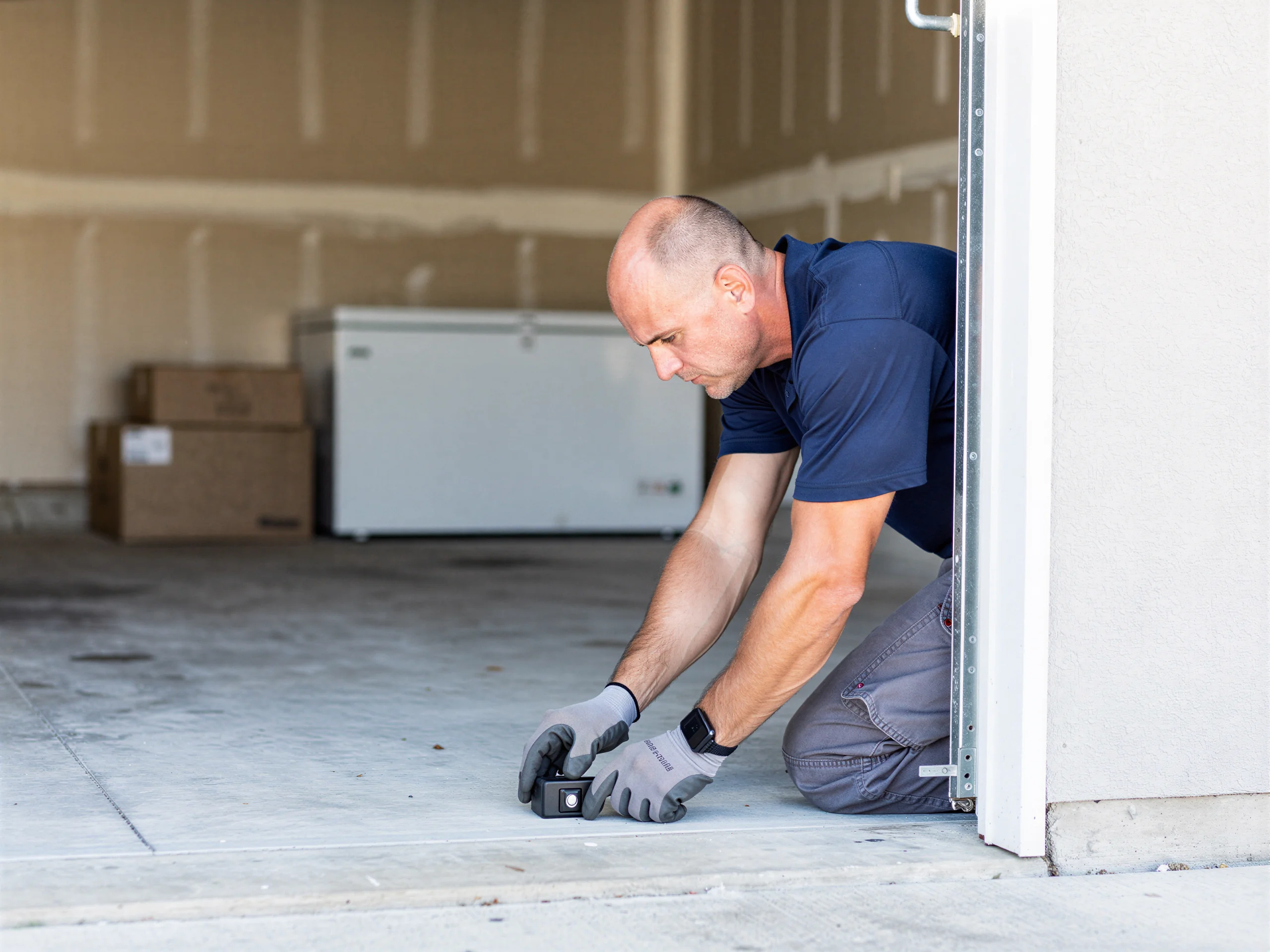
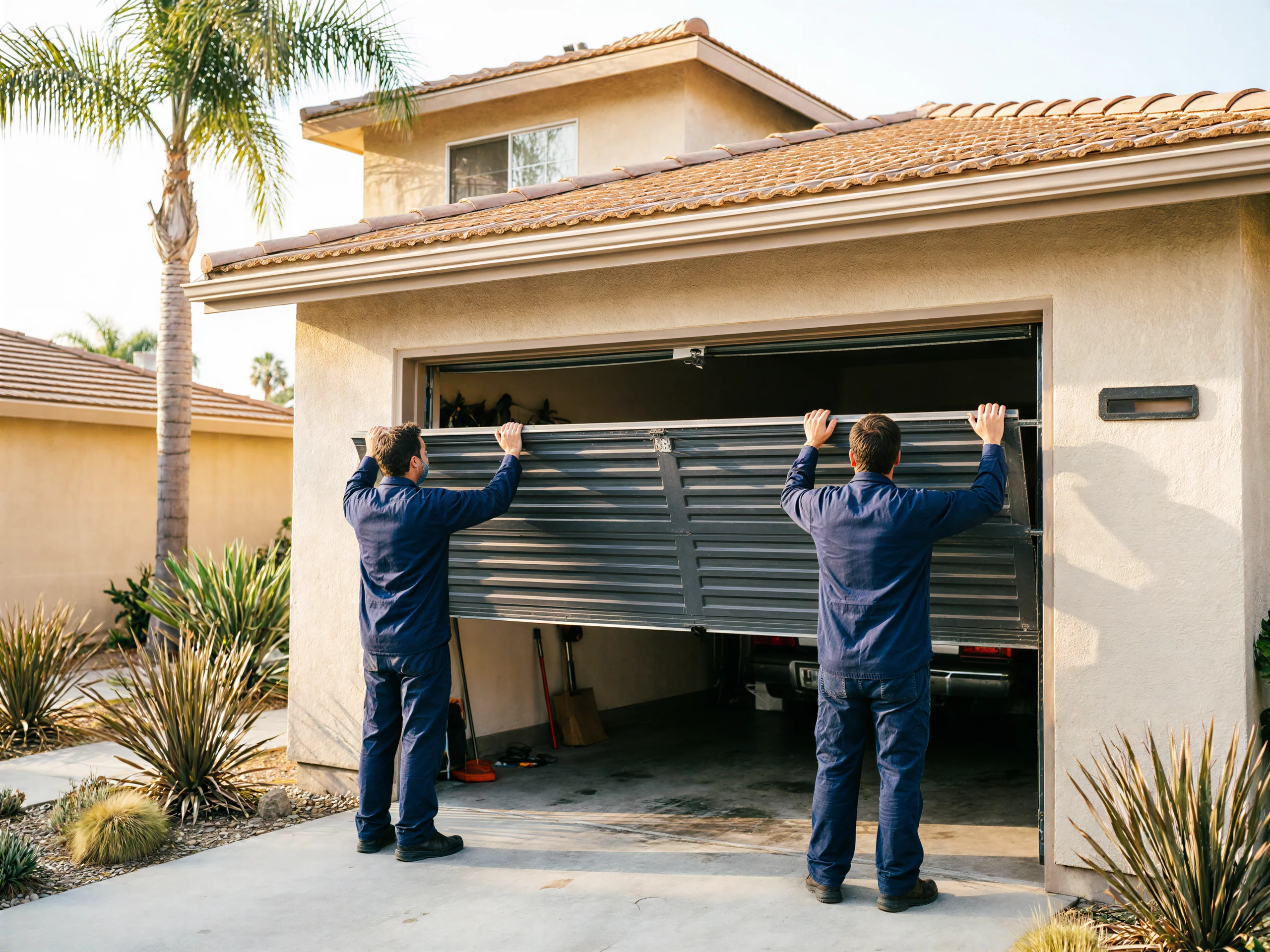
We reset tension, run the door through a full cycle by hand before testing it on the opener, and check both sides for even tension - uneven cable tension is what causes a door to rack sideways in the track, and on these 1980-era frames the tracks don't always forgive it. We don't leave until the door opens and closes square under its own power, not just under the opener's motor.
What Is on the Truck
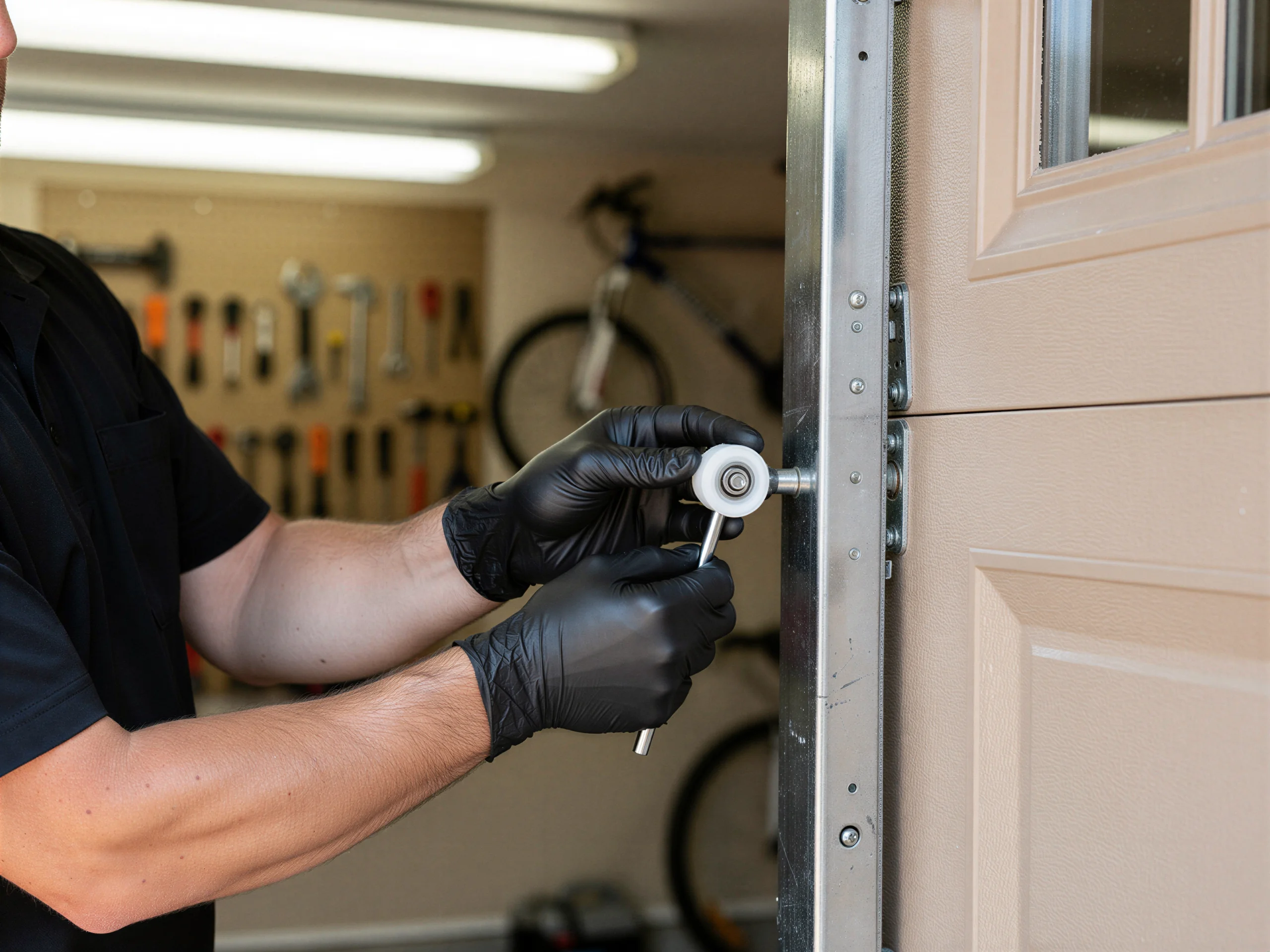
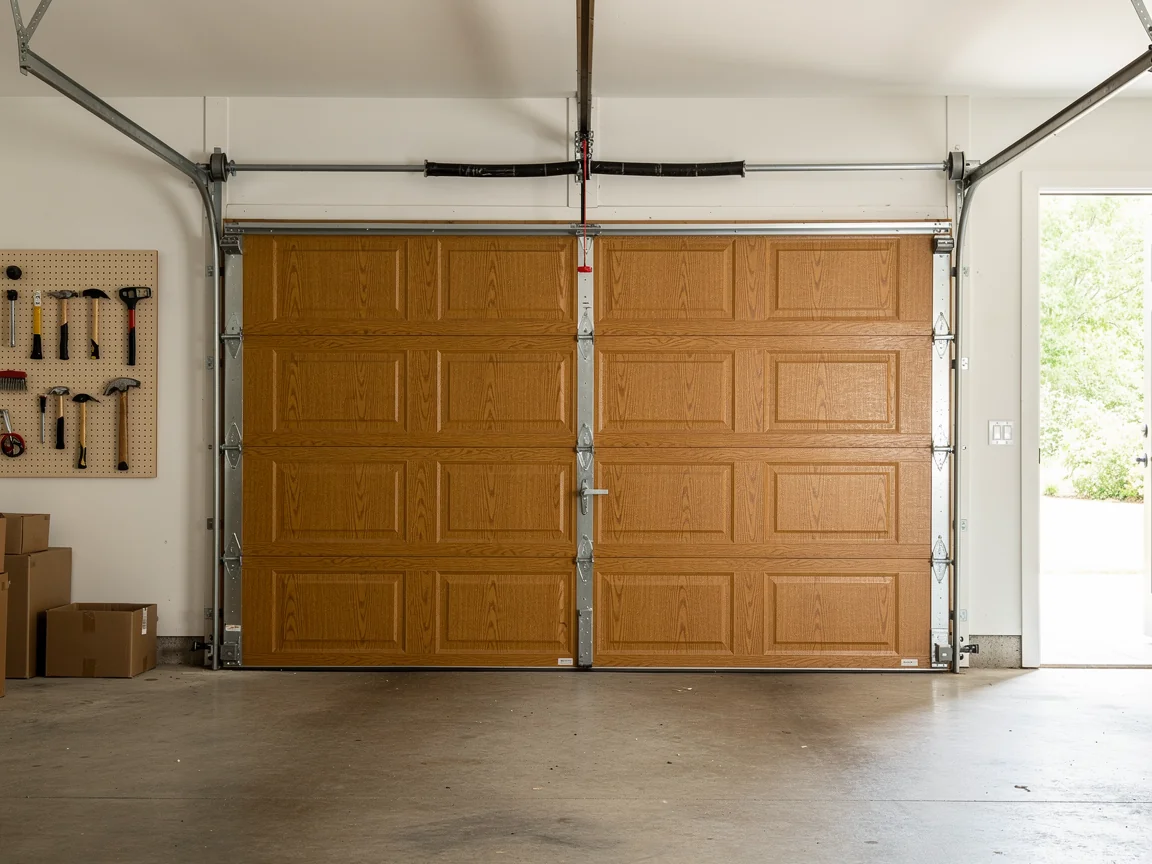
We stock standard-gauge lift cable in the lengths that fit the door heights common across this service area, plus the pulleys and bottom brackets that tend to wear out on extension-spring setups like the ones common to Marina's build era. What we don't always carry is a replacement drum or spring sized for a nonstandard door - some owners here have had custom-width doors installed at some point, and parts for those sometimes mean a return trip after we order the exact size. That's the one honest limit on a same-day fix: standard hardware, we carry it; oddball door widths, we may need a day or two.
The Complications
The complication we run into most in Marina isn't the cable itself - it's what's attached to it. On a 1980-built house, 44 years of cycles means the opener, the springs, and the track have all aged together, and a cable failure is sometimes the first visible symptom of a system that's due for more than one repair. We'll tell you straight if the cable is the whole problem or just the first thing to go. We also won't recommend replacing a cable on a door whose track is bent or whose opener is already failing - patching one part while the rest is near the end doesn't save money, it just delays a bigger call. With 31,775 owner-occupied houses across the area we cover from Salinas, we see this pattern often enough to call it out rather than just fix what's in front of us.
The Cost of This Job
Marina's housing stock sits a few years newer than what you'll find closer to Salinas proper - the median build year out here is around 1980, versus 1976 across the wider service area.
Pulley setup differs here
That gap matters for cable work because it usually means a different drum and pulley setup than the older torsion systems common on the Salinas side. A straightforward snapped cable on a single door, with the drums and track in good shape, is a short job.
Grooved drum adds time
If the drum itself is grooved or the pulley bracket has worn loose - more common on these later-70s and early-80s installs - the job runs longer because we're replacing hardware, not just cable. We quote after we look at the drum and the track alignment, not before, because guessing a number over the phone on cable work is how you end up either over- or under-charged.
Travel built into schedule
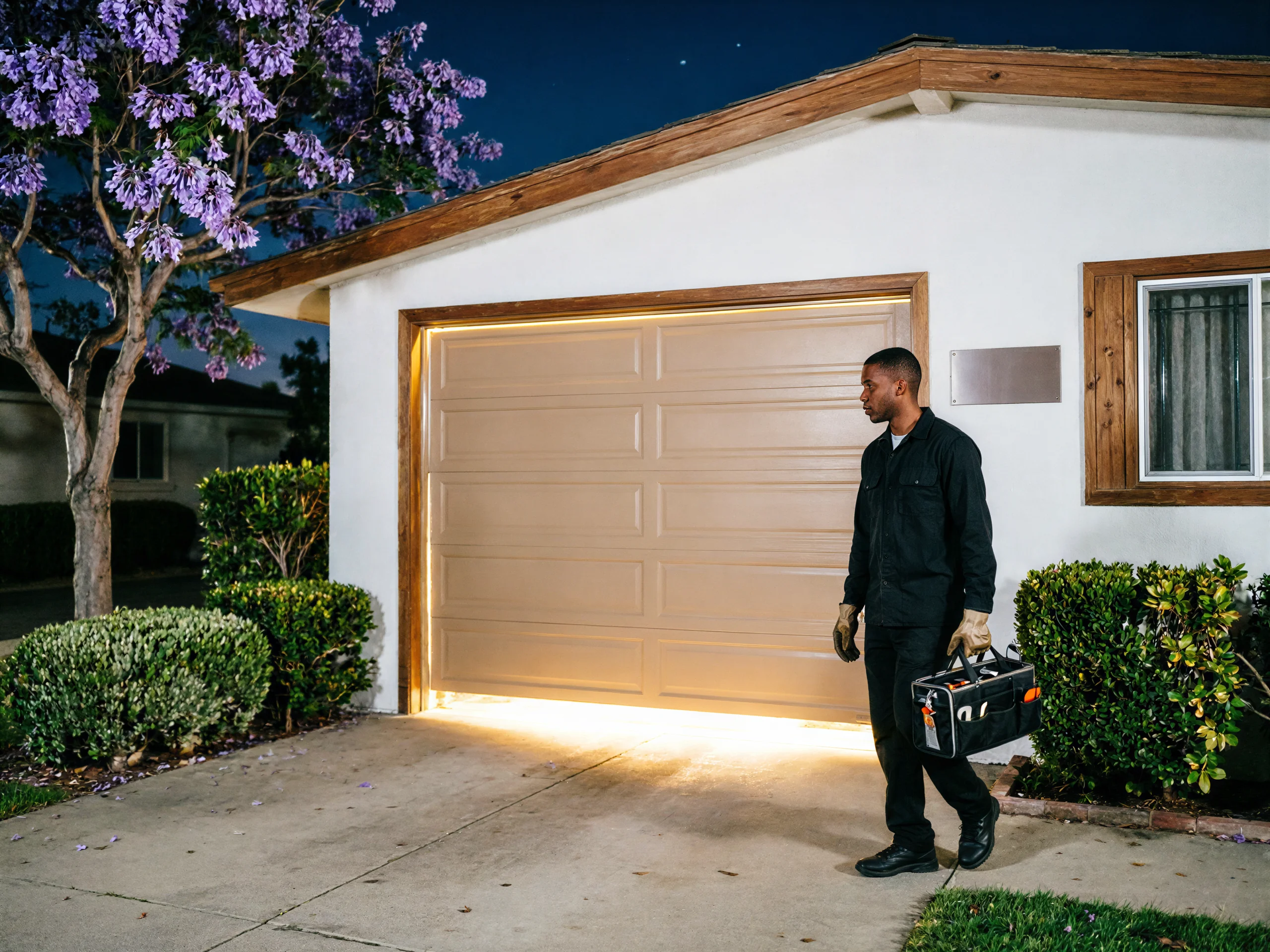
We travel to Marina from Salinas, about 9 miles out. That's built into how we schedule the day rather than priced as a separate stop fee, but it does mean cable jobs here get slotted alongside other calls on the same route rather than dispatched standalone.
Why It Happens Here
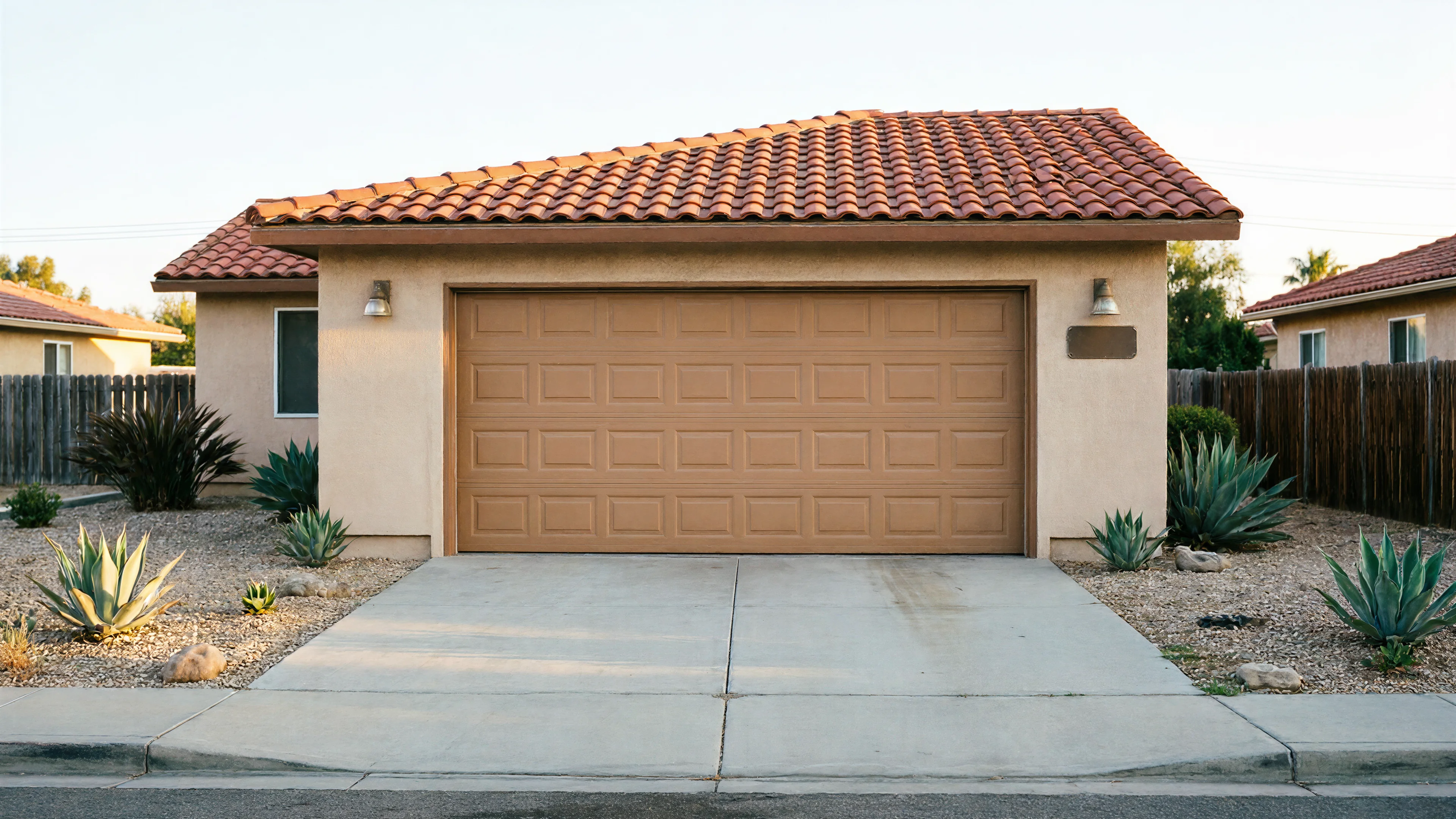
Marina's homes mostly date to a stretch when extension-spring setups with exposed cables running along the bottom of each track were still common before torsion systems became the default. On a door built or installed around 1980, that cable runs through a pulley at the bottom bracket, and that pulley is the part that quietly wears for years before anyone notices. Salt-tinged coastal air moving inland from this part of the Monterey Bay side doesn't corrode cable the way a harsher climate would, but the mild temperate conditions here still mean the real failure driver is just age and cycle count rather than weather damage. Fraying usually starts at the bottom bracket connection, where the cable gets pinched every time the door opens, long before it snaps outright. If you've noticed the door pulling crooked, or the bottom corner dipping lower than the other side as it closes, that's the cable stretching or fraying before the full break - worth a call before it lets go completely and the door drops.
Talk to a local pro
Garage door service in Salinas?
Same-day service with honest, upfront quotes.