The Symptom
The usual complaint is a grinding or clicking sound that gets louder as the door travels, worse on the last roller before it clears the curve into the horizontal track.
Flat-spotted roller scraping
Some homeowners describe it as a shopping-cart-wheel sound. Others notice the door hesitating or jerking at the same spot on every cycle - that's a roller that's worn flat on one side, so it's not rolling anymore, it's scraping. You might also see it in the car: a slight shimmy or shake as the door passes overhead, which usually means a roller near the top section has gone out of round.
Rollers fail one side
On older sectional doors from the 1960s and 70s stock common across this area, it's common for two or three rollers on one side to go before the rest, since that side tends to carry more weight if the door was ever slightly out of square.
Spring failure versus rollers
What it doesn't usually mean is a broken spring. Spring failure stops the door cold or makes it heavy to lift by hand. Worn rollers let the door keep moving, just loudly and roughly. That difference is often how we tell over the phone which one you're dealing with before the truck even shows up.
Getting It Booked In
We run calls out across the Salinas service area, including Castroville and Prunedale about eight miles out, Marina around nine miles, and farther towns like Hollister, Watsonville, and Gonzales.
Describe noise location
If you're closer in, towns like Springtown sit just four miles southwest of the core service area. When you call, tell us what you're hearing and where in the door's travel it happens - top, middle, or bottom of the opening. That alone usually tells us whether we're bringing a roller kit or something else.
Short job, quick booking
A straightforward roller swap on a standard sectional door is one of the shorter jobs we run, which means we can usually get you on the schedule without a long wait. If the door is original to a house built back in the 1960s or 70s range, mention that too.
Bring stem adapters
It helps us bring the right stem-to-mount adapters, since older brackets don't always match what a modern roller kit ships with off the shelf. Head to our home page for the rest of what we do if you're not sure roller wear is the actual problem.
Why It Happens Here
Most houses across the Salinas service area went up between 1946 and 2002, with the bulk of that stock dating to the 1960s and 70s. Doors from that era came standard with steel rollers riding directly in galvanized track, no bearing, just metal on metal. Thirty, forty, fifty years of opening and closing wears a groove into that roller stem until it starts to bind, chatter, or jump the track edge.
Salinas sits in a mild temperate band, so this isn't a freeze-thaw problem like you'd see somewhere with hard winters. The rollers here don't crack from cold snaps. They wear from sheer cycle count - two openings a day for fifty years adds up to tens of thousands of trips through the same worn channel. Across the roughly 31,775 owner-occupied houses in this service area, a large share are still running whatever rollers came on the door when the house was built, because nobody thinks about rollers until they start screaming.
If your door sounds rougher than it used to, or the car shakes a little going under it, the rollers are usually the first thing we check, not the opener and not the spring.
How We Fix It
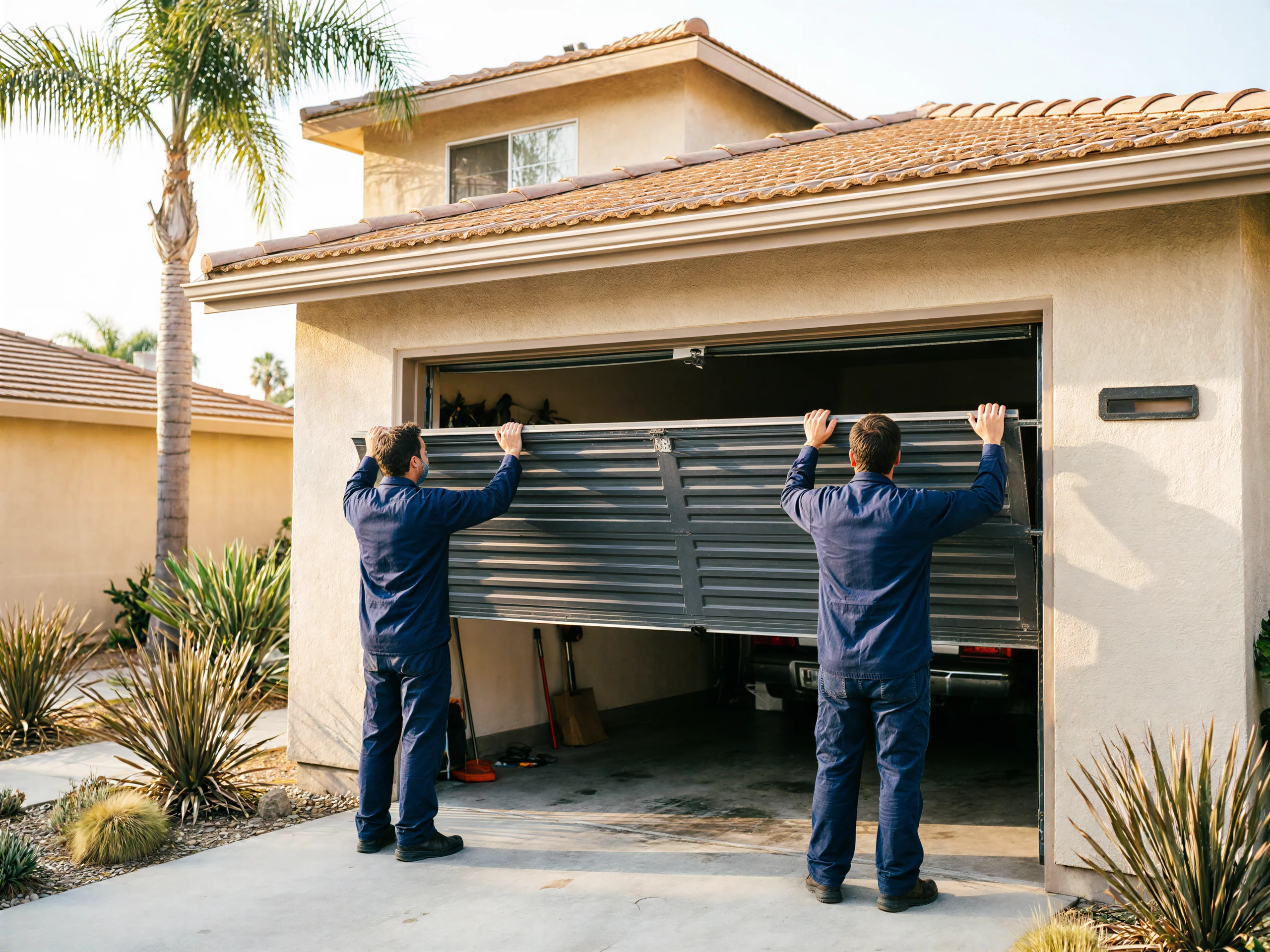
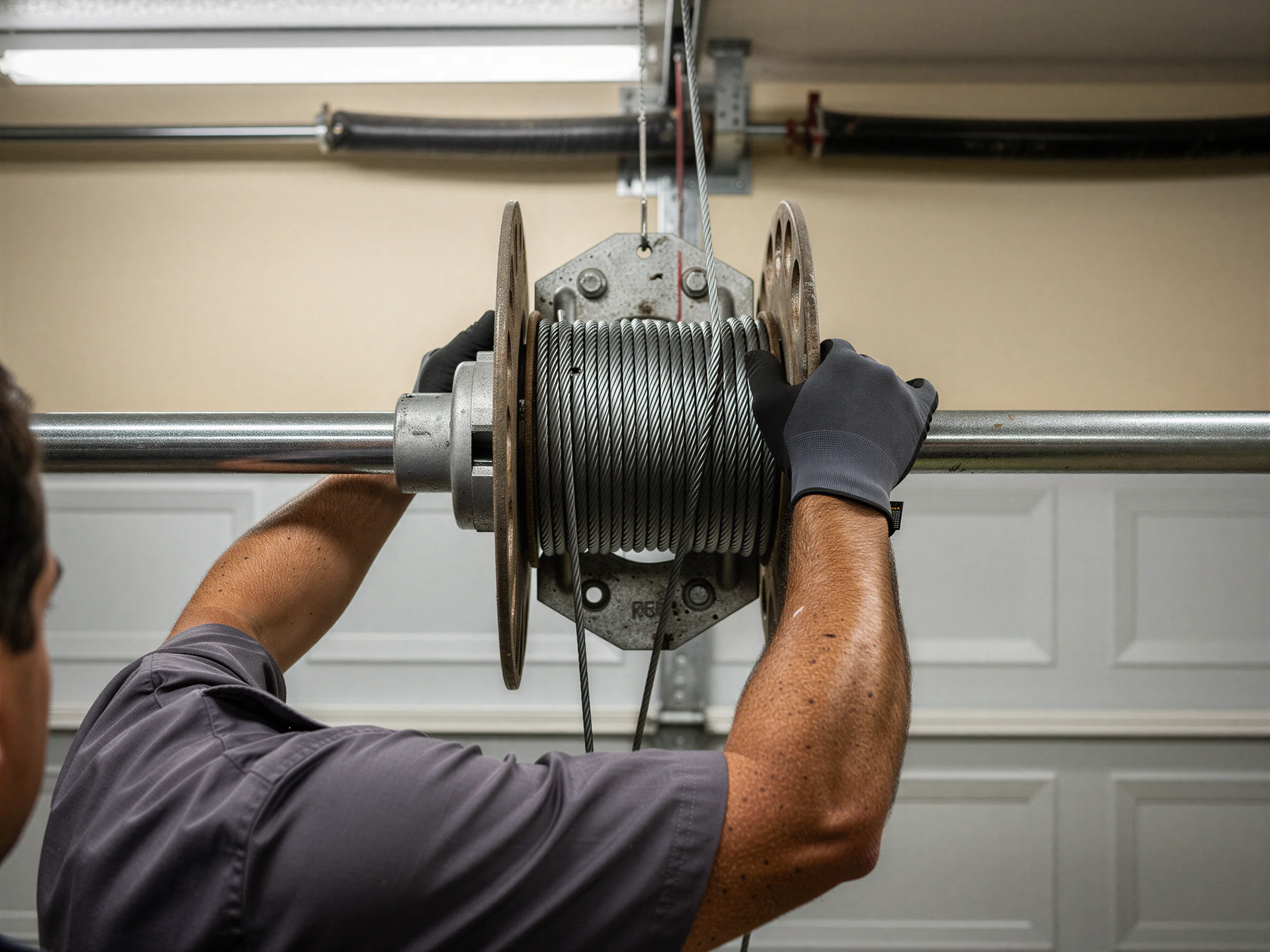
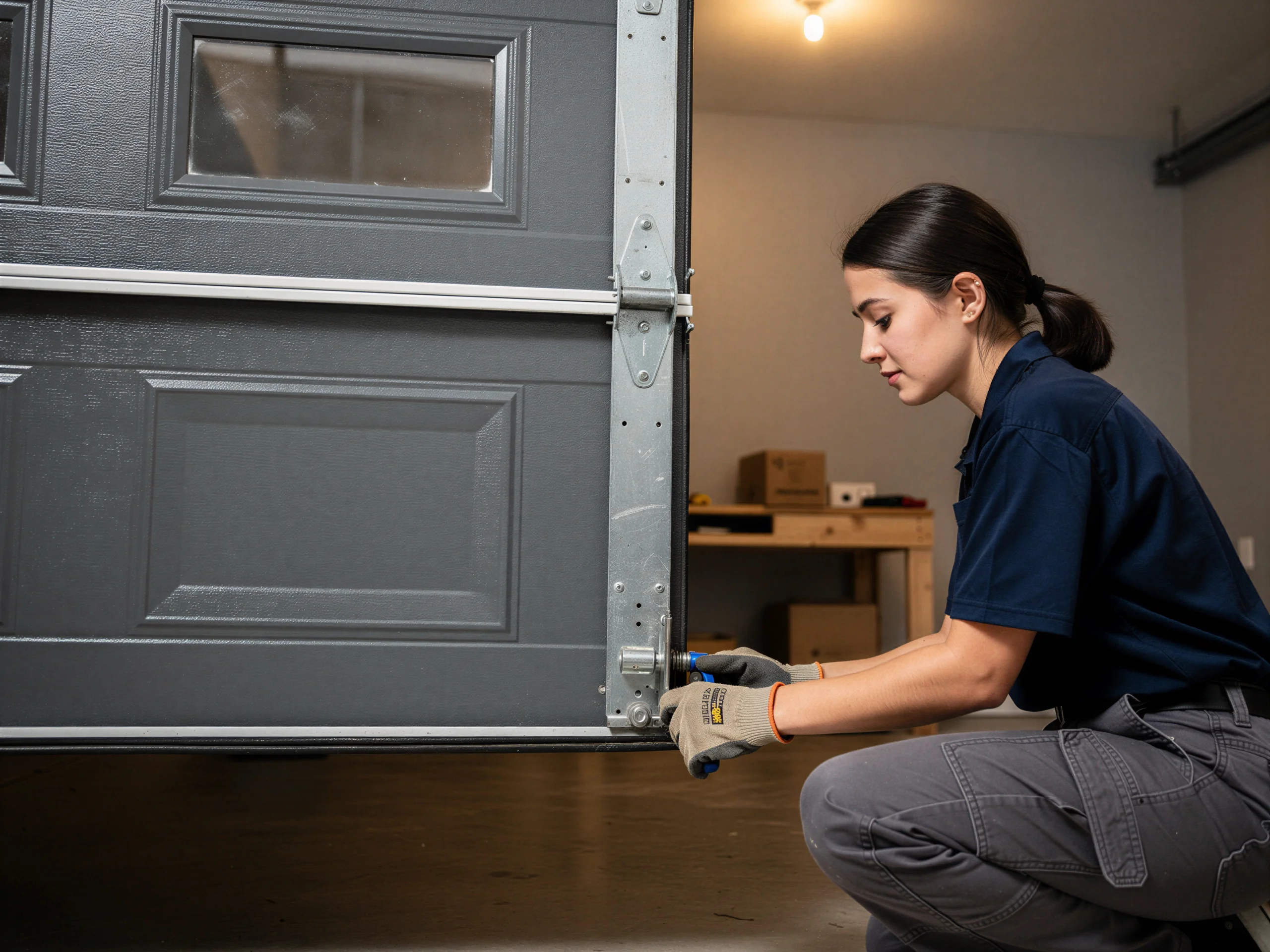
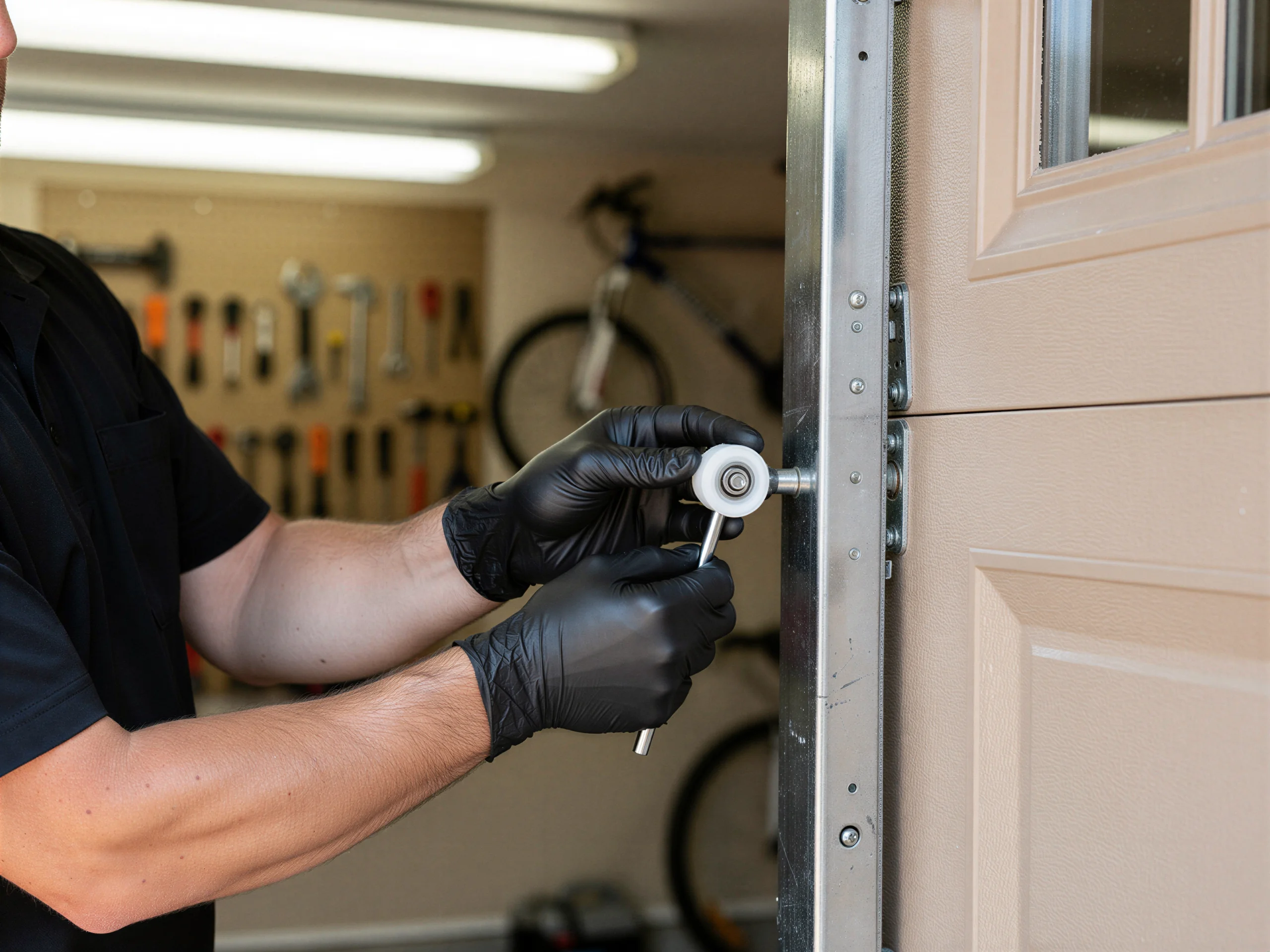
We pull the old rollers one at a time, working stem by stem rather than dropping the whole door off track, which keeps the job contained to an hour or two instead of turning it into a full teardown.
Nylon sealed roller swap
Worn steel rollers get replaced with nylon rollers on sealed stem bearings - they run quieter, don't need the periodic oiling steel does, and hold up better over the long cycle counts typical of a door that old.
Track check before rollers
While we're in there we check the track alignment, because a track that's been fighting worn rollers for years can develop its own wear pattern, and a new roller in a bent track will just wear again fast. If the track needs reseating or the hinges are chewed up from the same decades of use, we'll say so before we close the job out, not after.
Bent track or cracked panel
One honest limit here: if the track itself is bent badly enough, or the door panel is cracked where the roller bracket mounts, roller replacement alone won't fix the symptom. We'll tell you straight if you're looking at a track or panel repair instead of a roller swap, rather than sell you rollers that won't solve the actual problem.
Talk to a local pro
Garage door service in Salinas?
Same-day service with honest, upfront quotes.