 What Salinas's Housing Stock Means for Your Garage Door
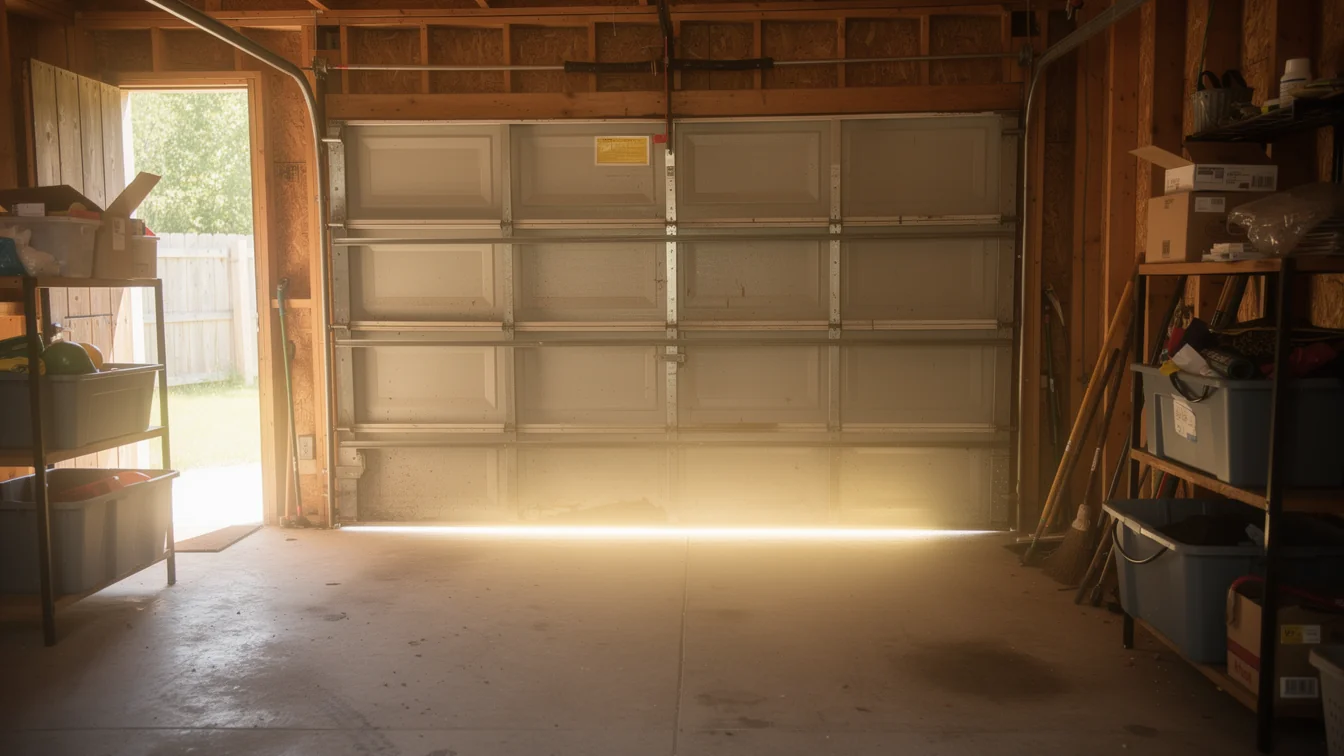
Most Salinas homes were built between 1946 and 2002, in a mild coastal climate that still wears out torsion springs, openers, and rollers over the decades.
What a Salinas Service Call Actually Covers
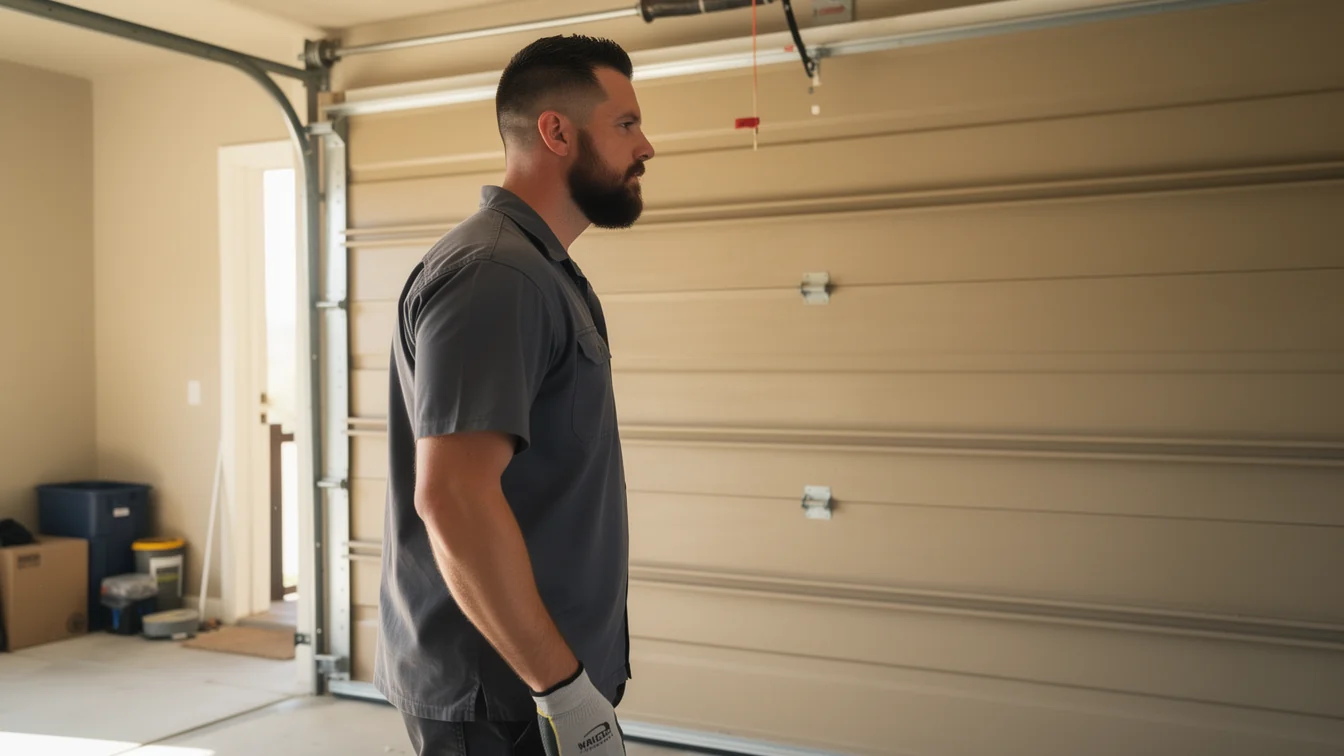
A look at what a garage door service call actually involves in Salinas, where most houses date to the 1960s-70s and the mild coastal climate changes what fails first.
Local detail
What Most People Get Wrong
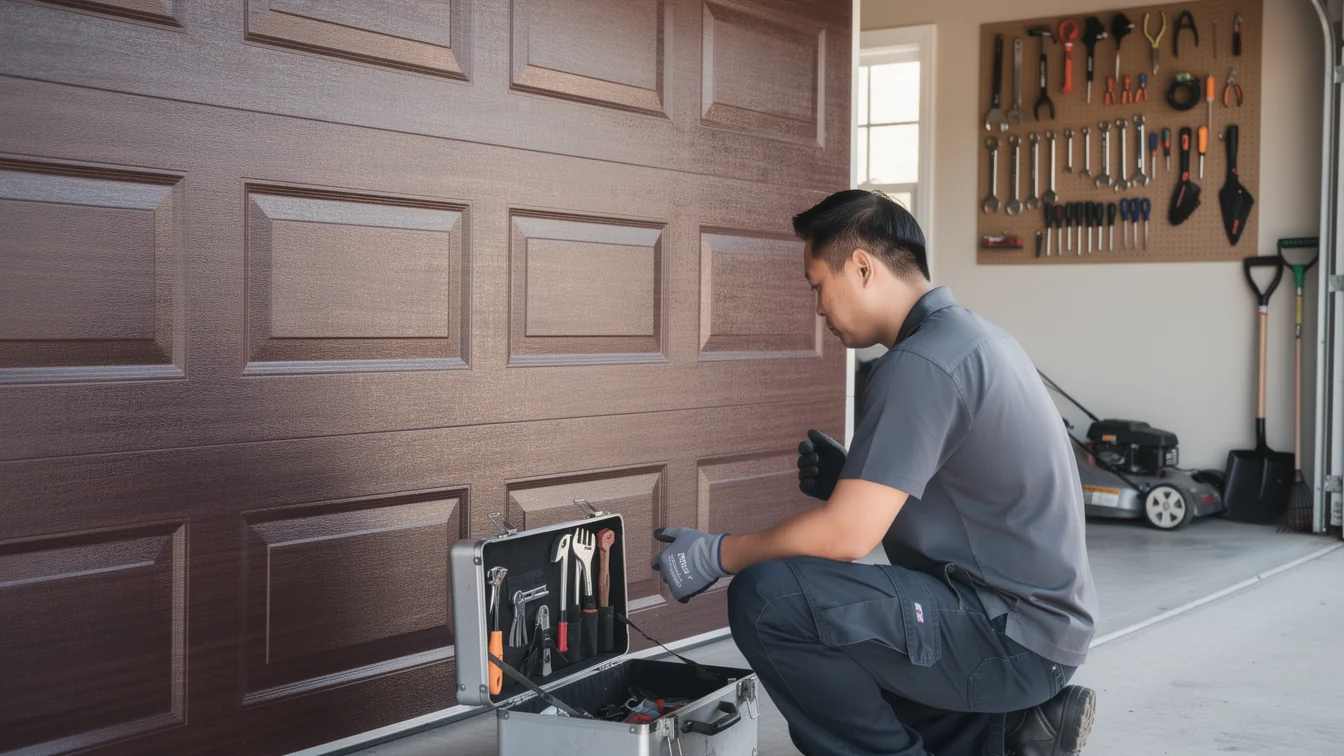
Most homeowners call us thinking a garage door service call means a quick spray of oil and a tightened bolt. In Salinas, where housing stock runs from 1946 up through 2002 with a lot of it clustered in the 1960s and 70s, the real work is almost always diagnostic first. A tech has to figure out what's original to the house and what's been swapped out over fifty-plus years of ownership turnover. On a house built in 1968, that might mean an opener from the 2000s bolted onto original track that was never sized for it. We've seen owners replace a spring and assume the noise is gone, when the actual problem was a bent track section that's been quietly wearing the rollers for years. A real service call starts with someone looking at the whole system, not just the part making noise. That's the part people skip when they try to shortcut it themselves, and it's the part that actually matters on houses this old.
The area
The Situation
Across the Salinas service area there are roughly 84,673 households, with about 31,775 of those owner-occupied houses. Median household income sits at $105,568, which tells you something about what people are willing to spend on a proper repair versus a patch job. With median build year landing around 1976, a huge share of doors and openers in this area are not original equipment anymore - they're a second or third generation of parts installed by whoever owned the house before. That history matters on a service call. The tech isn't just fixing today's symptom; they're often untangling decisions made by three different owners across three different decades. Houses from the 1960s-70s era, which make up most of the stock across the twenty-some named areas we work in, tend to have narrower garage openings and lighter original doors than newer construction, which changes what spring tension and hardware actually belong on that door.
What we find
What the Weather Here Does to It
Salinas sits in a mild temperate climate band, which cuts both ways for garage doors. The good news: no freeze-thaw cycles cracking concrete under the track, no extreme heat swelling wood panels. The bad news is that mild, steady conditions let small problems coast along longer than they would somewhere with harsher seasons that force a fix. A slightly off-balance door in a place with big temperature swings gets noticed fast because the metal expands and contracts and makes noise. Here, that same door can run quietly out of balance for months, grinding down rollers and bearings before anyone notices. On the older end of the housing stock, original hardware that's never seen a hard winter can still be running on worn-out lubrication and nobody catches it until the cable frays. Mild weather doesn't mean low maintenance. It means the warning signs are quieter.
How we work
When It Stops Being a DIY Job
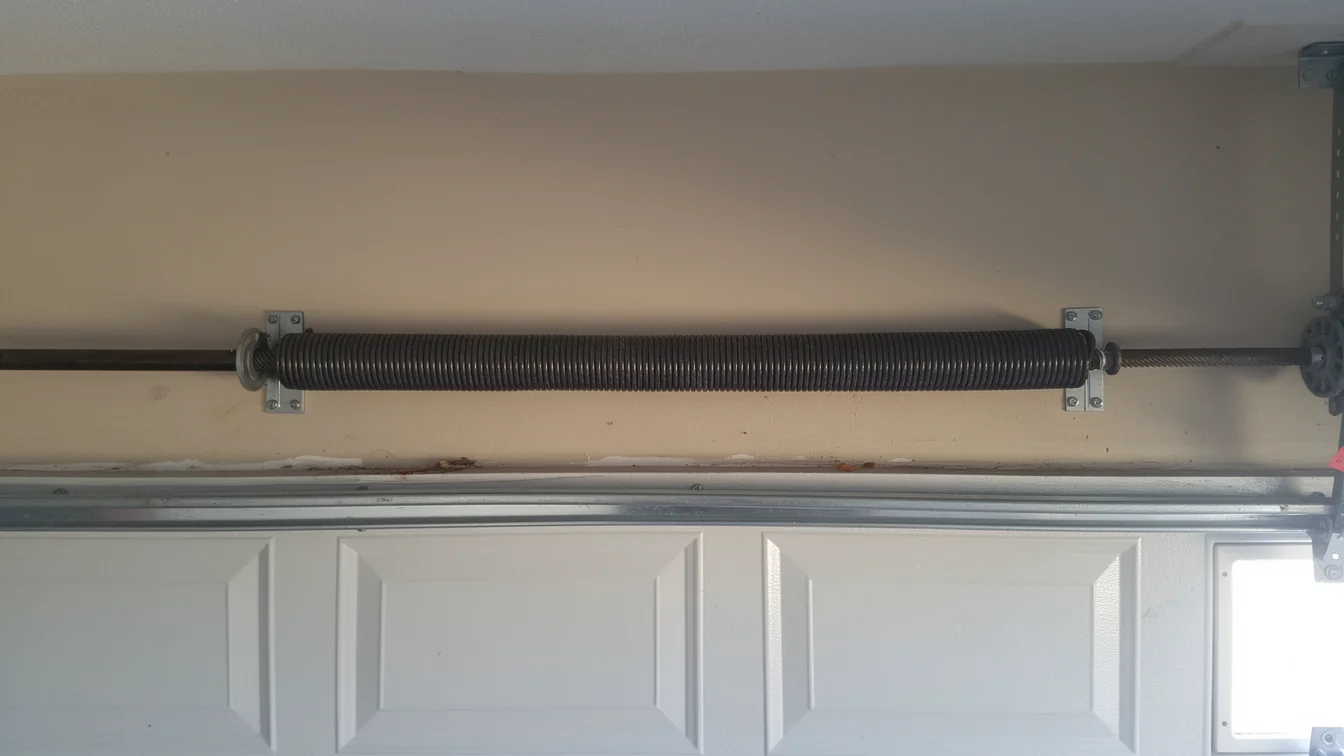
A loose bolt or a dirty track, fine, handle it yourself. But once you're dealing with torsion spring tension, bent track, or an opener that's fighting the door instead of lifting it smoothly, that's a service call, not a weekend project. Torsion springs store enough force to break bones, and on houses in this area with decades of hardware swaps behind them, you often can't tell the spring size or winding direction without pulling the end cones - not something to guess at. We'll be straight with you: if a door is original to a house built in the 1960s or 70s and the track, hinges, and opener are all original too, sometimes the honest call is replacement rather than another repair, especially once parts for that specific vintage get hard to source. A tech can tell you which side of that line you're on in about ten minutes. Guessing costs more than the call.
Questions
Common questions
Do you charge for the service call itself in Salinas?
We don't have a posted service call fee to quote you here - pricing depends on what the job turns out to be once a tech looks at the door. Call for a straight answer before you book anything.
Is my garage door opener too old to repair?
It depends on the model and parts availability, not just age. With median housing in this area dating to the 1970s, a lot of openers we see have already been replaced once or twice. We check parts availability on-site rather than guessing over the phone.
Why does my door only make noise sometimes?
In a mild climate like ours, worn hardware doesn't announce itself the way it would somewhere with big temperature swings. Intermittent noise is often early bearing or roller wear that hasn't failed yet - worth a look before it does.
Can I just replace the spring myself?
Torsion springs hold enough stored force to cause serious injury, and on older hardware you often can't confirm the correct size without disassembly. This is one job we'd tell you to leave to a tech, full stop.
Recommendation
You Might Also Like
More garage door guides for Salinas homeowners.
What Salinas's Housing Stock Means for Your Garage Door
Most Salinas homes were built between 1946 and 2002, in a mild coastal climate that still wears out torsion springs, openers, and rollers over the decades.
 Garage Door Repair Built Around How Salinas Houses Were Actually Built
Salinas garage door repair for houses built 1946-2002, mostly 1960s-70s stock, in a mild temperate climate.
 What That Sound Coming From Your Garage Actually Means
Grinding, popping, or slapping sounds mean different things depending on your door's age.
Ready when you are
Need a garage door sorted in Salinas?
Salinas Garage Door Pros repairs and installs garage doors, springs and openers in Salinas, CA and the surrounding area.