The Symptom
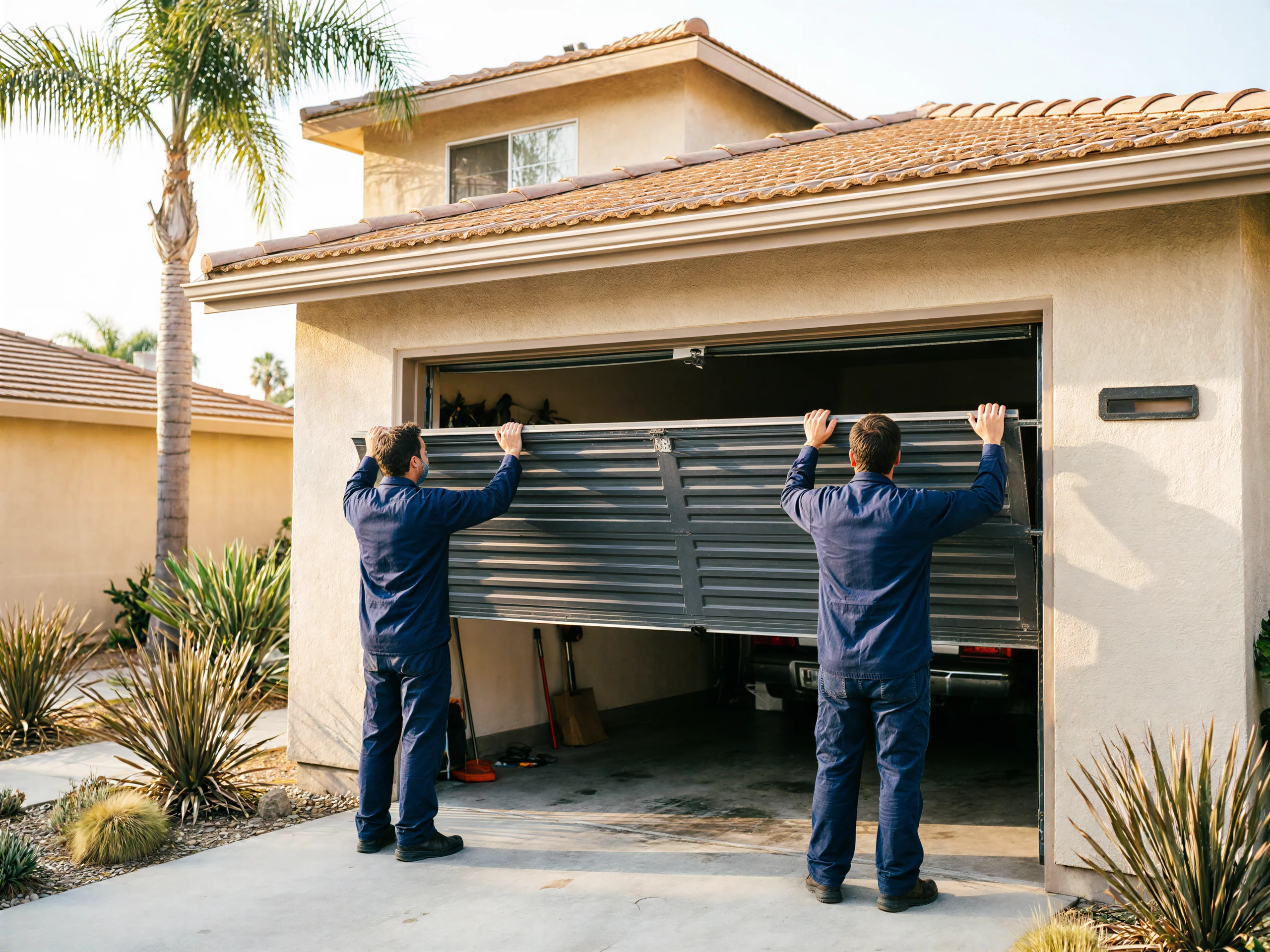
The opener installs we get called for usually start one of a few ways: the motor runs but the door barely moves, the door reverses itself halfway up for no clear reason, the remote works from the driveway but not from the street, or the whole unit has just gone silent. Sometimes it's simpler - a homeowner is remodeling and wants the opener relocated or upgraded as part of the job, not because anything failed.
We also get calls from households wanting a straight upgrade - swapping a decades-old chain-drive for something quieter with battery backup, which matters more in a market where a fair number of households can afford to prioritize comfort features over the bare minimum. With a median household income of $105,568 across the service area, we see plenty of owners who'd rather replace a working-but-loud opener than live with it for another decade.
Getting It Booked In
We cover the Salinas service area along with the nearby communities within roughly a 20-mile radius, from Castroville and Prunedale in close to Hollister and Gonzales further out. Call us, tell us the door type, the approximate age of the current opener if you know it, and whether you've already picked a replacement or want us to size one. We'll tell you straight if a repair makes more sense than a full swap - sometimes a failing capacitor or worn sprocket is a cheaper fix than a new unit, and we'd rather tell you that than sell you a motor you don't need yet. One honest limit: if your opener uses a long-discontinued control board, we may not be able to source an exact replacement part, and a full unit swap becomes the only real option.
Why It Happens Here
Most of the houses we work on in the Salinas area went up between 1946 and 2002, with the bulk of that stock dating to the 1960s and 70s. Openers from that era were built for lighter doors and simpler circuits, and a lot of them are still bolted to the same header joist they shipped with decades ago. When a homeowner finally swaps the door for something heavier - insulated steel instead of the original single-layer panel - the old opener is suddenly pulling more weight than it was ever rated for. That's when you hear the motor strain on the way up, or the chain slap on the way down.
The mild temperate climate here isn't the villain in most failure stories - we don't get the hard freeze-thaw cycles that crack gears up north - but it does mean a lot of these units have simply run for 40-plus years without ever being forced into early retirement by weather damage. Age and mismatch, not storm damage, are what we see most. An opener installation here is usually less about an emergency and more about a door that's outgrown its motor, or a homeowner who wants the quiet-belt, battery-backup, or smartphone features the original unit never had.
How We Fix It
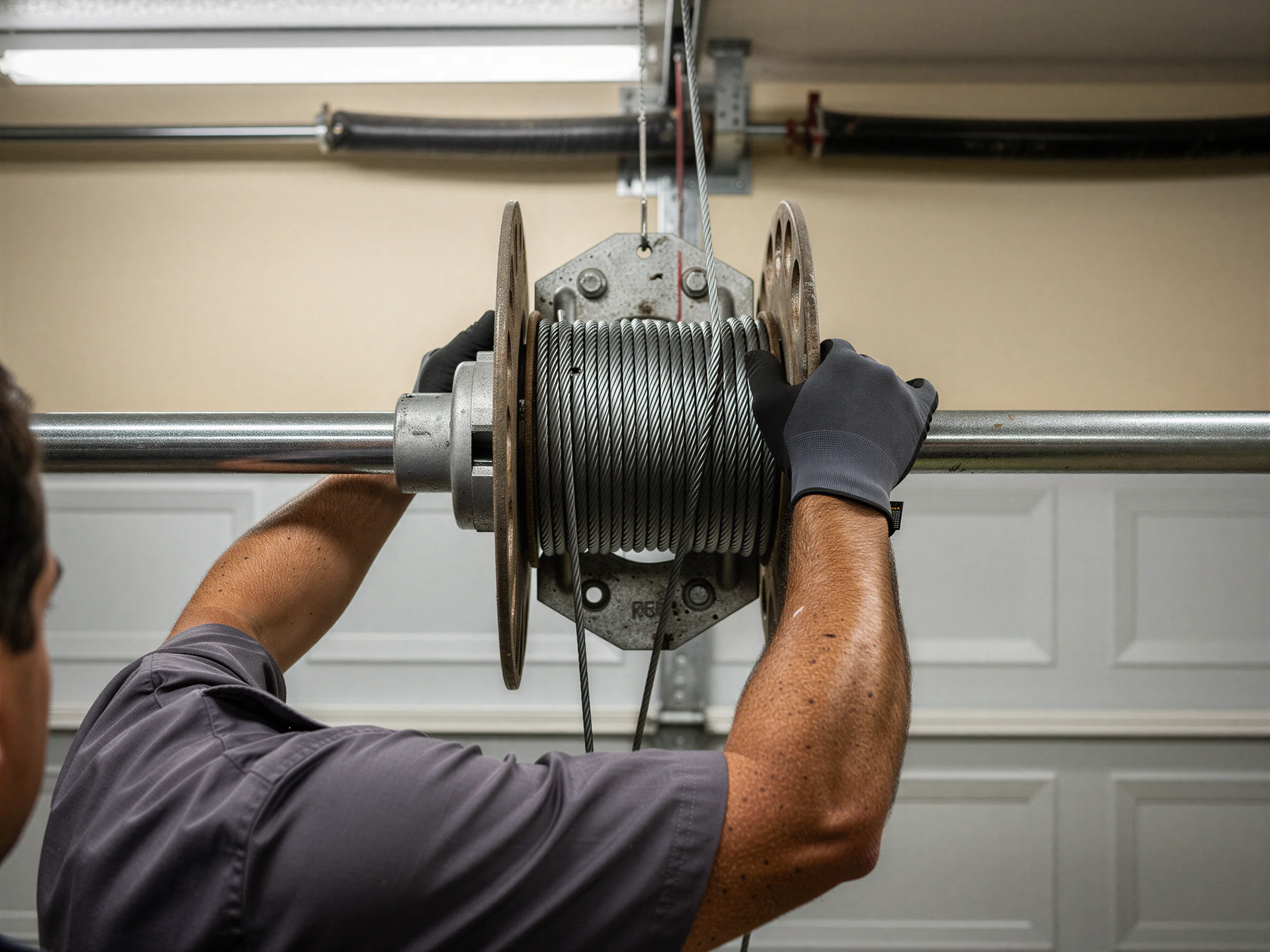
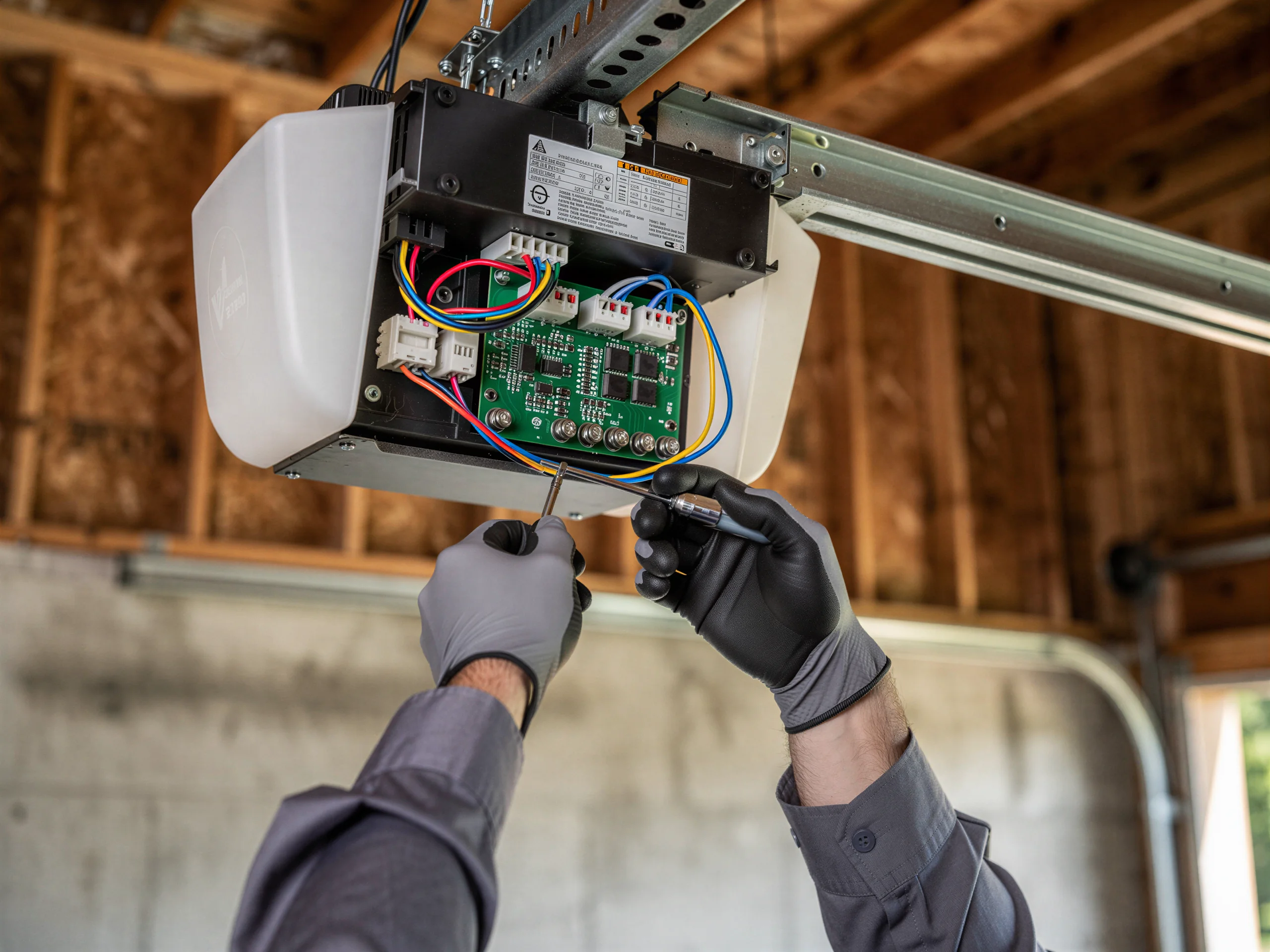
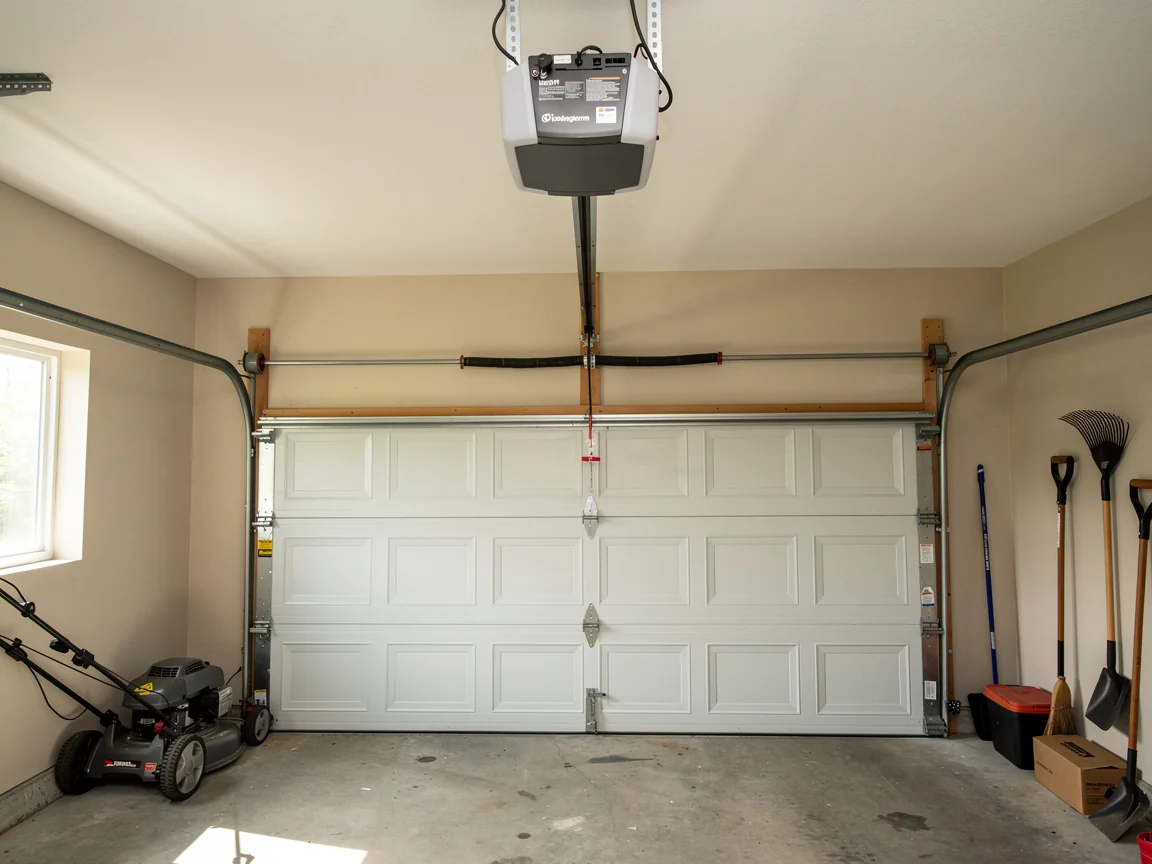
We start by checking what you actually have above the door - header clearance, the type of track, whether the door is a single panel or a sectional, and how much the door weighs now versus what it weighed when the current opener went in.
Upgrade ignored opener sizing
A lot of the mismatch problems we find in older Salinas-area housing stock come down to a door that was upgraded once without the opener ever being reconsidered. From there we size the unit to the door, not the other way around - horsepower and drive type (chain, belt, or screw) matched to span and weight, not whichever box happens to be cheapest that week.
Real obstruction reverse test
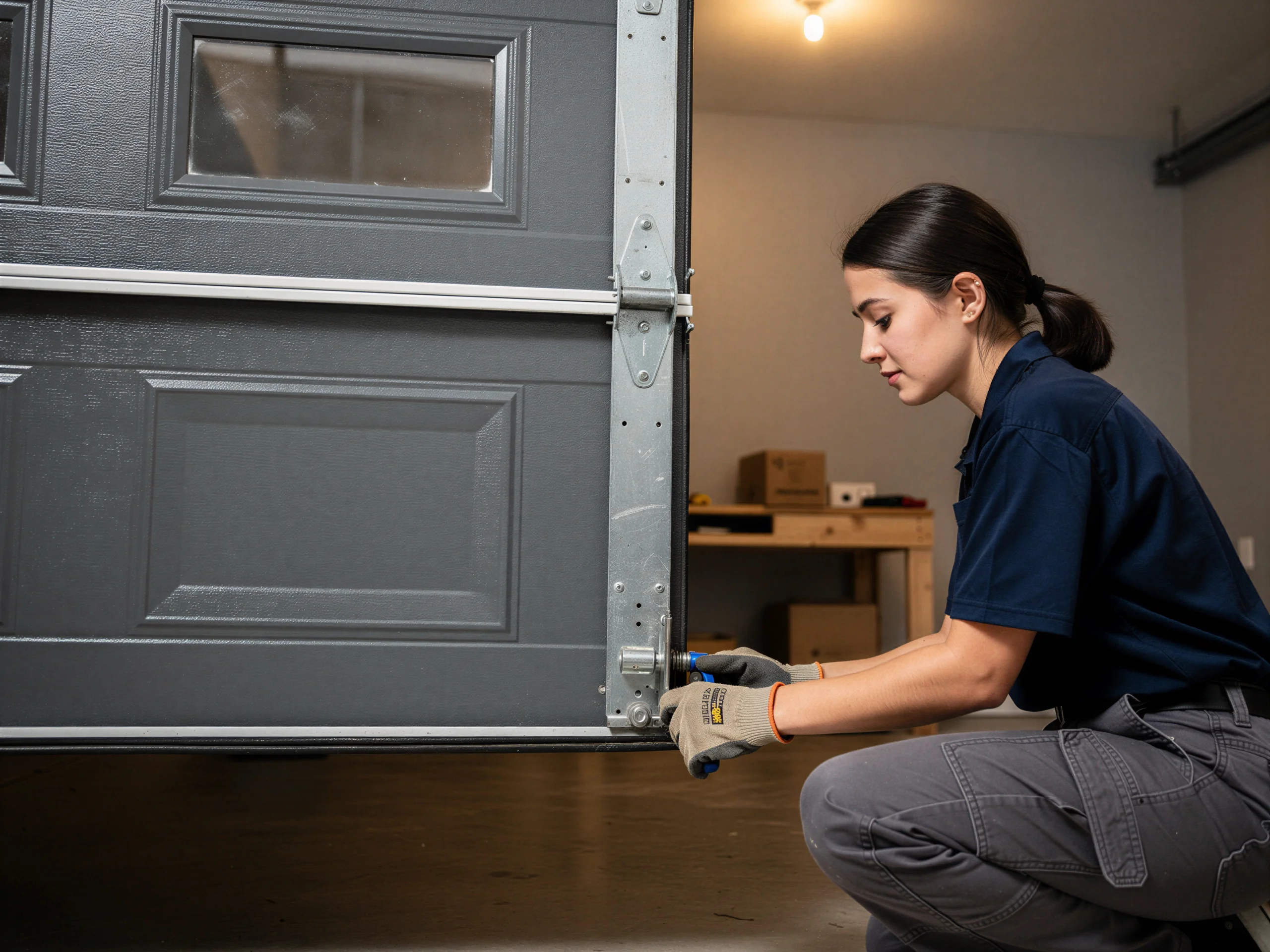
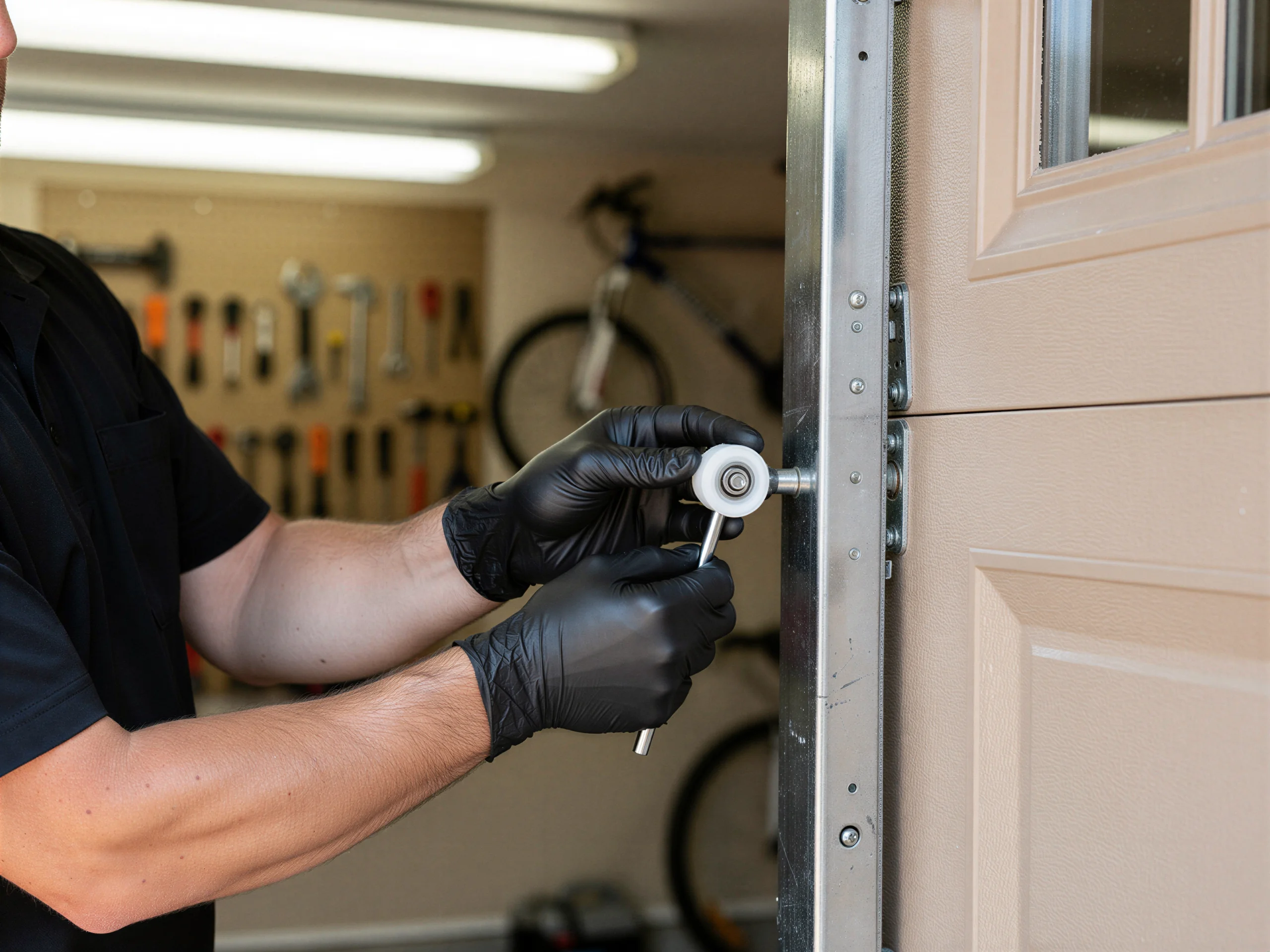
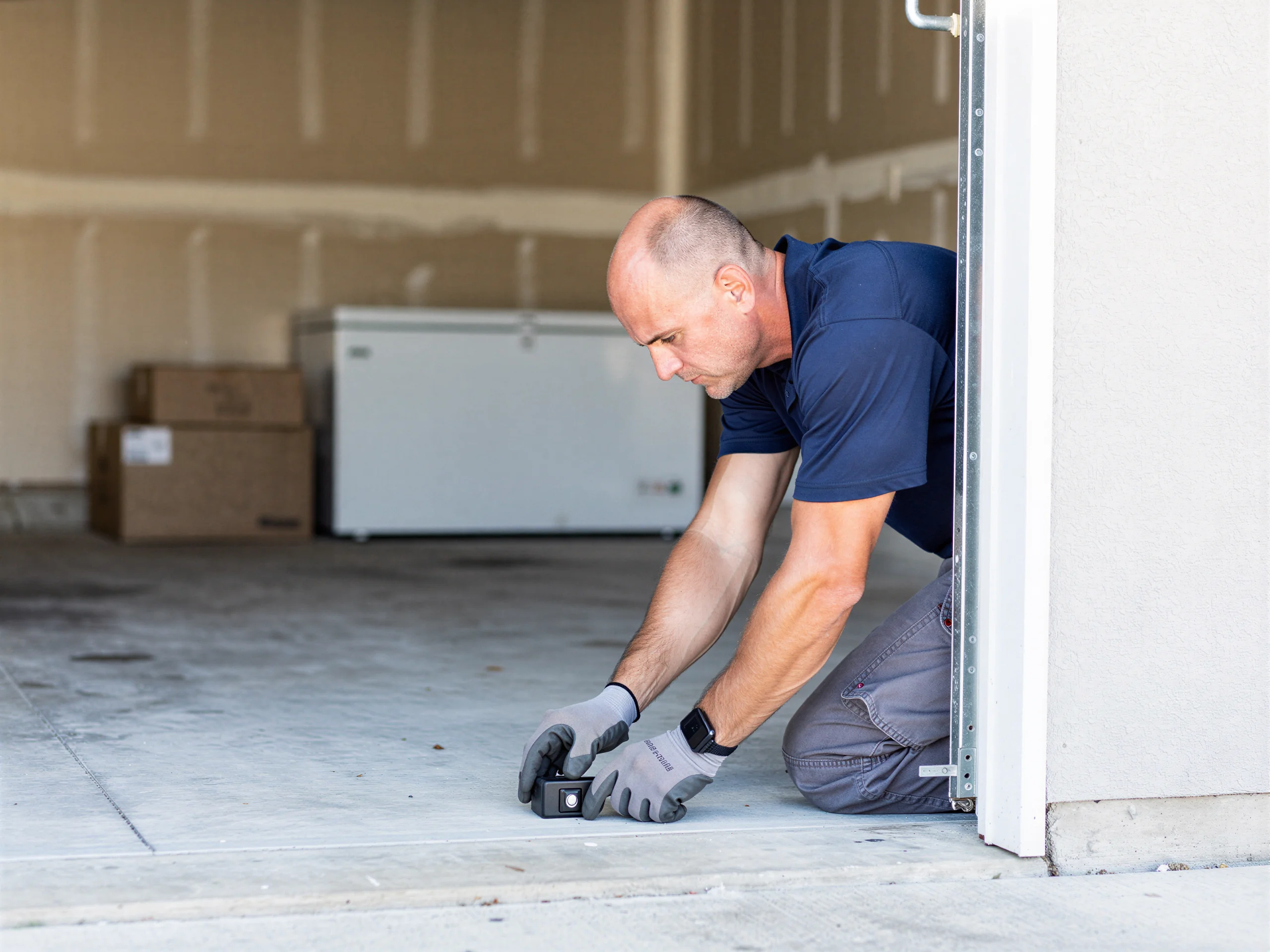
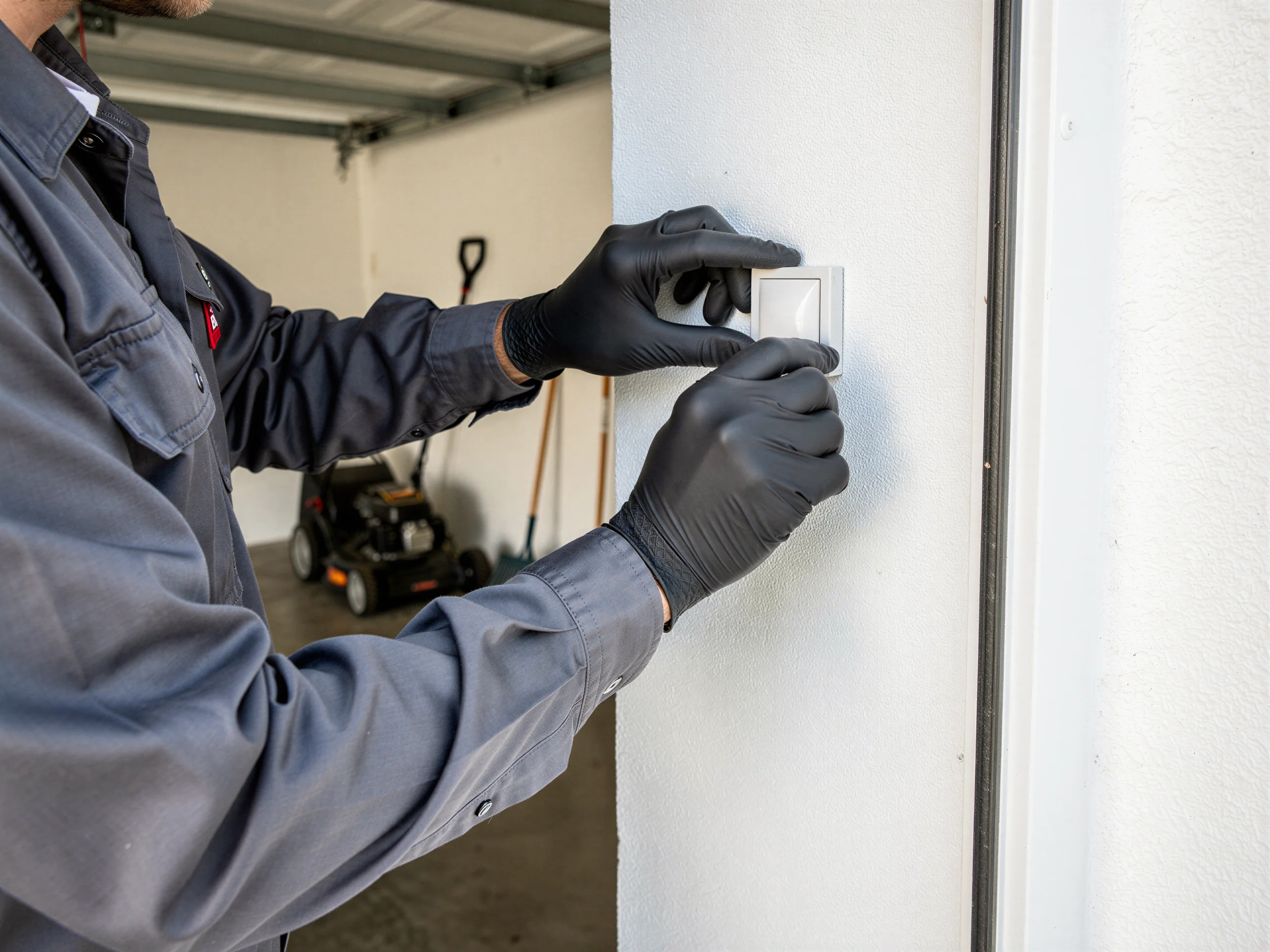
We run new wiring to code where the old run doesn't support modern safety circuits, mount the rail square, set the travel limits and force settings by hand, and test the auto-reverse with a real obstruction, not just a visual check.
Haul away old hardware
We haul away the old unit and the old rail bracket hardware - we don't leave a Salinas garage with two sets of mounting holes in the header.
Talk to a local pro
Garage door service in Salinas?
Same-day service with honest, upfront quotes.