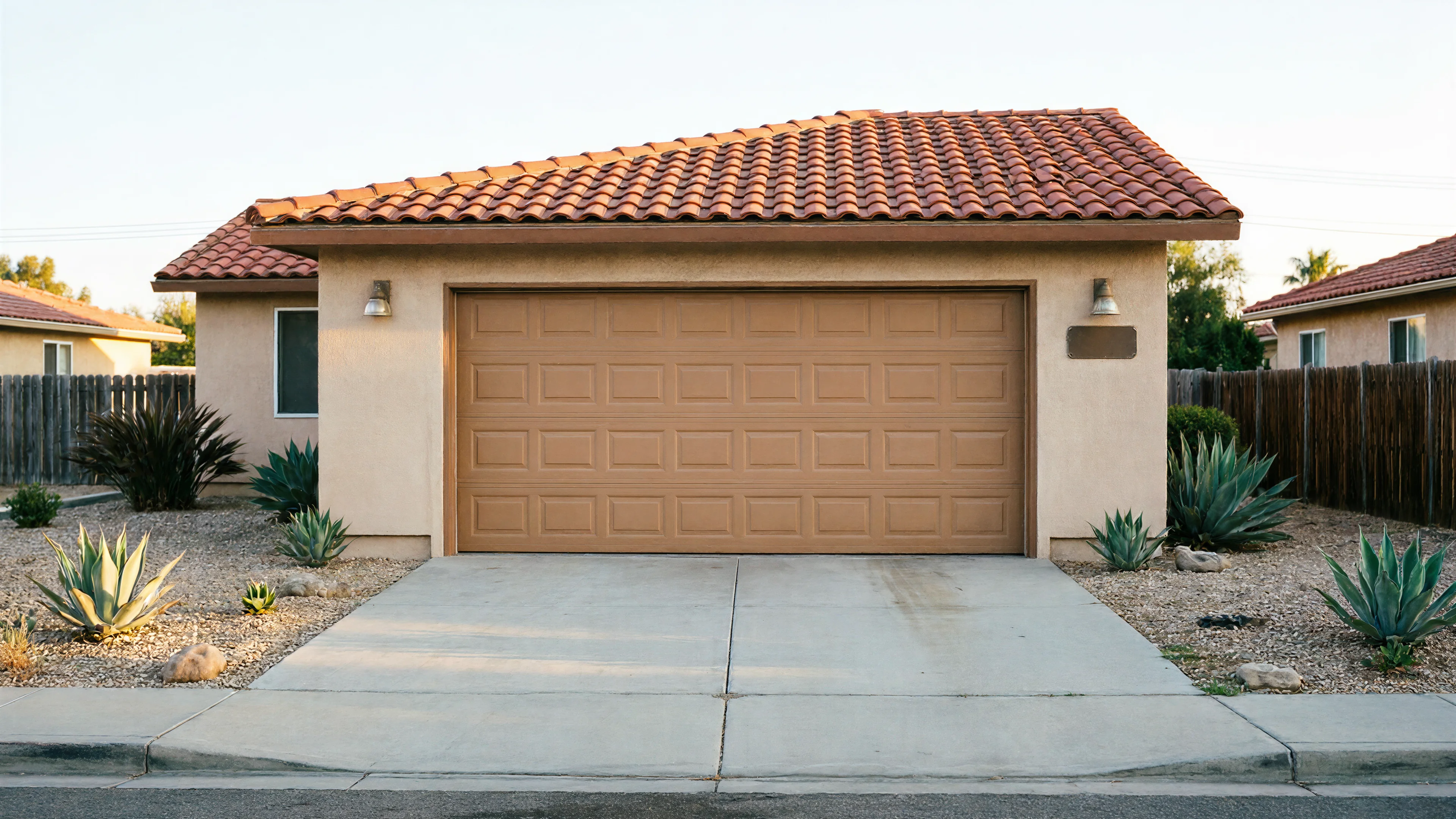
How We Fix It
First thing we check is what's actually driving the door now - chain, belt, or screw - and whether the rail, header bracket, and wall console are original to a 1980-era setup or already partly updated.
Replace undersized brackets
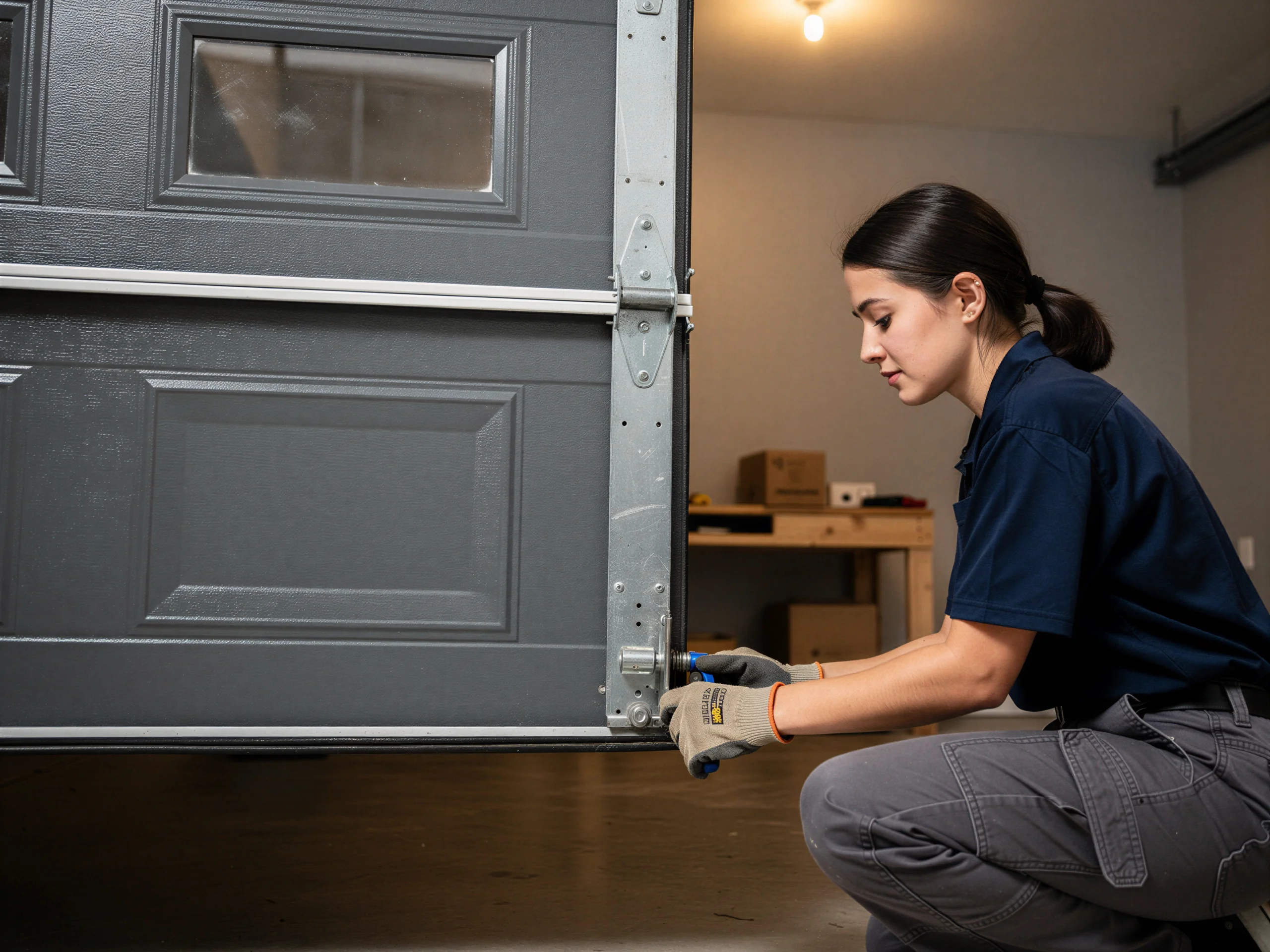
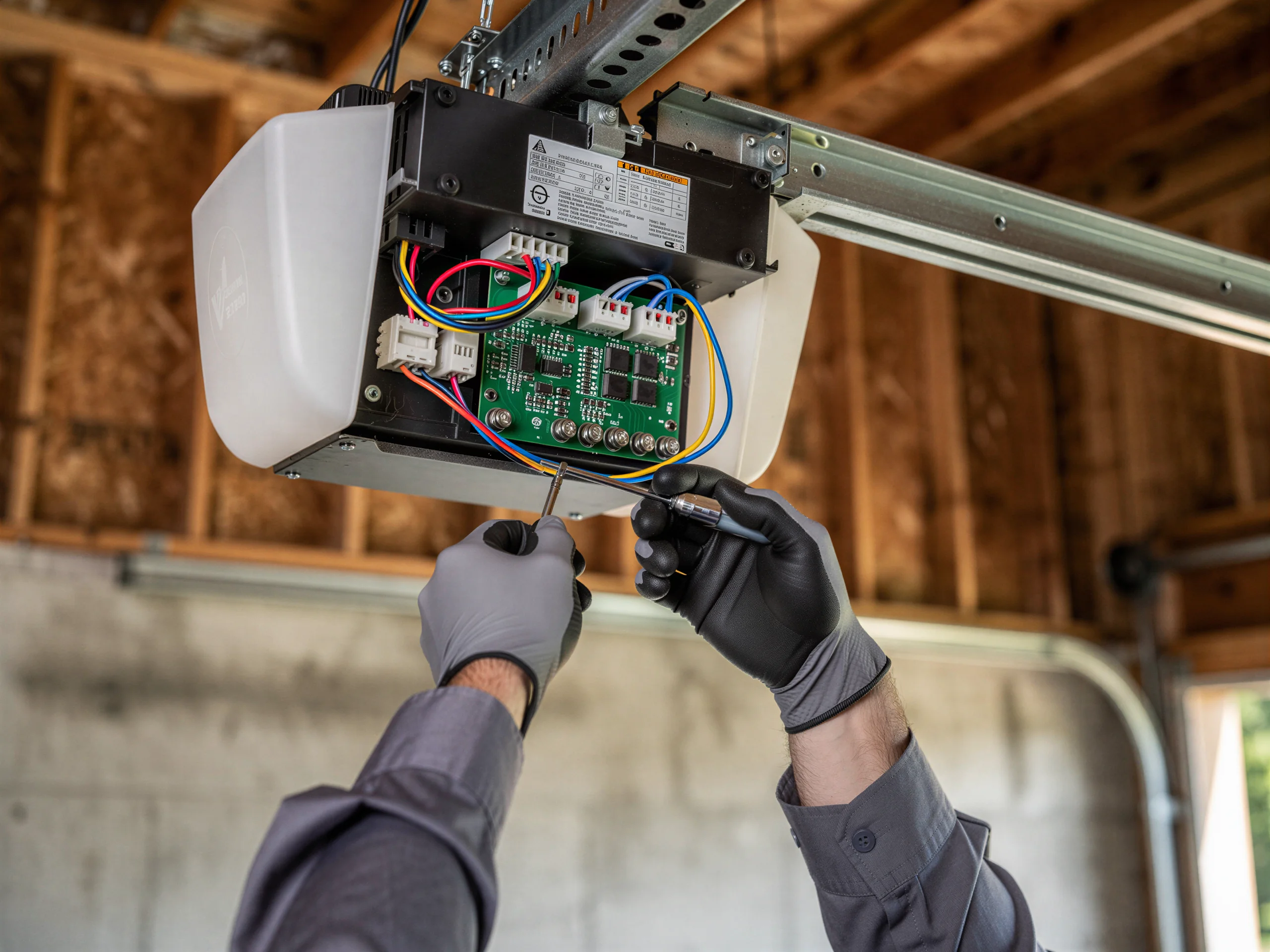
If the track and springs are sound, we mount the new opener to the existing rail position where it makes sense, but we don't assume old brackets are rated for a heavier unit; if they're undersized we replace them rather than bolt new equipment to old hardware and call it done.
Fresh wiring and sensors
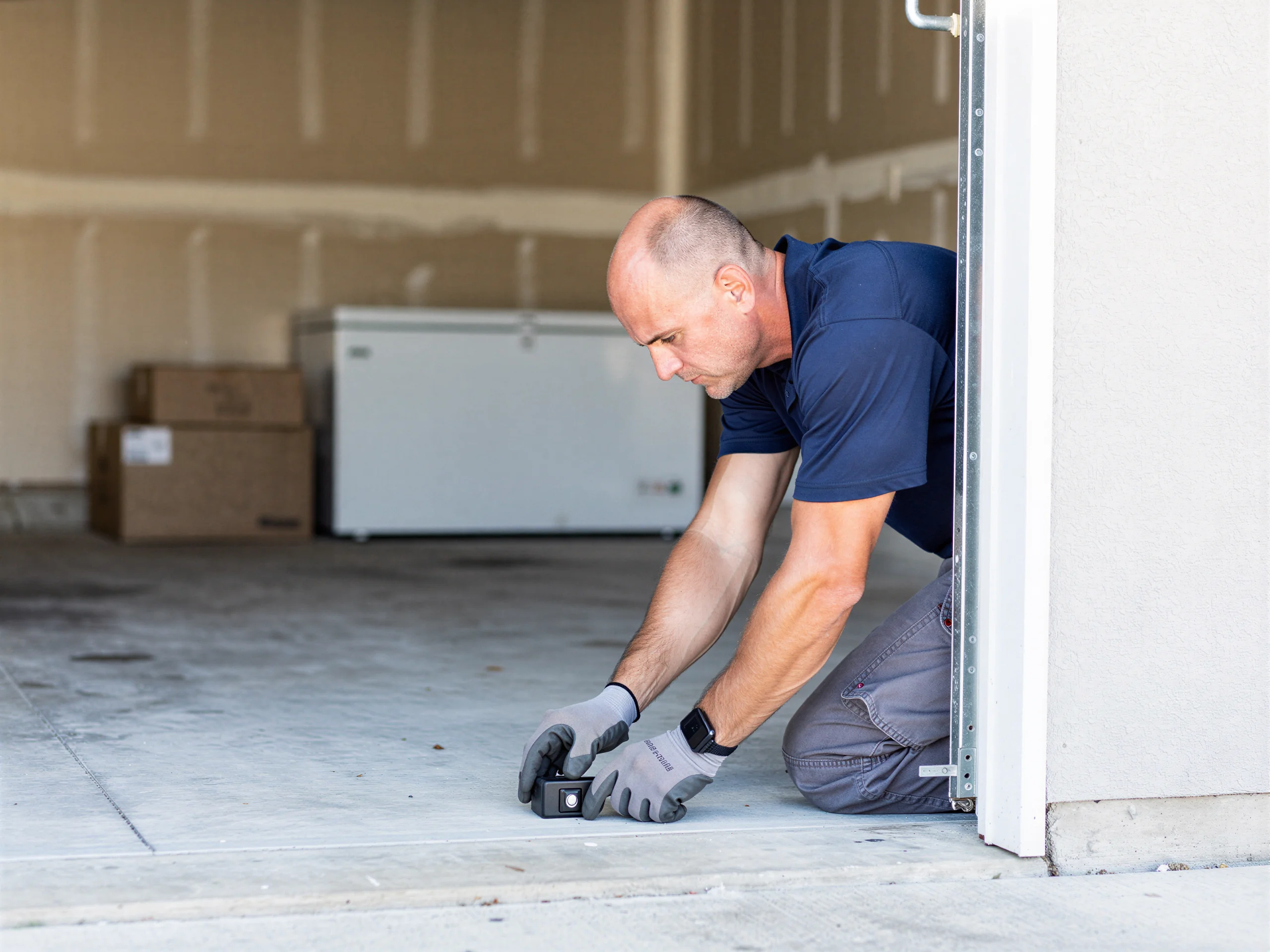
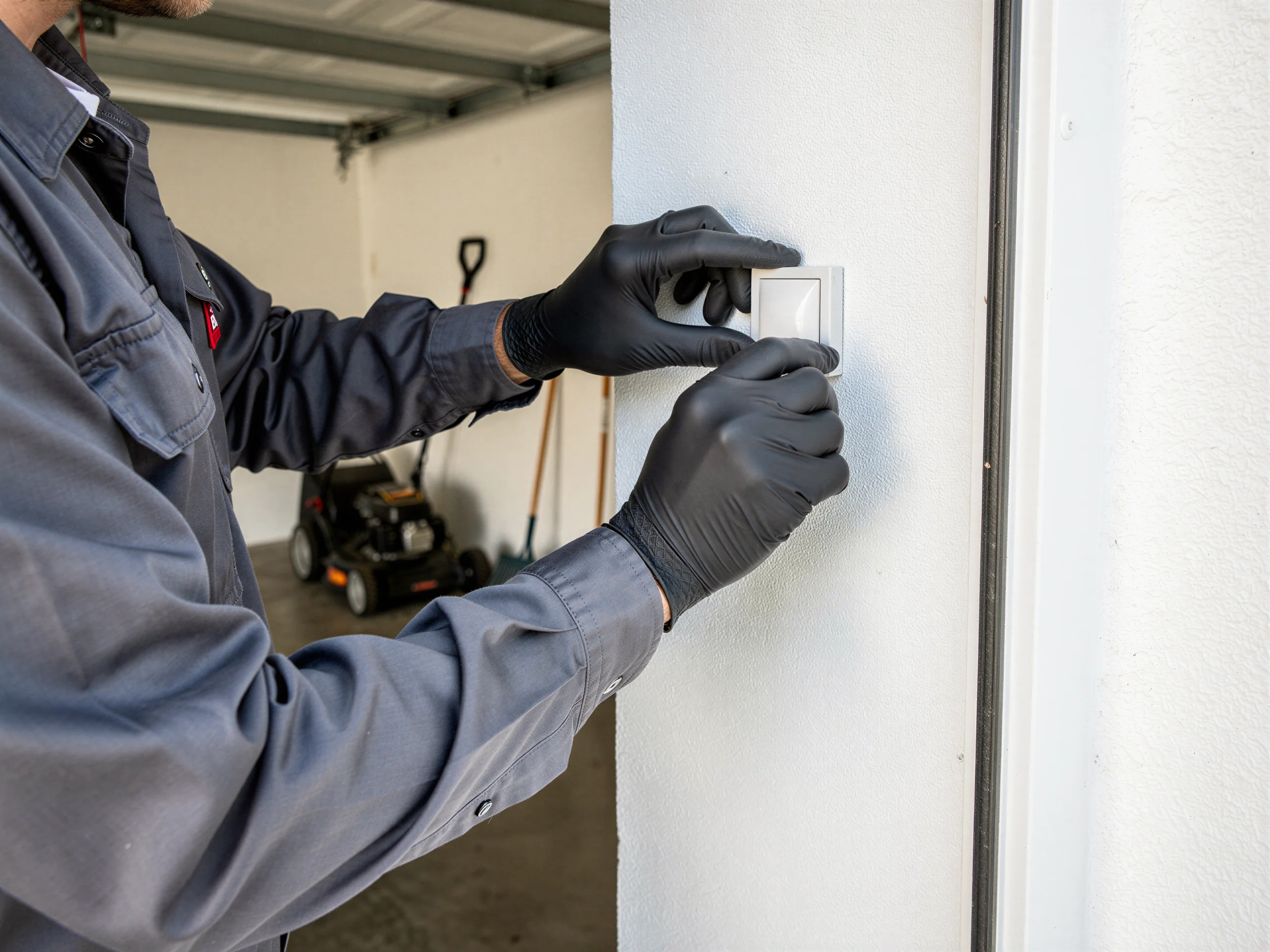
We run fresh wiring to the wall station and the safety sensors - a lot of older setups in this area never had sensors added when codes changed, so this is often new, not a retrofit.
Full cycle obstacle test
Once it's mounted, we set travel limits, force settings, and the safety reverse, then test it on a full cycle with something in the beam path before we call the job finished. We don't leave an opener installed without that test running correctly.
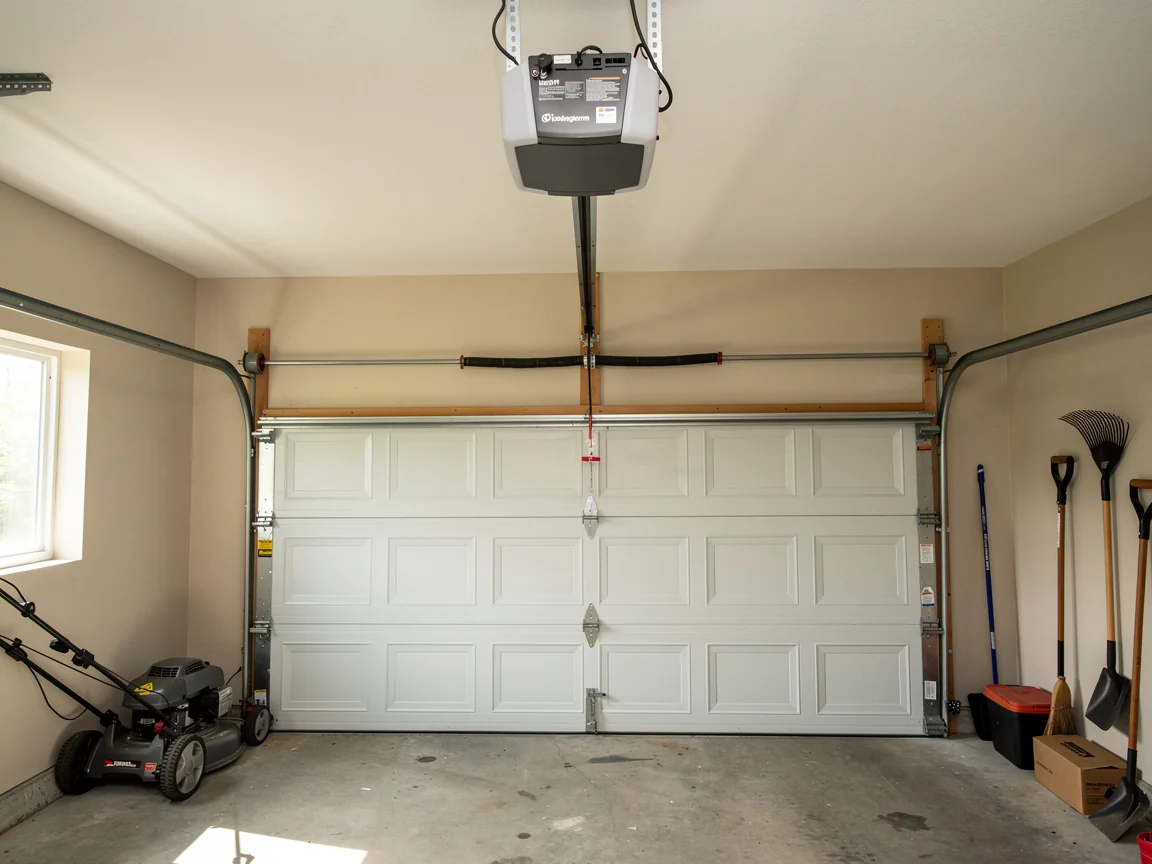
What Is on the Truck
We carry a range of opener units - chain, belt, and screw drive - in the horsepower ranges that cover the door weights common in this area, along with wall consoles, remotes, and safety sensor kits. We stock standard mounting brackets and header plates sized for both older rail profiles and current ones, since a straight swap on a 1980-built garage often needs an adapter piece that a newer home wouldn't. What we don't always have on the truck is a replacement for every obsolete rail length or odd ceiling-mount bracket from that era - some of those were discontinued decades ago, and if yours is one of them, we may need to order a part or adapt what's there, which can add a day to the job. We'll tell you that up front rather than improvise something that won't hold.
The Complications
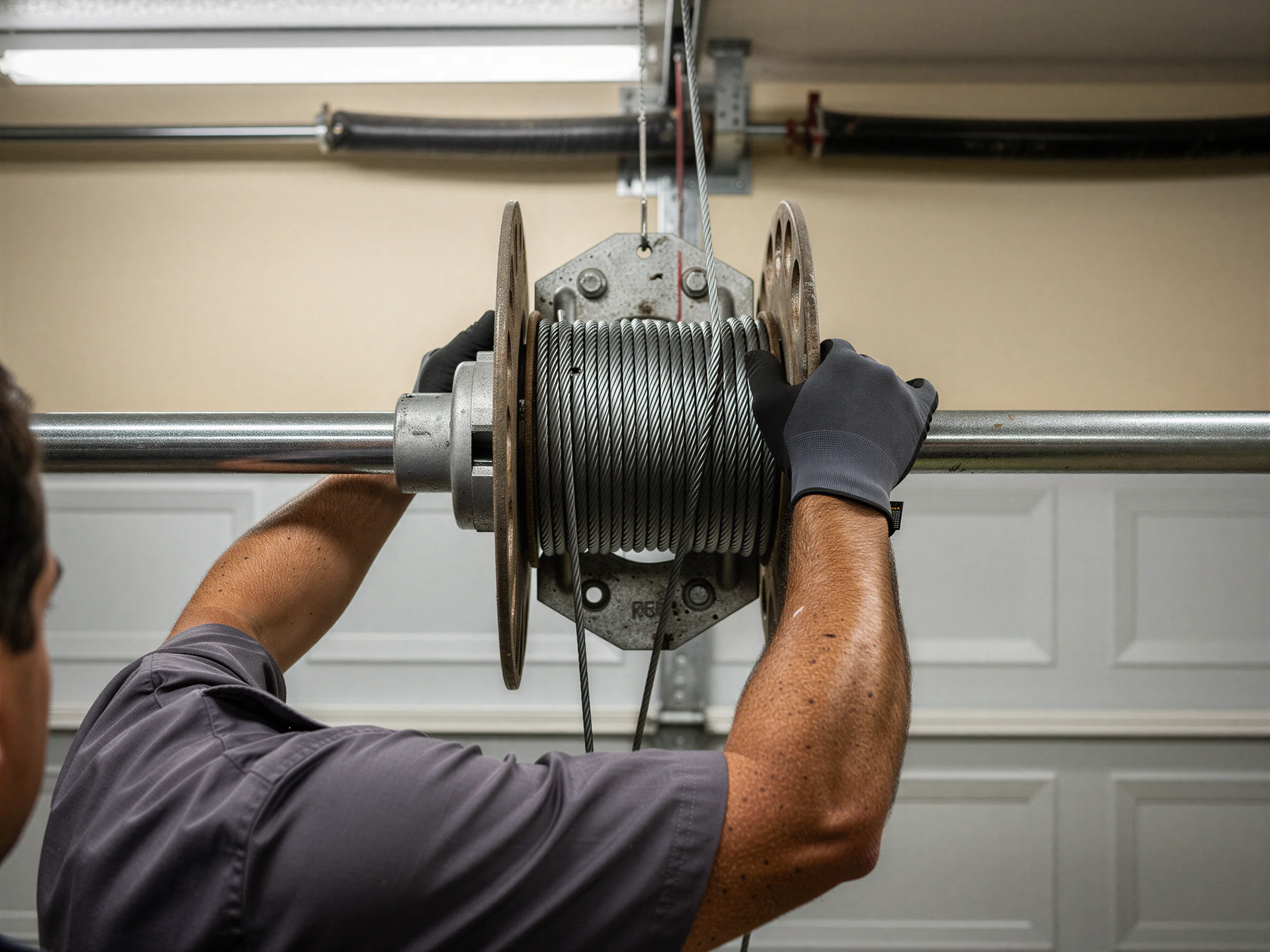
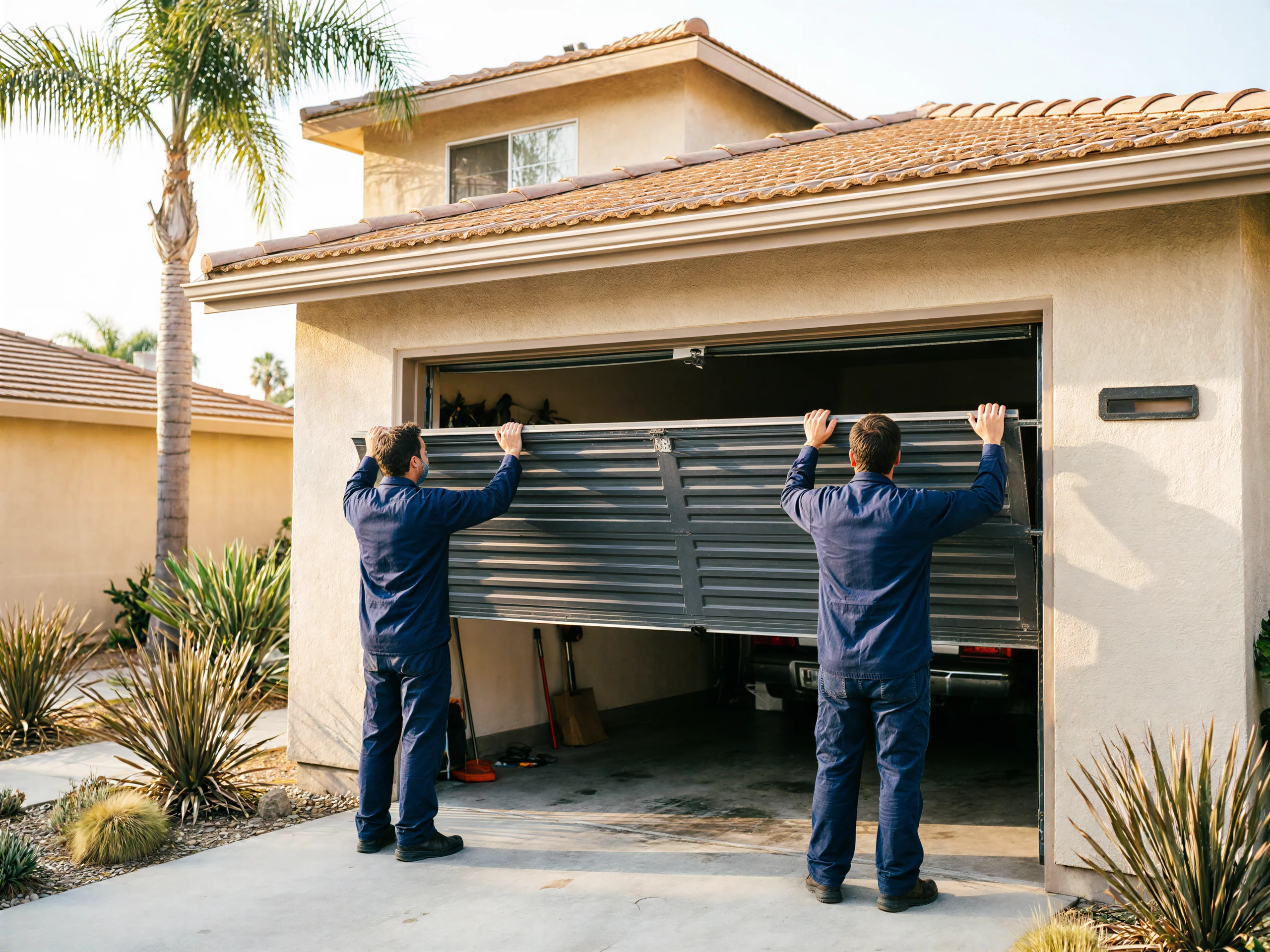
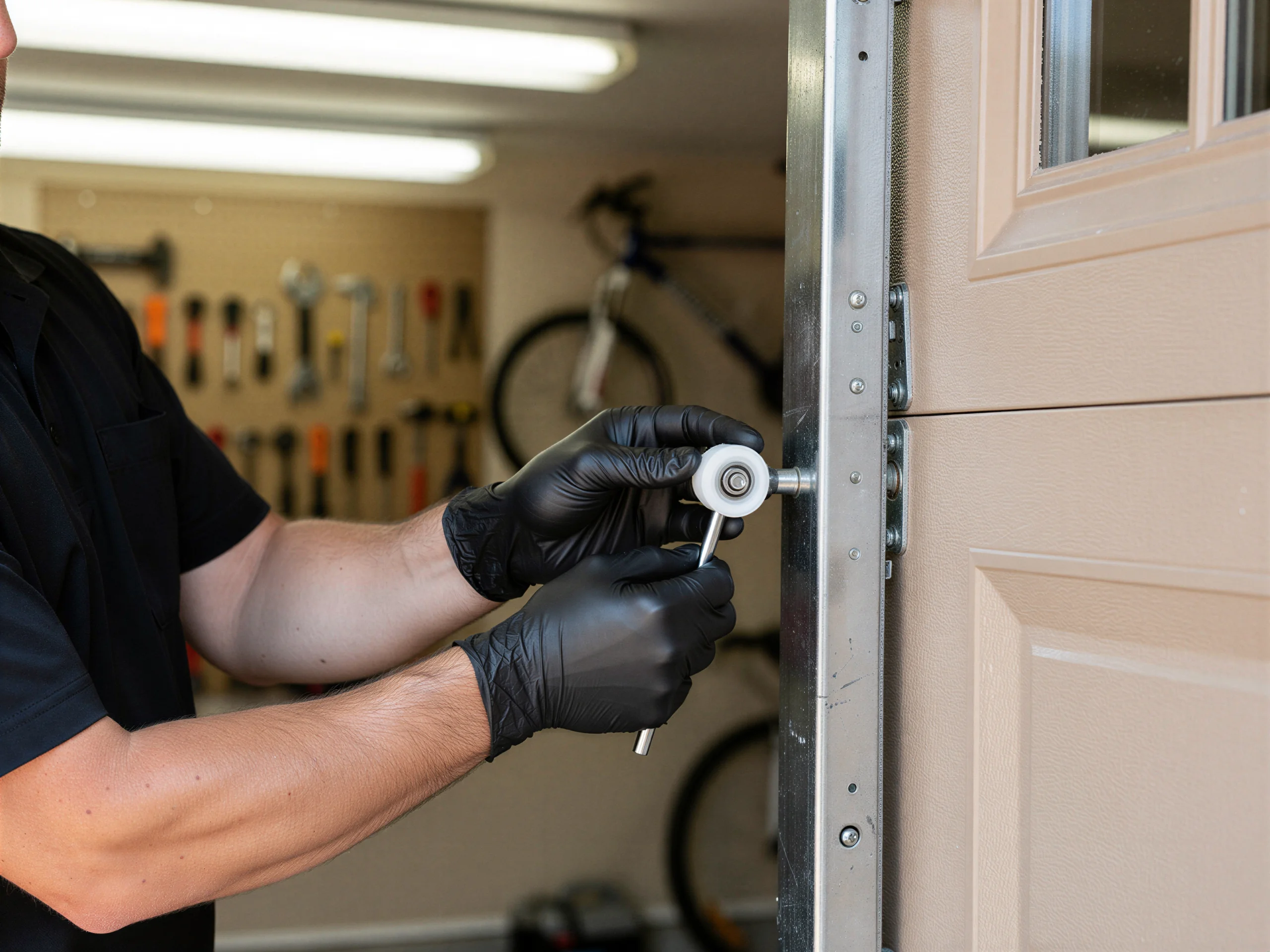
The complication we run into most in Marina isn't the opener itself, it's what's attached to it. A 1980-era door on original track sometimes has springs that were never resized when the door was replaced or weatherstripped years later, and an opener can't fix a spring problem - it just works harder against it until something breaks.
Springs fight new motor
We'll flag that before we install anything, because mounting a new motor to a door that's fighting its own springs is a quick way to burn out the unit in a year.
Ungrounded wall wiring
We also run into wall wiring that predates grounded circuits being standard, which means a code-compliant outlet or junction box sometimes needs attention before we can safely power the new unit.
Odds on original hardware
None of this is common on every job, but on a house with original 1980 hardware, the odds of at least one of these showing up are real, and we'd rather tell you now than surprise you with an invoice line later.
The Cost of This Job
Before we talk price, here's what's usually still bolted to the ceiling in Marina: the opener that came with the house. Median build year here is 1980, which means a lot of garages are running a motor unit that's been there since before most current owners bought the place.
Replace on failure signs
Nobody swaps an opener on a whim when it still opens the door most days - you replace it when the gear strips, the chain starts slapping, or the logic board finally dies. Cost on a job like this depends on horsepower, drive type (belt, chain, or screw), and whether we're also pulling old mounting hardware that doesn't match today's rail brackets.
Straight swap versus rework
A straight swap onto existing, sound track and springs runs different money than a job where the bracket, header mount, and wiring all need redoing because none of it was built for a modern unit.
Number after site visit
We'll give you the number after we look at what's actually up there, not before - a quote over the phone on a job this age is usually wrong in one direction or the other.
Why It Happens Here
With a median build year of 1980 across Marina, the opener hardware that's "still original" is more common here than in neighborhoods built in the 2000s. A door from that era was likely fitted with a chain-drive unit sized for a lighter, single-layer wood or early steel door - not the heavier insulated panel doors a lot of owners have upgraded to since. Swap the door and keep the old opener, and you've got a motor straining against weight it was never rated for. Add in the mild coastal temperate conditions this area sits in - no deep freeze, no extreme heat cycling - and the housing stock doesn't force hardware failure the way harsh climates do. That's actually part of the problem: nothing forces the swap, so openers run well past the point where the gear teeth are worn thin and the capacitor is weak, until one morning it just doesn't turn over.
Talk to a local pro
Garage door service in Salinas?
Same-day service with honest, upfront quotes.