Getting It Booked In
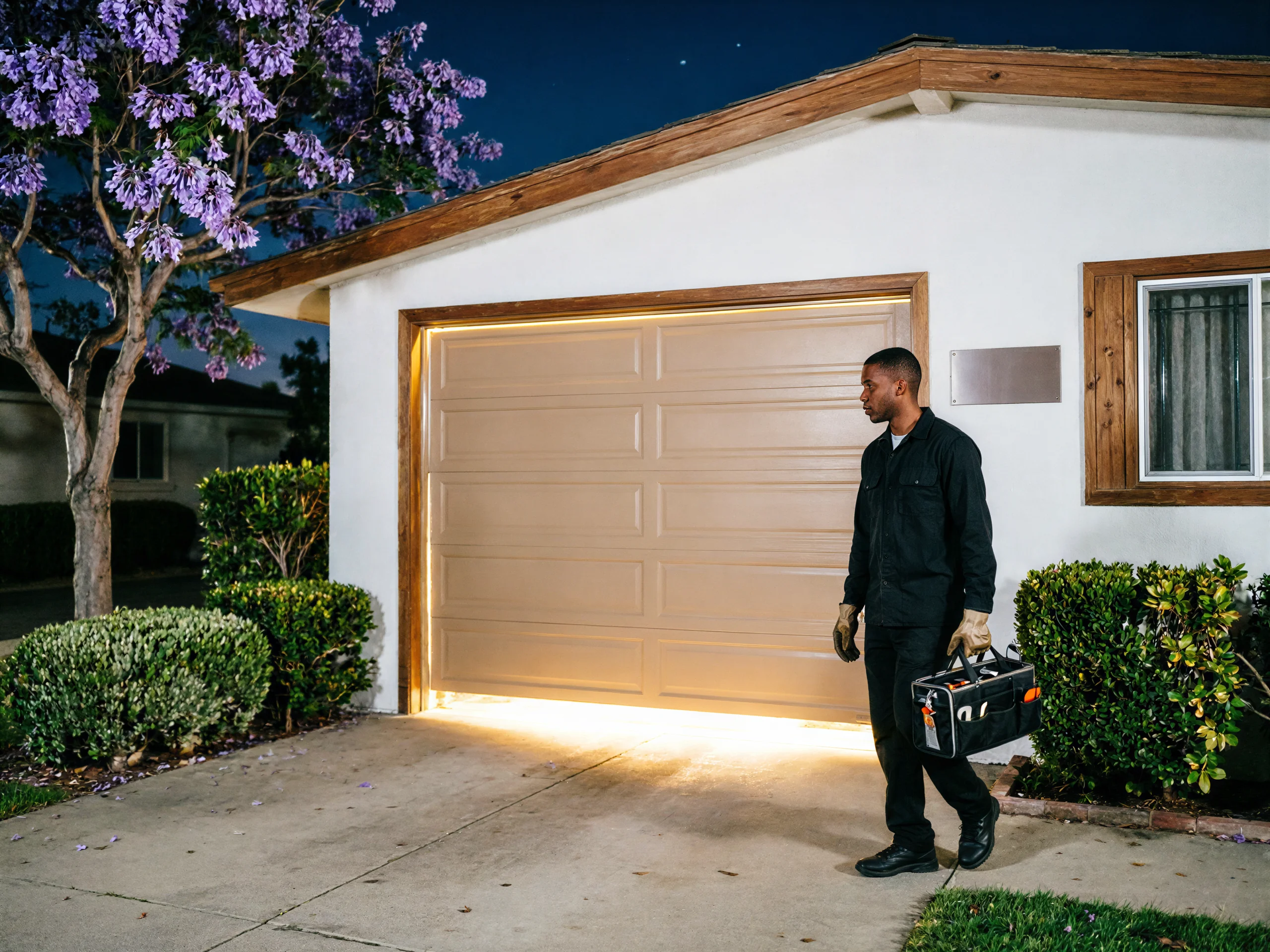
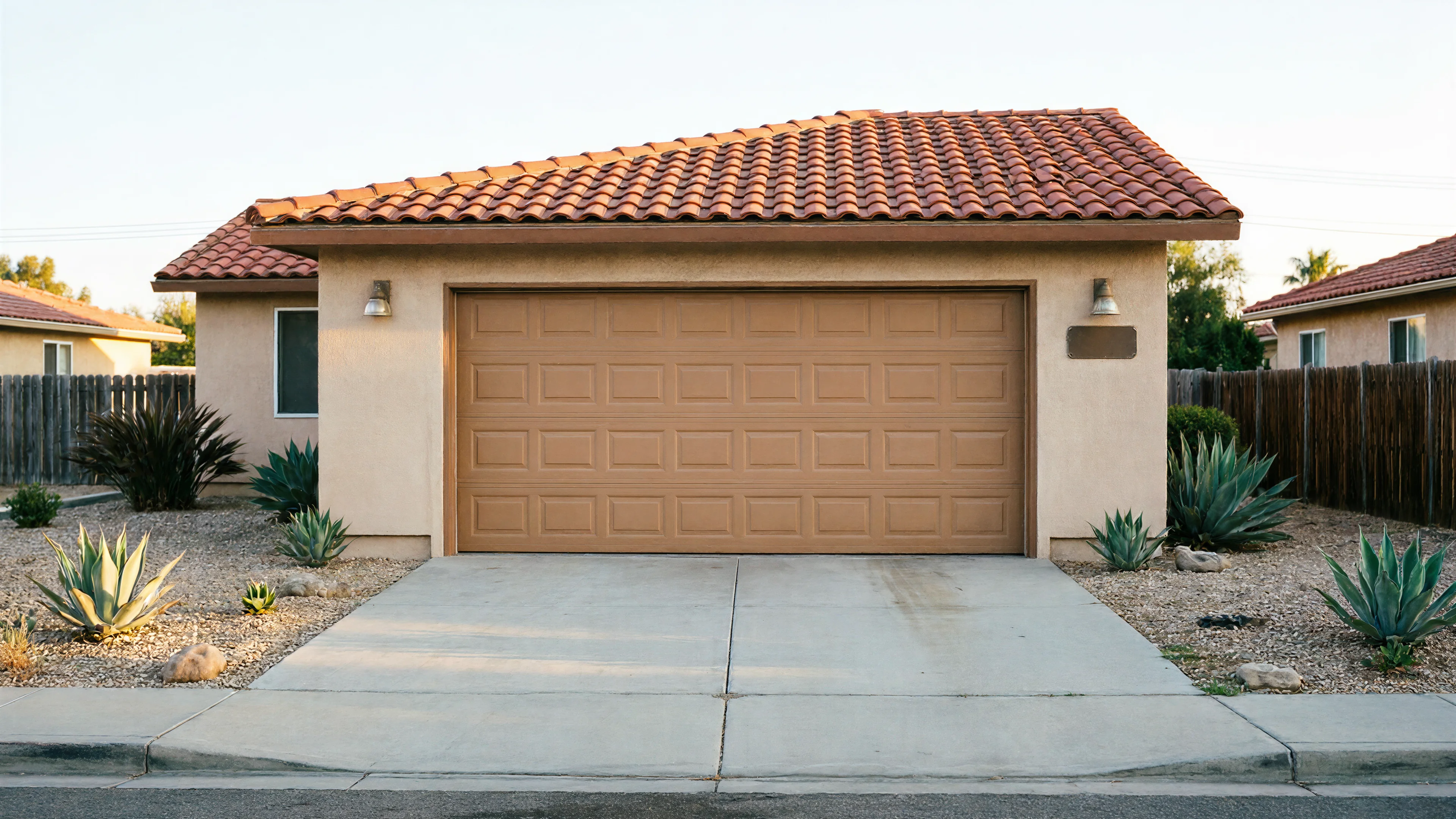
Salinas Garage Door Pros works out of Salinas, about 11 miles from Seaside, and cable repair calls here go on the schedule the same way they do anywhere else we cover - we don't run a branch or a drop-in counter in Seaside itself, so there's no walk-in option, just a scheduled visit.
Cable count on call
When you call, tell us the door's approximate age if you know it and whether it's one cable or both that look affected - that helps us load the right cable gauge and pulley size before the truck leaves.
Straight on cable scope
With a median household income in Seaside of $82,303, somewhat below the $105,568 median across the full service area, we try to be straight about when a cable repair is the right call versus when a door's other hardware is far enough gone that the repair bill starts competing with partial replacement.
Related coverage pages
Most cable jobs on their own are a repair, not a replacement decision. See the Seaside coverage page for what else we handle in the area, or the Salinas cable repair page for the service overview.
What Is on the Truck
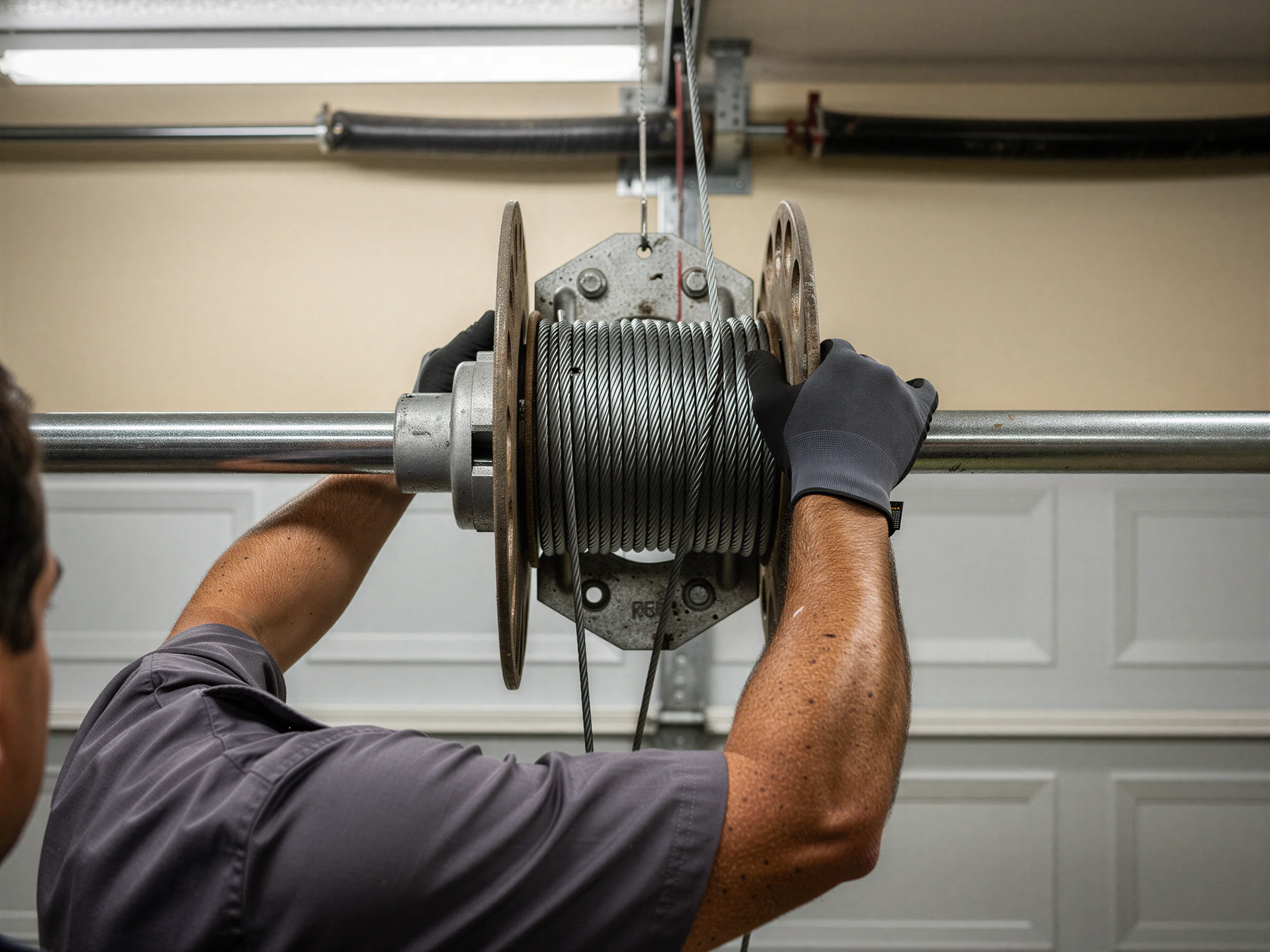
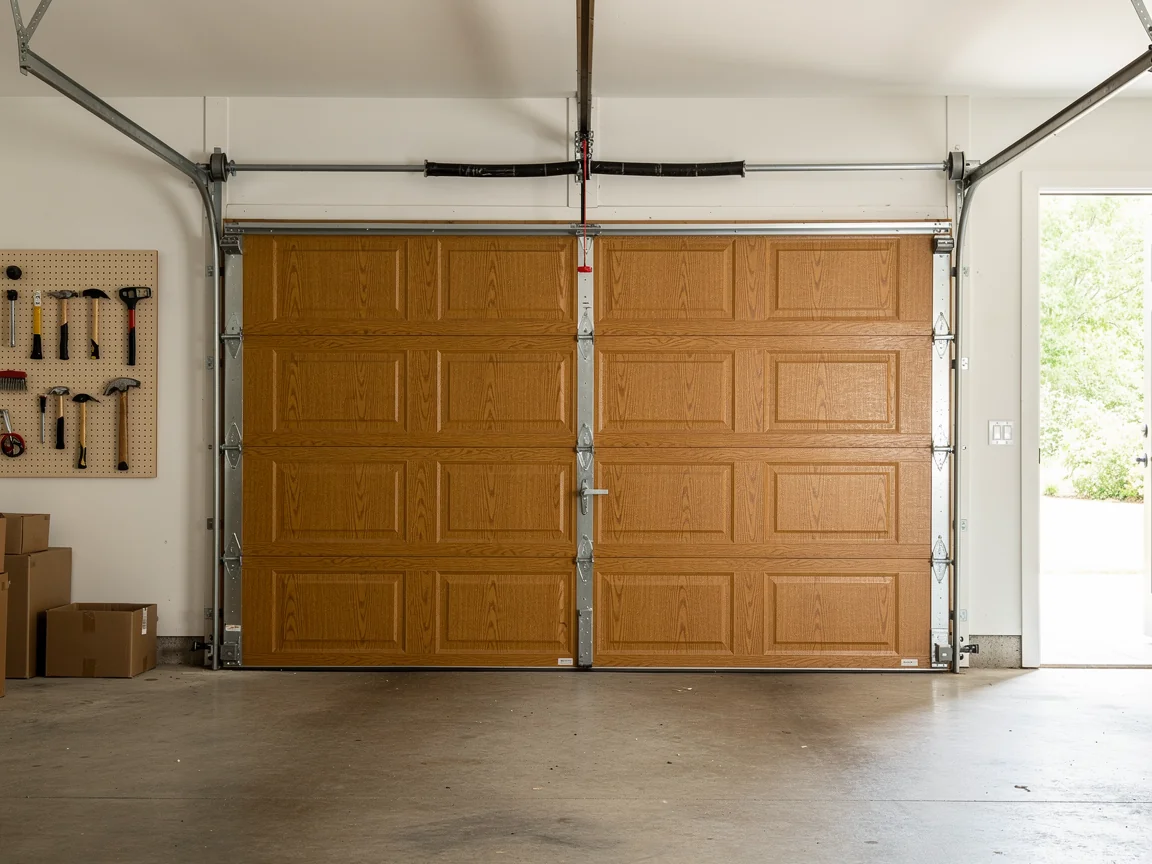
For a cable call in Seaside, the truck carries galvanized lift cable in the common lengths and gauges used on extension-spring doors from the 1960s-70s era, plus the pulleys and drums that pair with them - because on an older door, the pulley is often worn in a groove that matches the old cable's diameter, and a new cable in a chewed-up pulley wears out fast.
Clips and stops for hardware
We also carry the clips and cable stops sized for that hardware. What we don't carry for every job: an exact match for every bracket or drum variant installed over 50-plus years of repairs and partial replacements on these doors.
Patched doors need ordering
If a door's been patched more than once already, there's a chance the part on hand doesn't fit and we have to order the right one. That's the honest limitation - we'd rather tell you that up front than swap in something close enough and have it fail again in a year.
Check system before parts
We also stock torsion-spring cable and drums for the newer doors mixed into Seaside's housing, since not every house here is original-era construction. A tech checks which system is on the door before pulling parts off the truck, not after.
Why It Happens Here
The fault pattern in Seaside tracks the build year. A door built around 1968 was almost certainly installed with an extension-spring system - two springs stretched along the horizontal tracks, lift cables running from the bottom brackets up and over pulleys to the drums. That design puts the cable under repeated bend-and-release stress at the pulley, which is where these cables eventually fray and snap, usually with no warning beyond a slightly uneven door in the weeks before.
Across the broader service area, the housing stock is mostly 1960s-70s, and Seaside's own median sits right in that window. That means a large share of the doors we get called to here still have original or first-generation replacement hardware - cable, pulley, and drum sizes that don't always match what's stocked for newer torsion doors.
The climate band here is mild temperate, so we're not dealing with the extreme temperature swings that stress steel cables through thermal expansion and contraction the way a harsher climate would. That's one thing working in these doors' favor - the cable failures here are almost entirely wear and fatigue from age and cycles, not weather damage.
How We Fix It
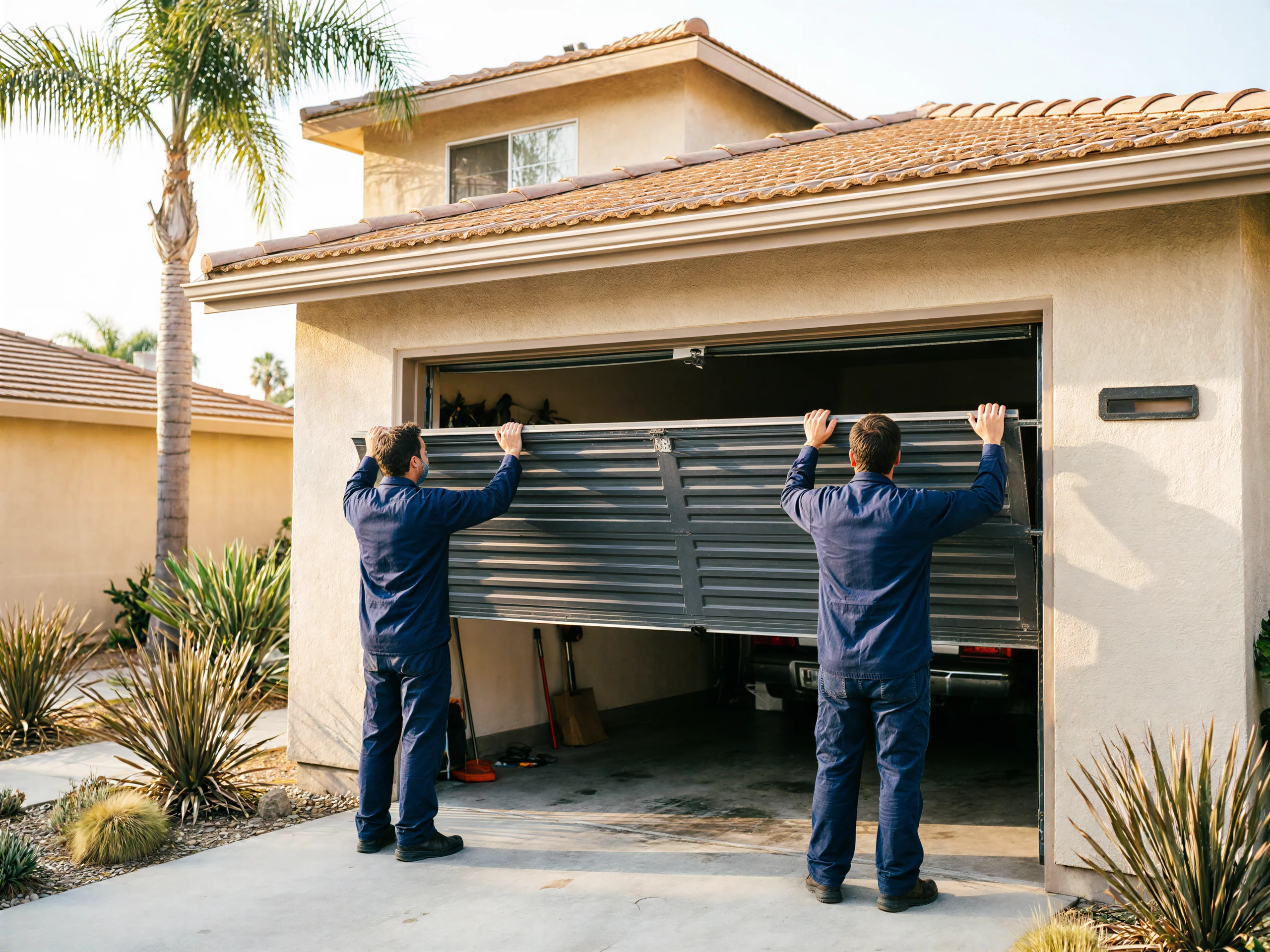
A broken cable almost always shows up the same way: the door drops crooked, hangs at an angle, or won't budge past a few inches before it binds.
Release tension first
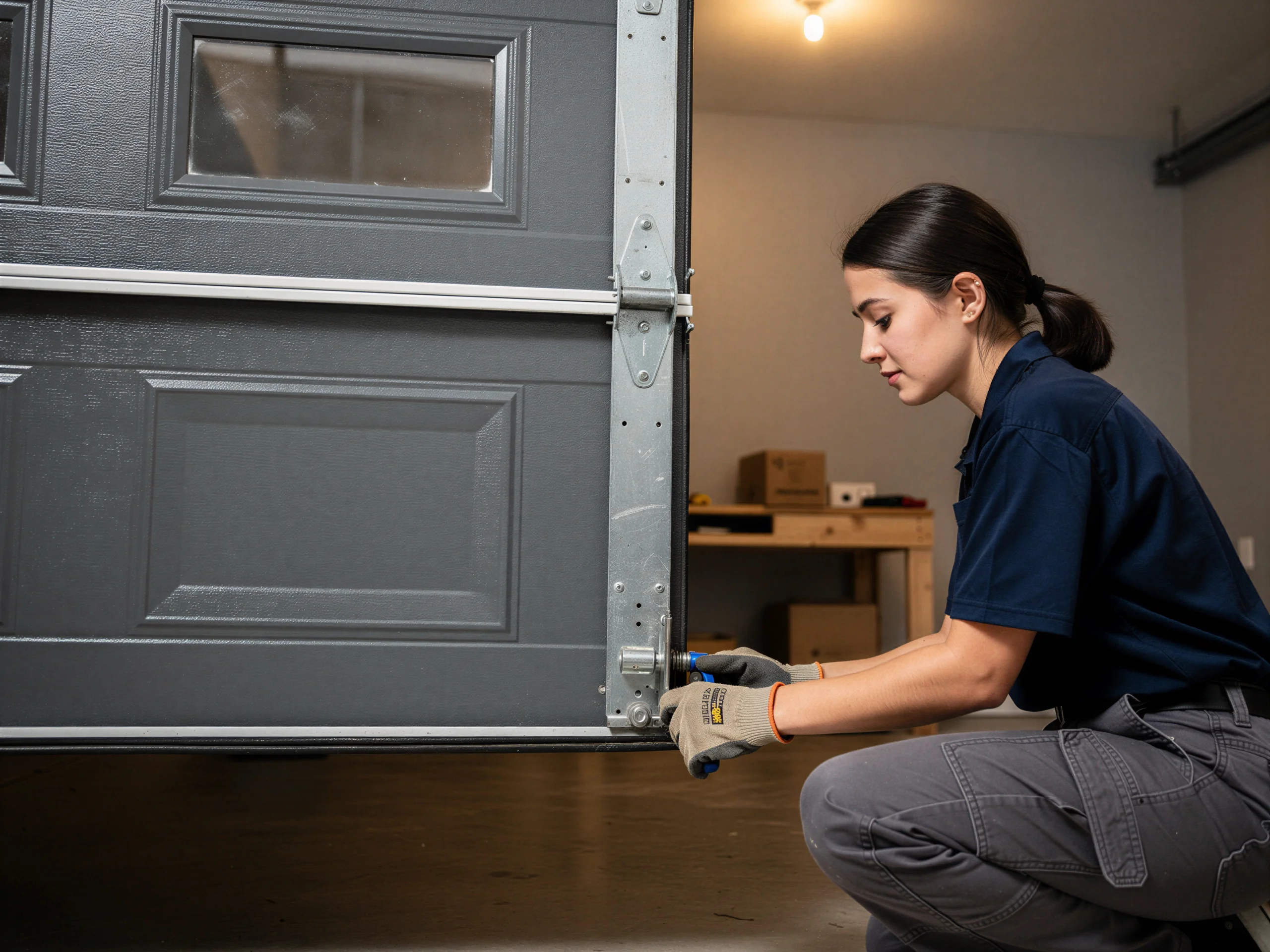
On a two-car door that's usually one cable gone on an extension-spring setup, with the opposite side still under tension and the panel twisting as it tries to travel. We release the spring tension first, pull both old cables off the drum and pulley, and run new galvanized aircraft cable sized to the door - not a generic length cut to fit.
Exposed cable era
Seaside's housing stock leans toward a build era (median year 1968, per the wider service area's 1946-2002 range) when extension-spring systems with exposed lift cables running over pulleys were the standard setup, not torsion springs.
Pulley-wear fraying
That hardware wears differently than newer torsion conversions - the cable rides over a pulley wheel for decades and eventually frays where it bends, rather than failing at a drum. If both cables are original to the door, we replace both, even if only one broke.
Second trip costs more
A cable that's been flexing over the same pulley groove for 50-plus years isn't far behind the one that just let go, and a second trip costs more than doing it once. We won't talk anyone into a full door replacement for a cable problem - that's a different job with a different price, and most of these doors are fine once the cable's right.
Talk to a local pro
Garage door service in Salinas?
Same-day service with honest, upfront quotes.