How Long It Takes
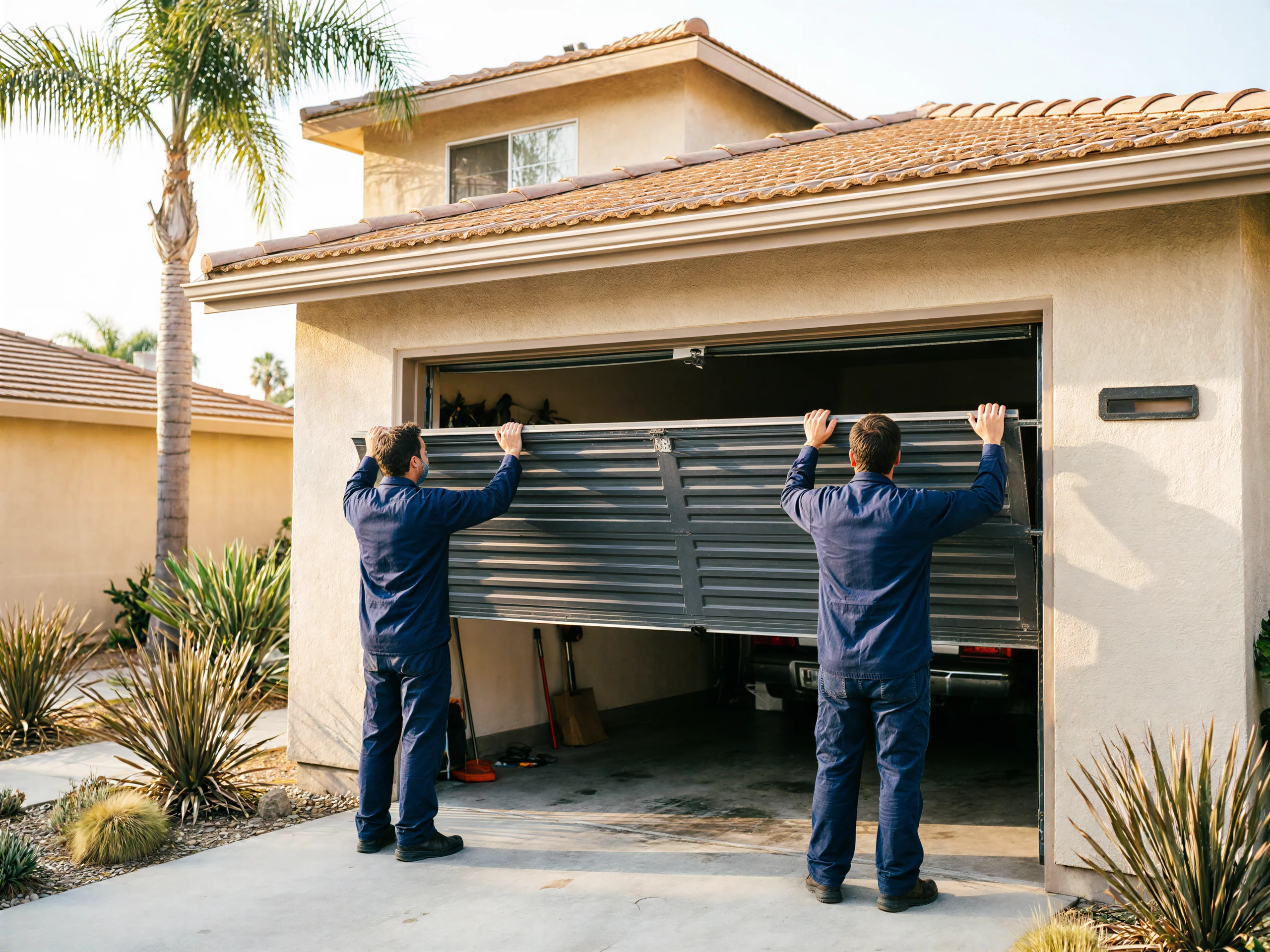
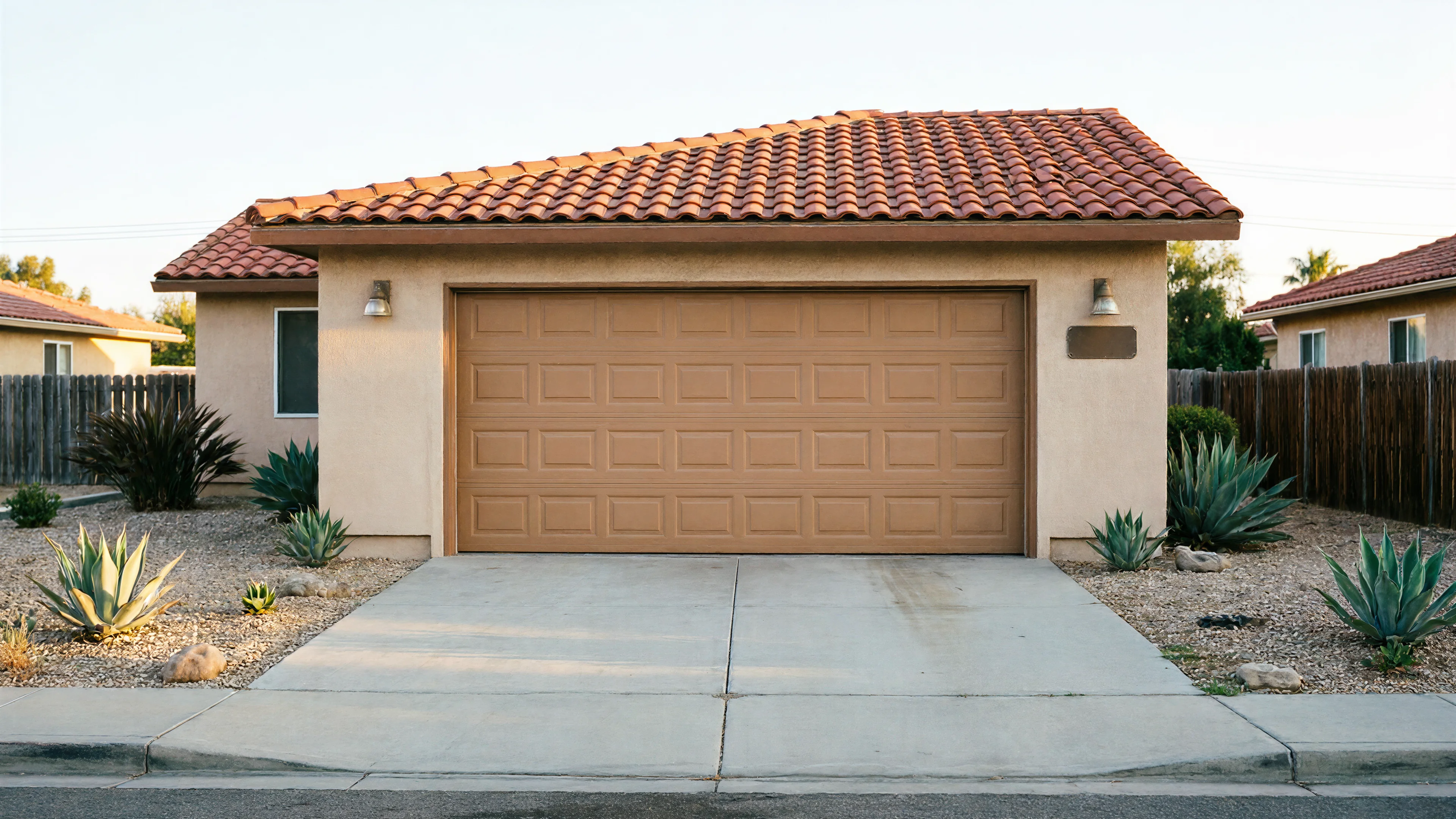
A straightforward torsion spring swap or roller replacement on a Prunedale door usually runs under two hours once the truck is on site. What slows a job down here is age, not complexity. A lot of Prunedale garages still have the original opener and track from the 1970s build-out, and matching a 45-year-old rail to a new drive unit takes more fitting than bolting on a current kit. If a cable has jumped the drum or a panel is bent on a steel door from that era, expect the visit to run longer while we work around hardware nobody has made new in decades. We quote the time once we've seen the door, not before, because a 1976-built single-car garage and a later two-car addition on the same lot can have completely different setups.
The Symptom
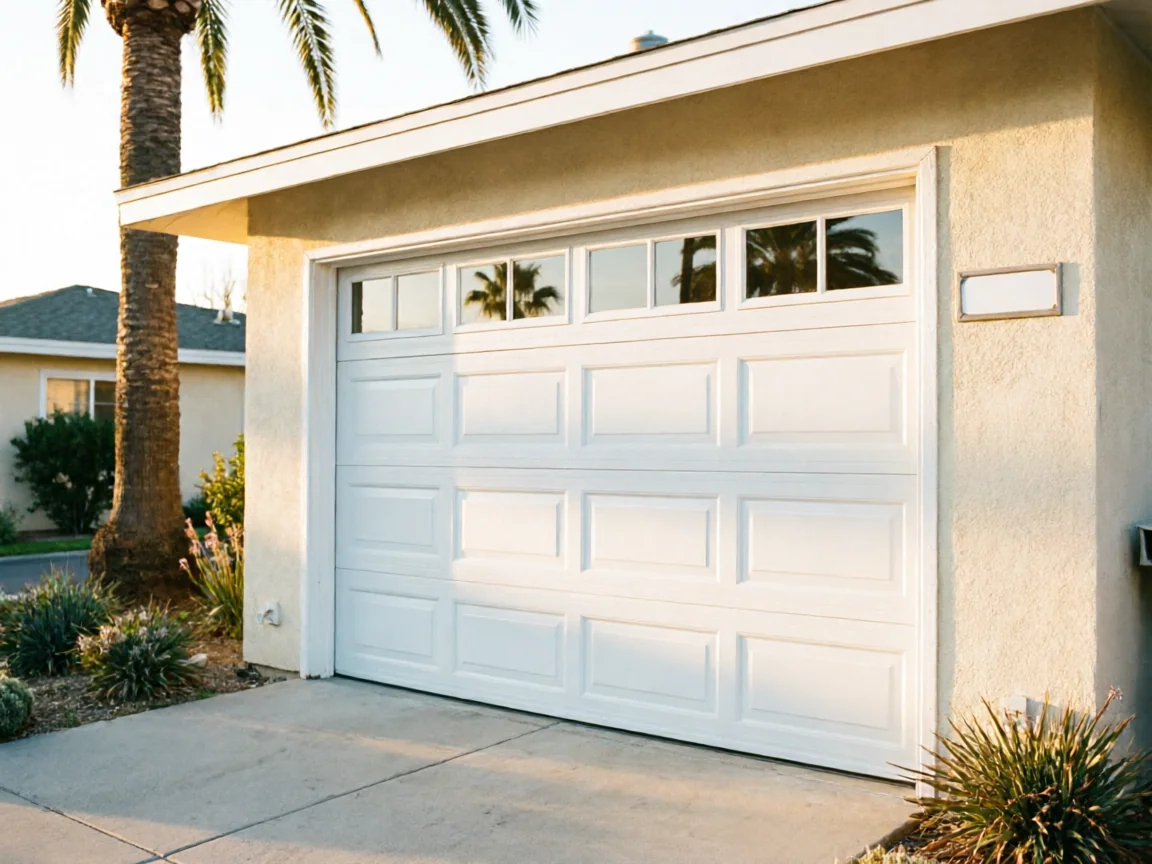
The call we get most from this area is a door that groans, hesitates halfway up, or drops the last foot instead of settling.
Build era explains spring loss
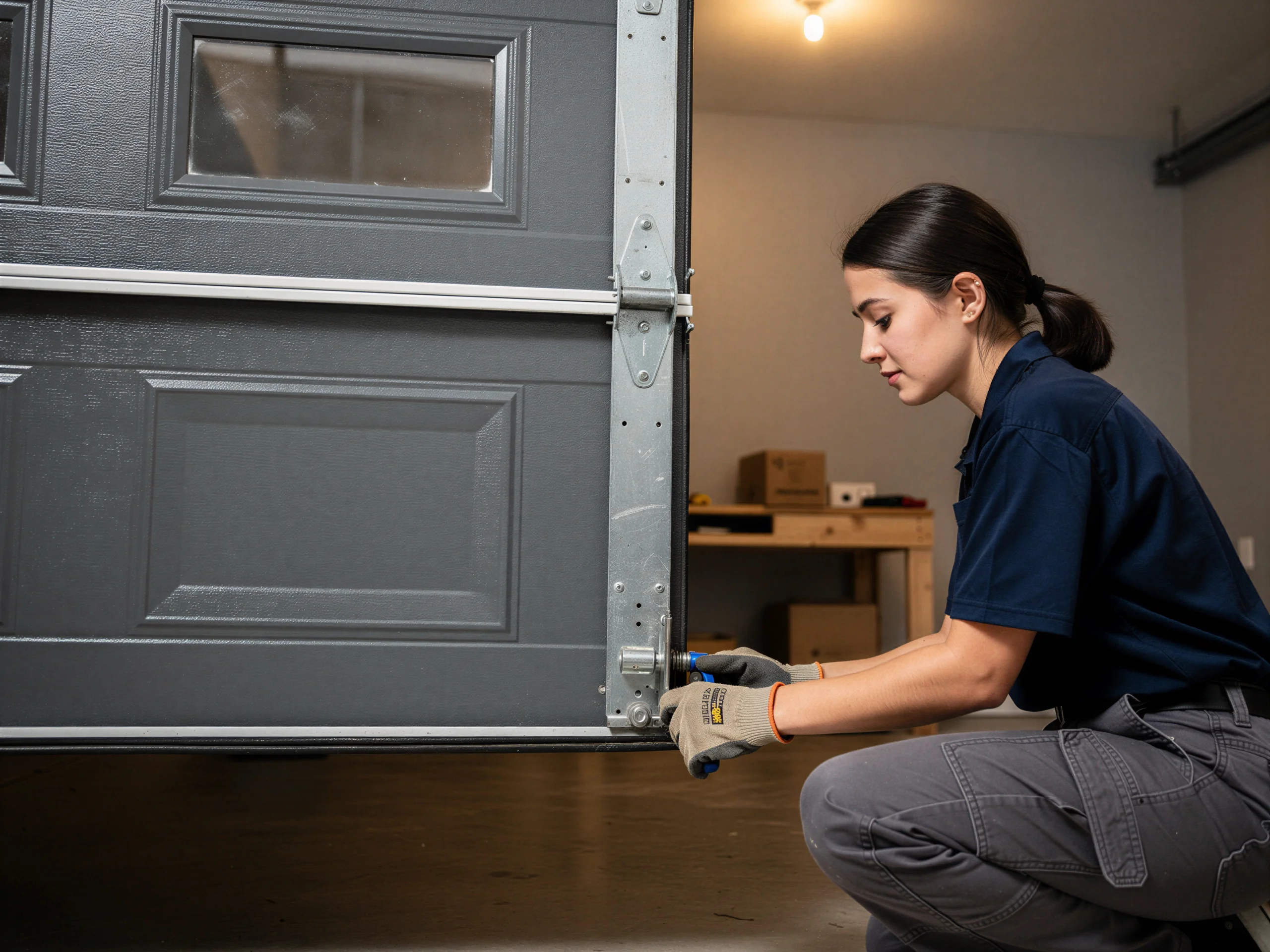
That's a torsion or extension spring losing tension, and it tracks straight back to the building stock: F1 puts the median year built across the service area at 1976, and F2 confirms most of the stock here is 1960s-70s construction.
Heavier steel, harder sourcing
Doors from that run were built on heavier steel sections than today's panels, hung on side-mounted torsion hardware that's stiffer and harder to source than the center-mount springs on newer builds. The mild coastal climate keeps rust and brittle plastic from being the main culprit here the way it is inland - it's age and cycle count on original hardware that wears these doors out, not weather damage.
What Is on the Truck
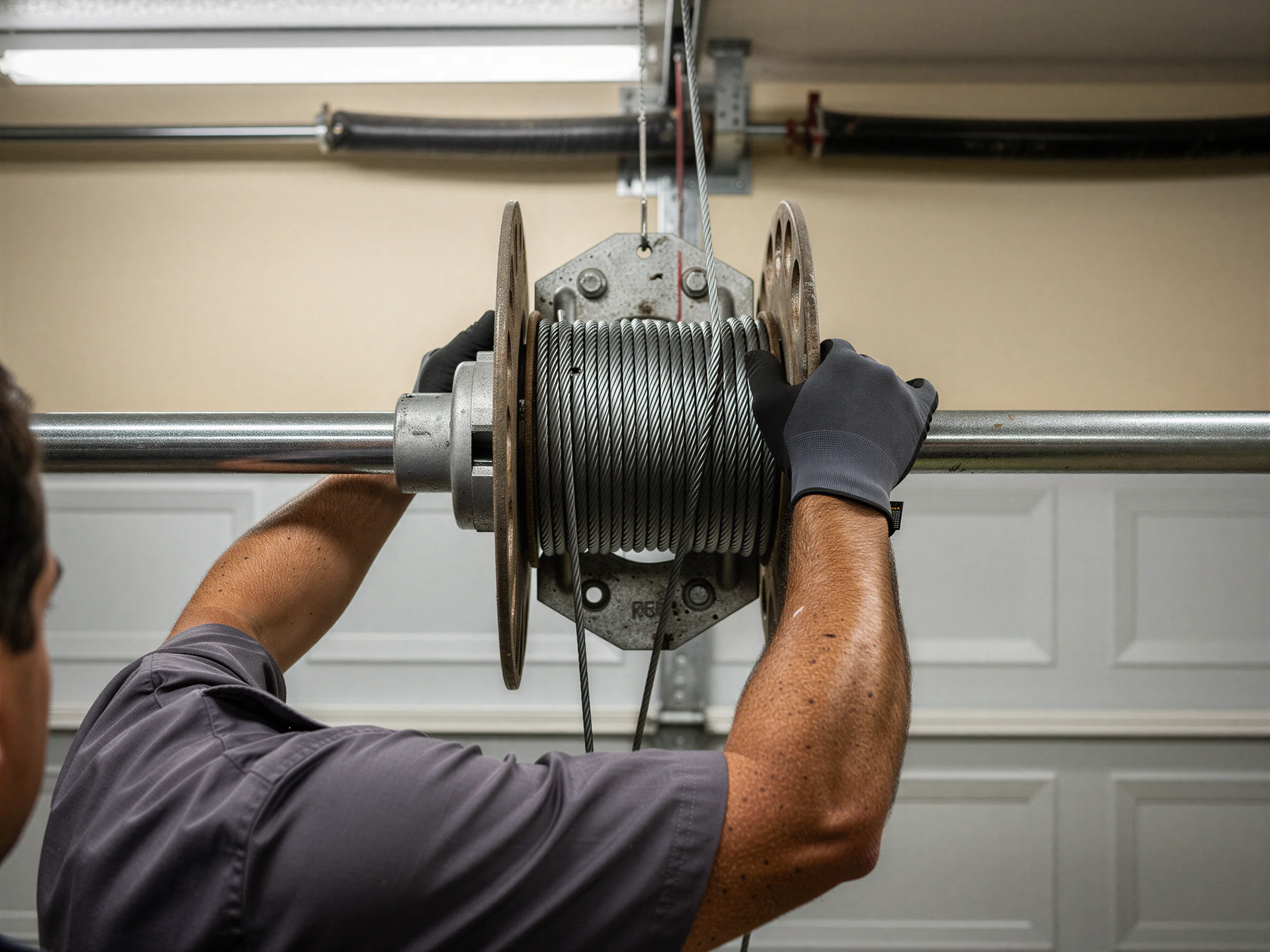
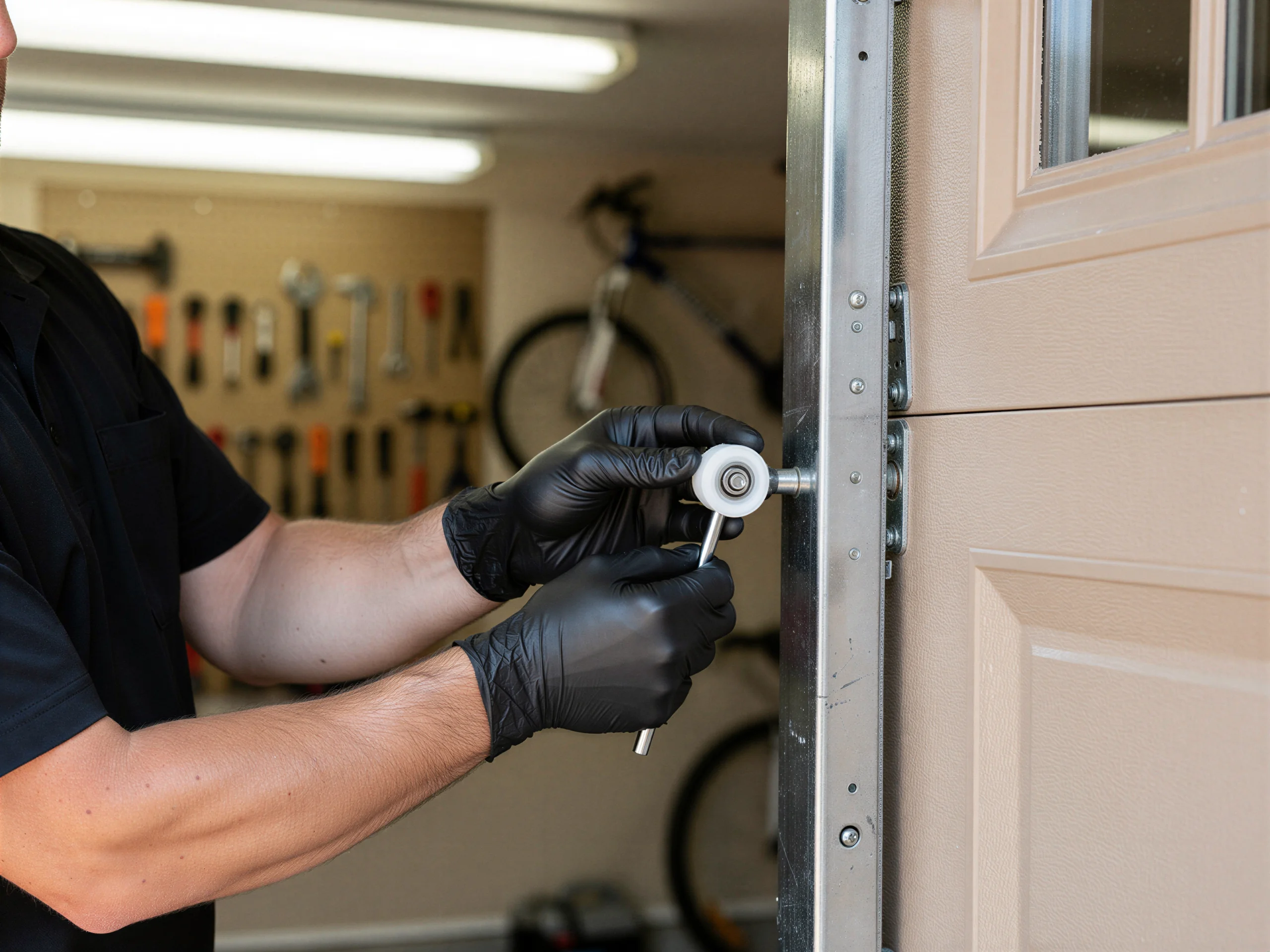
Because so much of Prunedale's housing predates current door sizing and opener standards, the truck carries a spread of torsion spring sizes rather than one or two common ones - a 1970s double door often takes a different wire gauge than anything built in the last fifteen years. We also stock extension springs, since a share of the older single-car garages here were never upgraded to torsion systems at all. Rollers, end bearings, and flag brackets round out the bin, since those wear out on original hardware long before the door panel itself gives up. What we don't carry is obsolete opener logic boards - if a 1980s chain-drive unit's circuit board fails outright, the honest move is usually a new opener rather than hunting for a part that stopped being made years ago.
The Cost of This Job
We don't quote a number sight unseen, but the job size tends to follow the housing stock. A single spring replacement on an original 1970s torsion setup costs about the same as it would on a newer door - springs are springs.
Bent track forces bigger swaps
Where cost climbs is when the original track or drum is bent or undersized for a modern opener, which means swapping more than the failed part.
Upgrades beat patch repairs
With median household income in the area at $106,442, somewhat above the wider service area's $105,568, we see more owners choose full opener upgrades over patched repairs when a door is already pushing fifty years old, simply because the parts math stops favoring the old unit.
The Complications
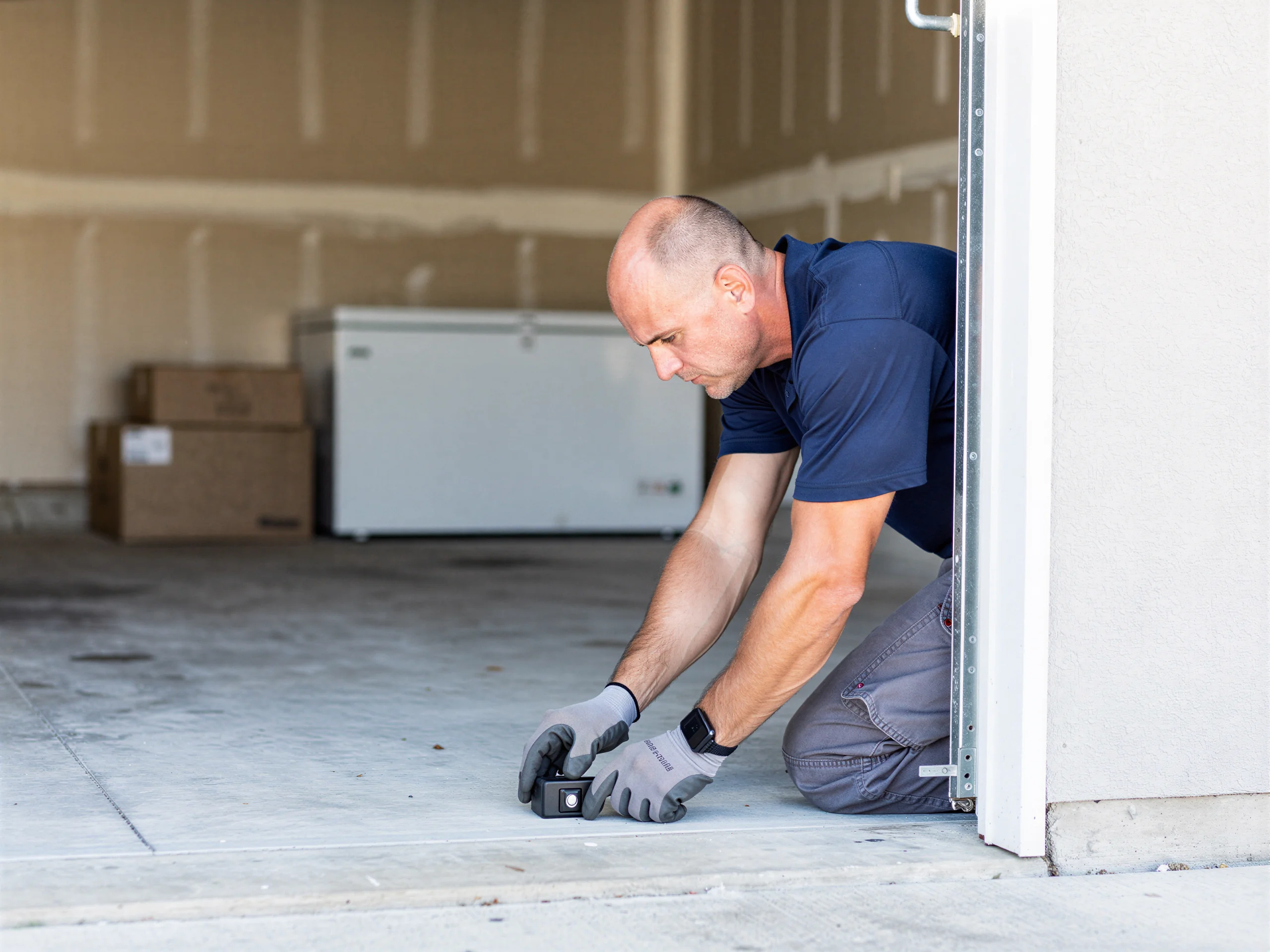
The biggest complication in Prunedale isn't the drive distance - it's finding parts for hardware this old. A door built in 1976 may have a track width or spring mount that current stock brackets don't match cleanly, and that means field-fabricating a bracket or special-ordering a part, which adds a day or two. Double garages converted from single-car openings, common across this era of construction, sometimes have headroom too tight for a modern opener's rail without extra bracing. We also run into doors where a previous owner mixed parts from two different decades - a 1990s opener bolted to a 1970s door - and getting the travel limits and safety reversal to work together properly takes more diagnosis time than a straight repair.
Doing It Yourself
Adjusting spring tension yourself on a door this age isn't where to learn - a wound torsion spring under load has put people in the hospital, and on original hardware from the 1970s the winding cones are often rusted or undersized compared to what's sold today. What you can reasonably do yourself: check and tighten loose roller brackets, clear track debris, and lubricate hinges with a non-grease product. If your door is original to a 1976 build and the opener motor has started to smoke, grind, or smell hot, that's the point to stop troubleshooting and make the call - at that age, the parts that fail rarely fail alone.
Talk to a local pro
Garage door service in Salinas?
Same-day service with honest, upfront quotes.