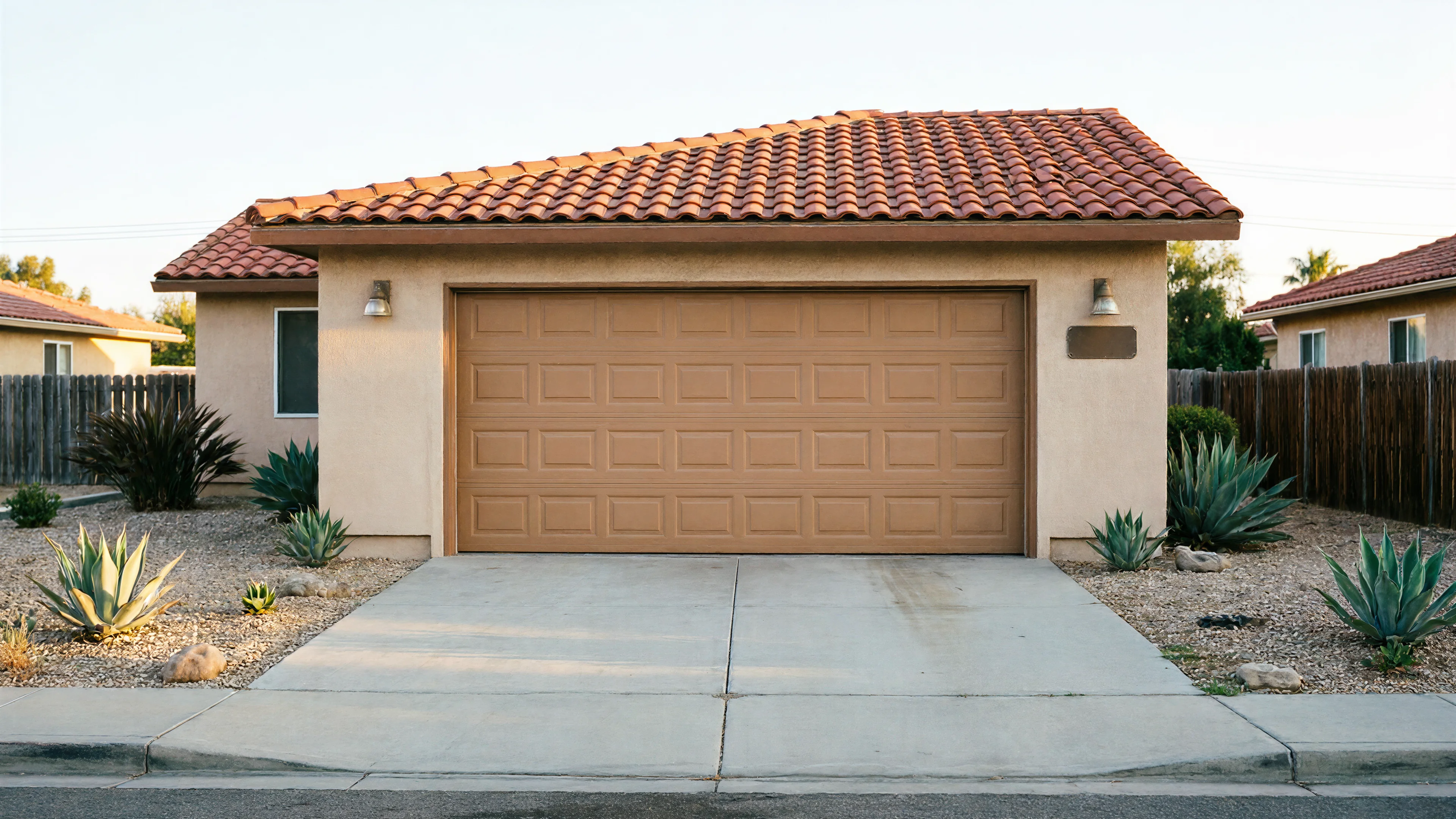
How Long It Takes
Prunedale is a small place - about 5,473 households spread out rather than stacked on top of each other, which means we're not doing five installs on one block the way we might in a denser part of the service area.
Straight swap timing
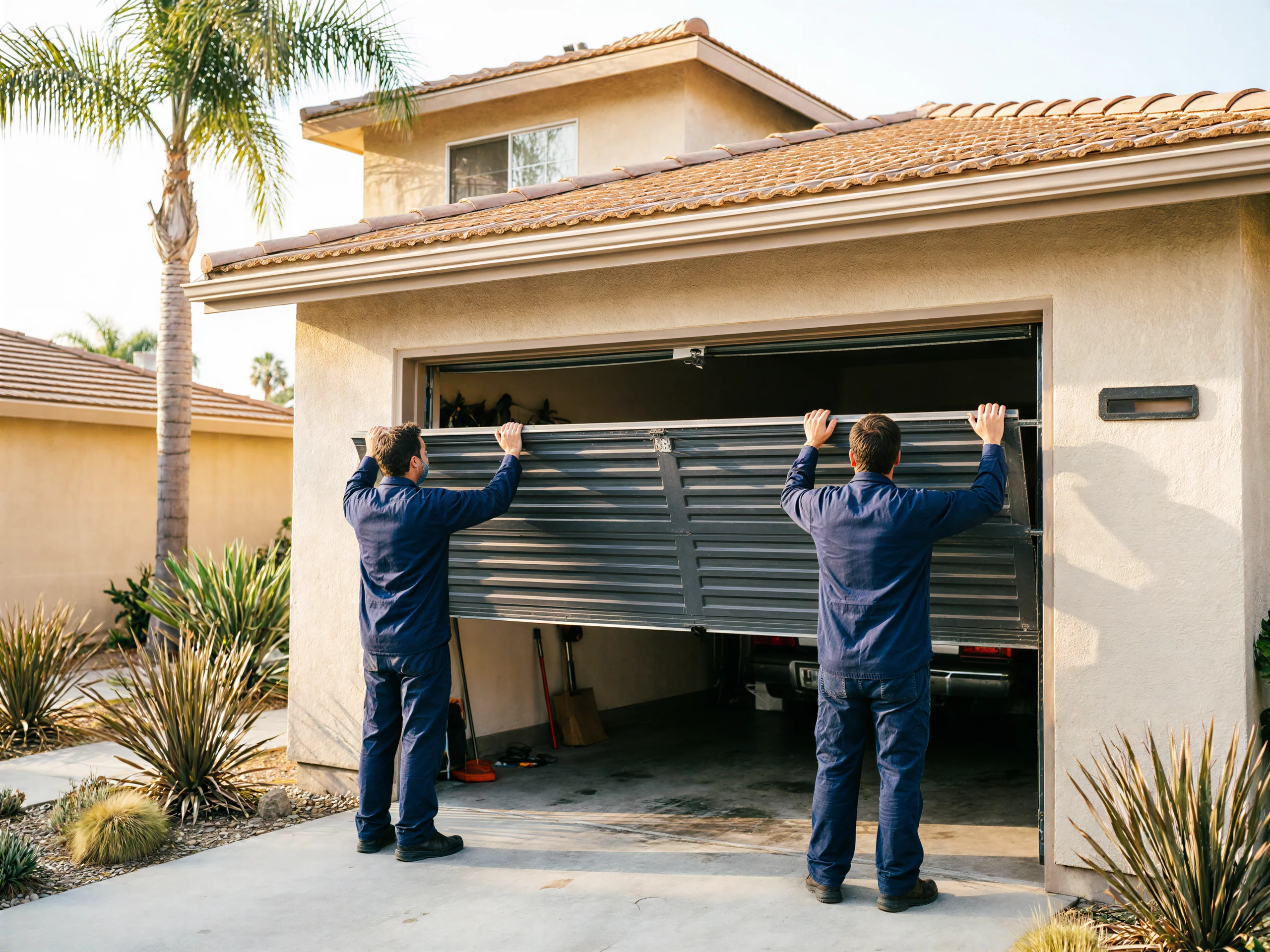
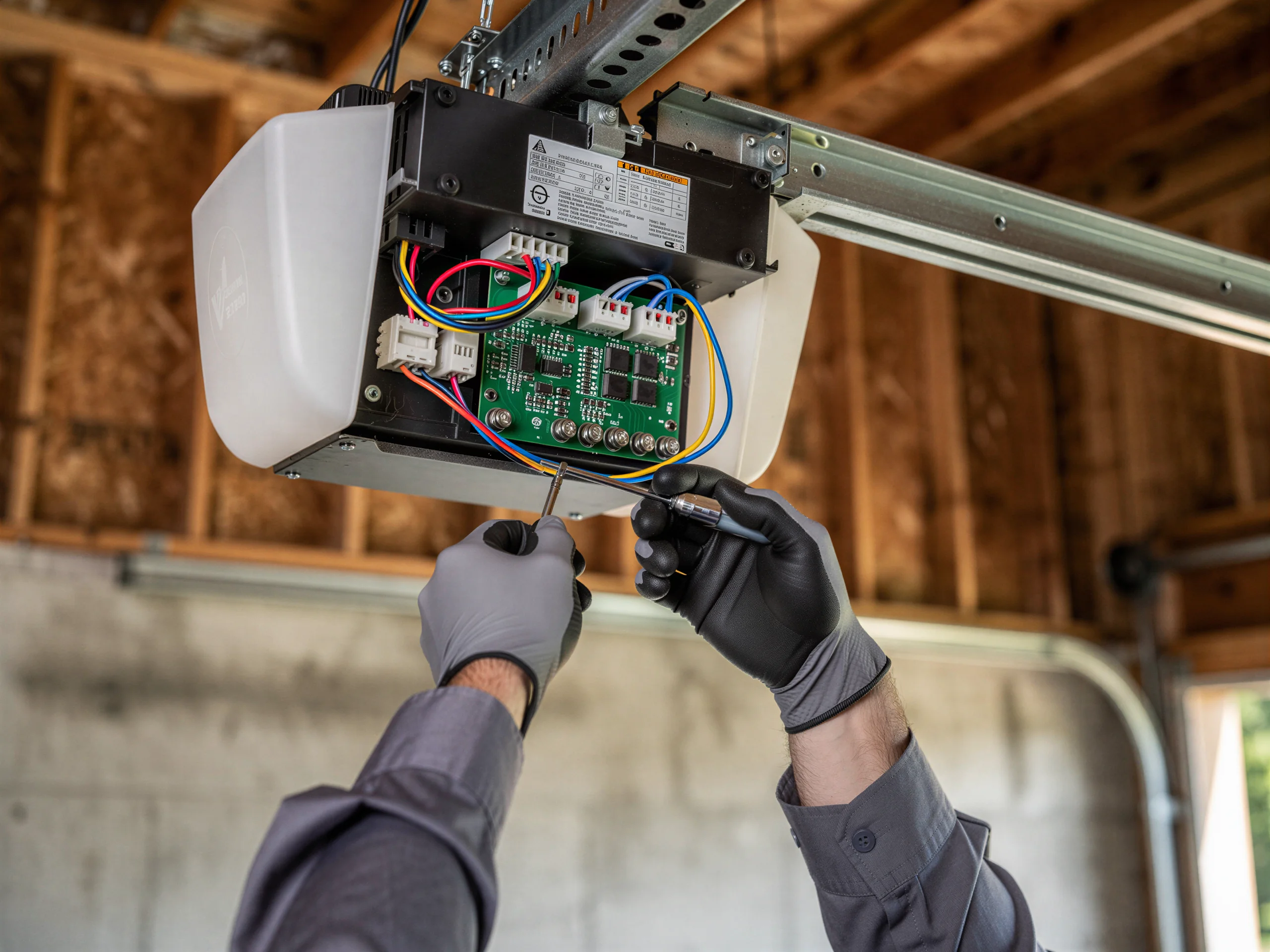
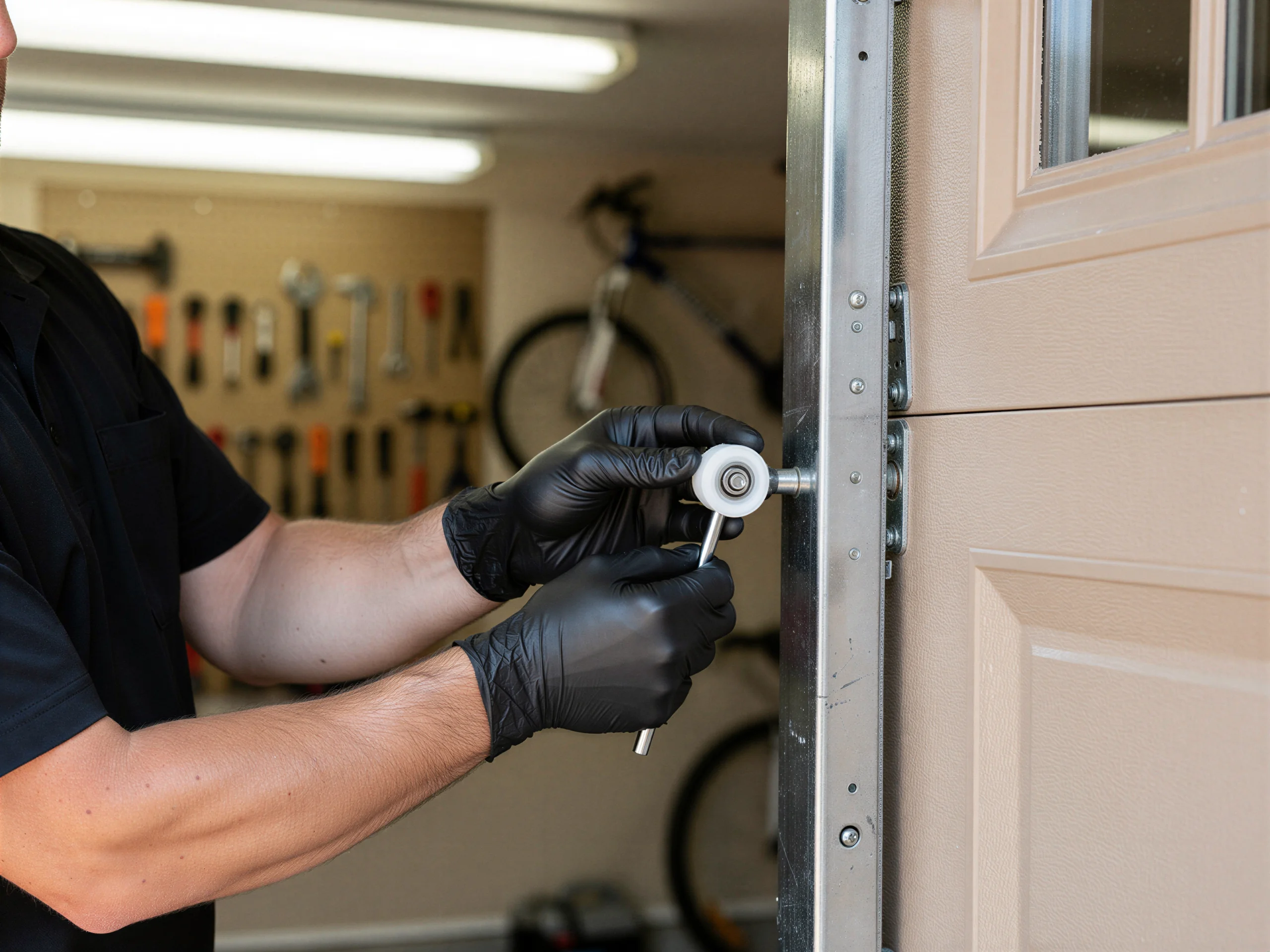
Most jobs here are one house at a time, and the truck comes out from Salinas, 8 miles away. A straight swap of an old chain-drive opener for a new unit, same rail length, same mounting points, usually runs 2 to 3 hours once we're on site.
Bracket rework adds hour
If the bracket or header needs rework because the original opener was hung on home-built framing - not unusual in houses from the 1976 median build year - add another hour. We don't pad the estimate to cover for that; we look at the garage first and tell you which bucket you're in.
Appointment window, not walk-in
We don't keep a crew stationed in Prunedale, so the time you care about is the appointment window we give you when we book the job, not a same-day walk-in. Plan the morning or afternoon, not the exact hour, and we'll call before we're close.
The Symptom
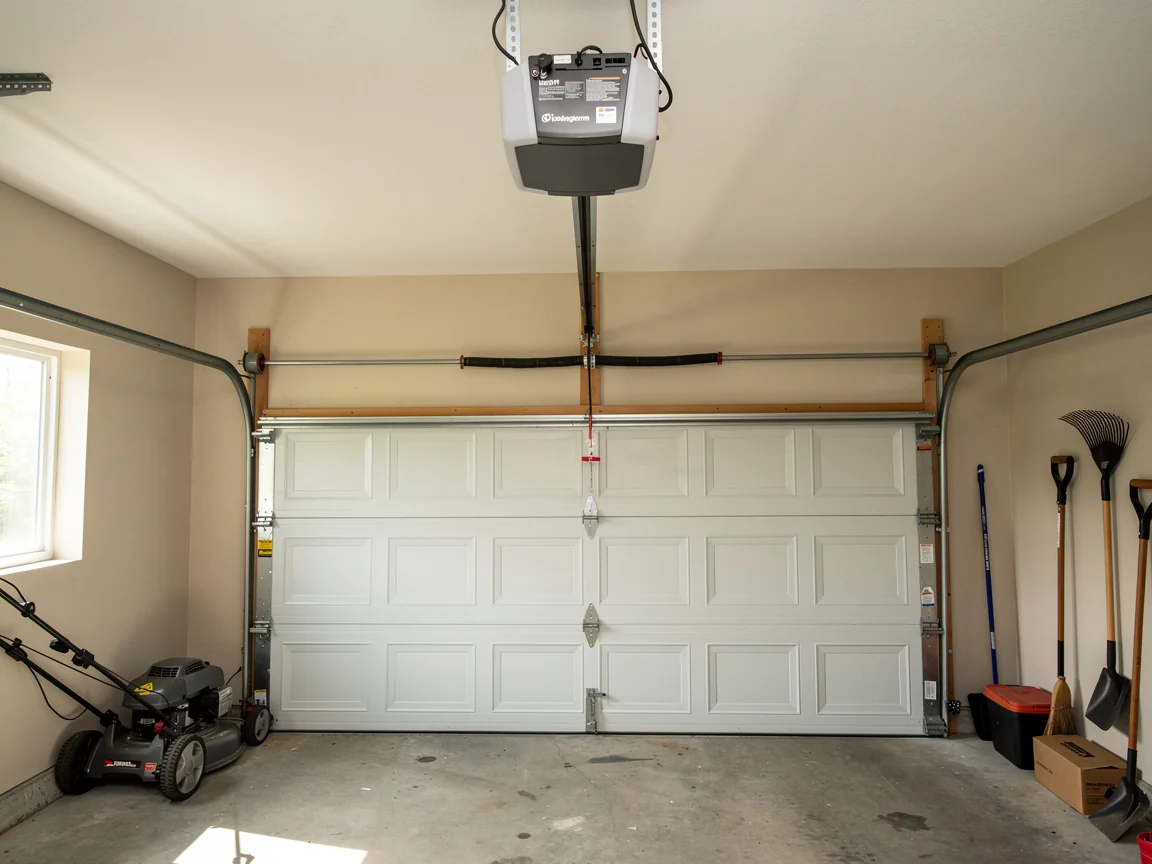
With a median build year of 1976, a lot of Prunedale garages are still running the opener that came with the house, or a direct swap from twenty years ago - a 1/3 horsepower chain-drive unit on a bracket that was never meant to carry today's heavier insulated doors.
Strains and reverses
The symptom shows up as a grinding chain, a motor that strains and reverses on a door that isn't actually heavy, or a light that won't stay on long enough to find your keys.
Photo-eye retrofit gap
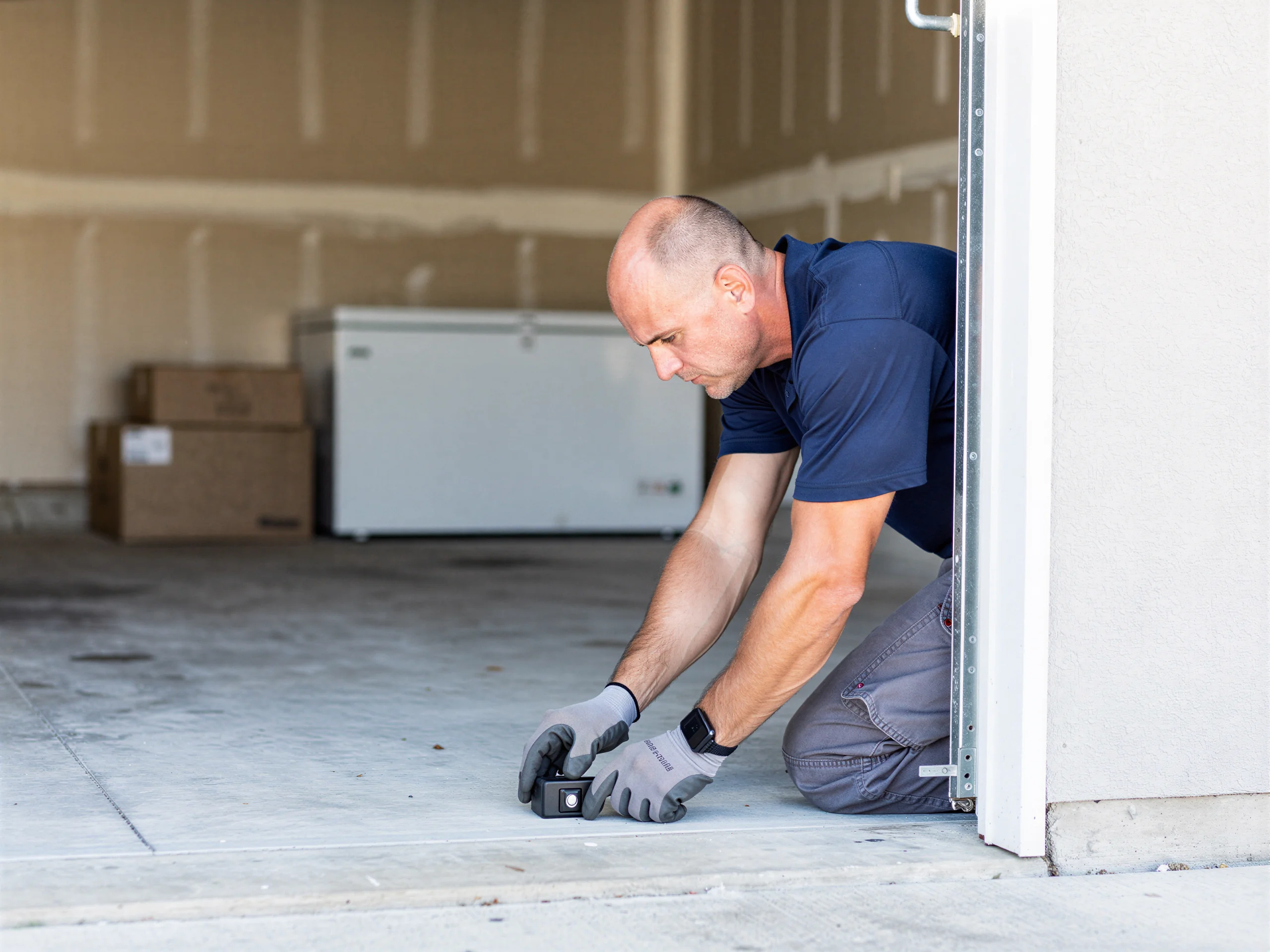
The other common call is the safety-eye retrofit: openers from that era predate the photo-eye sensor requirement, and homeowners find out the hard way when a door won't close and there's no sensor bracket anywhere near the floor to troubleshoot. That's not a repair, it's an install - the old unit doesn't have anywhere to add the part.
Age shows in belts
Because the area sits in a mild temperate band, we don't see the swings in temperature that crack opener gears or warp rail brackets the way a harsher climate would. What we see instead is straightforward age: belts and gears that have simply run their years.
What Is on the Truck
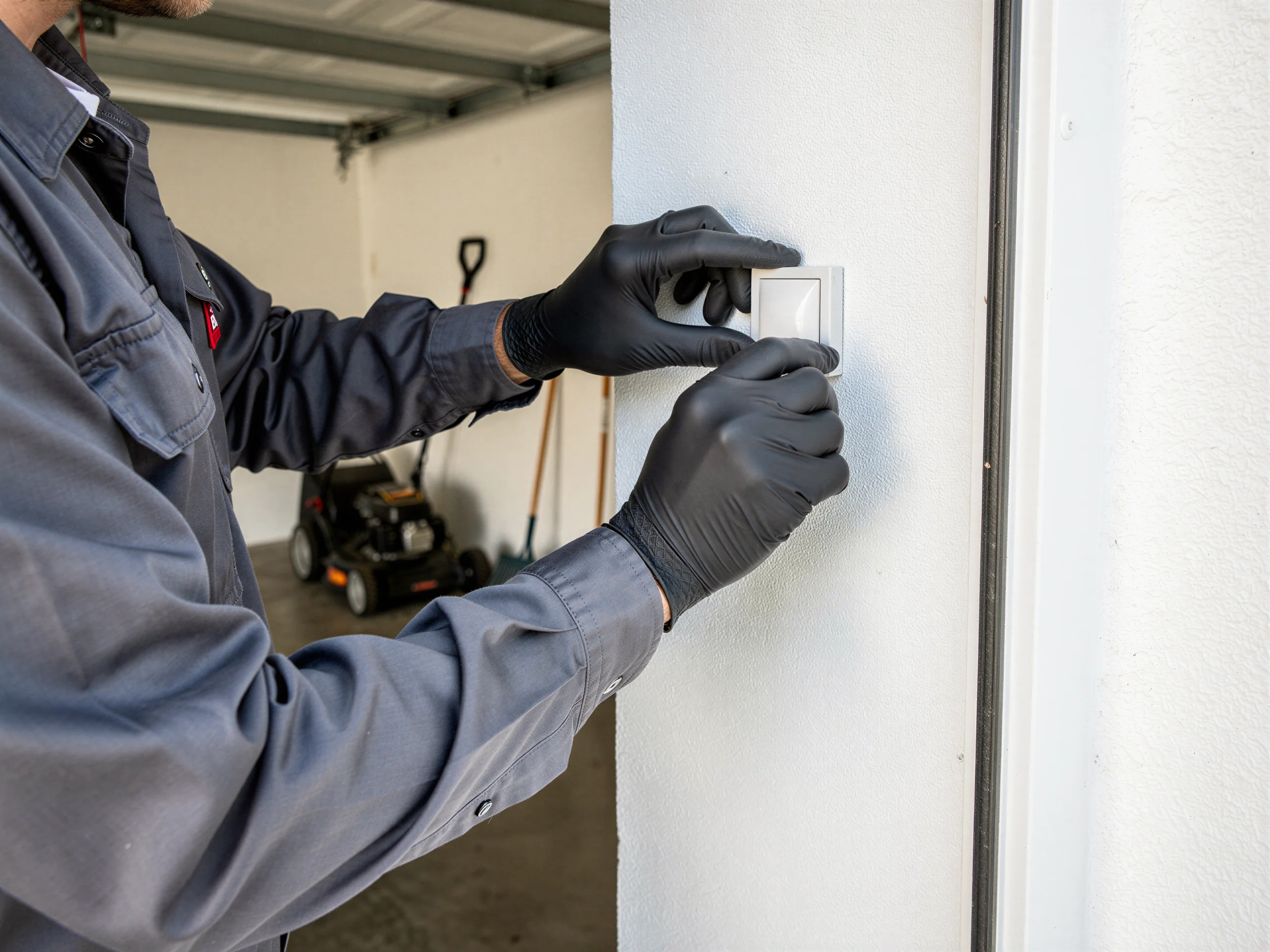
For a Prunedale call we bring opener units in both chain and belt drive, standard rail lengths to cover the garage depths typical of houses built across the 1946-2002 range here, and the mounting hardware to retrofit a safety-eye system on anything built before that was standard. We also carry the wall console and remote pairing hardware for whichever unit the homeowner picks.
What we don't load on every truck is specialty low-headroom hardware or commercial-grade operators - those get ordered ahead once we've seen the garage, because they're not something we stock for a one-off call 8 miles out. If your garage needs one of those, we'll tell you on the first visit and schedule a second trip rather than guess and come back empty-handed.
The Cost of This Job
Median household income in this part of the service area runs $106,442, a touch above the Salinas-wide figure of $105,568, and it shows up in what people choose here: more belt-drive and quieter DC-motor units, fewer bare-bones chain drives, than we install on average across the territory. We're not going to quote a number in this space we can't back up with a number from a sheet - the honest answer is that cost depends on the unit you pick and whether the bracket and wiring are a straight swap or a rebuild.
What we can tell you is that the drive north or south for the install, whichever vehicle we're sending, stays the same for any address roughly 8 miles from the shop, so the trip charge doesn't creep up because you're in Prunedale specifically. Ask for the breakdown when you call and we'll walk through unit cost versus labor before anyone touches the garage.
The Complications
Houses in this part of the service area mostly date to the 1960s and '70s, same general era as the rest of the territory, but that means two things on an opener job that catch people off guard.
Soft original header
First, the header above the door - the wood the opener bracket bolts into - is original in a lot of these garages, and forty-plus years of settling can leave it soft enough that a new, heavier bracket won't hold without extra blocking.
Extension cord power
Second, wiring: some of these garages were never run with a dedicated outlet near the ceiling, so the opener's been living on an extension cord strung from somewhere else. We'll flag either of those before we install, not after, because bolting a new motor to a bad header is a callback waiting to happen.
Electrical work referred out
We don't do electrical work beyond the opener's own plug - if you need a new outlet run, that's a separate call to an electrician, and we'll say so rather than take a shortcut.
Doing It Yourself
A lot of homeowners ask whether they can hang the new opener themselves, especially on a straightforward one-car garage. If the header's solid, the door is standard weight, and you're comfortable on a ladder with a torque wrench, the mechanical part isn't the hard part - it's the safety-eye alignment and the force-setting calibration that trip people up, and a misadjusted force setting is the single most common reason we get called back to a DIY install.
Where we'd tell you to stop and call someone: if the opener needs to tie into a travel-limit or reversal system that's different from the old unit's, or if you're not sure the header will take the new bracket's load. Getting that wrong doesn't just mean a redo - it means a door that doesn't reverse on an obstruction, which is the one failure mode you don't want to find out about after the fact.
Talk to a local pro
Garage door service in Salinas?
Same-day service with honest, upfront quotes.