
The Cost of This Job
We can't quote a number here without seeing the door, and we're not going to pretend otherwise. What we can tell you is what drives the cost on a typical Monterey call: whether the door still runs original extension springs (cheaper to match) or has been converted to torsion (different parts, different labor), and whether the track or rollers need replacing alongside the spring. Monterey's household income runs close to $104,110, which is near the service area's broader median, and most owners here choose a proper spring and cable replacement over a patch job, since patching 50-year-old hardware usually just moves the failure down the road a few months. The honest limit: if the door itself - panels, hinges - is as old as the springs, sometimes replacement is the better call than repair, and we'll say so instead of running up a repair bill on a door that's on its way out anyway.
How Long It Takes
Monterey sits about 15 miles from our Salinas yard, which is far enough that we can't promise the same turnaround we'd give an address a few minutes from the shop.
Route order factors distance
That distance gets factored into the order we run calls in, and it's part of why we load the truck heavy for era-specific parts before leaving - a second trip back for a missing part costs real time on a 30-minute-each-way haul.
Extension quicker than conversion
Once on site, a straightforward extension spring and cable job on one of these older doors is usually quicker than a torsion conversion, since there's no need to resize a shaft or add new drum hardware.
Track or panel adds time
If the track is bent or a panel needs pulling to get at a roller, that adds real time regardless of where the house sits. We'll give you a window when you call, based on where the truck is that day, not a fixed promise made before we know what we're driving into.
Doing It Yourself
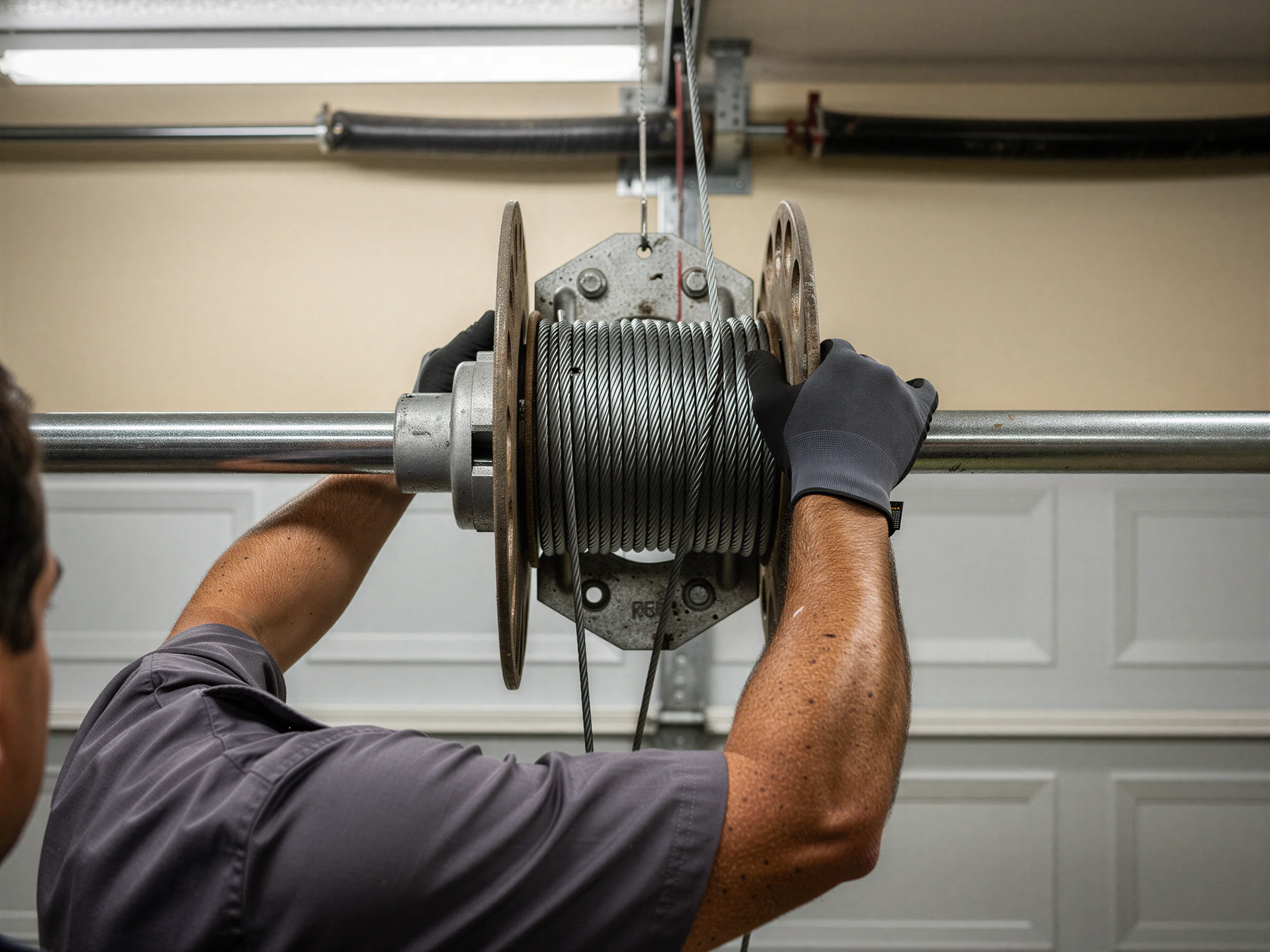
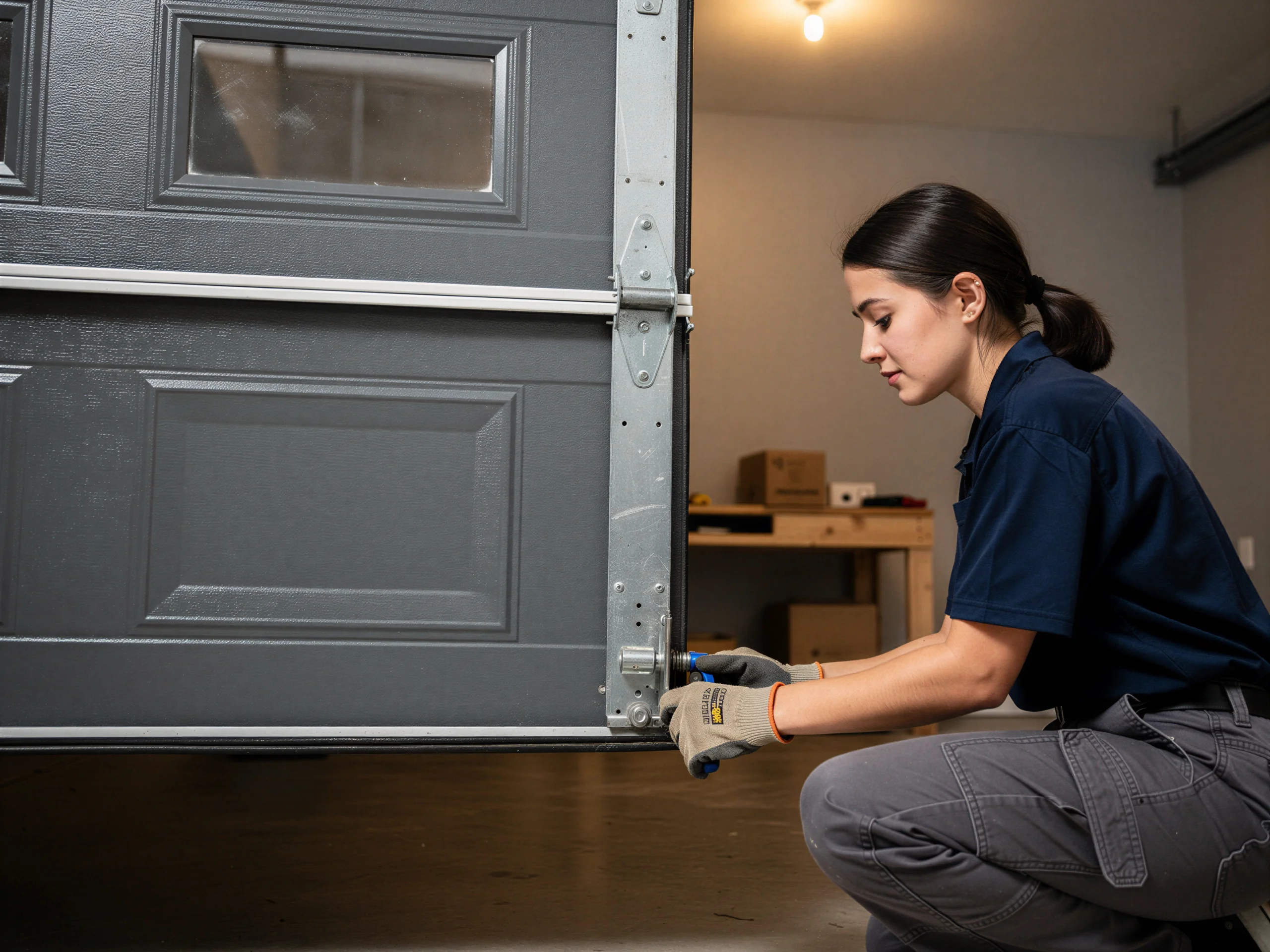
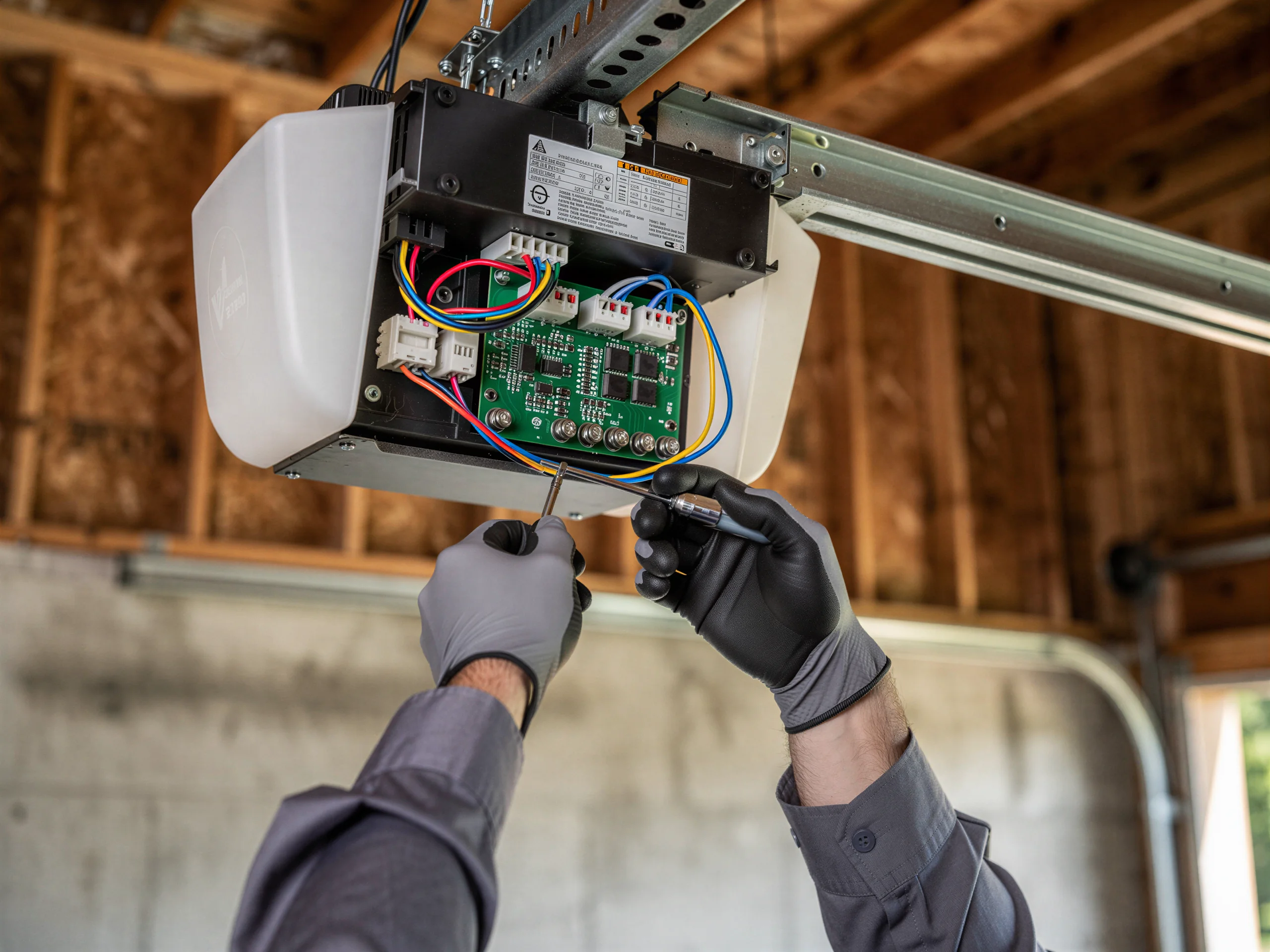
A broken extension spring on a door this old is not a safe DIY job - the spring is still under load even when it looks slack, and the mounting brackets on a 1970-era door have had 50 years to fatigue in ways you can't see from the garage floor. What an owner can safely check: whether the cable has jumped the pulley groove (visible without touching anything under tension), whether the track bolts at the wall have worked loose, and whether the door is binding on one side versus dropping straight - that tells a technician a lot before we even arrive. We'd rather you call and describe what you see than attempt a spring swap on hardware this old, since a failed extension spring under tension can do real damage on the way out. If you've already replaced the opener yourself and the old mounting hardware doesn't match, flag that when you call - it changes what we bring.
What Is on the Truck
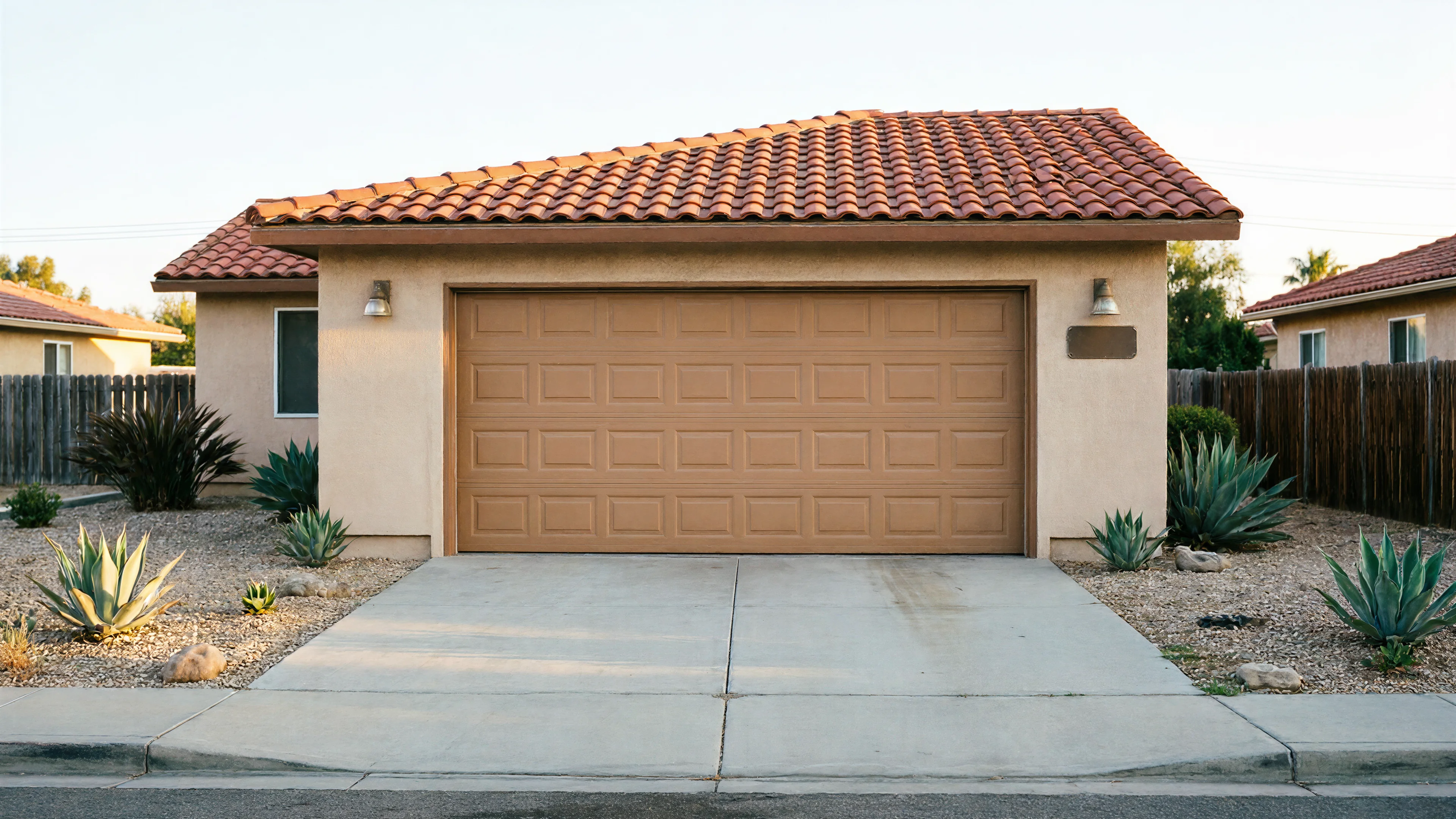
Monterey's housing stock centers on 1970, a few years earlier than the broader service area's median of 1976, which tells us a lot before we even see the door.
Pre-torsion door hardware
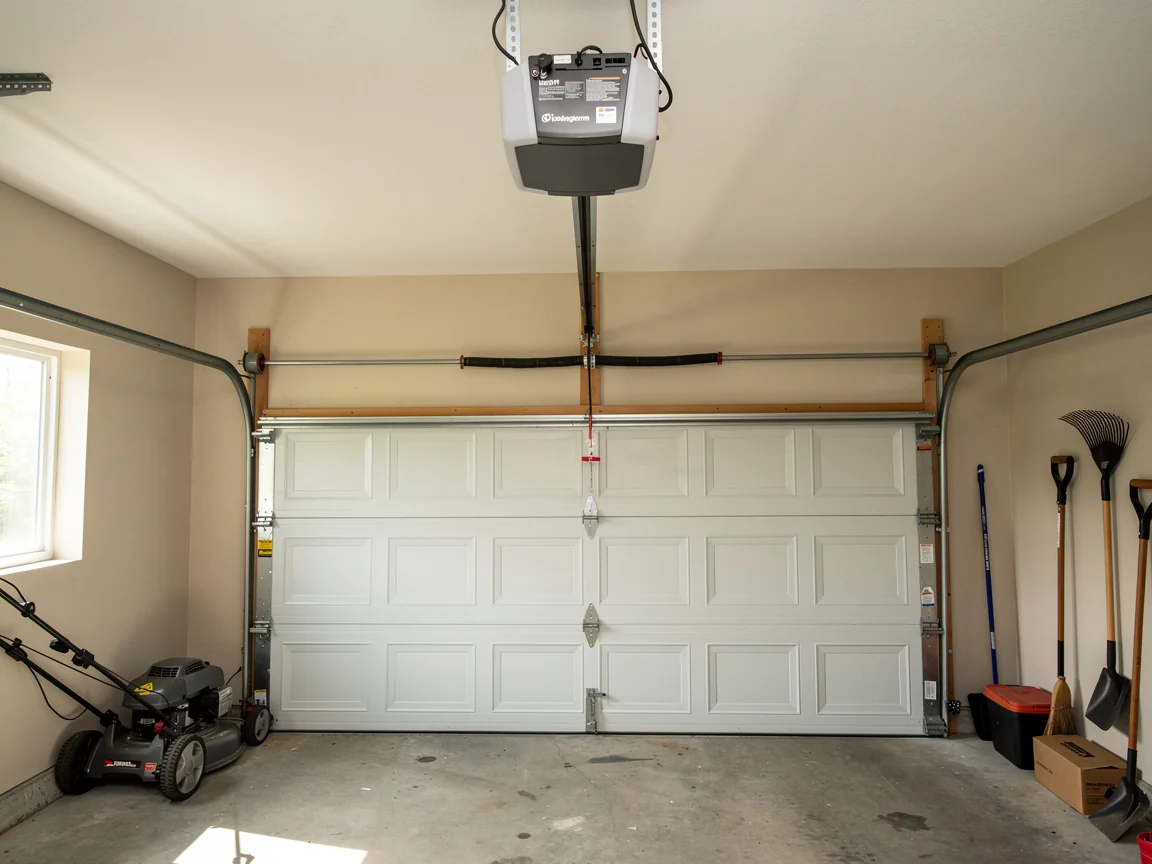
A house built in 1970 almost never shipped with a torsion spring over the opening - extension springs along the horizontal tracks were still the standard, often without the safety containment cables that became common later.
Extension kits loaded
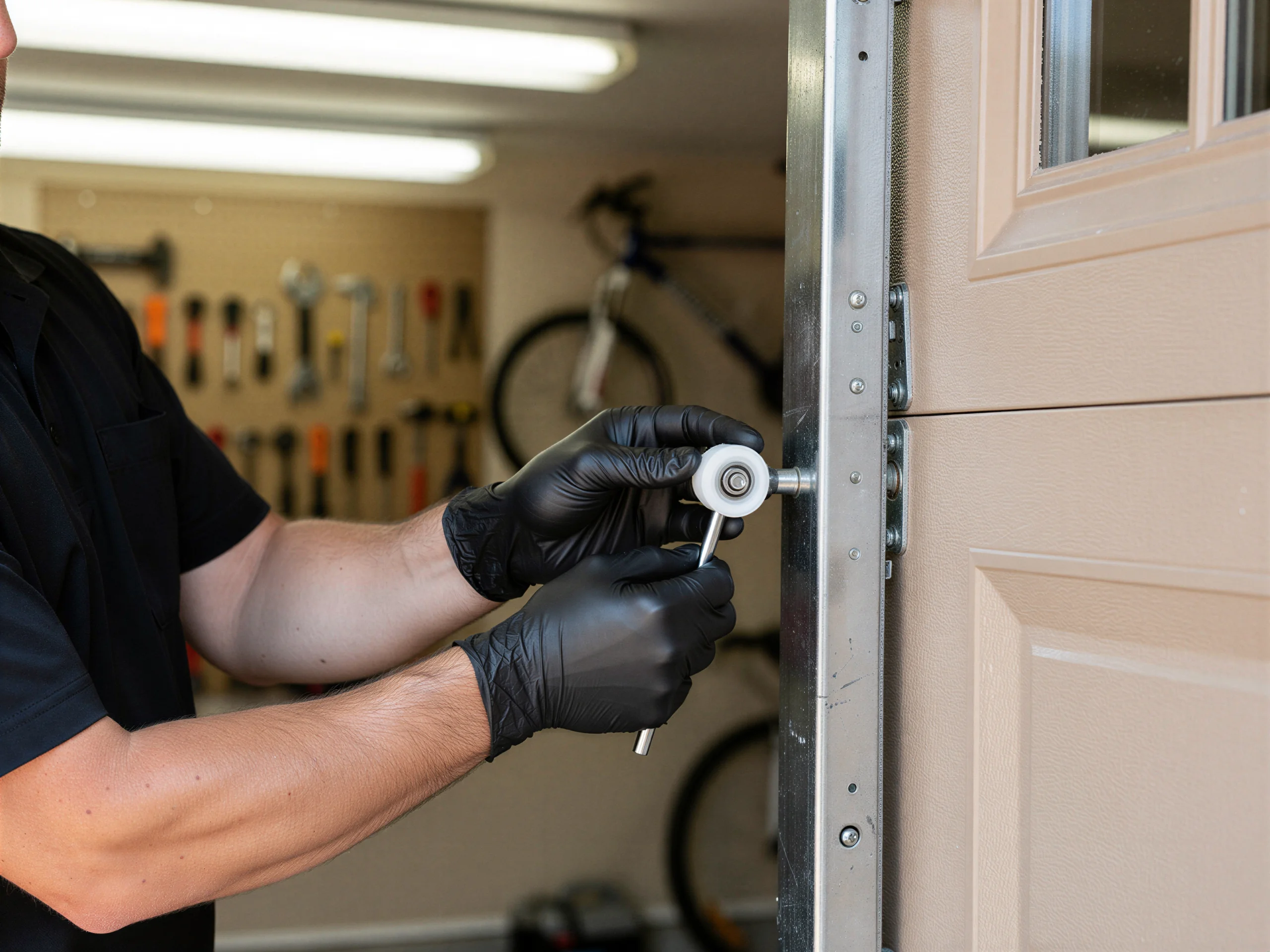
When a call comes in from Monterey, the truck gets loaded with extension spring sets in the common lengths, old-style pulleys, and the fasteners that go with wood jamb mounts, because that's what's actually behind the door at that address. We also carry stock for the torsion conversions owners have added over the years, since plenty of these doors have been upgraded piecemeal.
Ask before parts guess
What we don't carry on spec are parts for doors we haven't seen yet that sound unusual on the phone - if a description doesn't match anything typical for this build era, we'd rather ask a follow-up question than guess and show up short.
The Symptom
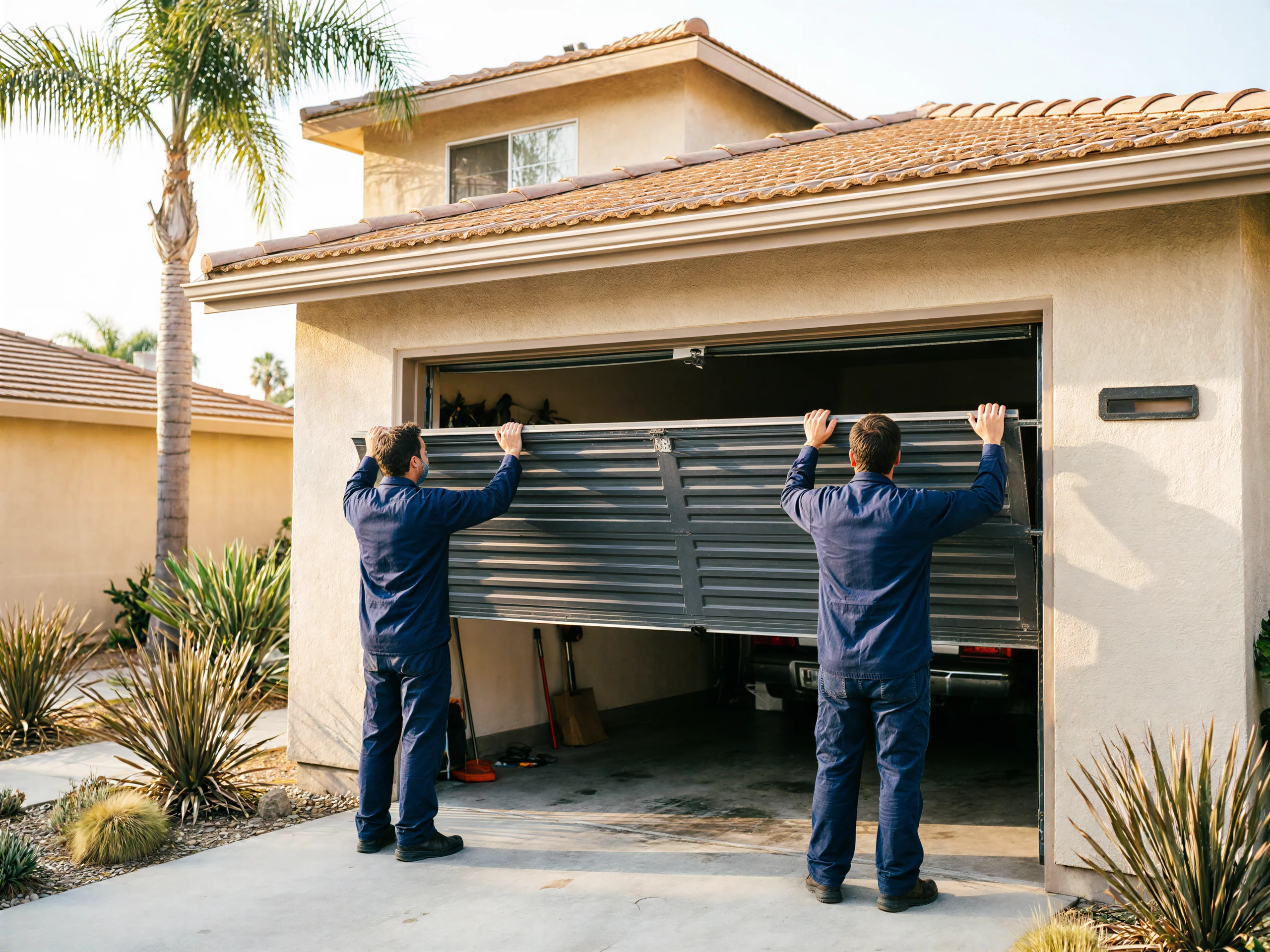
The complaint we hear most from this part of the service area is a door that slams down the last foot of travel, or one cable that's gone slack while the other is still under tension. Both point to original extension springs that have lost tension unevenly after decades of use - not unusual for hardware installed when these houses went up. Mild coastal temperatures here don't rust springs out the way a harsher climate would, so a lot of this gear is still physically present at 50-plus years old, just worn past safe operating range rather than corroded through. A second common symptom: a door that reverses on its own a few inches off the floor, which on a 1970s track system usually means a bent track rail or a roller that's finally failed rather than an electronic sensor issue, since many of these doors predate photo-eye sensors entirely and were retrofitted later.
Talk to a local pro
Garage door service in Salinas?
Same-day service with honest, upfront quotes.