The Cost of This Job
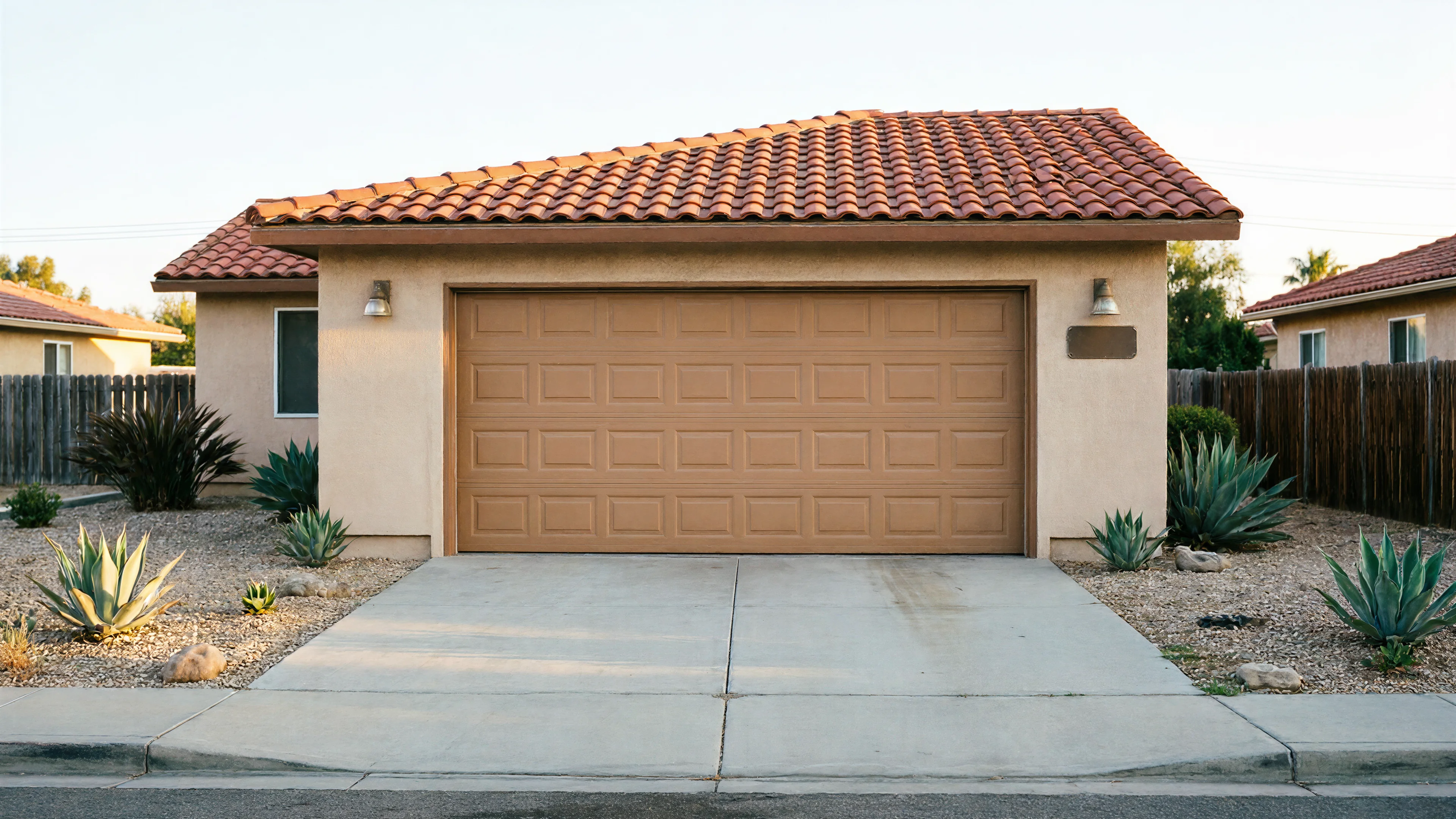
We don't post a flat number for Monterey because the fix depends on which of those two systems failed and how far gone it is. An extension spring replacement on a standard double door runs differently than a full opener swap, and a door that's been limping for months sometimes needs a cable or pulley replaced alongside the spring because one dragged the other down. What we can say: with median household income in this part of the service area running near $104,110, we see homeowners more often choosing a full opener replacement over a third repair on a unit that's clearly at end of life, rather than patching the same part repeatedly.
How Long It Takes
Most spring or cable jobs on these 1960s-70s doors are a same-visit fix once the tech is on site, assuming the part is in stock on the truck.
Bracket setup slows opener jobs
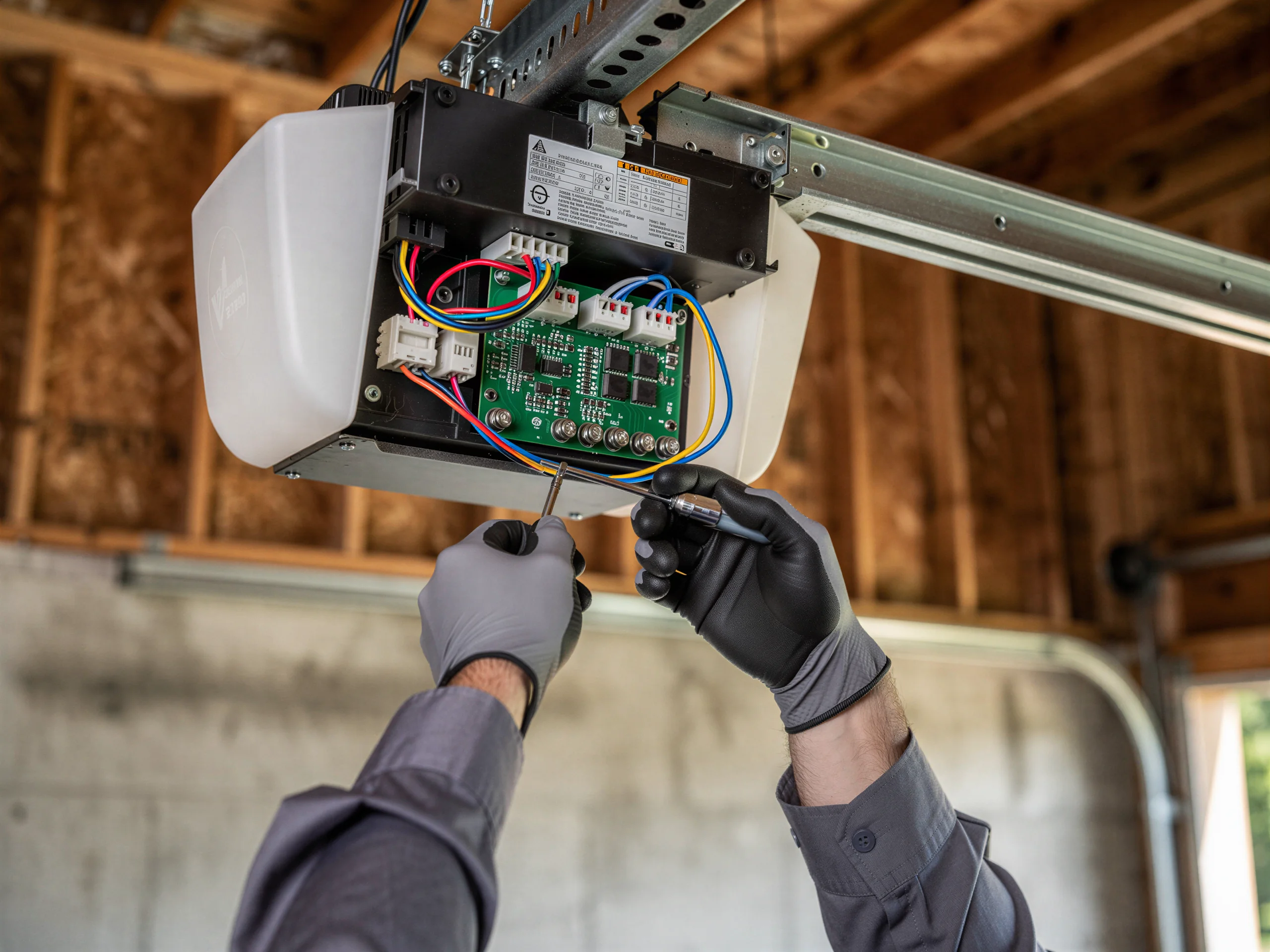
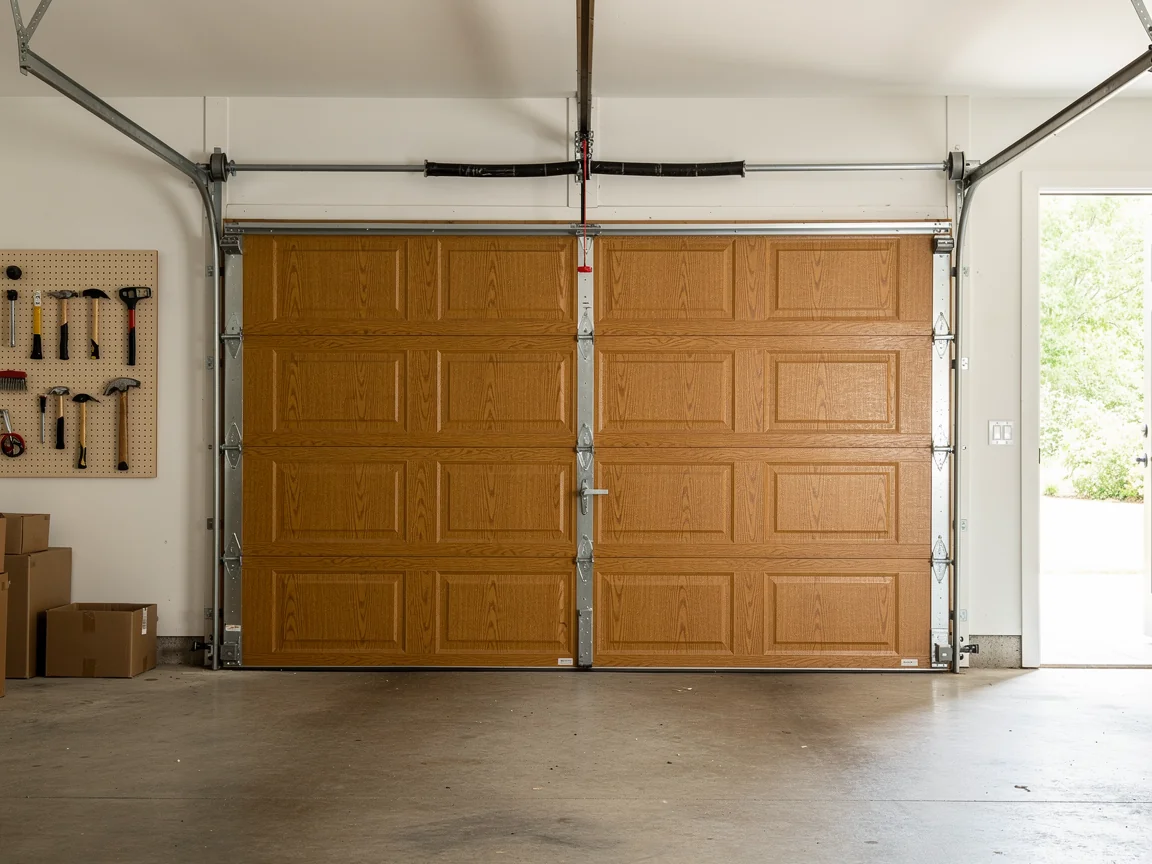
Opener replacements take longer than a spring swap, mainly because of mounting and wiring on an older bracket setup rather than the install itself.
No walk-up scheduling here
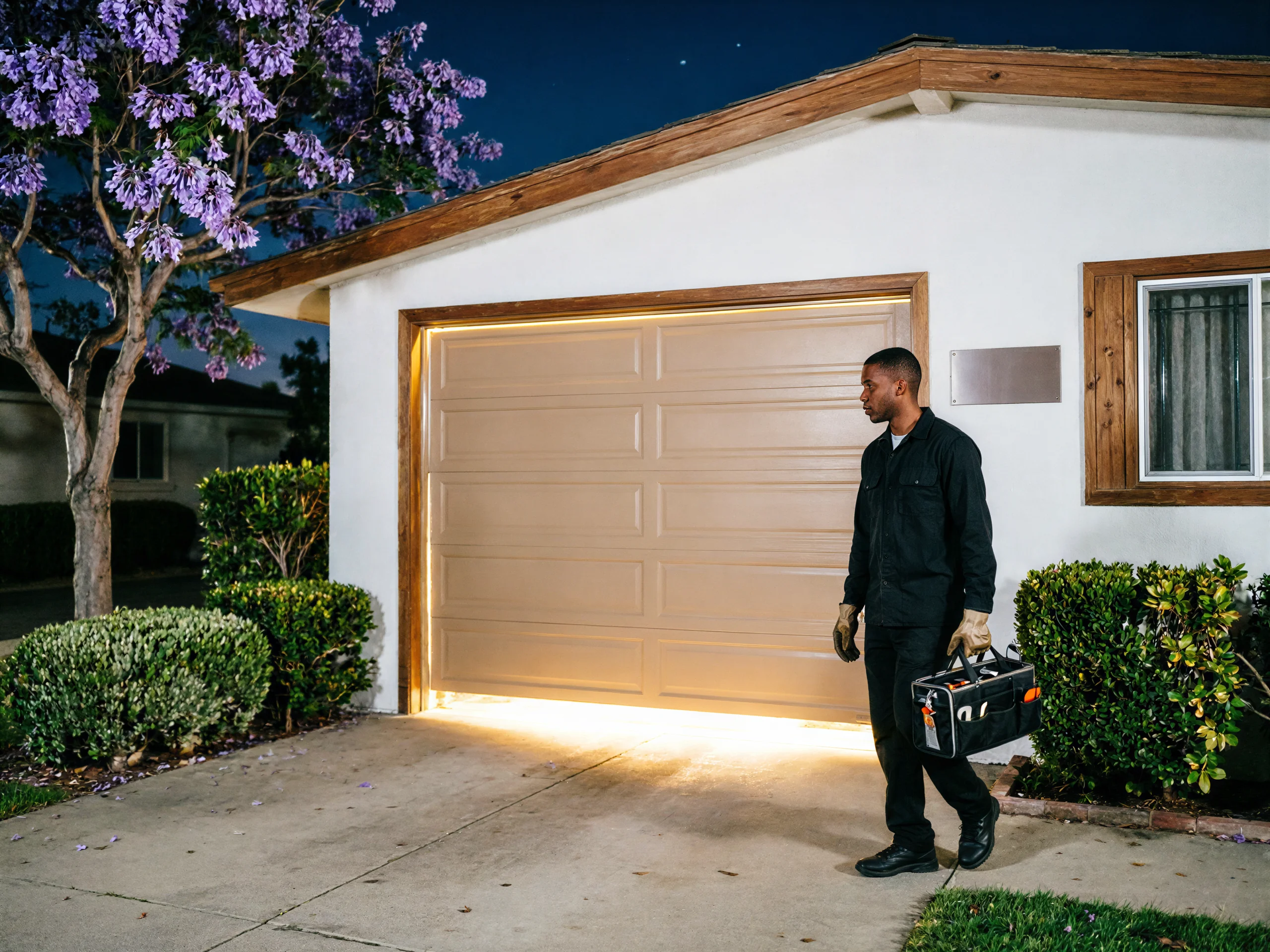
The piece we can't control is the drive from Salinas - Monterey sits about 15 miles out, farther than closer stops like Springtown or Castroville, so it's factored into scheduling rather than treated as a walk-up call.
Doing It Yourself
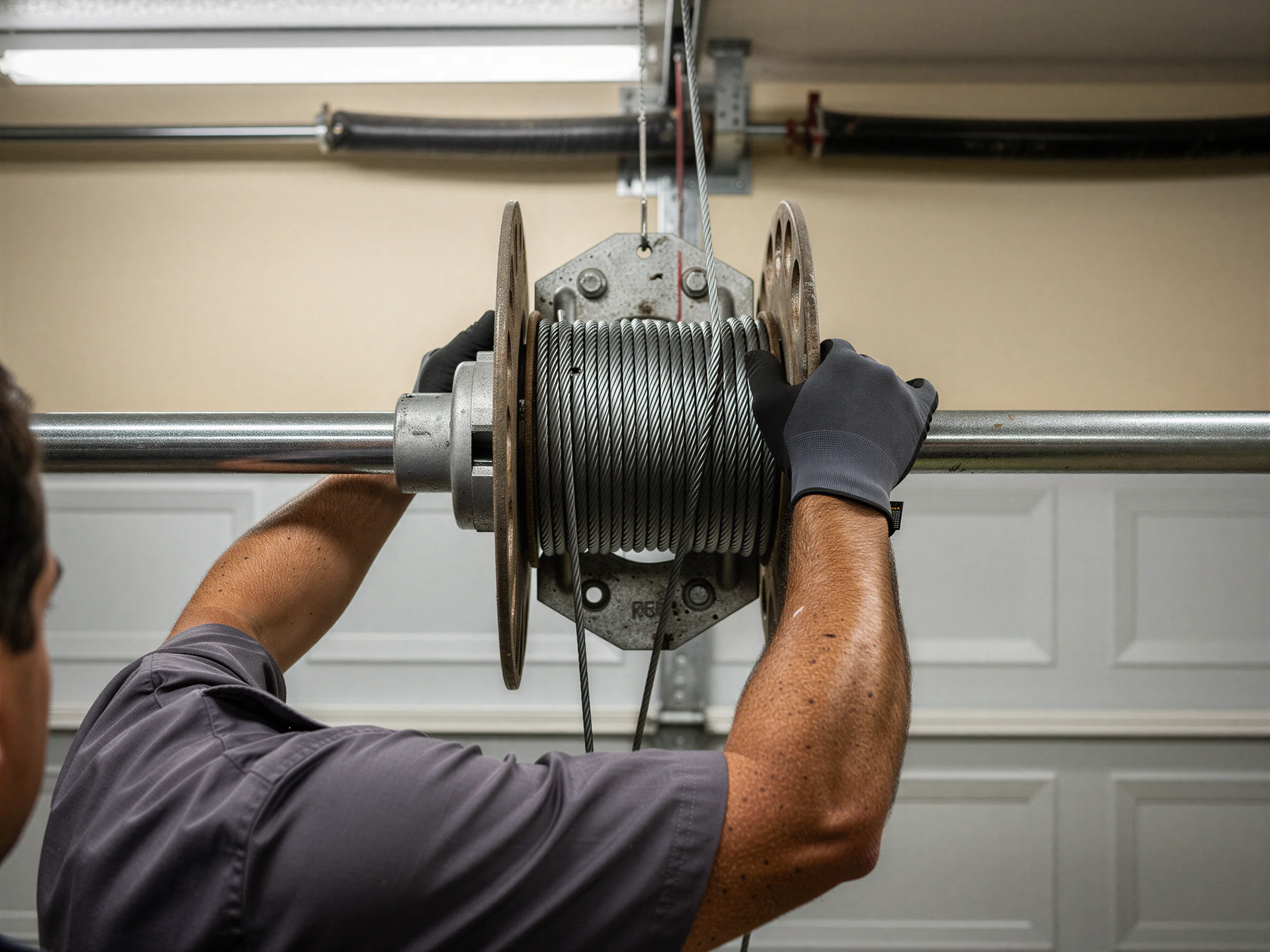
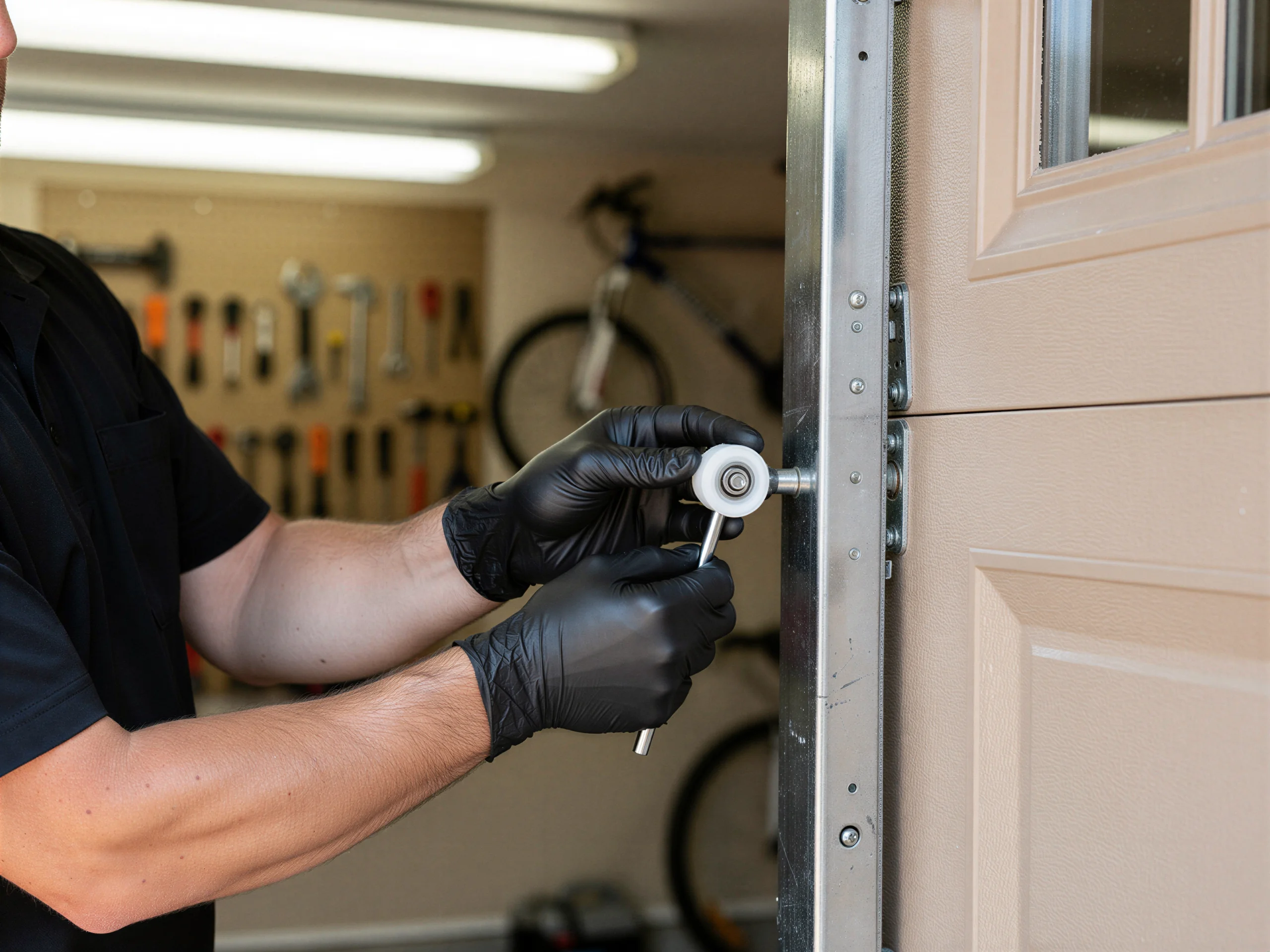
Tightening a loose opener bracket or replacing a worn roller is reasonable DIY territory if you're comfortable on a ladder. Extension springs are not. They're under real tension, and on a door old enough to be original equipment from a 1970-era build, the mounting hardware is often rusted or deformed enough that it lets go without warning when disturbed. With roughly 12,420 households in this part of town, we see a steady run of injuries and bent track from exactly this kind of attempt - not because the homeowner was careless, but because 50-year-old hardware doesn't behave like new hardware. If the fix involves anything under spring tension, that's the line where it stops being a weekend job.
What Is on the Truck
When a Monterey call comes in, the truck gets loaded for what actually breaks on houses from this stretch of the build era, not a generic kit.
Extension setups dominate
Monterey's housing stock sits at a median build year around 1970, which lines up with the wider service area's mix of 1960s and 70s construction. That means a lot of extension-spring setups instead of torsion, steel sectional doors with the thinner gauge panels common to that decade, and chain-drive openers that have been swapped once or twice already.
Extension pairs and panels
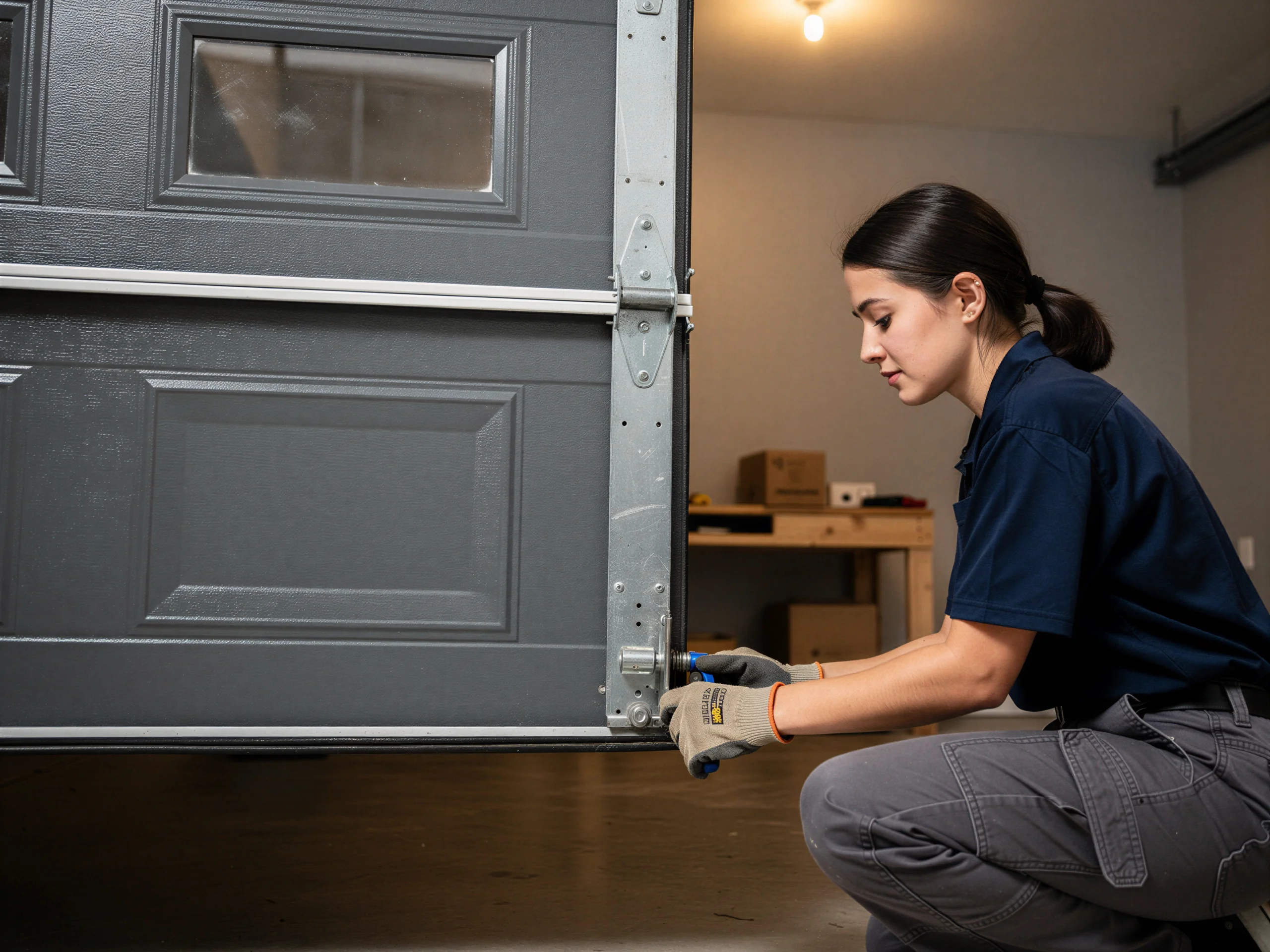
We carry extension spring pairs in the common cycle ratings, the pulley and cable hardware those systems use, and a stock of standard-width panel sections sized for doors from that period.
Obsolete bracket conversation
What we don't carry is every obsolete bracket pattern - if a door has a mounting style nobody's made parts for in decades, that's a replacement conversation on site, not a guess made before we leave Salinas.
The Symptom
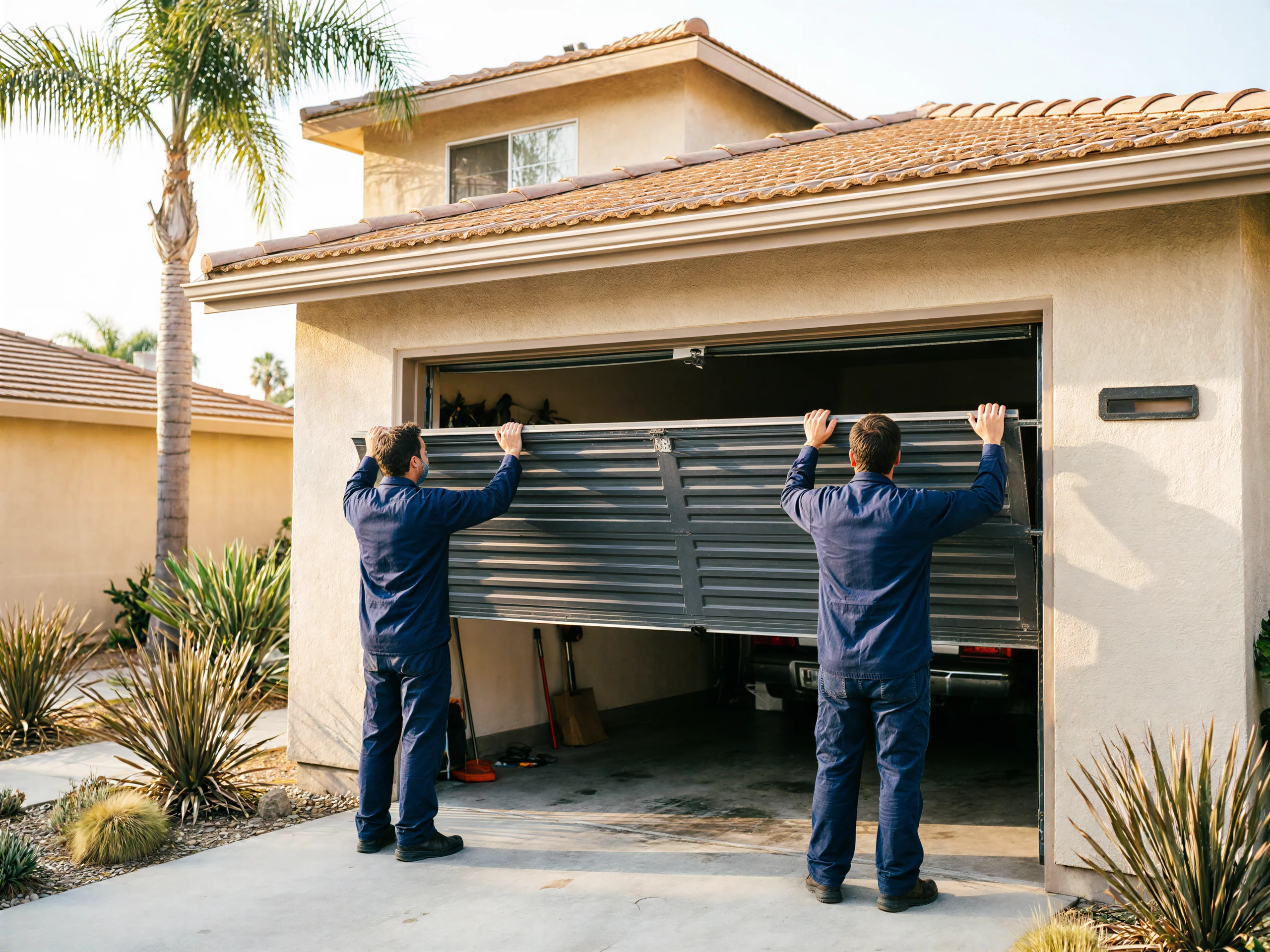
The complaint we hear most from this pocket of homes is a door that slams the last foot of travel or won't stay up past waist height.
Evenly lost spring tension
On a house built in 1970, that's almost always a tired extension spring that's lost tension evenly, not a snapped torsion spring the way it might read on a newer build.
Runs but door stalls
The second most common symptom is an opener that runs but the door barely moves - worn drive gear or a stretched chain, both wear items on units that have been in service long enough to need a second opener in their life.
Mechanical cycle wear
Monterey sits in the same mild temperate band as the rest of the area, so you're not dealing with freeze-thaw cracking or extreme heat warping panels. The wear here is mechanical cycle wear - parts aging out from use, not weather.
Talk to a local pro
Garage door service in Salinas?
Same-day service with honest, upfront quotes.