The Cost of This Job
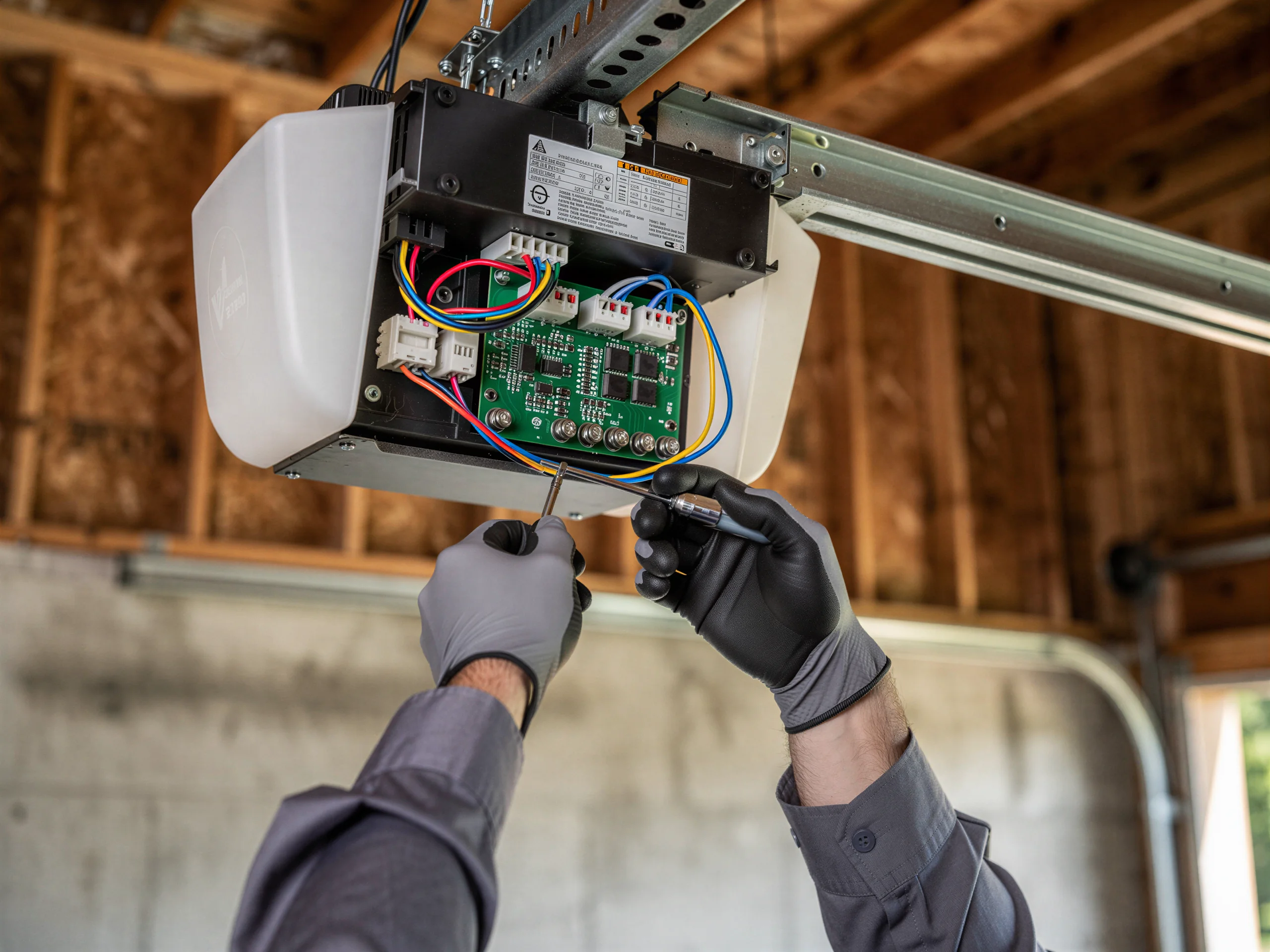
We don't publish a flat number for opener repair because the fix ranges from a $20 sensor realignment to a full board swap, and what it lands on in Monterey depends on which generation of opener you've got. A gear-and-sprocket kit on an older chain-drive unit is cheaper parts and labor than a logic board, and a logic board is cheaper than replacing the whole opener outright. With median household income in this area around $104,110, most owners we talk to want the repair priced against replacement before they commit - sometimes the honest answer is that a 20-year-old opener with a failed board is money better spent on a new unit than a board that'll outlive the motor by a year. We'll tell you which side of that line your job falls on before we start, not after.
How Long It Takes
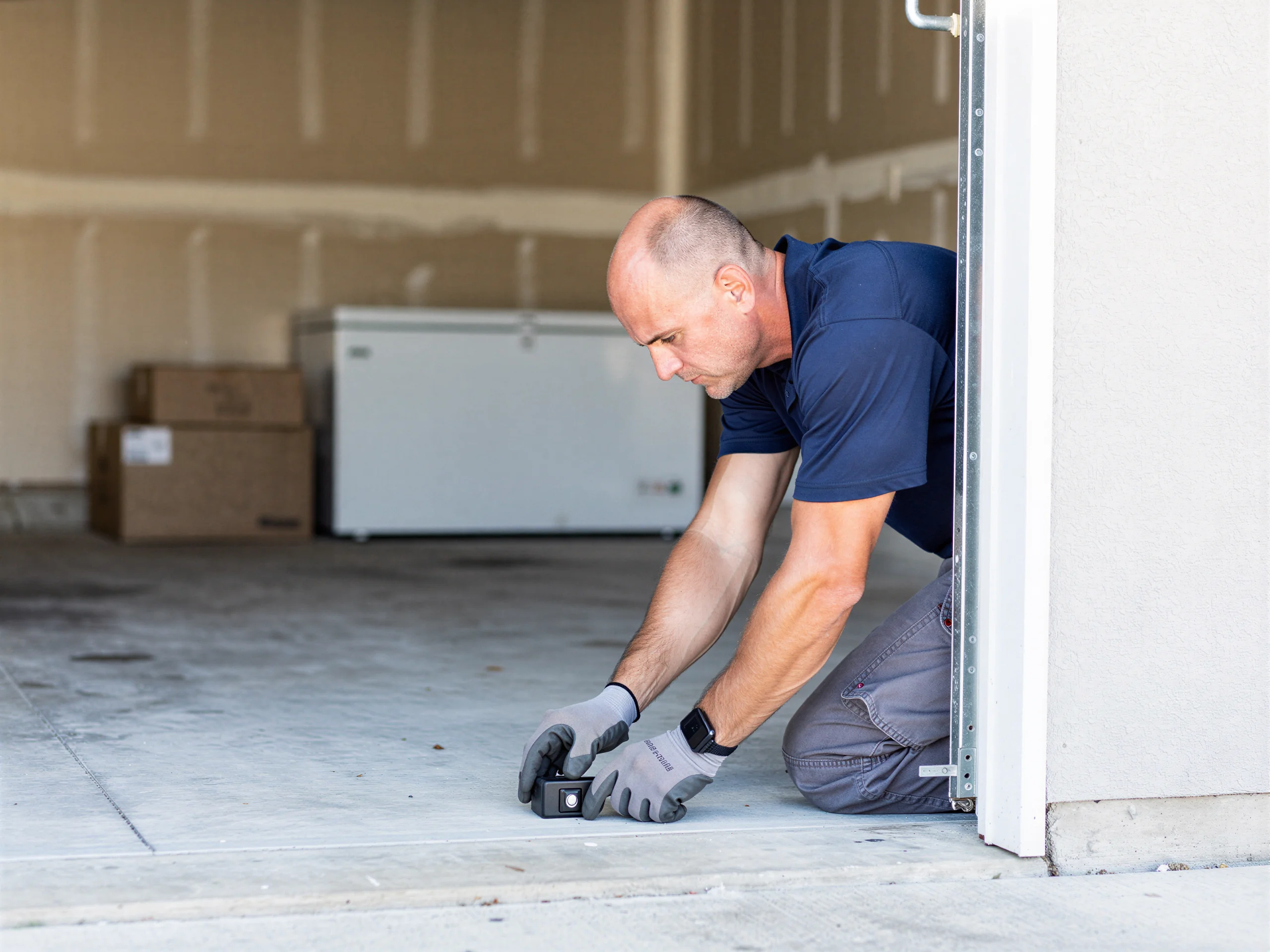
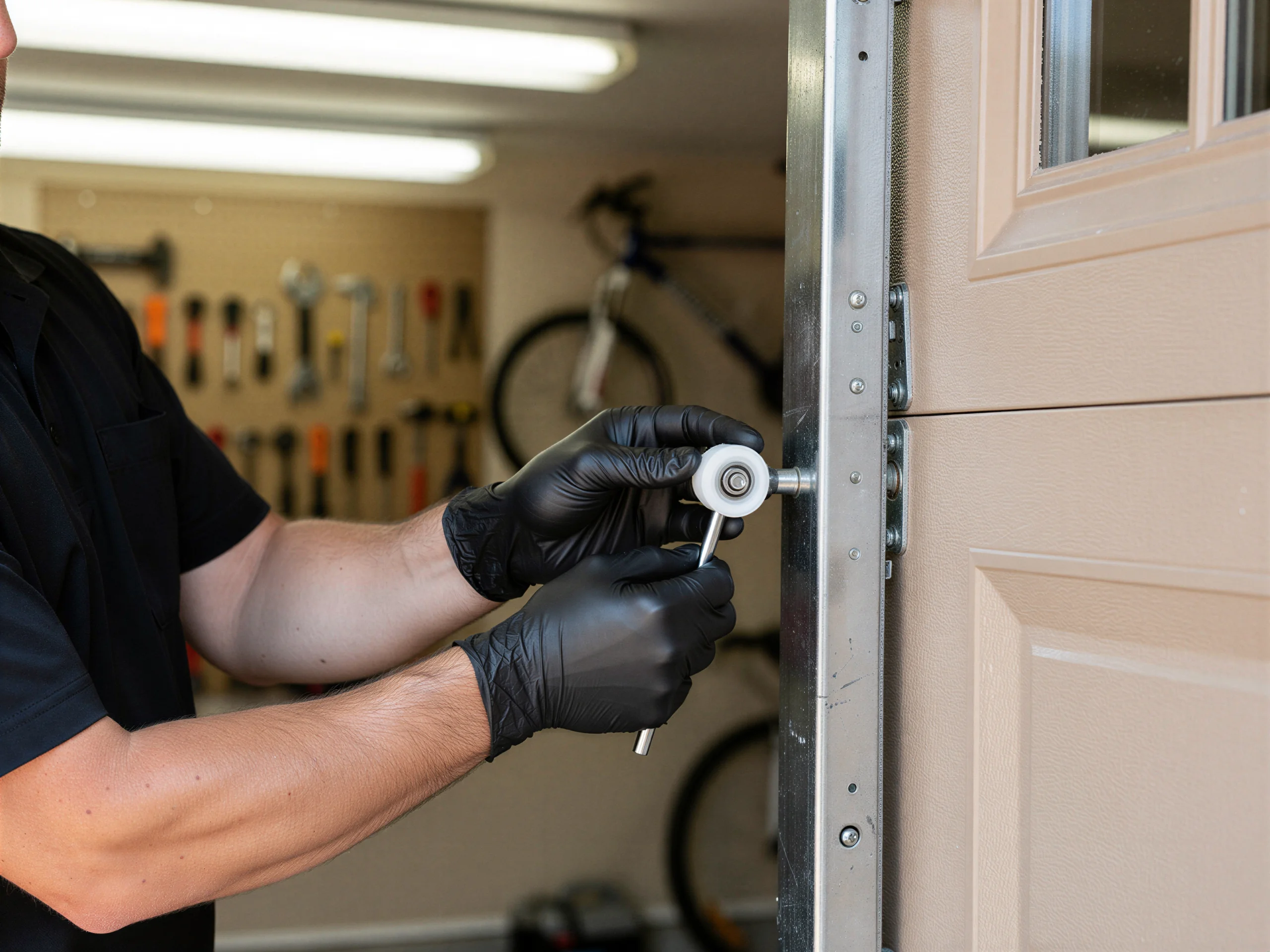
A gear kit or sensor realignment is usually a same-visit fix once we're on site - an hour or so of work, most of it removing the old gear housing and seating the new one correctly so it doesn't grind again in six months.
Board stock varies by brand
A logic board swap takes longer only if the board isn't one we're carrying that day, since opener brands don't standardize boards the way they used to, and a house built in 1970 may have gone through two or three opener generations by now.
Matching parts to unit era
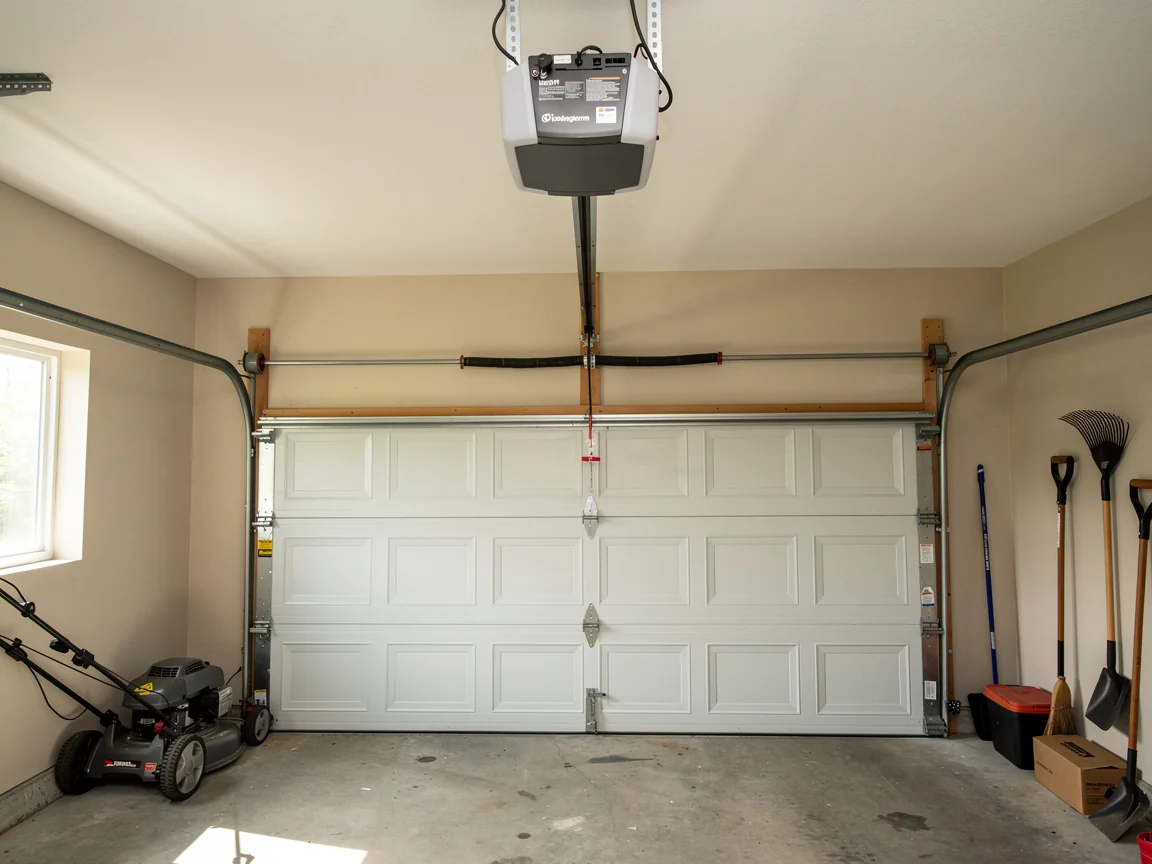
The variable isn't the work, it's matching the part to whichever era of unit is bolted to your ceiling. We travel to Monterey from Salinas, about 15 miles out, so we schedule the visit with enough slack to carry the likely parts rather than make a second trip for one gear.
Doing It Yourself
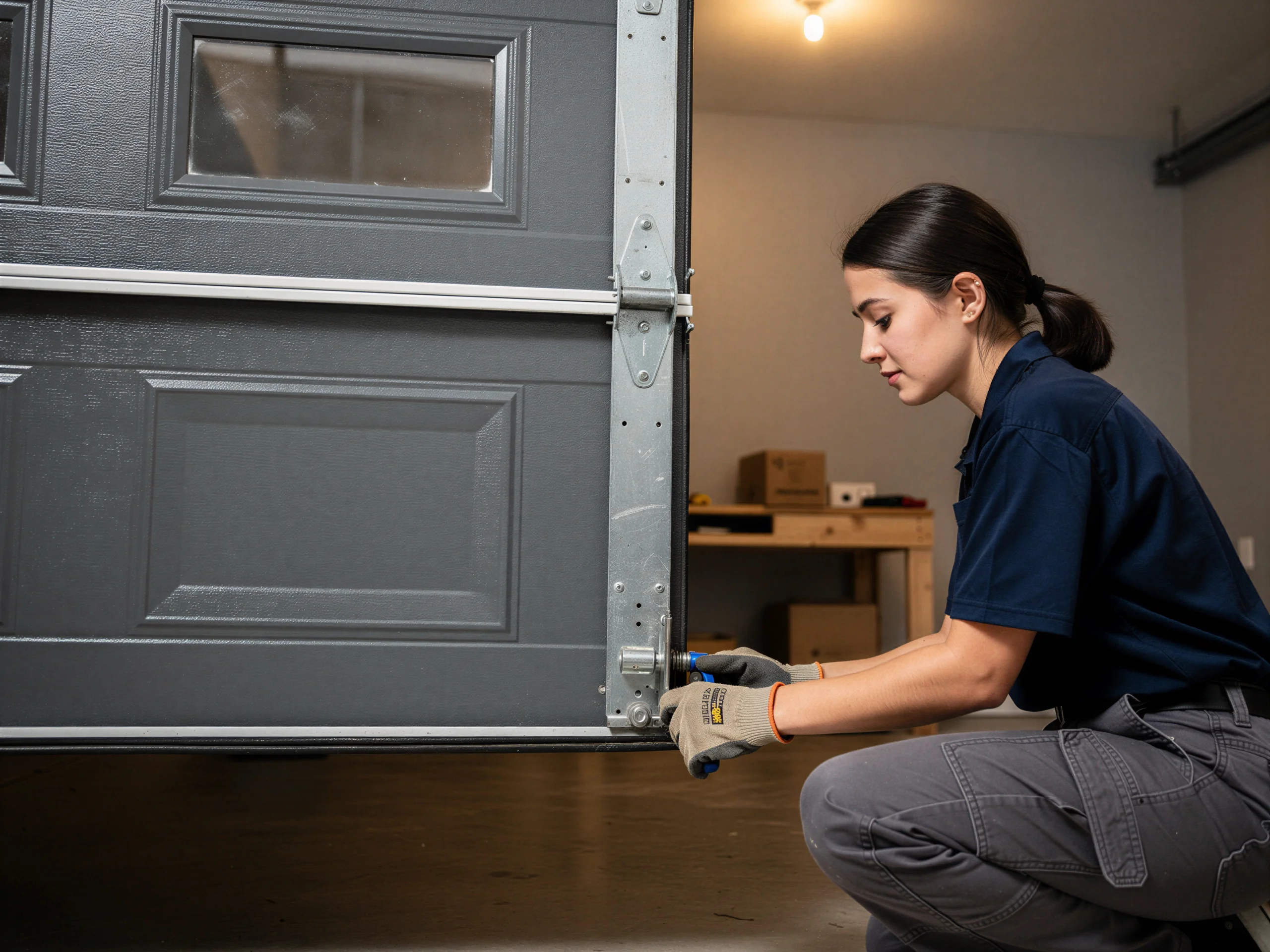
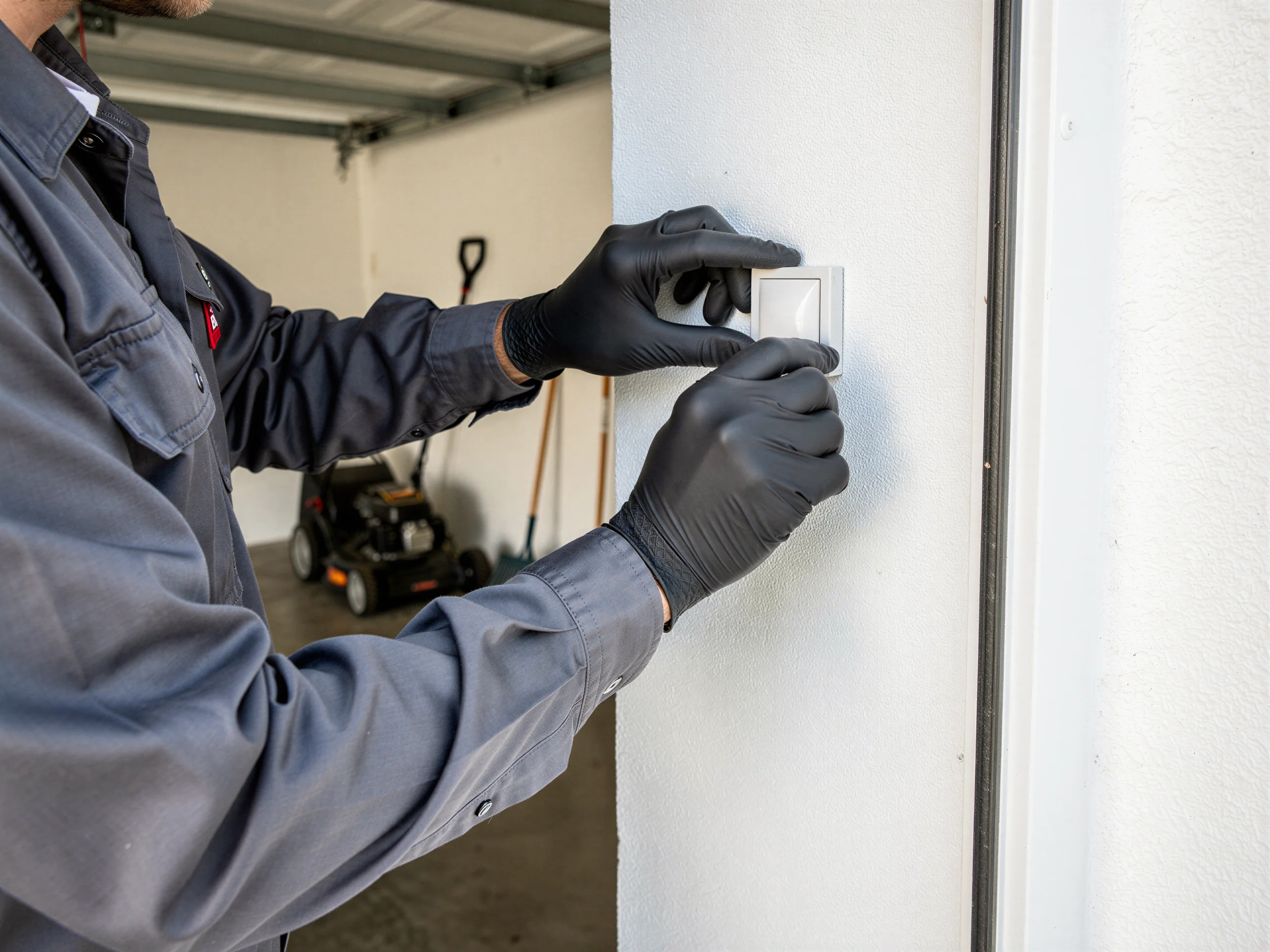
Realigning a safety sensor or tightening a loose chain is reasonable DIY territory, and plenty of Monterey owners handle it themselves - the sensors are low-voltage, low-risk, and the instructions are usually printed right on the bracket. Replacing a logic board or a drive gear assembly is a different job. The opener housing on 1960s-70s units doesn't come apart the same way twice, and we've seen stripped housings from owners who forced a universal gear kit that wasn't matched to their specific chain pitch. If your opener is original to a house from that era, we'd rather quote the board or gear kit and do it right than have you back on the phone after a part that doesn't fit got forced into place.
What Is on the Truck
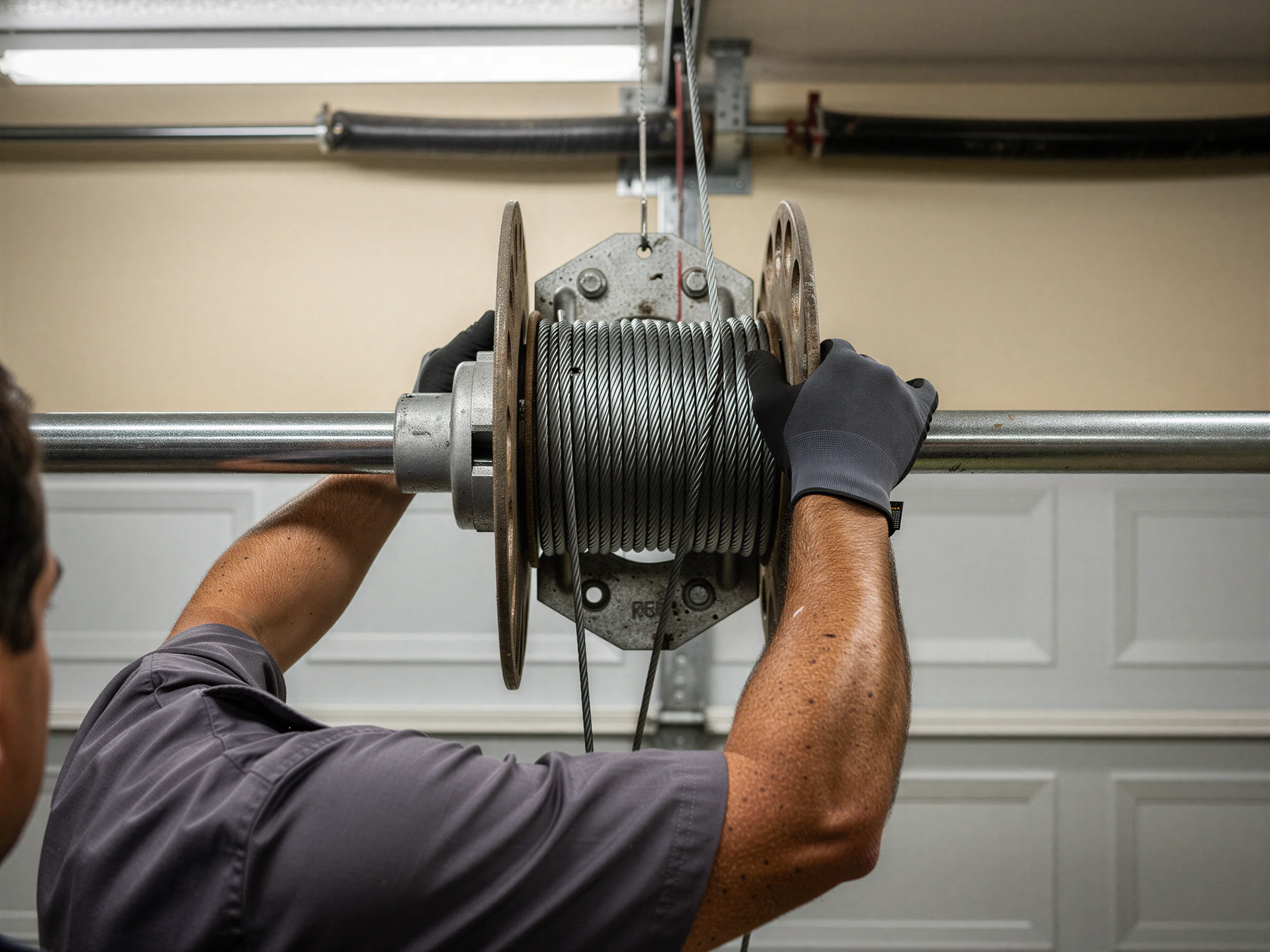
Monterey is a town of about 12,420 households, not a sprawling market, so the opener failures we see here repeat themselves. Most houses went up in the 1960s and 70s, median build year sits around 1970, which means a specific generation of chain and screw-drive openers, half of them replaced once already by a homeowner or a prior company, half still original. We carry logic boards and gear-and-sprocket kits sized for those mid-century mounts, plus the belt-drive units people switch to when they finally give up on the noise. We also bring wall console and safety-sensor hardware, since sensors on houses this age are usually the add-on kind bolted in years after the door itself went up, not the factory pair. What we don't carry is every obscure board for a opener brand that stopped making parts a decade ago - if your unit is one of those, we tell you on site rather than quote a part we can't get. For most Monterey calls, we're looking at worn drive gears, a dead logic board, or sensor wiring gone brittle, and the truck covers the first two outright.
The Symptom
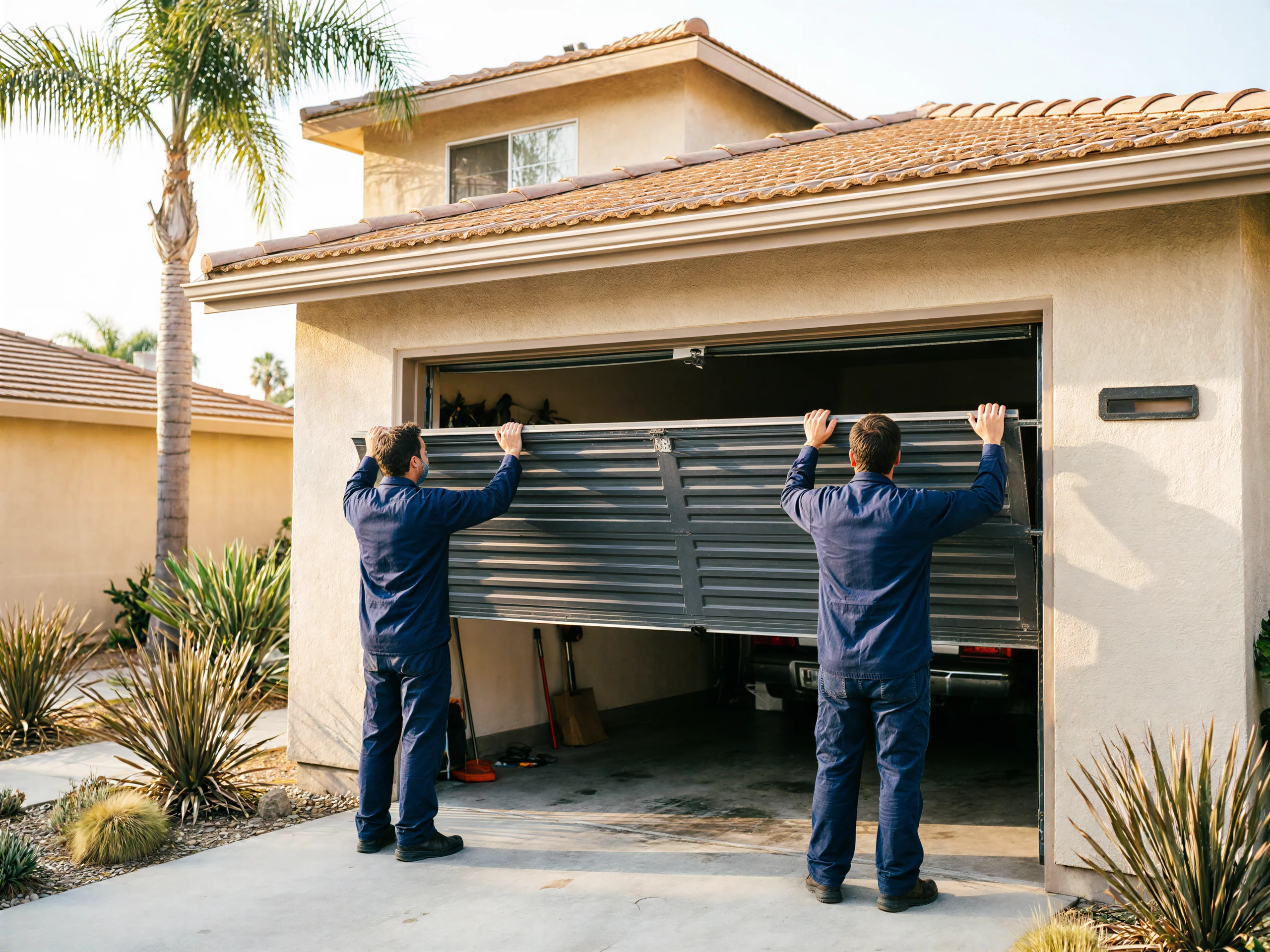
The complaint we hear most from this town is the opener running but the door not moving, or moving part way and reversing.
Nylon drive gear fails first
On a house built in the 1970 range, that's almost always the drive gear - a nylon part that was never meant to outlast the door motor housing around it, and after decades of the mild coastal temperatures this area sits in, the plastic gets brittle rather than worn smooth.
Flaky remote signals
Second most common: the remote works some days and not others, which points to a logic board losing its memory under load rather than a battery problem. We also see openers that run silent - no motor noise at all - which on older chain-drive units is usually a capacitor, not the full motor.
Seized bearings are rare here
What we don't see much of here, because of the mild climate band this area falls in, is the kind of seized bearing you get in opener towns that swing hard between freeze and heat. That's one failure mode you can mostly rule out on a Monterey call.
Talk to a local pro
Garage door service in Salinas?
Same-day service with honest, upfront quotes.