Getting It Booked In
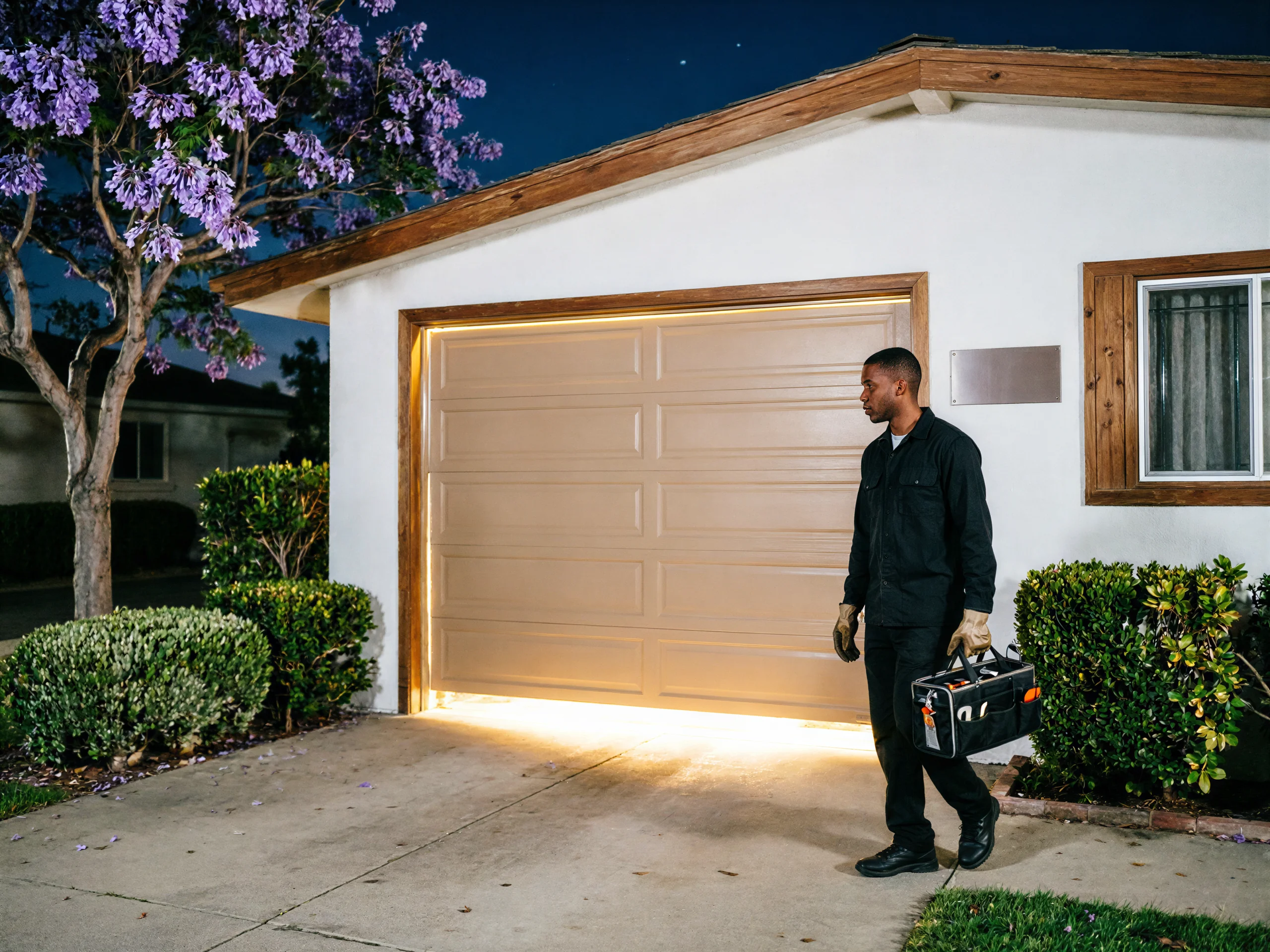
We run this job out of Salinas, about 17 miles from Pacific Grove, so there's no local depot to swing by - everything gets scheduled by phone before a truck heads your way.
Parts loaded before driving
That's worth knowing up front: we're not a crew sitting around the corner, we're a crew that drives in with the parts already loaded based on what you tell us about the door.
Describe the failure clearly
A clear description helps - whether the door won't budge, whether it's one spring or two, whether the opener runs but the door doesn't move. The more specific you are about what's happening, the more likely we show up with the right spring, drum, or cable already on the truck instead of making a second trip.
Repeat failure patterns
With roughly 6,988 households in Pacific Grove and plenty of them sitting on doors installed decades ago, we see the same handful of failure patterns here often enough to plan for them before we ever pull into the driveway.
What Is on the Truck
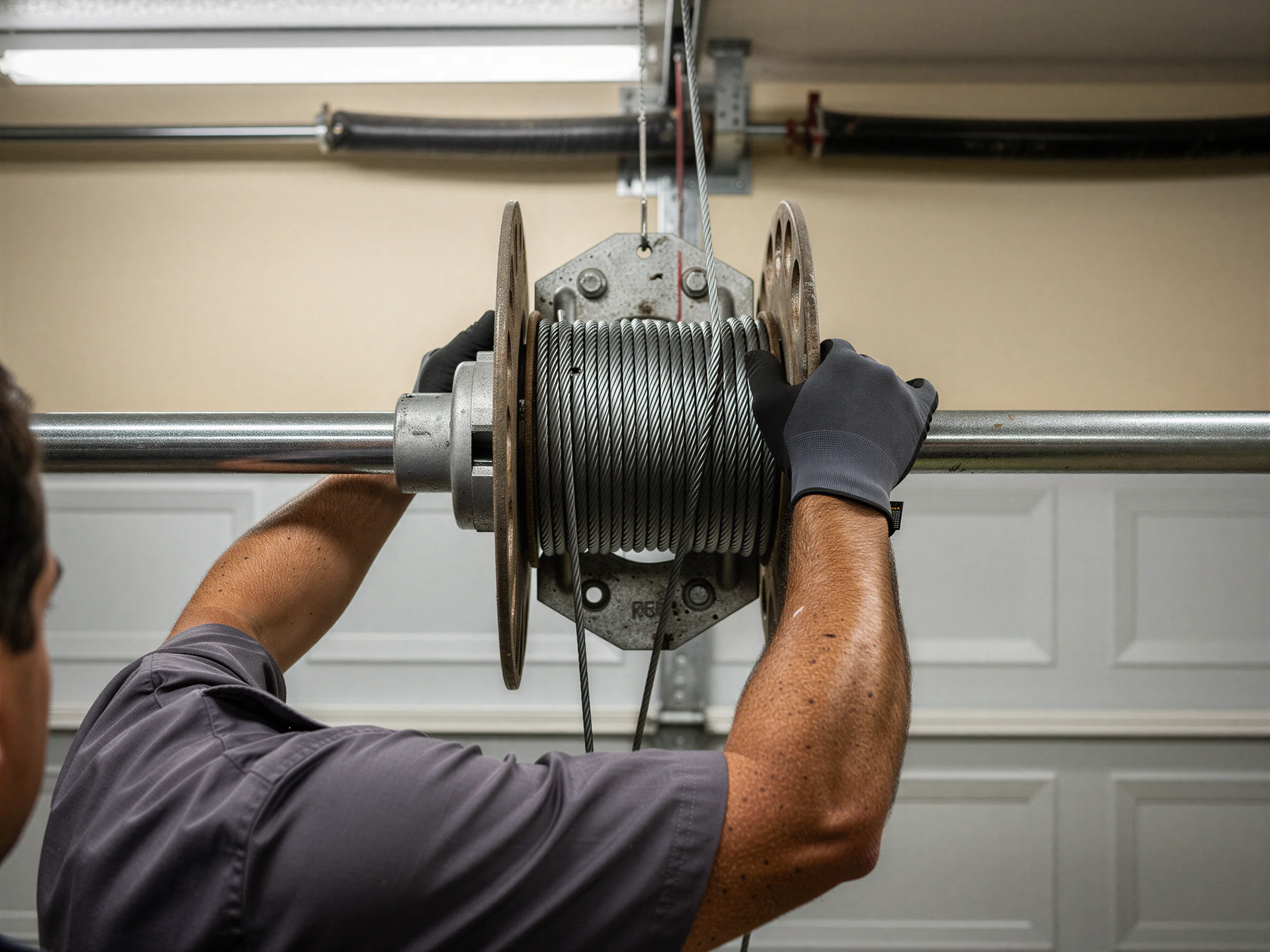
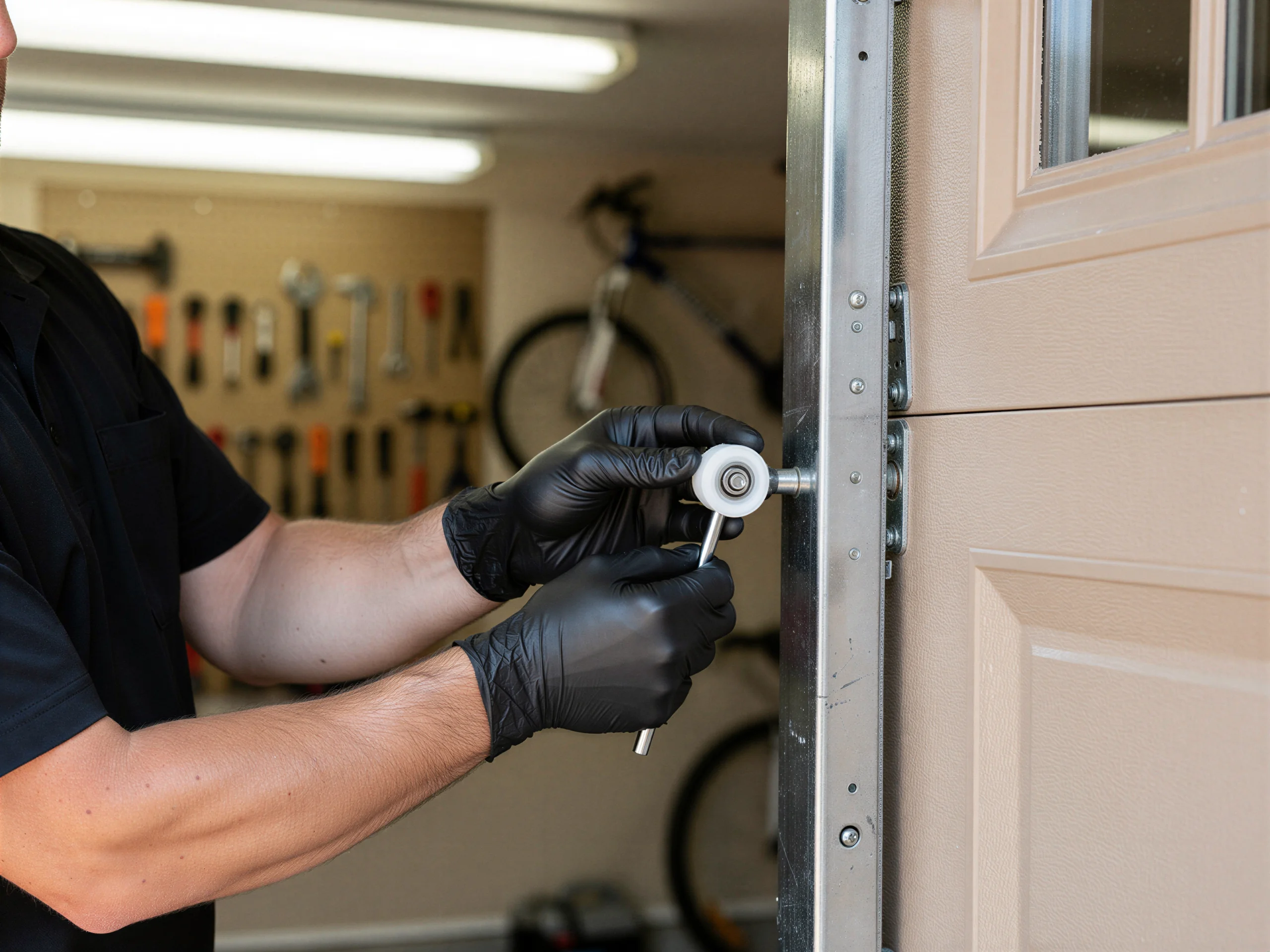
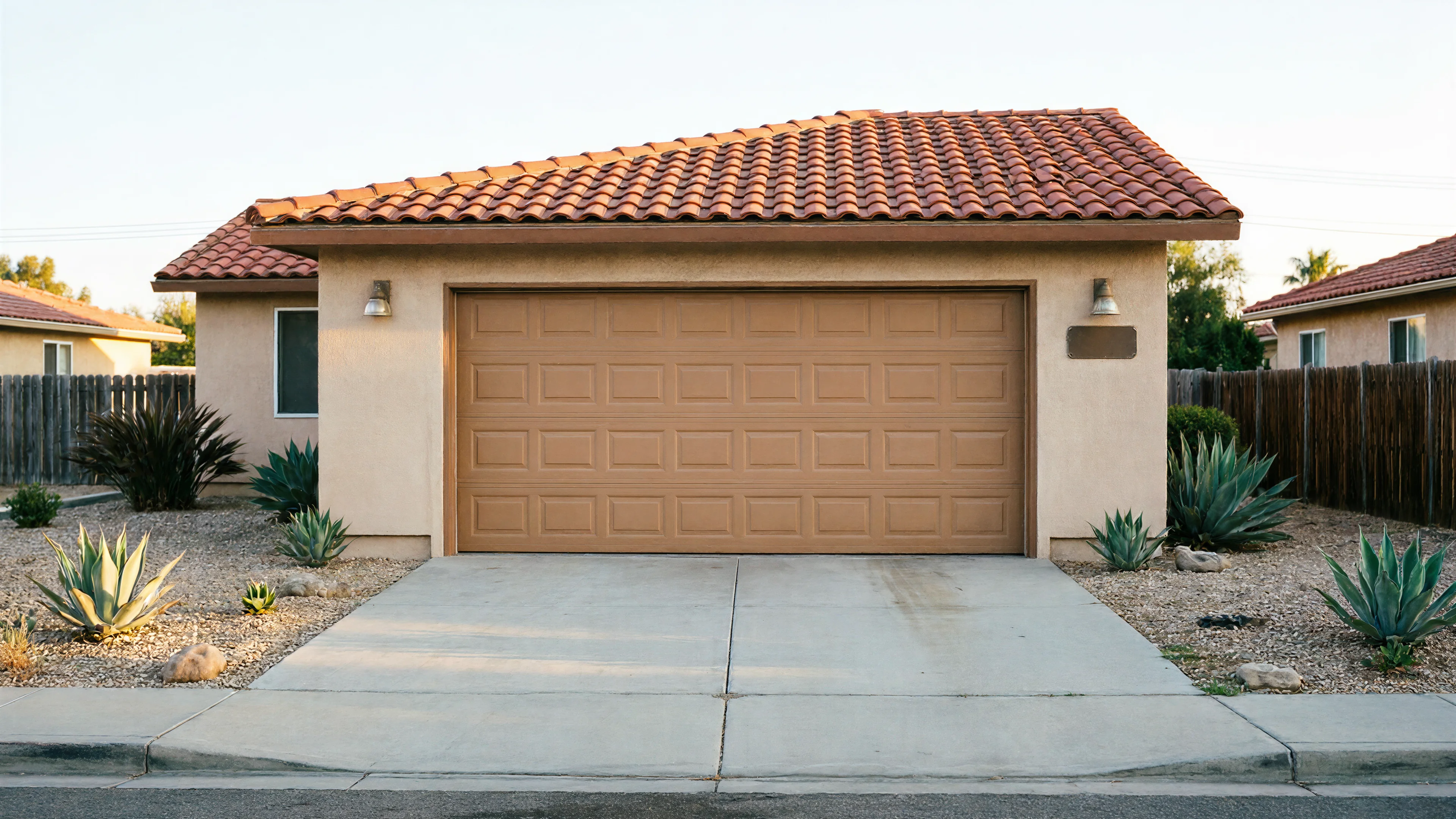
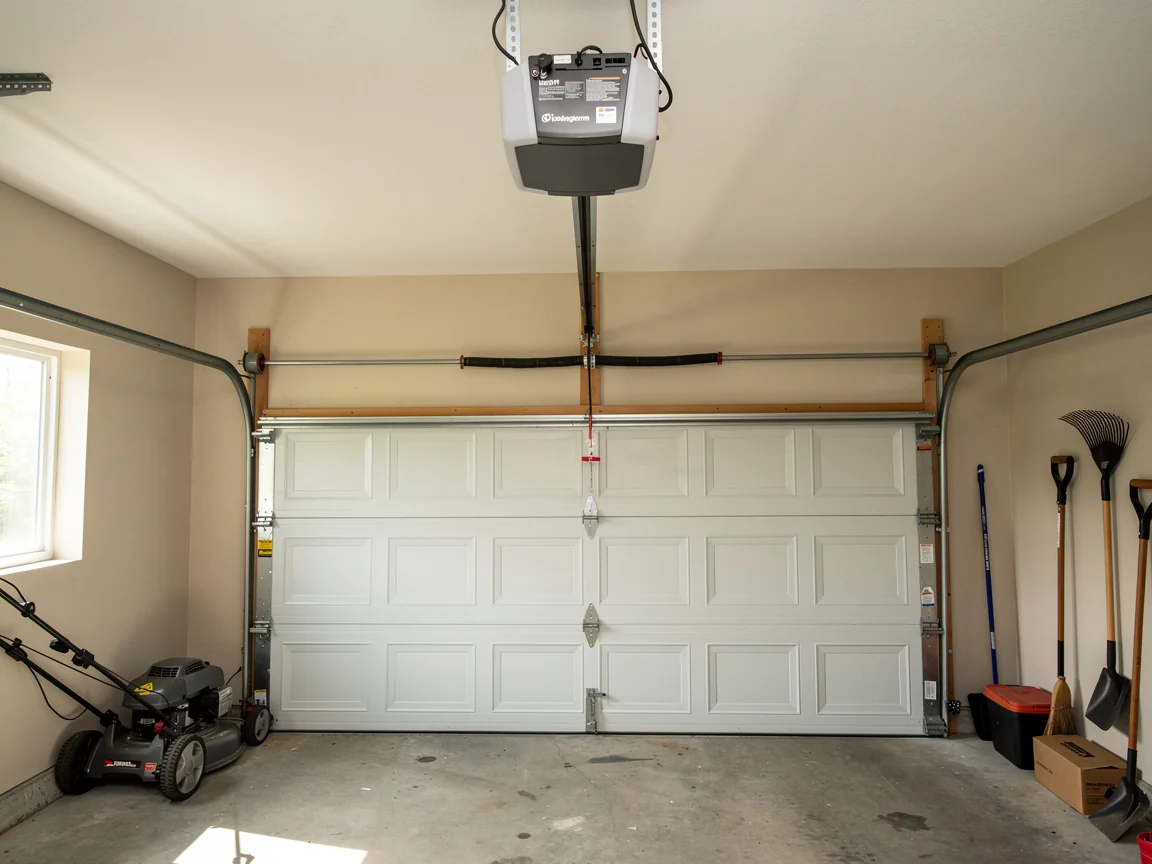
Pacific Grove's median home dates to about 1957, which means a lot of garages still carry their original single-layer steel or wood sectional doors, sized for the narrower single-car openings builders used back then rather than today's wider two-car standard. We carry torsion springs and extension springs in both the older sizing and current stock, because a door that age usually can't take a modern one-size-fits-all replacement spring without binding. The region's mild climate band keeps us from dealing with the freeze-cracked seals and ice-stiffened tracks that colder regions fight every winter, but it does nothing for metal that's just mechanically tired after sixty-plus years of daily cycles. So the truck carries rollers, end bearings, and cable in the diameters that actually fit these older tracks, plus the fasteners and brackets that current doors don't use anymore.
Doing It Yourself
Lubricating hinges and rollers, tightening loose bolts on the track brackets, and checking that the door is balanced by disconnecting the opener and lifting it by hand - these are fine to do yourself and worth doing twice a year.
Leave the spring alone
What isn't fine is touching the torsion spring. A wound spring on a door this old is under enough tension to break bones, and if your door is original to a 1950s build, the spring and drum sizing may not match anything on a hardware store shelf, which means an amateur swap can leave you with a door that's dangerously out of balance even if it looks fixed.
Special orders can delay
Here's the honest limitation: if your door's hardware is original, we sometimes have to special-order a part rather than carry it standard, and that can add a few days versus a same-day fix on a newer door. We'll tell you straight if that's the case instead of jury-rigging something that fits badly.
The Cost of This Job
We don't post flat prices here because the number depends on what's actually broken and whether the parts are standard stock or something we need to match to an older door. A door that's original to a 1950s-built home often costs more to repair properly than a 1990s door, simply because the spring and track sizing isn't something we keep ten of on the truck. With Pacific Grove's median household income at $105,568, replacement is sometimes the better call than repeated patch repairs on hardware that's outlived its parts supply - we'll tell you which makes more sense for your specific door rather than defaulting to the more expensive option.
Why It Happens Here
Pacific Grove's housing stock centers on 1957, decades before insulated steel doors and lighter-gauge torsion systems became standard. That means a lot of garages in town are still running the original door and hardware, or a replacement door hung on the original 1950s track and jamb. Those tracks were built for a lighter, narrower door than what's commonly installed today, so when a homeowner upgrades to a heavier modern door without upgrading the spring and drum to match, the new door is working against hardware it was never sized for - leading to early spring failure or a track that slowly bends out of alignment. Add a mild coastal climate that doesn't freeze or crack seals the way harsher inland winters do, and the failures we see here are almost always mechanical fatigue and mismatched hardware rather than weather damage. It's a different failure pattern than you'd find in a neighborhood built in the 1990s, and it's why matching the right part to the actual age of the door matters more here than almost anywhere else we drive to.
How We Fix It
Because we're coming from Salinas, 17 miles out, we try to diagnose as much as possible over the phone before the truck leaves - spring type, door age, whether it's a one-piece or sectional door - so we're not guessing once we're on site.
Balance check first
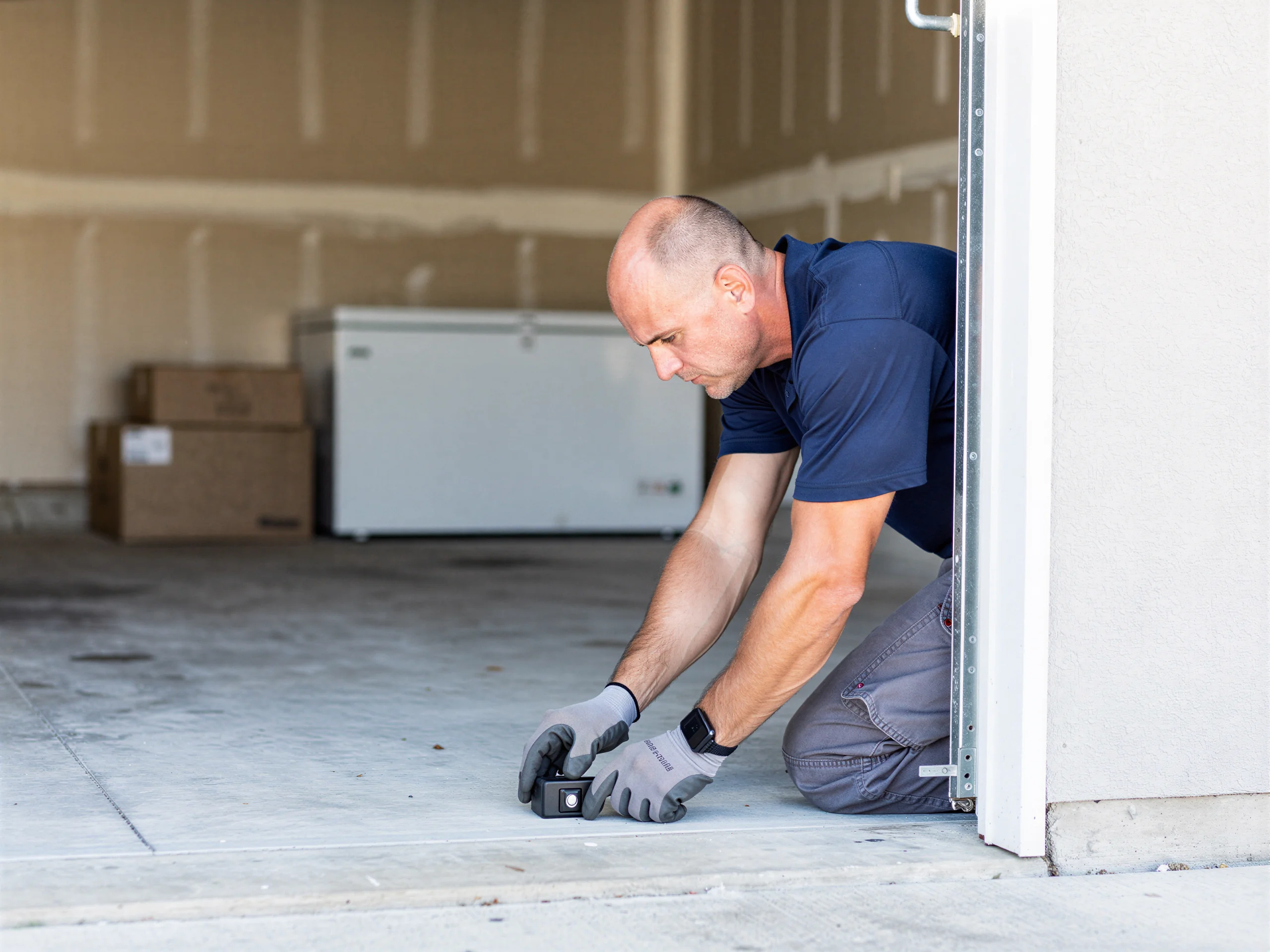
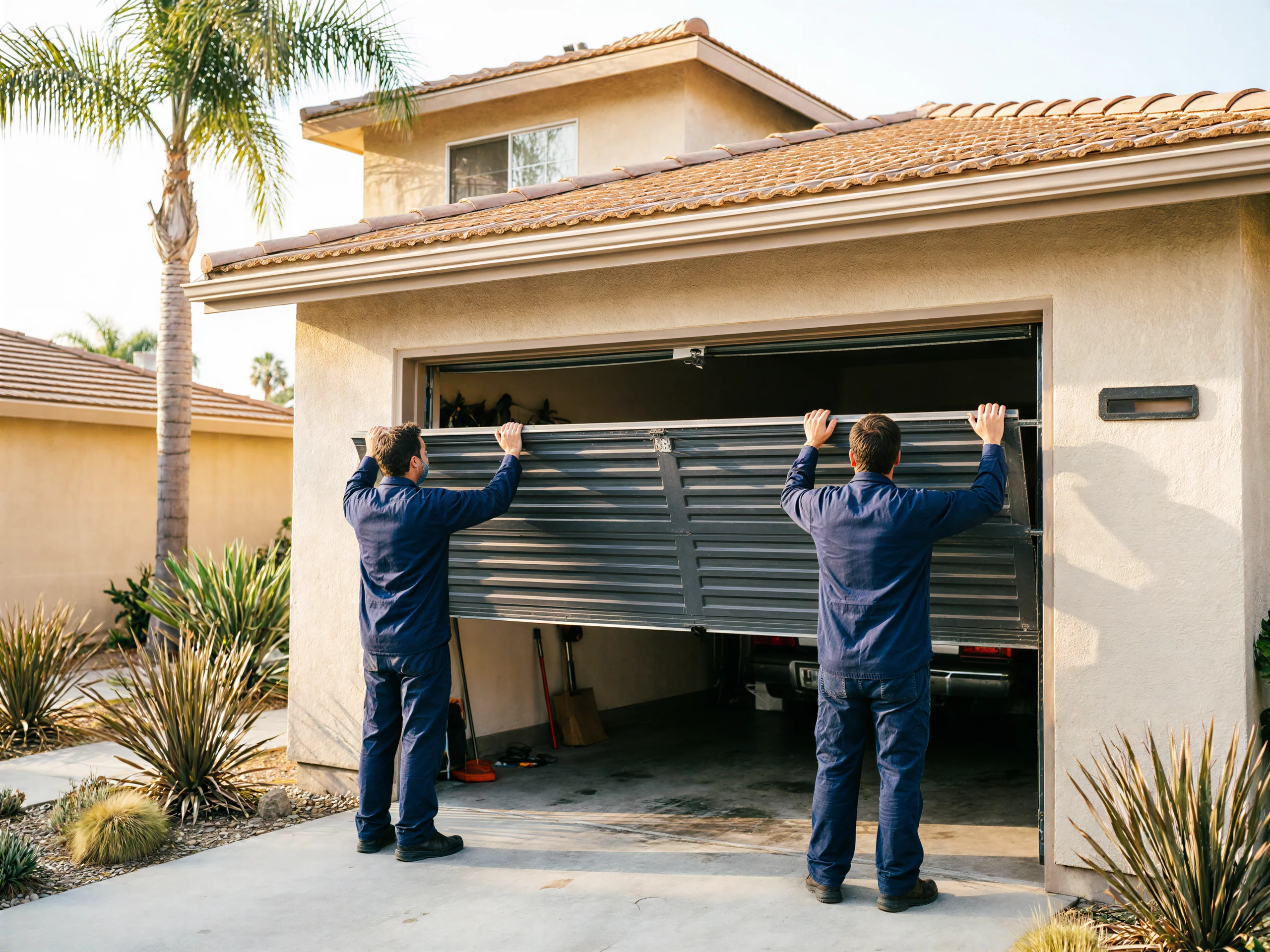
On arrival, the first check is always balance: disconnect the opener, see how the door sits halfway open, and that tells us whether we're dealing with a spring problem, a track problem, or both.
Sized swap, sourced parts
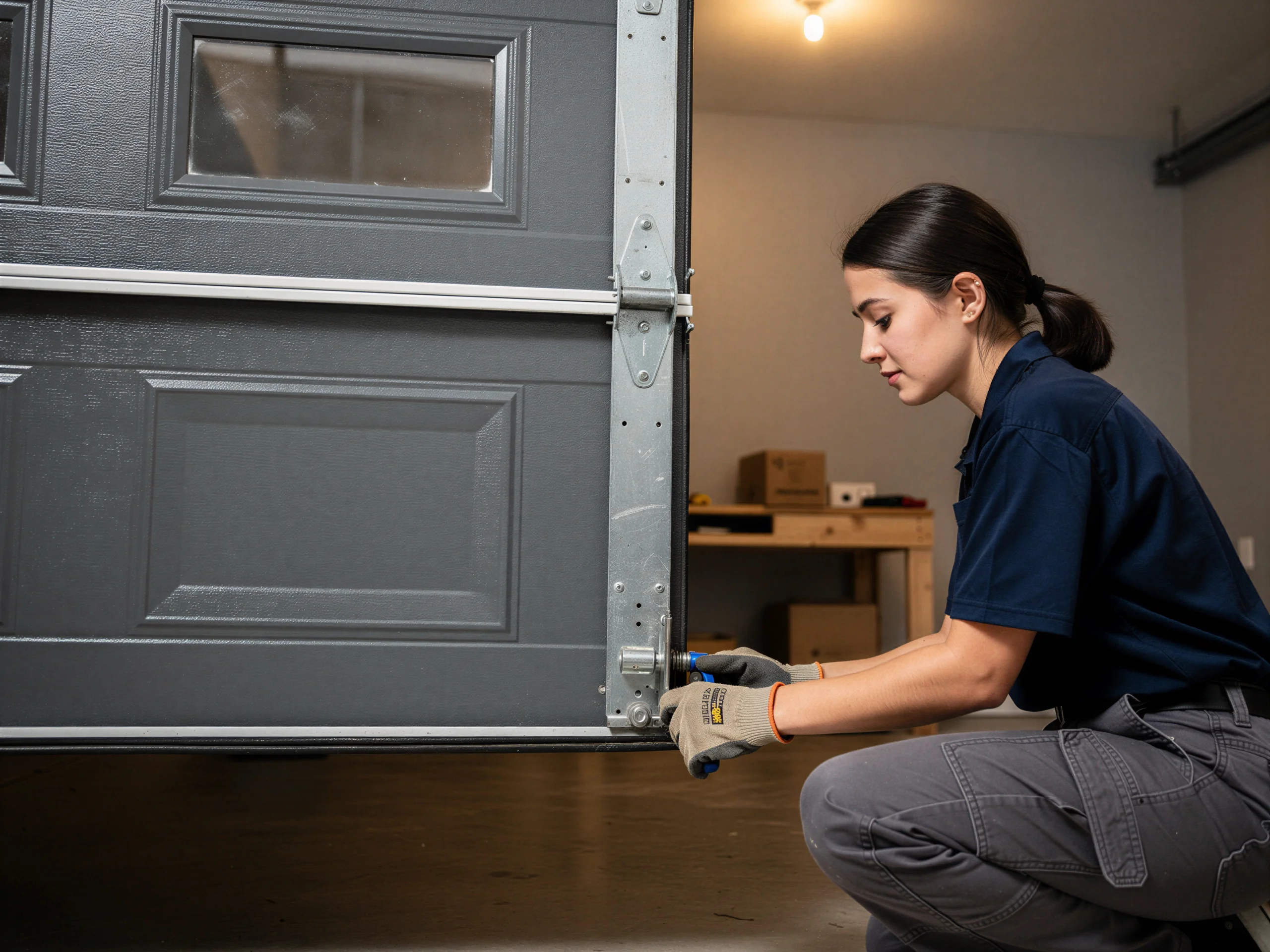
From there it's a straightforward swap of the failed part for one actually sized to the door, not a generic replacement that happens to fit close enough. For original 1950s hardware, that sometimes means we source a part rather than pull it straight off the truck, and we'll tell you that up front rather than after the fact.
Original design intent
The goal on an older door like these is getting it running the way it was designed to, not forcing modern parts onto hardware they weren't built for.
Talk to a local pro
Garage door service in Salinas?
Same-day service with honest, upfront quotes.