Getting It Booked In
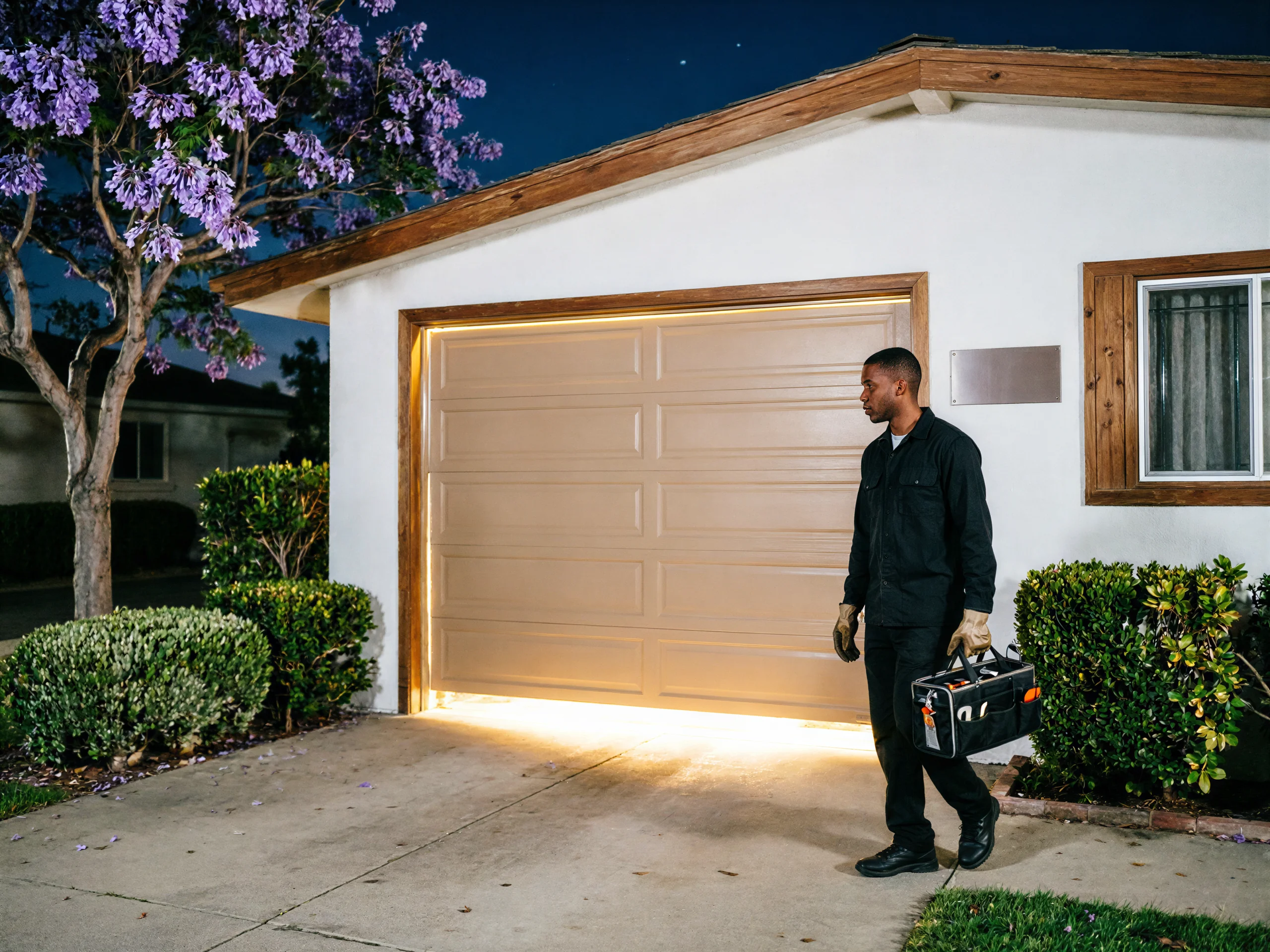
Pacific Grove sits 17 miles from our Salinas shop, which matters for one reason: we don't keep a crew stationed in town, so the job gets scheduled around the drive, not around a local branch.
House age tells fault
When you call, tell us the age of the house if you know it - a lot of Pacific Grove homes went up around 1957, and that one detail tells us more about what's likely broken than a description of the symptom does.
Won't open means spring
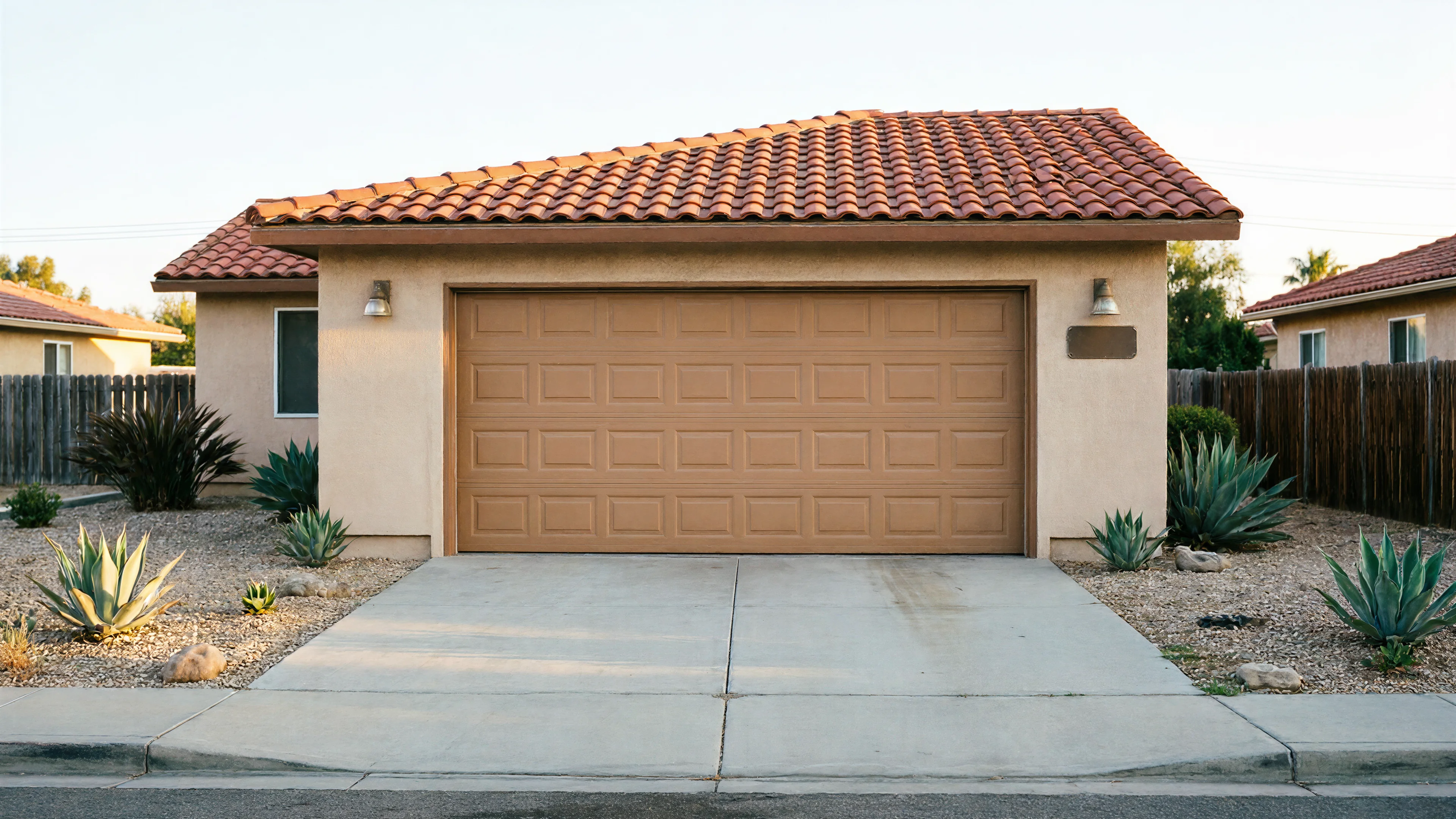
A door that won't open on a house from that era is almost always a spring problem or an opener that's outlived its gears, not a track that's bent. We ask what the door looks like now versus what it looked like when it was installed, because plenty of these houses have had one replacement door since the original, and that changes what hardware we bring.
No same-day promise
If you're not sure, that's fine - we figure it out on site. We just can't promise a same-day slot out here the way a company based in town could; we're honest about that before you book, not after we've driven out.
What Is on the Truck
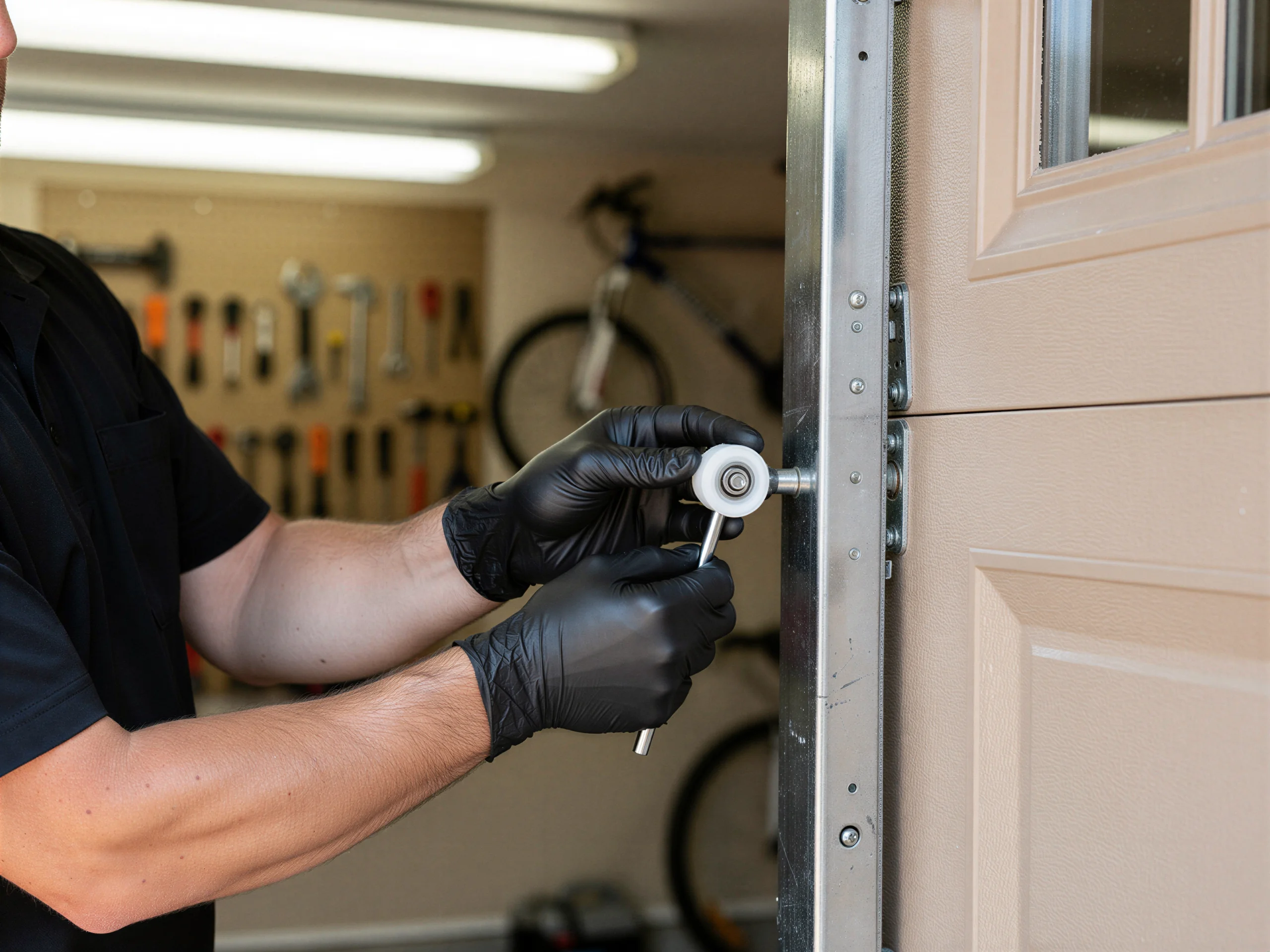
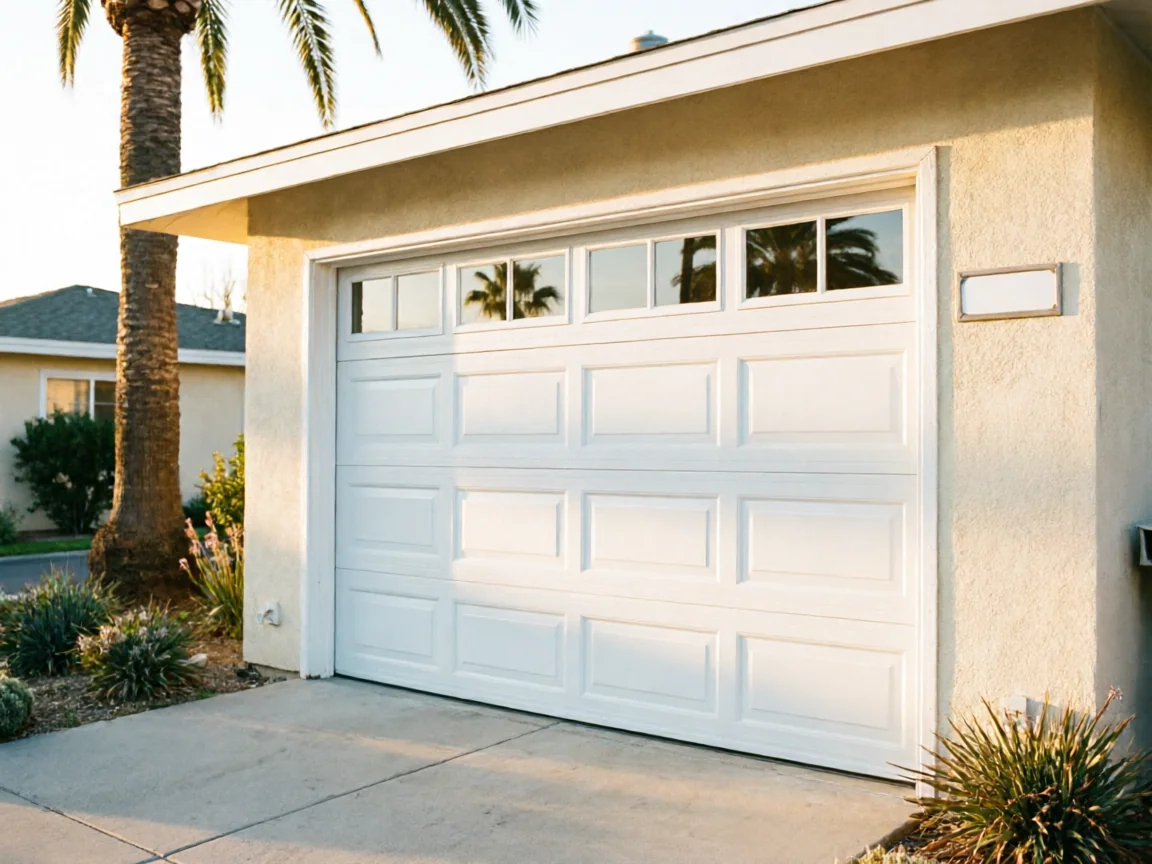
For a town built mostly around 1957, the truck gets loaded differently than it would for newer stock. Torsion springs sized for the lighter single-layer doors common in that era, extension spring kits for the older two-car setups that never got upgraded, and a stock of standard-lift openers since full ceiling height wasn't always framed into these houses. We also carry replacement rollers and cable sized for narrower track - a lot of 1950s garages were built for cars smaller than what people park now, and the door and track were never widened to match.
What we don't carry is custom millwork or specialty insulated panels on the truck - those get special-ordered once we've seen the opening and know the exact size. If your door needs one, we'll tell you the lead time before we start, not after you're waiting on parts.
Doing It Yourself
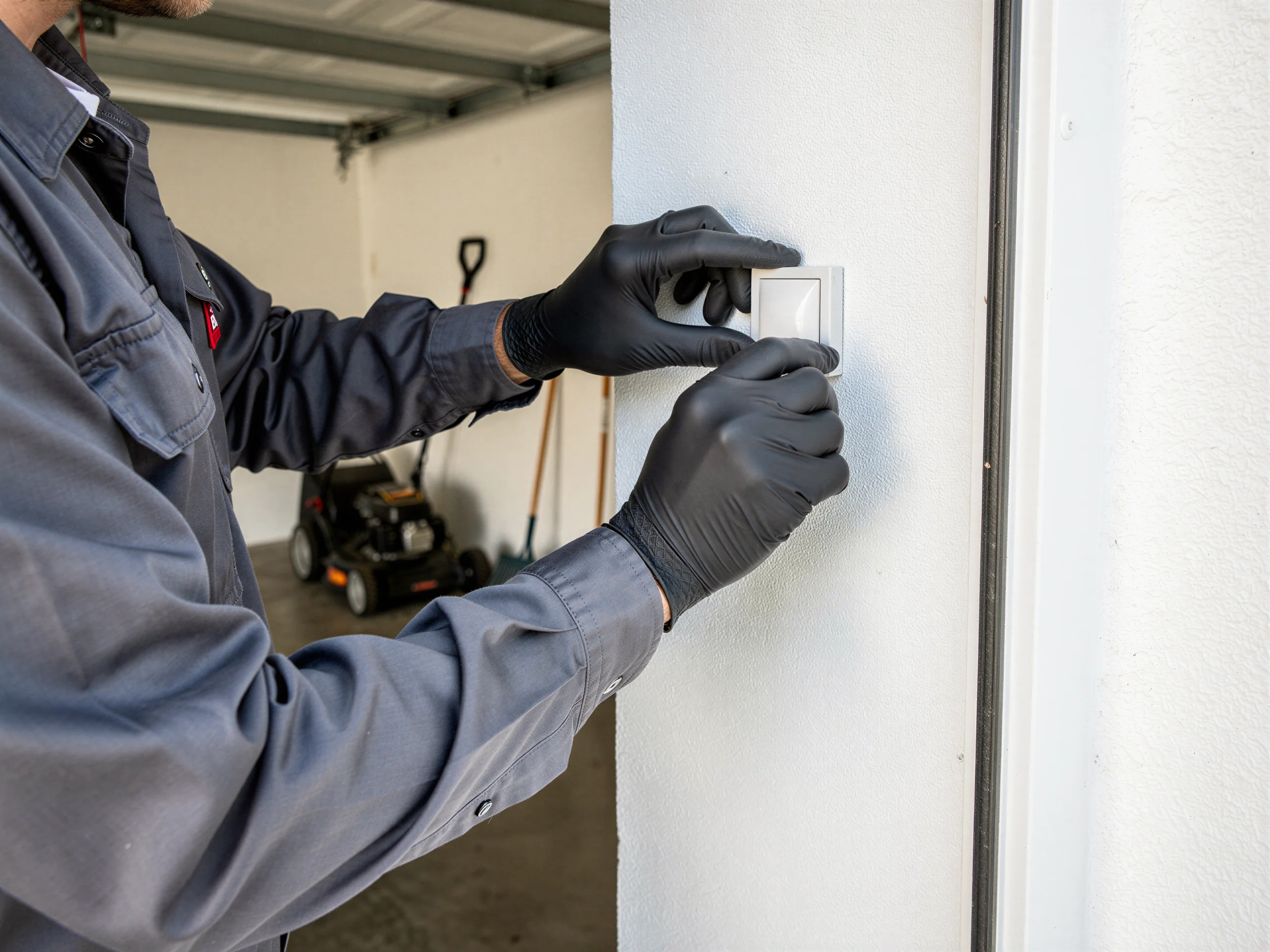
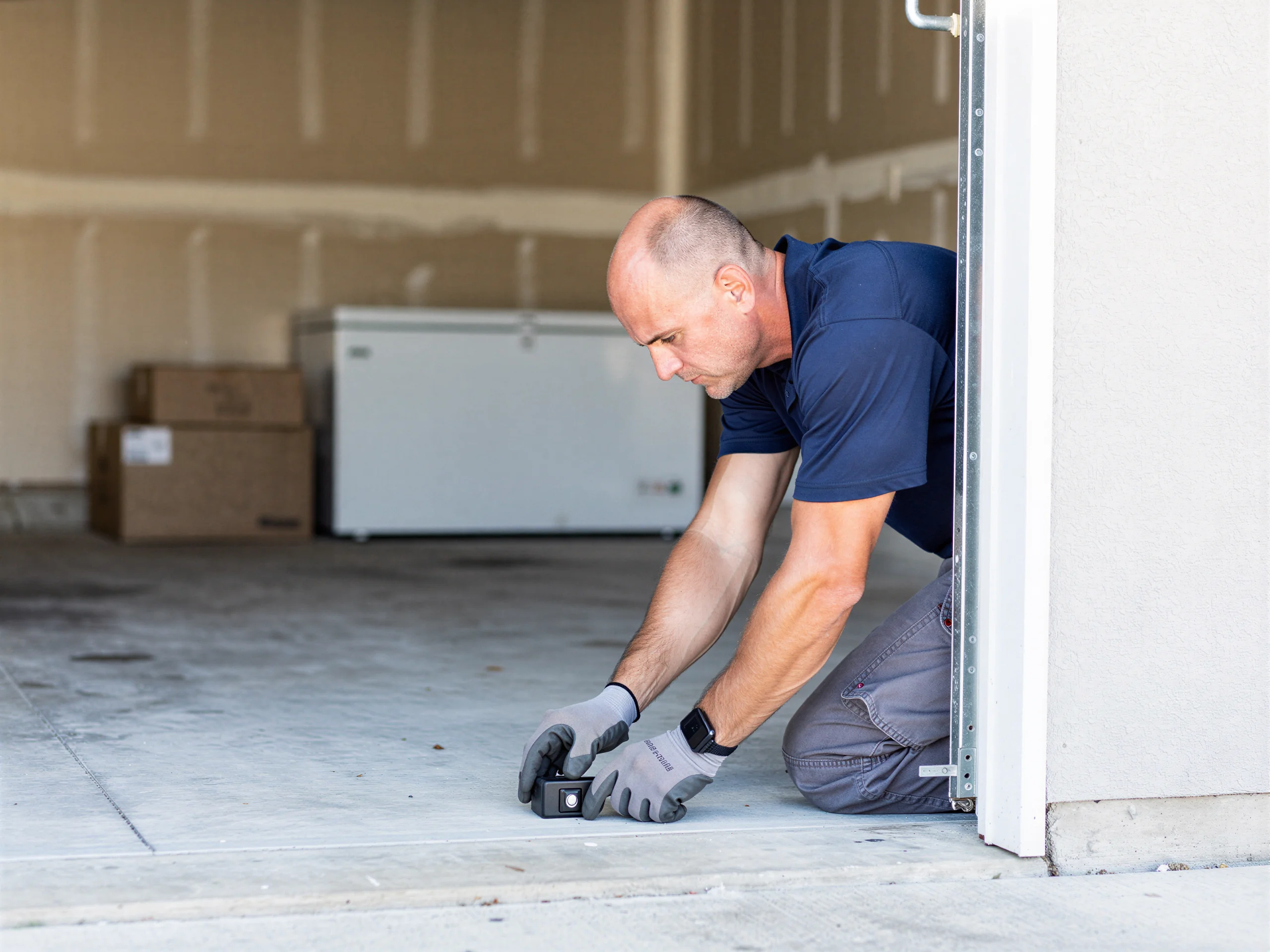
If your opener just clicks and doesn't lift, check the obvious first: the wall switch, the breaker, and whether the safety sensors at the bottom of the track are aligned - a bumped sensor is the single most common no-start call we get, and it costs nothing to check yourself.
Lubricate rollers twice yearly
Lubricating rollers and hinges twice a year is worth doing on a house this age, since the hardware has had decades to dry out. What you should not do yourself is touch the torsion spring.
Spring tools are specialized
On a door built to 1950s-60s spec, those springs carry enough tension to break a bone or worse, and the tools to wind them safely aren't something most people own or should buy for one job. If the door is stuck shut with the spring visibly broken or stretched, leave it alone and call.
The Cost of This Job
We don't quote a number without seeing the door, because a 1957-era single door with a working torsion spring is a different job than a widened double door with an aftermarket opener bolted in later. What we can say is that household income in this service area runs a median of $105,568, and most of the repair and replacement work we do sits well under what a full kitchen or roof job would cost - this is a parts-and-labor repair, not a renovation.
The honest caution: if your opener and door are both original to a house built in 1957, replacing both at once is often cheaper over time than patching an opener that's going to fail again in a year. We'll tell you straight which side of that line your job falls on.
Why It Happens Here
Pacific Grove's housing is old enough that a meaningful share of doors and openers are either original or one generation removed from original.
Older engineering, piecemeal failure
A door built or installed around 1957 was engineered for a lighter panel, a smaller spring, and a motor sized for a lift height that newer garages don't have - none of which fails all at once. It fails one part at a time, usually the spring first, because steel fatigues on a predictable cycle count regardless of how gently it's used.
Age, not frozen tracks
The region's mild temperate climate means we don't see the frozen-track or heat-warped-panel failures that other parts of the country deal with. What we do see is age: galvanized hardware that's simply worn past its rated cycles, openers with gear sets that were never designed to run for seven decades of daily use, and wood panels that have taken on decades of coastal moisture even without extreme weather to blame.
How We Fix It
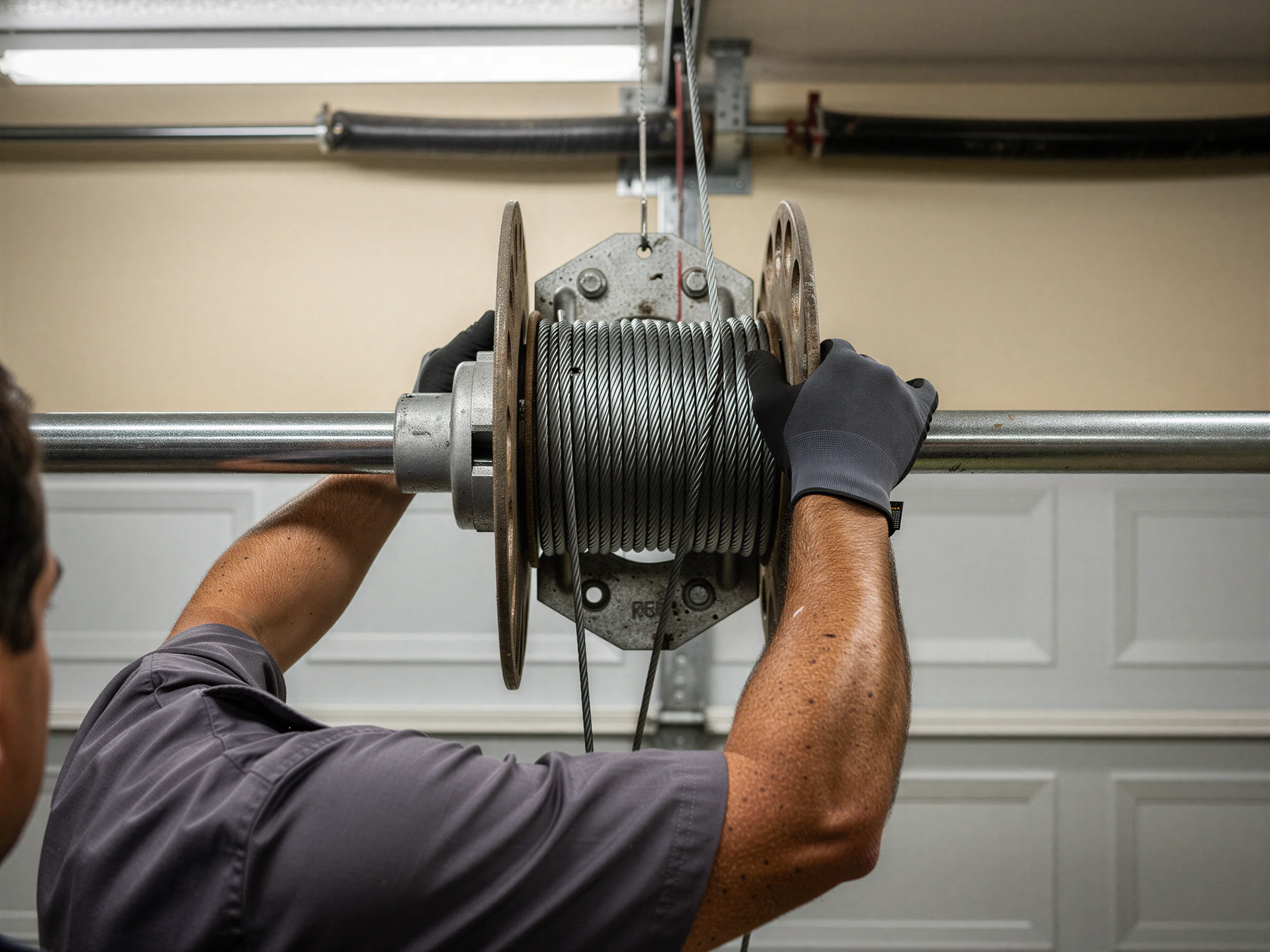
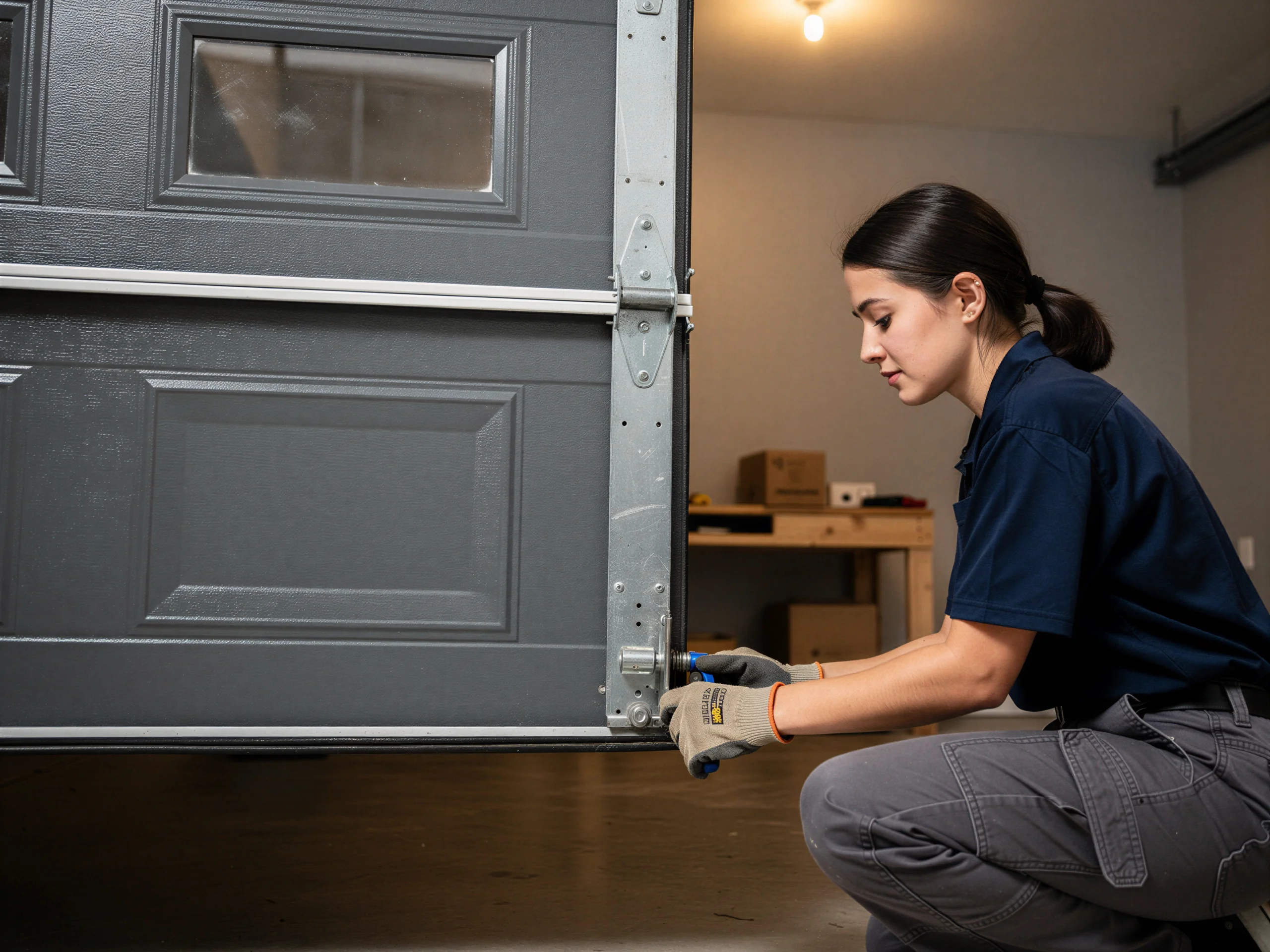
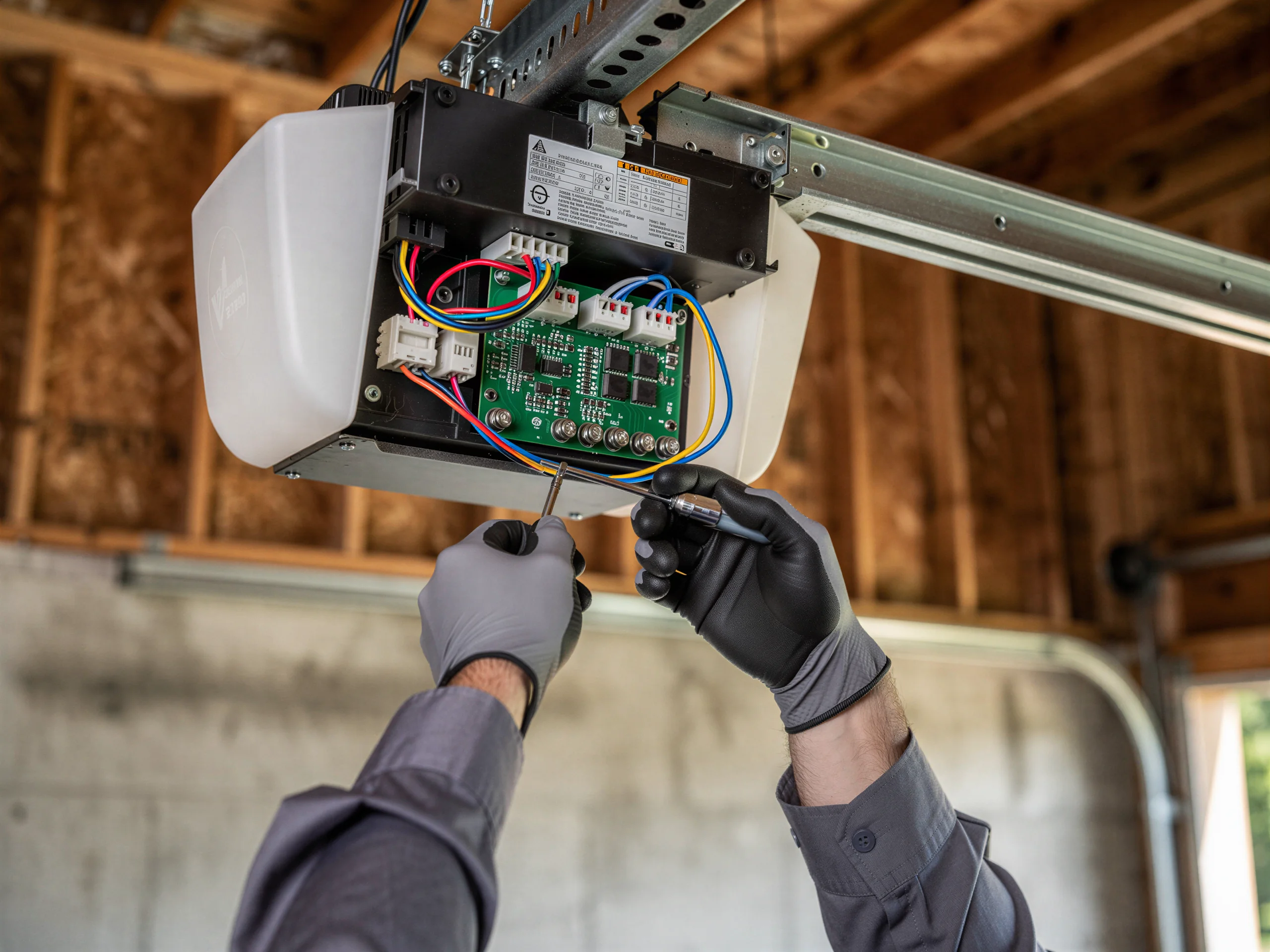
Same approach every time: we open the panel housing, check the spring winding and cable condition before touching the opener, because on a house this age a replaced opener bolted to a failing spring just breaks again in six months. If the fix is a spring swap or a cable replacement, we do it on site with parts off the truck.
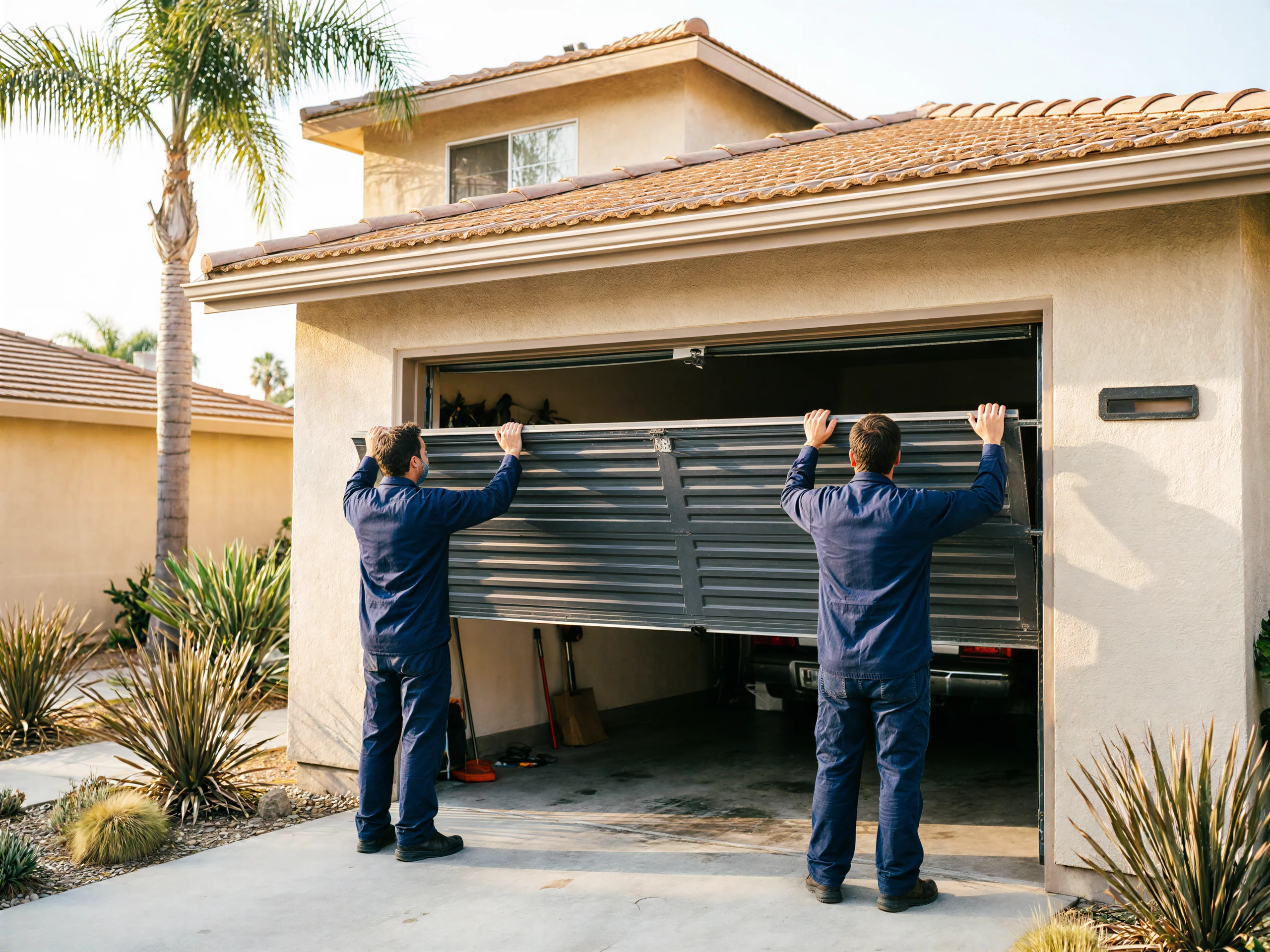
If the door itself is the problem - warped panel, track pulled from the jamb, hardware rusted past saving - we'll say so rather than patch it. Replacement makes more sense than repair past a certain point, and we'd rather tell you that up front than sell you a fix that doesn't hold. For more on what we cover from Salinas, see our coverage page for Pacific Grove or the main Salinas garage door service page.
Talk to a local pro
Garage door service in Salinas?
Same-day service with honest, upfront quotes.