Getting It Booked In
When you call about an opener that's grinding, chattering, or just gone quiet, we ask a few things before anyone loads a truck: the brand if you can read it off the housing, whether the door moves at all with the emergency release pulled, and roughly how old the garage itself is.
Pre-belt-drive garages
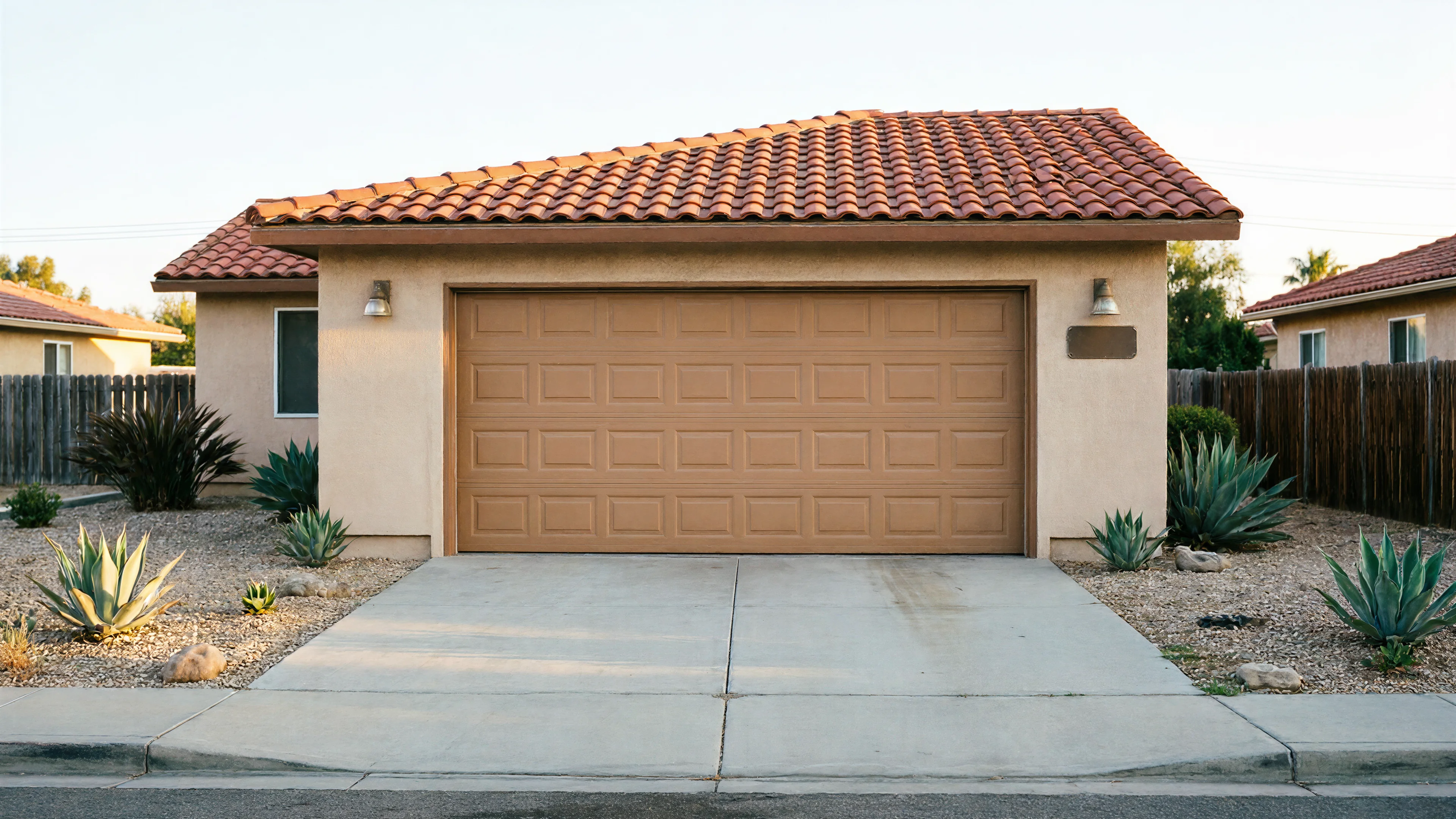
That last one matters more in Pacific Grove than it does in newer parts of the service area, because a lot of these garages were built around 1957, long before belt-drive openers existed.
Gear right first trip
We're coming from Salinas, about 17 miles out, so we try to get enough detail on the phone to bring the right gear the first trip rather than the standard kit and a guess.
Gear housing wear first
If the opener is original to a 1957 structure, odds are decent the issue is mechanical wear in the gear housing, not the logic board, and that changes what goes on the truck.
What Is on the Truck
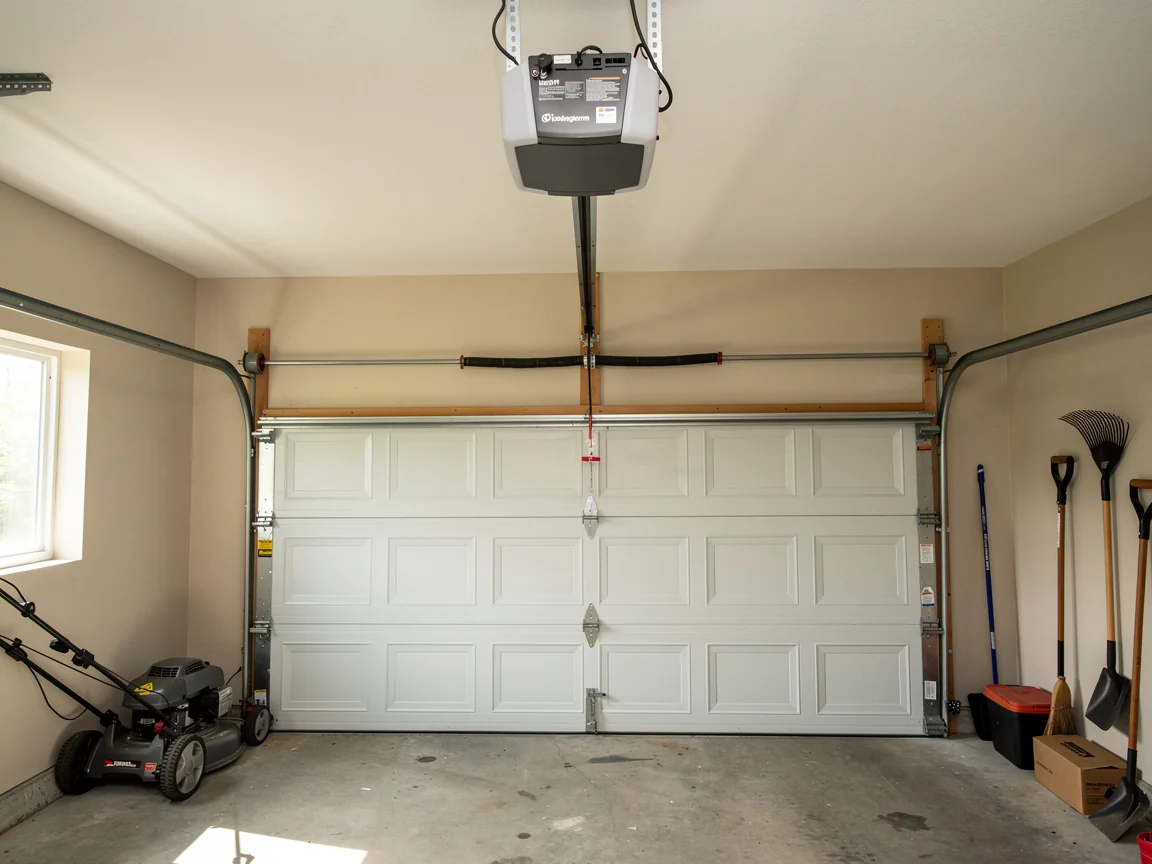
For opener calls in this part of the service area we carry drive gears and sprockets for chain and screw-drive units, since those are what you'll find bolted into garages framed before belt-drives were common.
Capacitors and limit switches
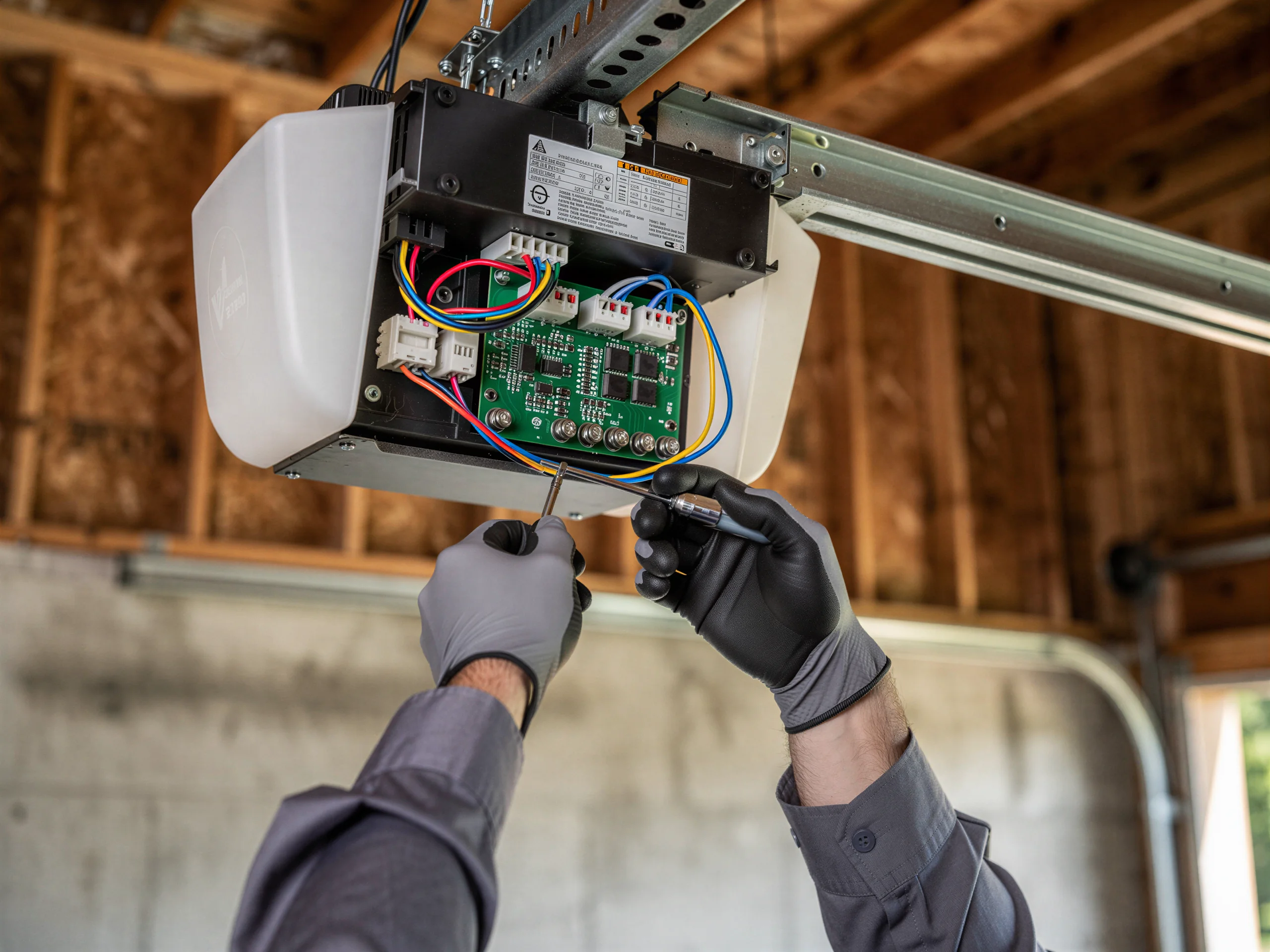
We also stock capacitors, limit switches, and a selection of remotes and keypads that cover the openers most likely to still be running in houses from the 1950s and 60s.
Obsolete boards not stocked
What we don't carry on every truck is a matched logic board for every obsolete opener model - some of those boards simply aren't made anymore, and if yours is one of them we'll tell you straight that replacement is the honest answer, not a repair we can fake our way through.
Town-specific truck loading
Pacific Grove's housing dates earlier than a lot of the newer construction elsewhere in our coverage area, so we load the truck differently depending on which town we're headed to that day.
Doing It Yourself
Before you call anyone, check two things. First, is the wall switch or remote getting power at all - a dead outlet or tripped breaker gets blamed on the opener more than you'd think. Second, pull the emergency release and try moving the door by hand. If it's heavy, binds, or won't stay up on its own, the opener isn't your real problem - a spring or cable is, and running the opener motor against that resistance is how you burn out a working unit trying to fix a different one. Lubricating noisy chain drive and tightening a loose sprocket set screw are both fair DIY jobs on older units. Replacing a logic board, resetting travel limits on a screw-drive system from this era, or working inside the opener housing itself is not something we'd recommend without the right tools - the risk of stripping a worn gear track outweighs what you'd save.
The Cost of This Job
We don't publish flat prices here because opener repair cost depends on what's actually broken and whether parts for your specific unit are still being made. A worn gear or a bad capacitor on a common chain-drive opener is a straightforward, inexpensive fix. A dead logic board on a discontinued model, which shows up more often in garages built the era Pacific Grove's housing dates from, sometimes costs more to track down a part for than to just replace the whole opener. We'll tell you on site which side of that line your job falls on before we start any work, not after.
Why It Happens Here
The mild temperate climate across this part of the coast means we don't see the opener failures that come from extreme heat warping plastic housings or cold snapping brittle gears - that's not what's driving calls here.
Original openers still running
What is driving them is age. With most Pacific Grove houses built around 1957, a large share of the openers in this town are either original units nobody's replaced in decades, or early retrofits installed when the technology was still new and nowhere near as reliable as what's sold today.
Gears and switches drift
Worn drive gears, tired capacitors, and limit switches that have drifted out of calibration over fifty-plus years of use are the pattern we see again and again on this side of the coverage area, more so than in newer tracts closer to Salinas.
How We Fix It
We start by isolating whether the fault is mechanical - a stripped gear, a slipping chain, a worn sprocket - or electrical, like a failing capacitor or a logic board losing its settings. On openers this old, we test the travel limits and safety reversal separately from the drive mechanism, because a unit that's been running since the 1960s or 70s can pass one test and fail the other. If a part is still manufactured, we replace it on site. If it isn't, and that happens more here than in newer-built parts of our area, we'll walk you through whether a full opener swap makes more sense than chasing parts for something that's reaching the end of its service life anyway.
Talk to a local pro
Garage door service in Salinas?
Same-day service with honest, upfront quotes.